Inside the Drala Mountain Center Daily Schedule
Inside the Drala Mountain Center Daily Schedule
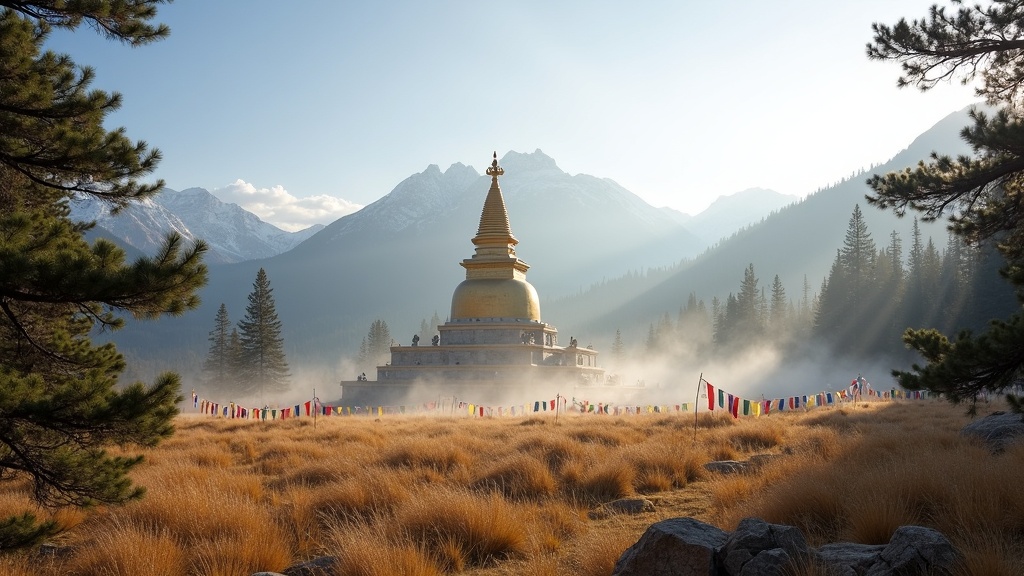
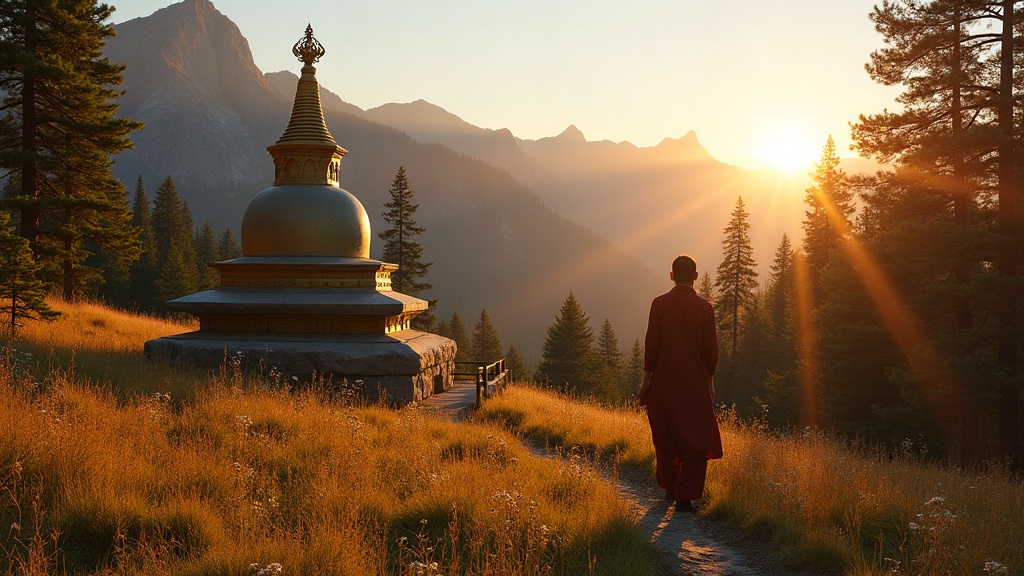
The wake-up bell at Drala Mountain Center rings at 6:30 AM, though some mornings you're already awake—the altitude at 8,600 feet makes sleep lighter, and ponderosa pines creak outside the windows as the wind picks up before dawn. By 7:00 AM, you're in the shrine room for morning sitting practice. The first day, this feels early and your body protests. By day four, you're awake before the bell, watching the gilded spire of the Great Stupa catch the first light through your window.
Morning meditation lasts forty-five minutes—cushions arranged in rows, the shrine draped in brocade, the silence broken only by occasional bells and the sound of your own breath. If it's a Shambhala-intensive program, an acharya or senior teacher might offer brief instructions on posture and technique. On more open retreats, the sitting is self-directed, held in collective quiet.
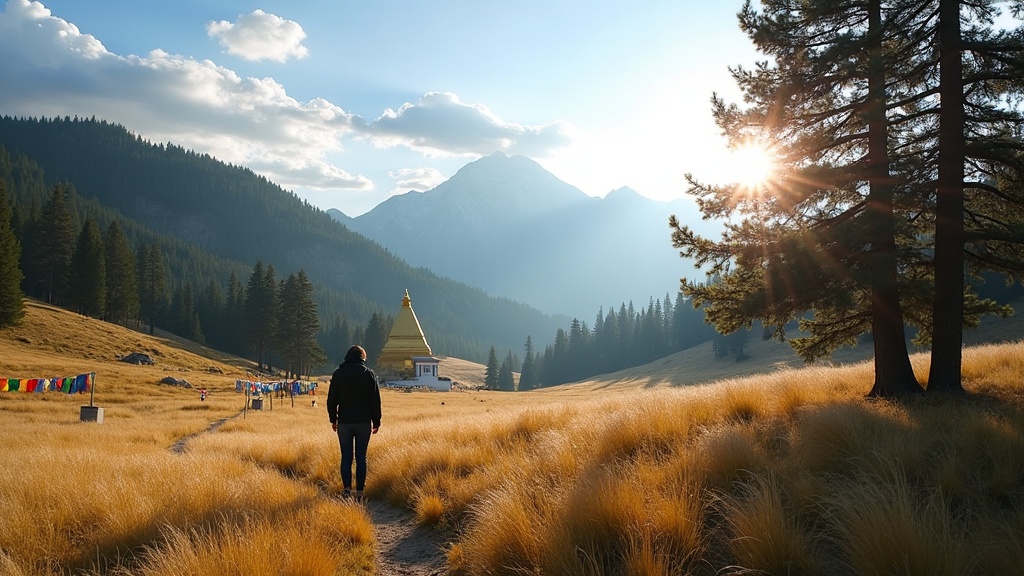
By 8:00 AM, you transition to morning yoga or contemplative movement. This isn't rigorous asana—it's gentle stretching, qigong, or walking meditation on the dirt paths that connect the buildings. Prayer flags snap overhead. The air is thin and cool even in summer. Breakfast follows at 9:00 AM in the dining hall: steel-cut oats with local honey, fresh fruit, strong coffee, and herbal tea. Meals at Drala are vegetarian, served buffet-style, with an emphasis on whole grains and seasonal ingredients. There's a quiet section for those maintaining silence and a conversation area for those who aren't.
Late Morning: Practice and Study
By 10:00 AM, the structured program begins in earnest. This varies considerably by retreat type. A weekend contemplative arts workshop might move into calligraphy or flower arranging studios. A weeklong Shambhala Training program convenes in one of the meditation halls for teachings on basic goodness, warriorship, or meditation technique. These sessions run until noon or 12:30 PM and typically include guided practice, dharma talks, and small group discussions.
The format matters. On more intensive retreats—Vajrayana practice intensives, for example—late mornings might involve liturgical practice, chanting, or visualization techniques. On open meditation retreats, this time block could be unstructured sitting with one-on-one interviews available with teachers by appointment.
Midday: Meals and Spaciousness
Lunch is served at 12:30 PM and tends to be the heartiest meal: lentil soup, quinoa salads, roasted vegetables, fresh bread baked on-site. Dessert appears occasionally—berry crisp, rice pudding. The dining hall empties slowly. By 1:30 PM, there's a collective exhale. This is free time, and how you use it depends on which day you're on.
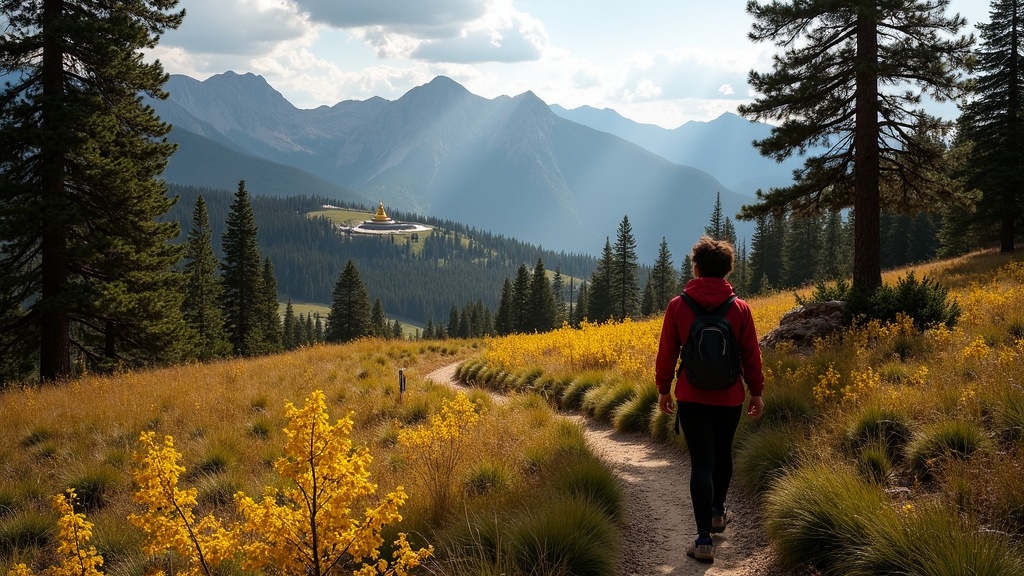
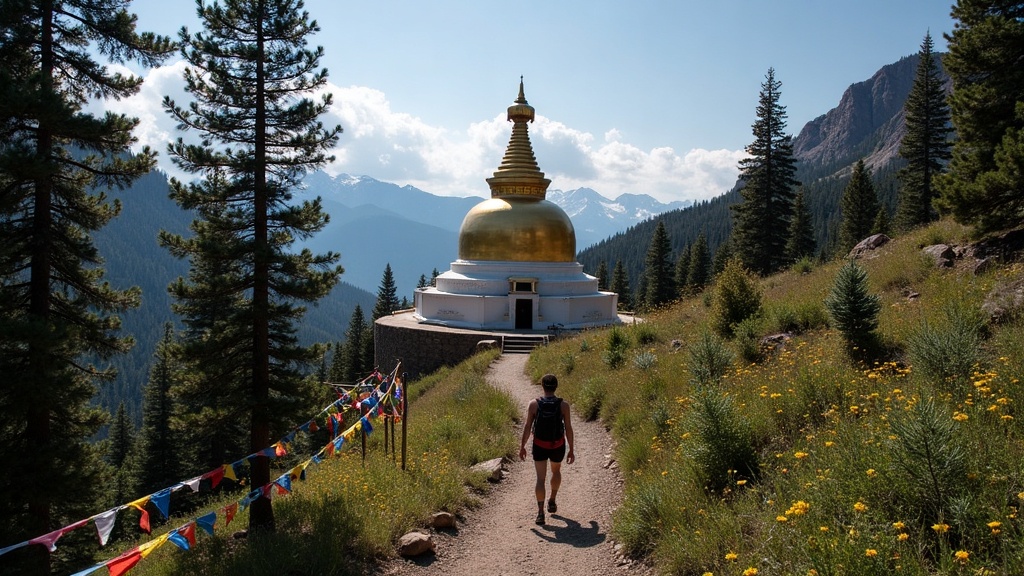
Day one, most people return to their rooms to unpack fully or nap off the altitude adjustment. By day four, the afternoon opens wide: some hike the trails that wind through the 600 acres, others visit the Great Stupa to circumambulate or sit inside beneath the central tree of life. Optional sessions are scattered through the afternoon—a 2:00 PM yoga nidra class, a 3:00 PM tea ceremony, nature walks led by resident teachers. The spa offers massage, bodywork, and private meditation instruction by appointment, booked separately and often filled days in advance.
Evening: Return and Integration
Dinner is at 6:00 PM, lighter than lunch—soups, grain bowls, salads. Evening program begins at 7:30 PM and runs until 9:00 PM. This is where the day gathers itself: a dharma talk, group reflection, guided meditation, or question-and-answer session with teachers. On some retreats, evenings include films, poetry readings, or performances tied to the Shambhala arts lineage.
By 9:30 PM, the center is quiet. Lights dim. The Milky Way is visible most nights, and if you walk outside after evening session, you can see why people come here—not just for the teachings, but for the spaciousness the landscape demands. Some retreats maintain noble silence after dinner; others allow socializing in designated areas. Either way, the rhythm winds down. Most people are in bed by 10:30 PM.
Variations and Rhythms
No two programs follow identical schedules. Family retreats include children's programming and shorter sitting periods. Dathün—month-long meditation retreats—strip the day to its essentials: sitting, walking, eating, sleeping, repeat. Weekend workshops frontload teaching and leave afternoons open. The longer you stay, the more the schedule becomes invisible. What feels rigid on day one becomes a container by day four—something that holds you while everything else falls away.