The History of Spirit Rock Meditation Center
The History of Spirit Rock Meditation Center
Origins and Founding Context
In the 1970s, a generation of American seekers returned from Asia with a radical idea: that the contemplative practices of Theravada Buddhism could be transplanted to the West, stripped of cultural accoutrements, and offered to anyone willing to sit still and observe the mind. These teachers had trained in monasteries in Thailand, Burma, and India, studying under masters like Mahasi Sayadaw and Ajahn Chah. By the mid-1980s, they had established the Insight Meditation Society in Massachusetts, but the West Coast still lacked a comparable home.
Spirit Rock Meditation Center emerged from this need. In 1987, Jack Kornfield, Sylvia Boorstein, James Baraz, and a small group of fellow teachers founded the center in Woodacre, California, in Marin County's golden hills. They envisioned a place devoted entirely to vipassana—insight meditation—where practitioners could undertake intensive retreats in the Theravada tradition without the monastic framework that had contained these practices in Asia.
The Founding Vision
The founders brought different gifts to the project. Kornfield, who had trained as a monk in Thailand under Ajahn Chah, combined scholarly depth with an accessible teaching style. Boorstein, who came to Buddhism through her study of Jewish mysticism, emphasized kindness and humor. Baraz brought organizational skill and warmth. Together, they created a center that held firmly to traditional practice while adapting presentation for Western students.
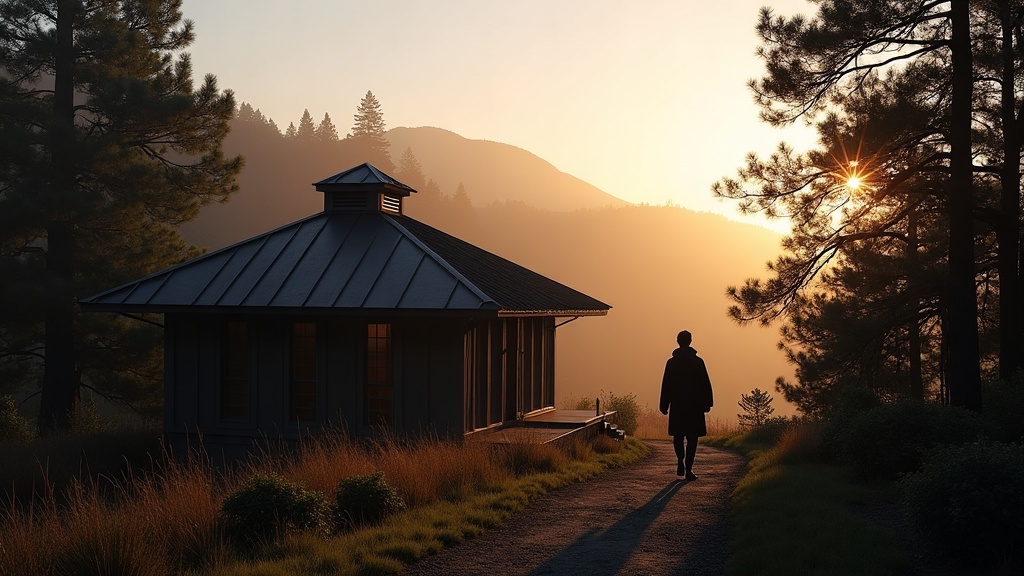
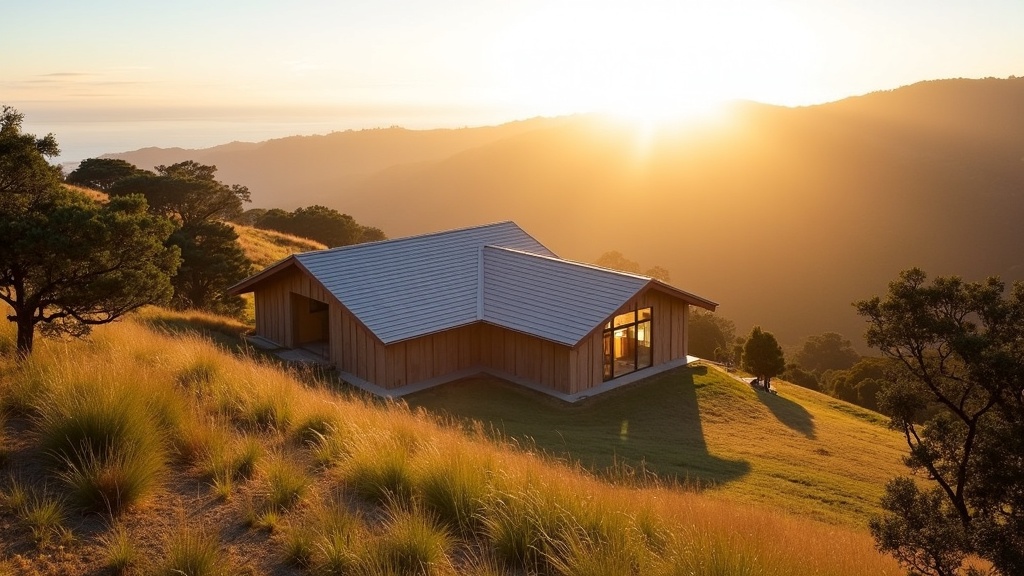
The meditation hall itself embodies this philosophy. Built low against the hillside, its roofline echoing the ridge behind it, it contains no statues, no incense, no decorative elements. Just redwood walls, cushions in rows, and western windows that fill the space with amber light in late afternoon. The architecture makes a statement: attention itself is sacred, without ornament.
Building the Practice
From the beginning, Spirit Rock structured itself around intensive silent retreats. These ranged from weekend courses to three-month residential programs following the traditional model: alternating periods of sitting and walking meditation from early morning, dharma talks in evening, meals taken in silence. The kitchen staff, working in a manner borrowed from Zen practice, treated food preparation as meditation—each carrot peeled with attention, each pot of rice tended.
The teacher roster expanded beyond the founders. Joseph Goldstein, Tara Brach, Phillip Moffitt, and others rotated through, but the format remained consistent. Practitioners walked the fire roads surrounding the center in afternoon hours, passing through oak and bay laurel groves, returning as coastal fog rolled over the western ridges.
Evolution and Expansion
Spirit Rock developed beyond retreat offerings into community education. The center established a two-year teacher training program, creating a systematic path for those called to teach. A community dharma leaders program followed, extending insight meditation practice into secular contexts—healthcare, social justice work, education.
This expansion reflected a broader question the center has navigated throughout its history: how to remain true to ancient contemplative traditions while responding to contemporary Western needs. Spirit Rock has consistently chosen adaptation over preservation, offering practices without requiring Buddhist identity, emphasizing experiential investigation over doctrinal belief.
Present Day
Today, Spirit Rock stands as one of American Buddhism's most influential centers. The meditation hall still looks out over the same golden hills. The schedule of retreats continues year-round. But the center's reach extends far beyond its physical location through online teachings, published books by its teachers, and graduates of its training programs who now teach worldwide.
The center operates as a non-profit, supported by retreat fees and donations, maintaining a sliding scale to ensure access regardless of financial means. Its teaching reflects increased attention to diversity and inclusion, acknowledging that early American Buddhist communities were predominantly white and middle-class.
Spirit Rock has weathered the challenges facing contemplative institutions in modern America—questions about teacher authority, appropriate student-teacher boundaries, and how ancient hierarchical traditions function in democratic contexts. The center continues to refine its understanding of these issues, holding transparency as a core value alongside its commitment to meditation practice.
In a culture of acceleration and distraction, Spirit Rock offers what it has always offered: cushions, silence, and the radical invitation to sit still and look directly at experience. The practice remains as simple and as difficult as it was in 1987.