The History of Plum Village
The History of Plum Village
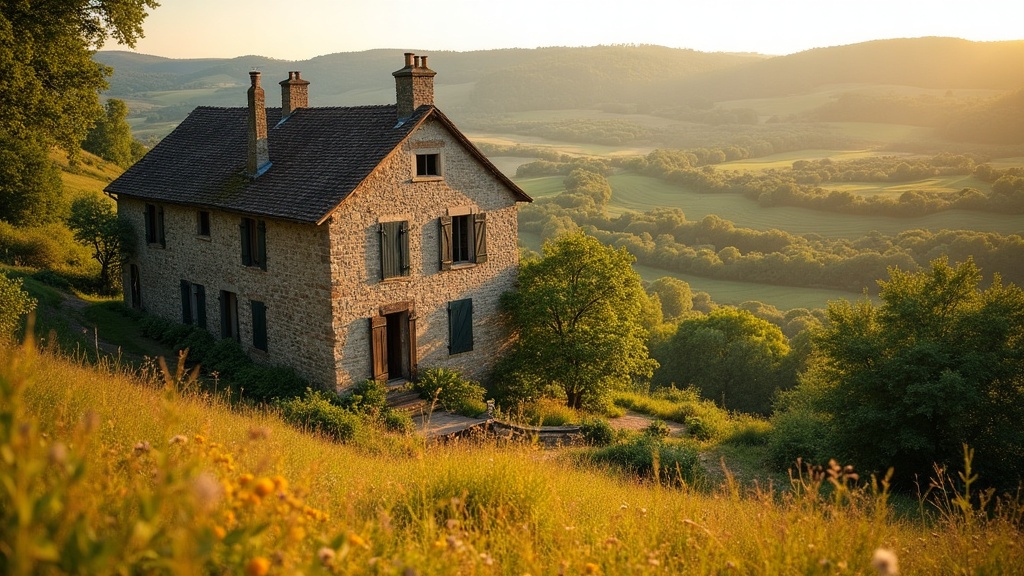
The bell sounds three times across the Dordogne countryside, and two hundred people stop mid-step on gravel paths, mid-sentence in the tea house, mid-breath on meditation cushions. In those fifteen seconds of collective stillness, the only sound is wind moving through plum orchards and the distant clack of wooden clogs on stone. This is Plum Village, the monastery Thích Nhất Hạnh and Sister Chân Không established in 1982 on farmland outside Thénac, transforming it into the largest Buddhist monastery in Europe and the heart of Engaged Buddhism in the West.
Origins in Exile
The story of Plum Village begins not in France but in Vietnam, where Thích Nhất Hạnh emerged as a young monk, poet, and peace activist during the war years. His refusal to take sides in the conflict—choosing instead to advocate for peace and aid suffering civilians—led to exile from his homeland in the 1960s. For years he moved between countries, teaching, writing, and searching for a way to make ancient Buddhist practices relevant to modern suffering.
When Thích Nhất Hạnh and Sister Chân Không acquired the farmland in southwestern France in 1982, they envisioned something both traditional and revolutionary: a place where the contemplative life could be accessible to laypeople, where meditation wasn't separate from washing dishes or harvesting vegetables, where mindfulness could be lived rather than merely studied. They named it for the fruit trees already growing on the land.
Building the Four Hamlets
From modest beginnings—a few buildings, a handful of practitioners—Plum Village grew organically across the surrounding countryside. What began as a single hamlet eventually expanded into four distinct residential areas: the Upper Hamlet, Lower Hamlet, New Hamlet, and what would later be added to accommodate the growing community. Each hamlet developed its own character while remaining connected by the shared practice and the forest paths that wind between them.
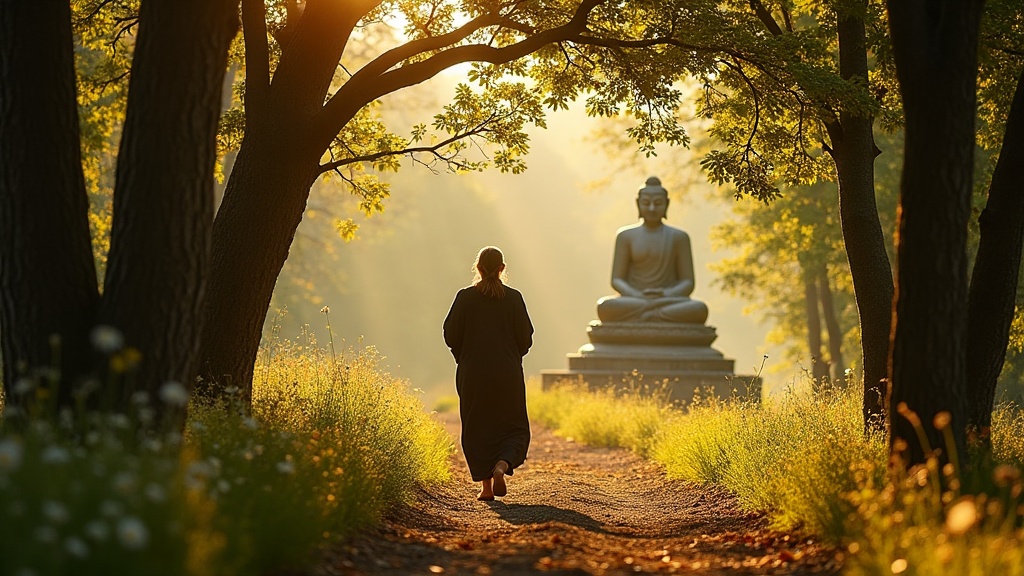
The expansion wasn't merely physical. As word spread of this place where one could live mindfully in community, thousands began arriving for retreats. Summer became a season of large gatherings, welcoming hundreds of participants from across Europe and eventually the world. Winter retreats offered deeper, longer immersions into practice. Throughout the year, the monastery maintained its rhythm—morning chanting, walking meditation, Dharma talks, work meditation, meals in noble silence.
The Practice of Engaged Buddhism
What distinguished Plum Village from the beginning was its embodiment of Engaged Buddhism, the tradition Thích Nhất Hạnh had articulated during the war: spiritual practice not as escape from the world but as preparation for compassionate action within it. The Fourteen Mindfulness Trainings taught here address contemporary issues—consumption, sexuality, anger, communication—translating Buddhist wisdom into guidance for modern life.
The teaching style itself broke with convention. Thích Nhất Hạnh—known affectionately as Thay, or teacher—presented Buddhism in accessible language, free of jargon, often through poetry and story. His books, written from Plum Village, reached millions worldwide. Sister Chân Không and other senior monastics developed programs specifically for families, for educators, for those in helping professions, recognizing that mindfulness practice could serve anyone, anywhere.
A Living Tradition Today
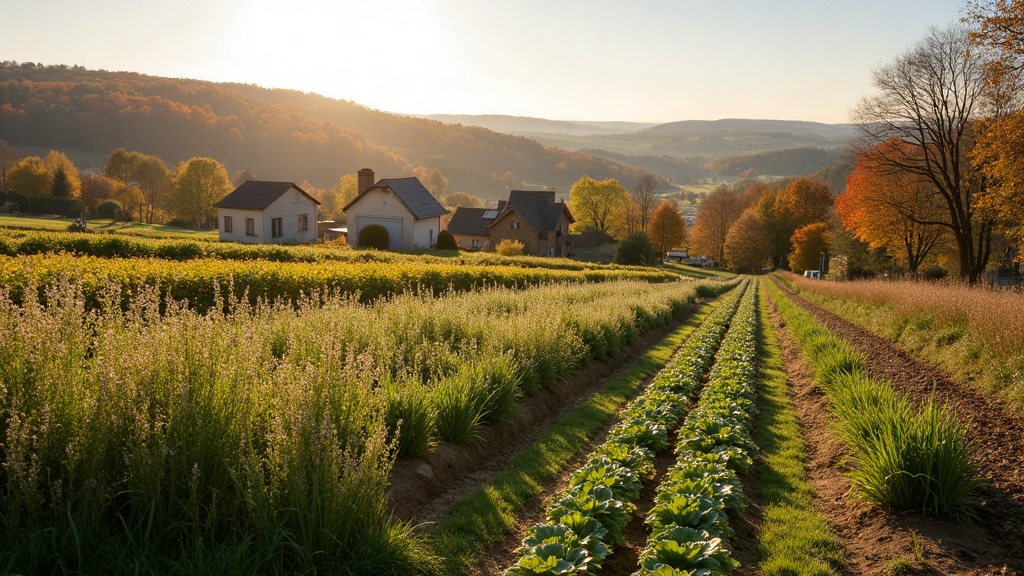
Plum Village today operates as both monastery and retreat center, home to a resident monastic community while welcoming thousands of visitors annually. Retreats follow the rhythms Thay laid down four decades ago: walking meditation through vineyards, Dharma talks in wooden halls, meals eaten in noble silence at long wooden tables, work meditation in gardens where vegetables grow for the community kitchen.
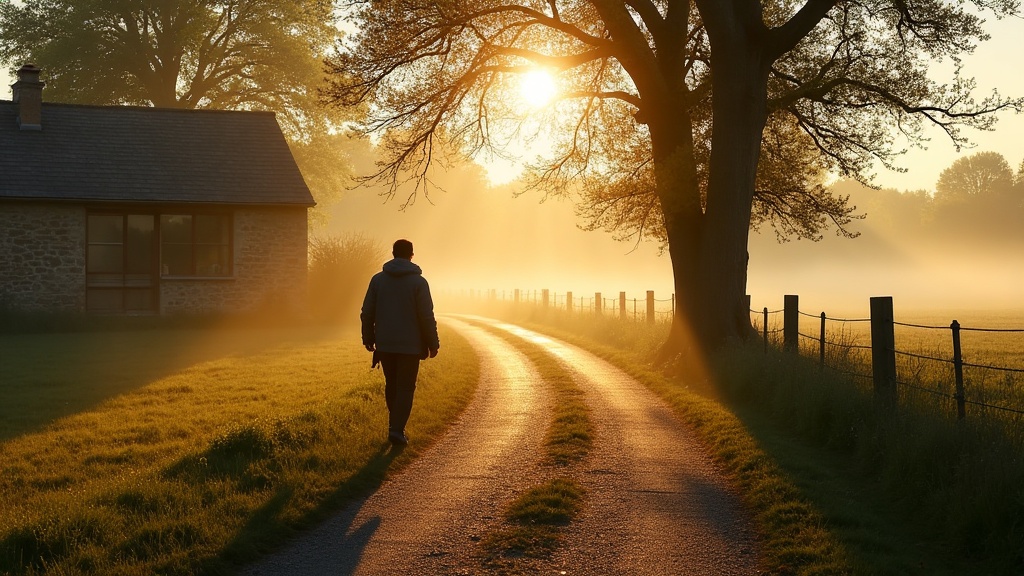
The practices remain deliberately simple and repetitive, designed to make awareness ordinary rather than exalted. Participants sleep in dormitories or hermitages scattered across the hamlets. The food is vegetarian, much of it grown on-site. The famous bell sounds throughout the day, inviting everyone to pause and breathe, whether they're monastics who've lived here for decades or first-time visitors still adjusting to the silence.
What makes Plum Village distinctive isn't mysticism or exotic ritual but rather this commitment to bringing mindfulness into the everyday. The path worn smooth by thousands of feet during walking meditation. The laughter during tea time, because joy is considered as essential as silence. The ordinariness of awakening, available to anyone willing to stop, breathe, and pay attention.
In the rolling hills of the Dordogne, among plum trees and grape vines, a farmstead continues its unlikely work—preserving ancient wisdom while making it utterly contemporary, offering refuge while preparing people to return more awakened to their lives beyond the gate.