Inside the Findhorn Foundation Daily Schedule
Inside the Findhorn Foundation Daily Schedule
The 7:00 a.m. bell catches you differently depending on which day it is. On day one, you're still adjusting to the Scottish light, fumbling with unfamiliar light switches in your caravan or guest room. By day four, your body anticipates it, already half-awake before the sound ripples through the community.
Morning Rhythm: 7:00–9:30 a.m.
Morning meditation begins at 7:30 in the sanctuary—a wood-paneled space that smells faintly of beeswax and decades of silence. Participants settle onto cushions or chairs for thirty minutes of sitting practice. There's no prescribed technique here; Findhorn's non-denominational approach means you might find yourself next to someone doing Vipassana while you're simply watching your breath. The facilitator rings a bell. Outside the windows, the North Sea light is still grey.
By 8:00, bodies shift from stillness to movement. The morning yoga session unfolds in the Universal Hall or one of the smaller studios, usually a gentle flow practice calibrated for mixed abilities. Some programs skip formal asana in favor of morning "attunement"—standing in a circle, holding hands, bringing intention to the day ahead. Either way, you're moving slowly, still emerging from sleep.
Breakfast is served at 9:00 in the Community Center dining room, buffet-style and largely organic. Steel-cut porridge with honey and seeds. Homemade sourdough bread. Fresh fruit, often Scottish berries in season. Coffee from the Foundation's own roastery. On day one, you're still figuring out where things are, overly polite with the serving spoons. By day four, you know which teapot has the good breakfast blend and you've staked out a preferred table by the windows overlooking the gardens.
Late Morning: 10:00 a.m.–12:30 p.m.
The program type determines what happens next. Experience Week participants head to group sessions focused on Findhorn's core practices—learning to "listen" to the garden, understanding the community's history of communication with what they call nature intelligences, exploring sustainable living systems. Workshops might be more specialized: permaculture design, sacred song, conflict transformation.
A typical morning session involves a mix of teaching, discussion, and experiential practice. You might spend an hour learning about Findhorn's founding story—those original three people growing forty-pound cabbages in sandy soil—then go outside to actually work in the gardens, hands in the earth, practicing "co-creation" as something concrete rather than conceptual. The facilitator asks you to attune to the plot before weeding. On day one, this feels awkward, possibly silly. By day four, you're noticing things: which plants seem to want space, where water pools, the particular slant of light.
Midday: 12:30–2:00 p.m.
Lunch is the main meal, served at 12:30. The kitchen works almost entirely with organic, local ingredients—root vegetables from the Findhorn garden, greens from area farms, grains and pulses prepared with minimal fuss and maximum flavor. A typical spread might include lentil and vegetable soup, fresh-baked bread, three or four salads, a grain dish, and something heartier—perhaps mushroom and ale pie or a chickpea curry. Dessert is often simple: fruit crumble, ginger cake. Everything is vegetarian; vegan options are abundant.
The meal itself is community practice. Many programs begin with a moment of gratitude or silence. Conversation at tables bridges the personal and philosophical—someone discussing composting systems next to someone processing a morning breakthrough about their relationship patterns.
Afternoon: 2:00–6:00 p.m.
Afternoon schedules vary widely. Some programs include optional sessions—additional workshops, one-on-one check-ins with facilitators, continuation of morning themes. Others leave the afternoon largely unstructured, trusting participants to find their own rhythm.
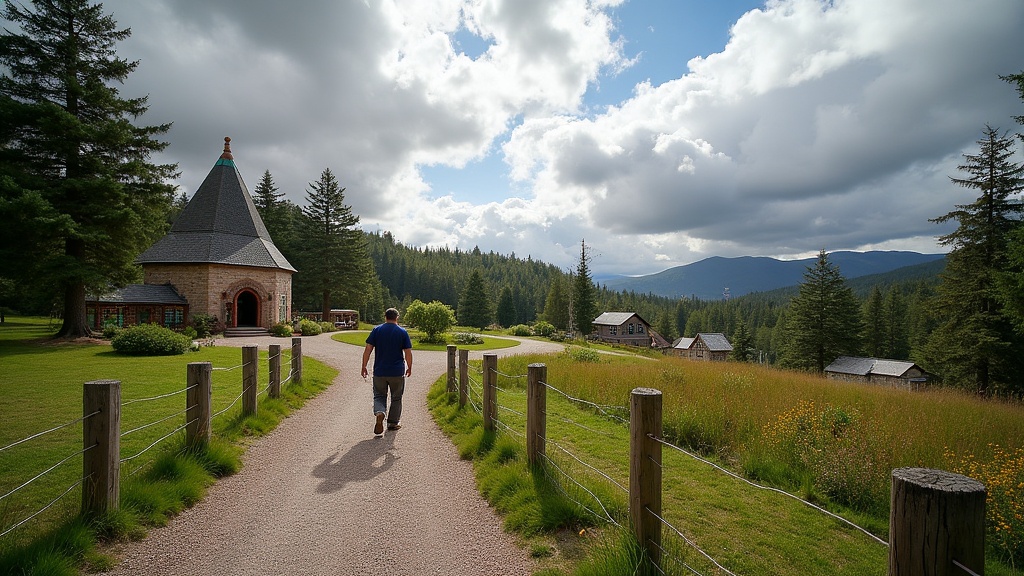
This is when people walk. The beach is ten minutes away, a vast stretch of sand where the Moray Firth's cold water meets the sky in shades of pewter and pearl. Others explore the community itself—the Original Garden where those legendary vegetables grew, the newer Phoenix Community Garden, the Nature Sanctuary with its marked meditation spots. Some book optional add-ons during these hours: massage sessions in the Wellbeing Studio, private spiritual direction, sound healing treatments.
By mid-week, afternoon patterns have emerged. You know whether you're someone who needs solitude after intensive group work or someone who seeks out the community tea room for continued connection.
Evening: 6:00–9:00 p.m.
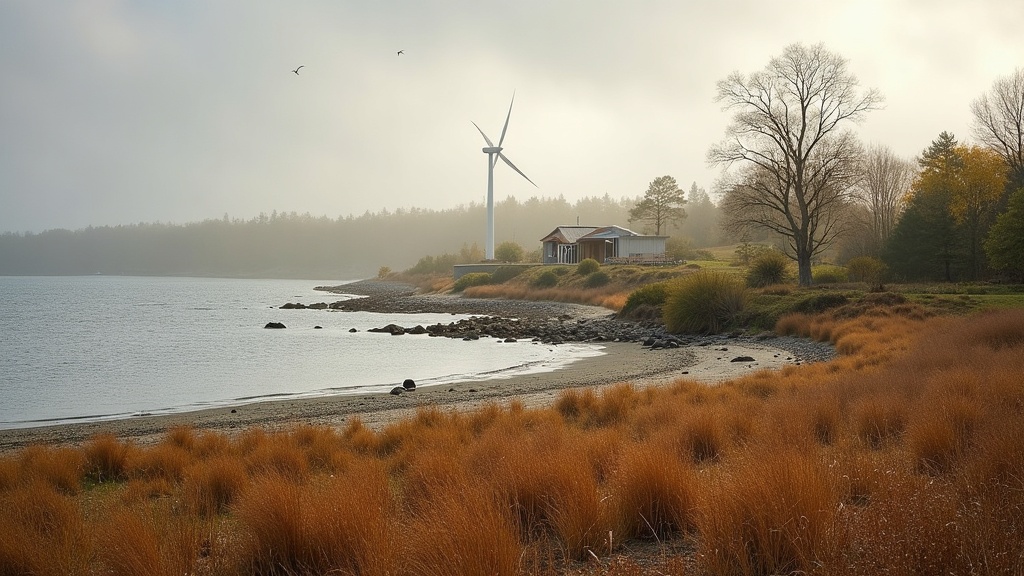
Dinner is lighter, served at 6:00 p.m.—soups, salads, bread, leftovers from lunch reimagined. Evening sessions typically run from 7:30 to 9:00, the tone shifting toward integration and reflection. Some programs include creative expression: sacred singing, freeform dance, art-making. Others focus on group sharing, processing the week's experiences, or presentations from community members about specific aspects of Findhorn life—the ecovillage's renewable energy systems, consensus decision-making, the history of spiritual practice here.
The day closes loosely. No formal lights-out, but the community quiets early. By 10:00 p.m., most windows are dark. That first night, you lie awake, overstimulated and adjusting. By the fourth night, you're asleep before you finish the thought, dreaming in rhythms that already feel familiar.