Best Time to Visit Esalen Institute: A Seasonal Guide
Winter: Introspection at the Edge
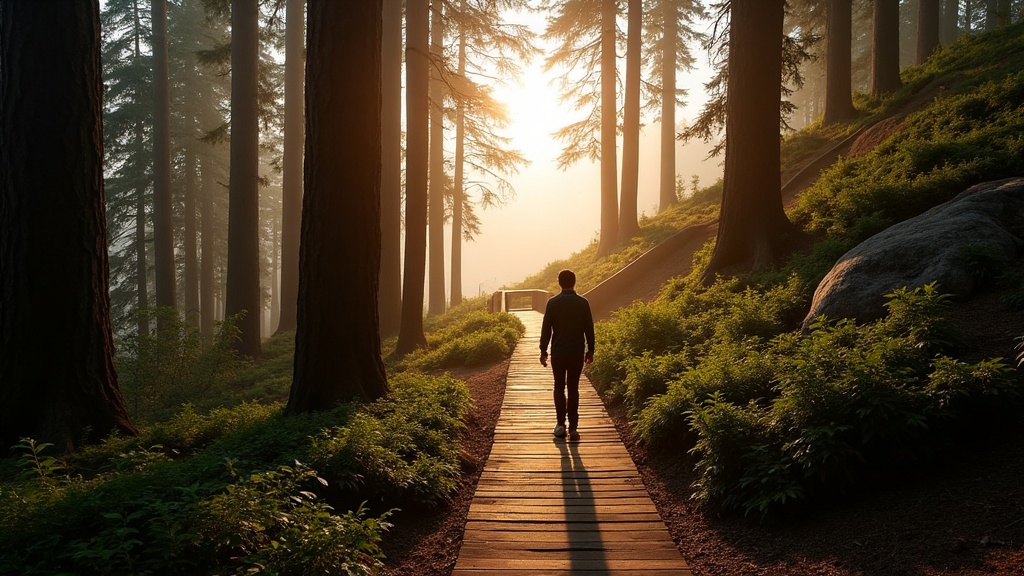
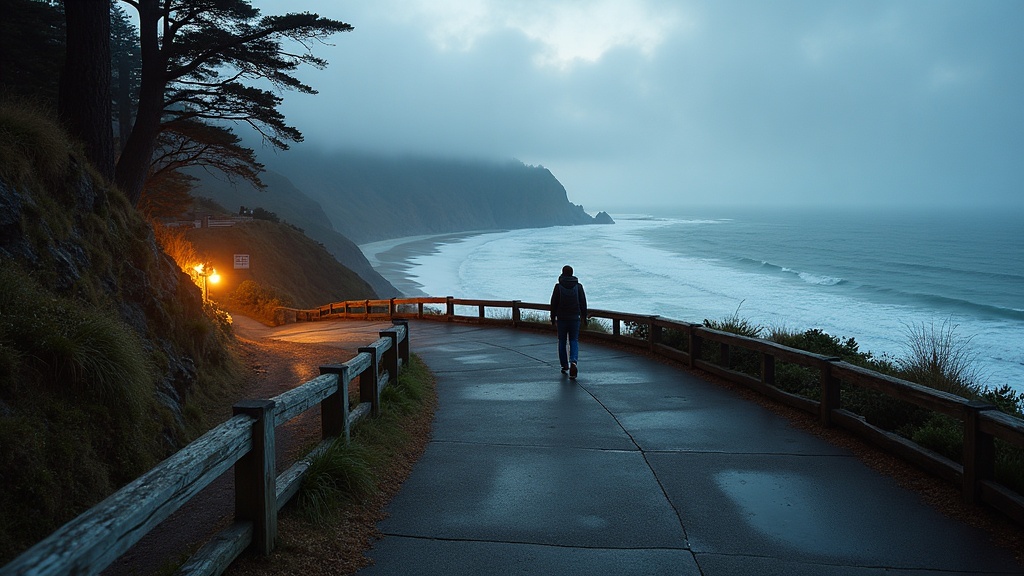
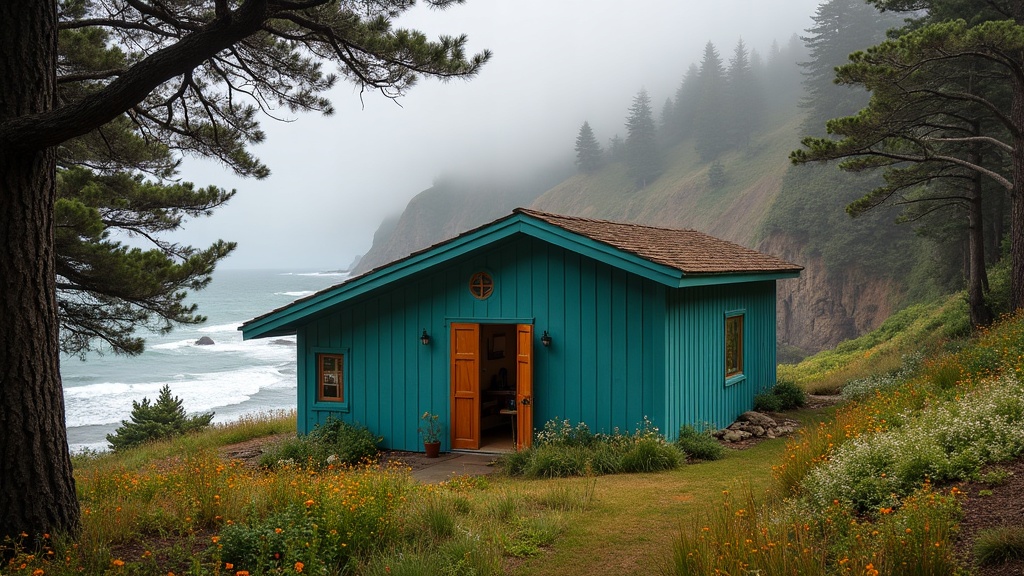
December through February draws those seeking depth over distraction. The winter programs at Esalen tend toward longer formats—five-day residential workshops that allow for sustained immersion in somatics, relational work, or contemplative practice. The setting matches the pace. Rain arrives in systems off the Pacific, sometimes lasting days, turning the coastal chaparral dark green and sending waterfalls down the canyon walls. The hot baths become essential rather than optional, steam mixing with ocean spray as fog banks roll over the water. Winter mornings are quiet; you might have the cliffside paths entirely to yourself before breakfast.
This season suits those comfortable with introspection and inclement weather. The lodge fireplaces stay lit. Fewer visitors mean deeper cohesion within workshop groups—strangers become intimate faster when the world contracts. But winter at Esalen requires a certain constitution. The access road can close during storms. Programs occasionally relocate indoors. If you need sunshine for your nervous system, wait for another season. If grey skies and dramatic weather feel nourishing, winter offers Esalen at its most elemental.
Spring: Renewal in Bloom
March through May brings what many staff members quietly consider the best weather of the year. Wildflowers—lupine, California poppy, Indian paintbrush—cover the coastal slopes. Whales migrate north past the property, visible from the lunch deck. The programs diversify as the season progresses: art workshops appear alongside the perennial offerings in bodywork and psychology. Weekend formats become more common, making Esalen newly accessible to those who can't take extended time away.
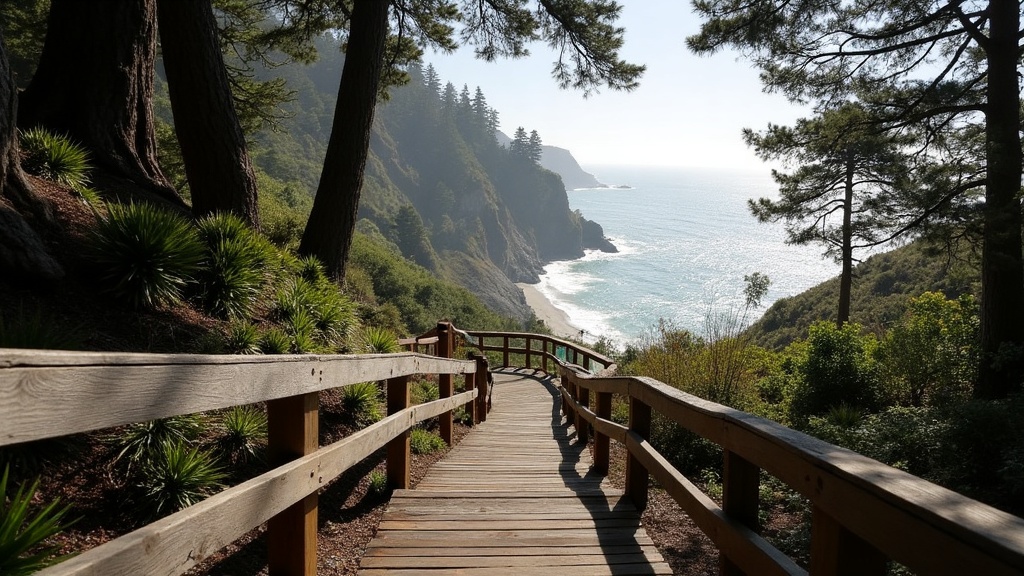
The setting feels generous in spring. Morning fog typically burns off by noon, leaving warm afternoons perfect for the ocean-view massage tables or reading in the garden hammocks. The coastal trail opens fully, connecting hidden beaches and meditation spots along the cliffs. Spring attracts a broader demographic—first-timers testing the waters alongside longtime returners, younger participants mixing with elders. The energy is curious rather than solemn. If you're unsure whether Esalen suits you, spring offers the softest entry point: beautiful weather, varied programming, and a social atmosphere that balances openness with the depth work the institute is known for.
Summer: Community at Capacity
June through August represents peak season in every sense. The calendar fills with famous teachers and specialized intensive programs—multi-week trainings in Gestalt practice certificate programs, movement-based work. Families arrive for the limited programs that accommodate children. The population swells; waitlists form months in advance for popular offerings. Coastal fog burns off reliably by mid-morning, and temperatures remain moderate even when inland California bakes. This is Esalen as summer camp for adults seeking transformation.
The experience changes with numbers. The baths become social spaces—conversations spark easily between strangers. Meals feel more like festivals than intimate gatherings. For extroverts and those who thrive in group energy, summer offers unmatched vitality. You'll meet people from everywhere: Europe, Asia, South America, all drawn to Big Sur during vacation months. But solitude becomes scarce. The single-occupancy rooms book first. If you're sensitive to crowds or seeking quiet for difficult personal work, summer's abundance may overwhelm. The trade-off is access to teachers and programs unavailable other times of year.
Fall: Depth Returns
September through November brings a perceptible shift. After Labor Day, families depart and the programming returns to adult themes—trauma resolution, shadow work, advanced somatic practices. The crowds thin but don't disappear entirely. Indian summer often extends through October, delivering the warmest ocean water and clearest skies of the year. By November, early rains return, and the cycle begins again.
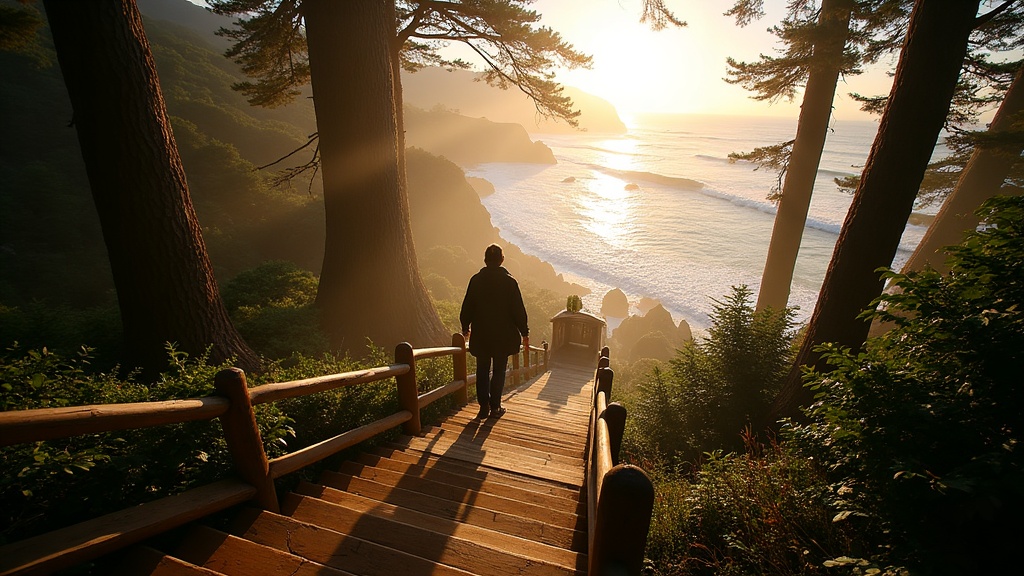
Fall attracts serious practitioners—people returning for their third or seventh or twentieth time, those doing sequential work with particular teachers. The atmosphere grows more focused. Workshop groups tend smaller, creating space for nuanced exploration of difficult material. The setting itself transitions: hillsides turn gold, morning light slants differently through the lodge windows, whales begin their southern migration. If you're ready to sit with what's difficult, as Esalen's founding ethos suggests, fall provides the container without winter's weather severity or summer's carnival energy.
Choosing Your Window
The shoulder seasons—April through early June, and September through October—represent the sweet spot for most first-time visitors. Weather cooperates, programs diversify, and the population remains manageable enough to access Esalen's contemplative dimension while still experiencing its communal energy. These windows offer what the place does best: holding space for transformation while perched at the continent's edge, where the certainties of land meet the uncertainty of ocean.