Best Time to Visit The Bhakti Center: A Seasonal Guide
Best Time to Visit The Bhakti Center: A Seasonal Guide
The basement sanctuary on First Avenue maintains its devotional rhythm year-round, but the experience of descending those stairs shifts with Manhattan's seasons. The harmonium drones and kartal rings remain constant, yet the energy of the room, the composition of the sangha, and even the way the chants settle into your body change depending on when you arrive.
Winter: Refuge from the City's Rush
December through February finds The Bhakti Center functioning as something of a spiritual refuge. When the wind cuts down First Avenue and the city contracts into itself, the basement space takes on an almost womb-like quality. The warmth isn't just from the heating system—it's the cumulative effect of bodies packed a bit closer together, the exertion of sustained chanting, and the communal desire for something sustaining during the city's hardest months.
Winter programming tends to be robust and well-attended. The three-times-weekly evening kirtans draw committed regulars who've woven these sessions into their routine, along with newcomers seeking respite from seasonal affective disorder or simply the relentlessness of urban winter. Workshops and classes scheduled during these months often explore deeper philosophical content—the longer darkness lending itself to more contemplative inquiry.
This season suits those comfortable with crowds and those seeking the anonymity that comes with numbers. If you're an introvert or easily overwhelmed, the packed winter sessions might feel claustrophobic. But if you draw energy from collective devotion, winter offers kirtan at its most communally intense. Dress in layers; you'll arrive in a parka and spend the evening in a t-shirt.
Spring: Opening and Expansion
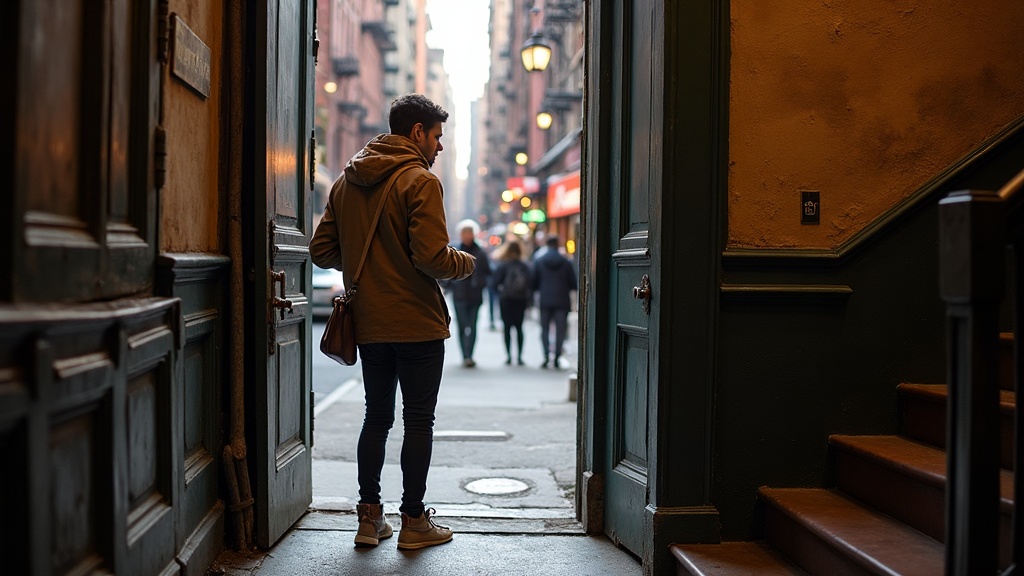
March through May brings a palpable shift in energy. As light returns to the city and parks become usable again, the Center's programming expands outward. Special events increase, workshops multiply, and there's often a celebratory quality to the gatherings. Spring is when many people first discover The Bhakti Center, walking through the door on impulse after spotting the sign during an East Village stroll.
The atmosphere during these months feels less insular than winter. Windows open (or at least the awareness that they could), and the boundary between street life and devotional life becomes more permeable. Spring kirtan has a buoyancy to it—voices seem to lift more easily, the call-and-response quickens, and the post-chant conversations linger.
This season suits explorers and beginners. The welcoming energy of spring, combined with moderate attendance levels, creates space for questions and connection. The weather is cooperative—you won't arrive drenched in rain or sweat—and the city's general mood of renewal matches the devotional focus on transformation and growth.
Summer: The Intimate Season
June through August presents the most interesting paradox. While Manhattan tourism peaks and the streets above teem with activity, The Bhakti Center experiences its quietest season. Many regulars leave the city, traveling or retreating to cooler climates. Those who remain discover a more intimate version of the practice.
Summer sessions are smaller, which creates both challenges and gifts. The call-and-response has less sonic power—fewer voices to carry the chant—but more individual clarity. You'll hear your own voice more distinctly, and the relationships formed tend to be closer. Workshop instructors adapt to smaller groups, and conversations after kirtan stretch longer. The heat is real; the basement retains warmth, and by mid-August, the space has its own tropical humidity.
This season suits confident practitioners comfortable with exposure, those who've been before and want a less anonymous experience, and anyone who finds intimacy more conducive to practice than intensity. It's also ideal for those whose schedules only permit summer visits—the Center remains active and welcoming, just less crowded.
Fall: The Golden Season
September through November brings what many longtime practitioners consider the sweet spot. The city returns to itself after summer's dispersal, and The Bhakti Center gradually refills with both returning regulars and the influx of newcomers that fall always brings. There's a Goldilocks quality to autumn attendance—not too empty, not too packed.
Programming during these months is particularly rich. New workshop series launch with the academic calendar, visiting teachers pass through, and special events cluster around major festivals. The atmosphere balances summer's intimacy with winter's collective power. You can still find breathing room while experiencing the full force of group chanting.
Fall is also when the city's climate proves most cooperative—mild temperatures make the commute pleasant and the basement comfortable without the extremes of winter heating or summer swelter.
Choosing Your Window
For first-timers uncertain about committing to a practice, the shoulder seasons of spring and fall offer the most accessible entry points. You'll experience robust programming without winter's intensity, and moderate crowds that allow both participation and observation. These months let you gauge whether this practice calls to you without requiring you to brave extremes of weather or attendance.
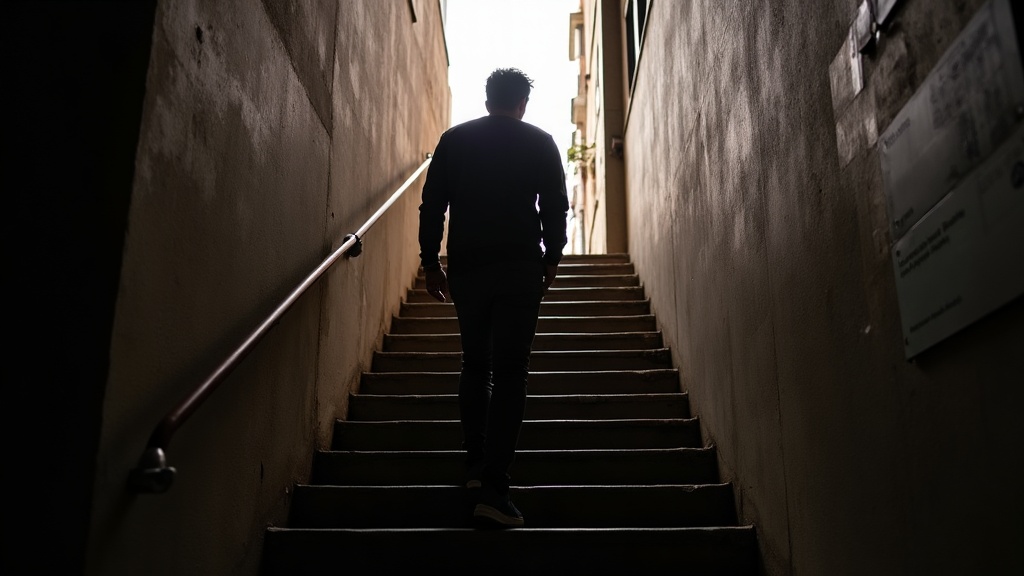
That said, every season offers something authentic. The Bhakti Center's greatest strength is its consistency—the practice remains available regardless of when you descend those stairs. Choose your season based on what you need: refuge, exploration, intimacy, or balance. The kirtan will be waiting.