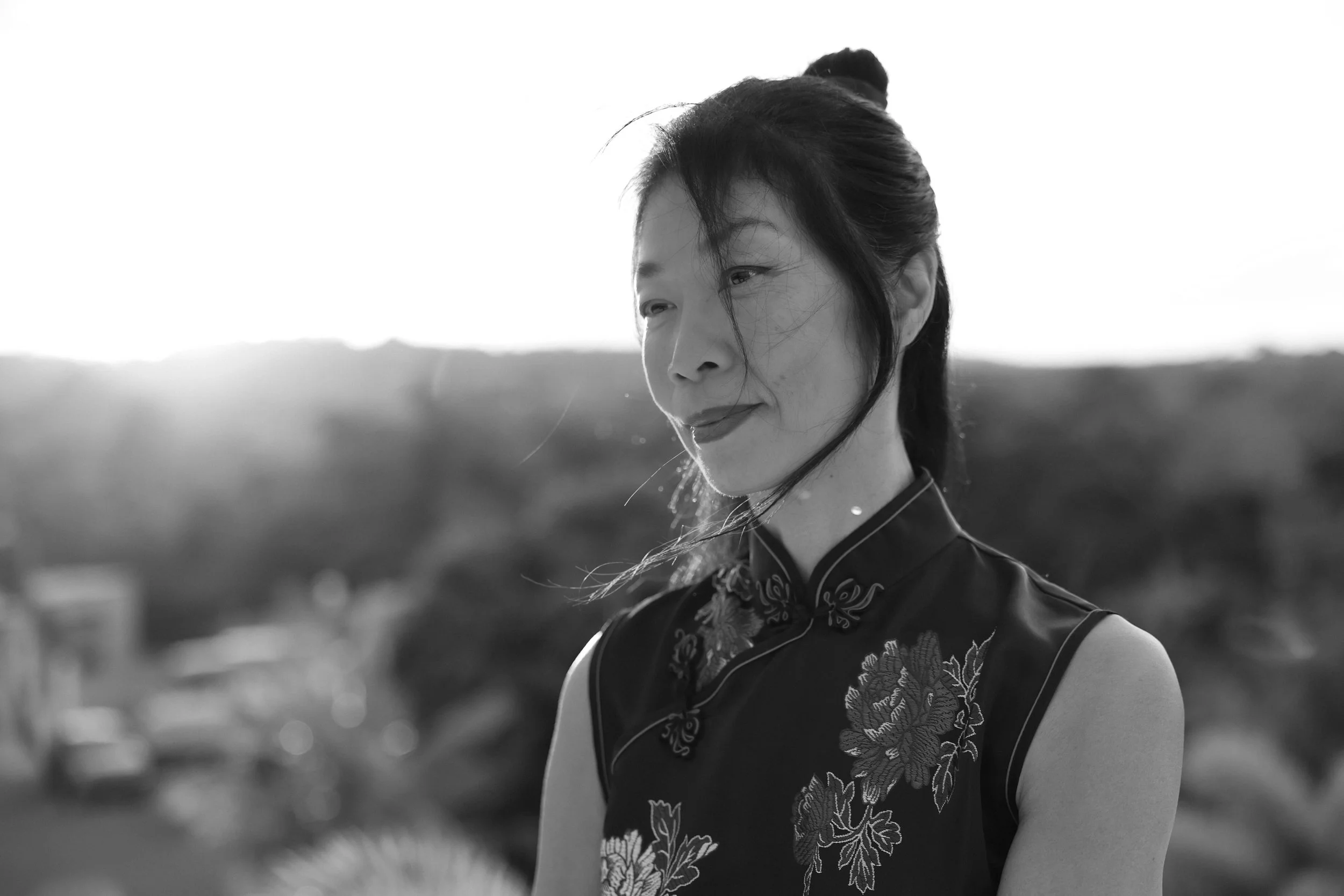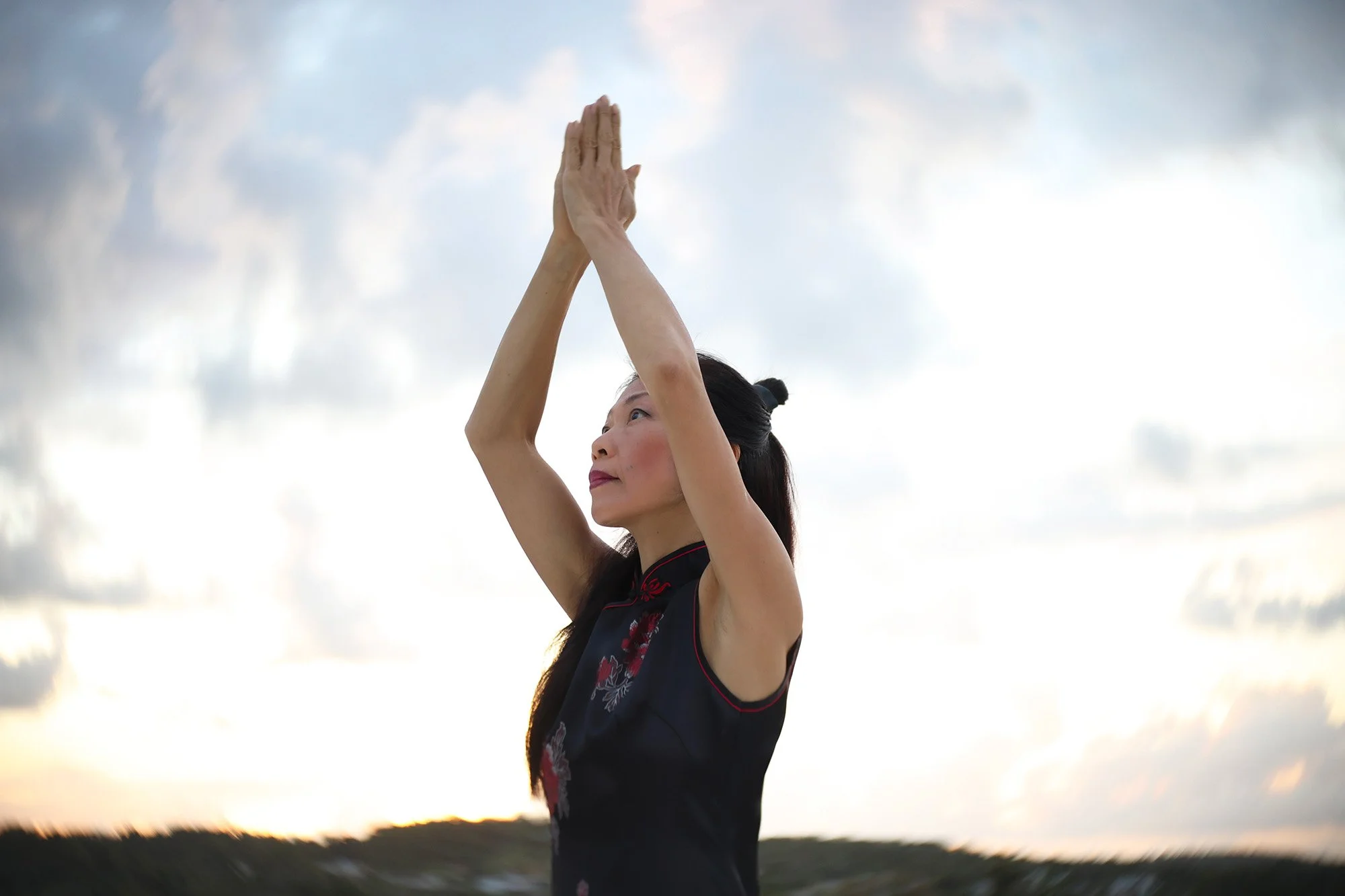

A Bridge Between Ancient Wisdom and Modern Life
Daisy Lee has spent her career translating the centuries-old practice of Qigong into a language that speaks to contemporary seekers. As a teacher, author, and workshop leader, she has built her work around a singular conviction: that the traditional Chinese disciplines of energy cultivation, breathwork, and mindful movement hold profound relevance for modern struggles with stress, disconnection, and physical vitality. In a wellness landscape often characterized by fleeting trends, Lee stands out for her commitment to lineage, depth, and accessibility.
Roots in Holistic Practice
Lee's path into Qigong wasn't a later-life conversion but rather an organic extension of her upbringing. Born into a family that valued holistic health and spirituality, she grew up immersed in the principles of traditional Chinese medicine and various contemplative practices. This wasn't abstract philosophy in her household—it was the framework through which health, relationship, and daily life were understood.
Her earliest encounters with Qigong came through community wellness events, where she watched practitioners move through forms that appeared deceptively simple yet seemed to create palpable shifts in energy and presence. These childhood impressions planted seeds that would determine the course of her life. Rather than relegating these experiences to nostalgic memory, Lee pursued them with growing seriousness, seeking out local masters and gradually building the foundation of what would become both a personal practice and a professional calling.
The Making of a Teacher
Lee's transition from practitioner to teacher came after completing formal training under renowned Qigong masters. This period of study wasn't merely technical—it involved the kind of deep apprenticeship that traditional Chinese practices demand, where understanding emerges not just from instruction but from sustained practice, observation, and the transmission of subtle principles that resist codification.
What emerged from this training was a teaching approach that honors tradition while speaking to contemporary needs. Lee has become known for her ability to make ancient techniques accessible without diluting their essence. Her method bridges the gap between the specific cultural context in which Qigong developed and the universal human experiences of stress, physical tension, and the search for inner calm.
Teaching That Travels
Lee's core contribution has been developing a pedagogical framework that allows Qigong to travel—across cultures, languages, and contexts. Her workshops and retreats focus on practical applications: cultivating inner peace, enhancing physical vitality, and developing a felt sense of the connections between mind, body, and spirit that traditional Chinese medicine has long articulated.
She has created instructional materials including books and online courses that extend her reach far beyond those who can attend her in-person sessions. This body of work addresses a fundamental challenge in spiritual and wellness teaching: how to preserve the transformative potential of a practice when it moves from direct transmission to recorded media. Lee's materials suggest she's found at least a partial answer, building a global audience of practitioners who engage with Qigong through her particular lens.
Her teaching calendar reflects the demand for her work. She has become a sought-after instructor at spiritual and wellness events internationally, bringing Qigong to venues where contemplative practices intersect with broader cultural conversations about health, consciousness, and sustainable living.
A Practice Rooted in Lineage
Lee's teaching philosophy draws heavily on her studies with multiple esteemed masters, both traditional and contemporary. This diversity of influence has given her work a particular quality—she's not simply replicating a single teaching style but synthesizing insights from various streams of Qigong practice. Her approach integrates traditional Chinese medicine principles, meditation techniques, and an understanding of how energy moves through the body that reflects years of both study and personal practice.
Her knowledge extends beyond Qigong itself to encompass related disciplines including yoga, Vedanta philosophy, and broader contemplative traditions. This integrative perspective allows her to speak to students coming from various backgrounds and to position Qigong within a larger landscape of practices aimed at human flourishing.
Who She Reaches and Why It Matters
Lee's audience tends to be people seeking substance in their wellness practices—those who have perhaps cycled through more superficial offerings and are looking for something with deeper roots. Her work appeals to practitioners interested in traditional Chinese medicine, to meditation students looking to incorporate movement, and to anyone drawn to the idea that physical health and spiritual development are fundamentally inseparable.
In a cultural moment marked by increasing interest in somatic practices and Eastern contemplative traditions, Lee serves as a bridge figure. She offers entry points into Qigong that don't require specialized knowledge while maintaining the integrity of the practice's traditional dimensions. This balancing act—making practices accessible while preserving their depth—may be her most significant contribution.
Her work matters because it represents a particular approach to cultural transmission: respectful of lineage, responsive to contemporary needs, and committed to the idea that ancient practices have ongoing relevance. As Qigong continues to find audiences in the West, teachers like Lee play a crucial role in shaping how these traditions are understood, practiced, and preserved for future generations.