Your First Visit to Parmarth Niketan: What to Expect
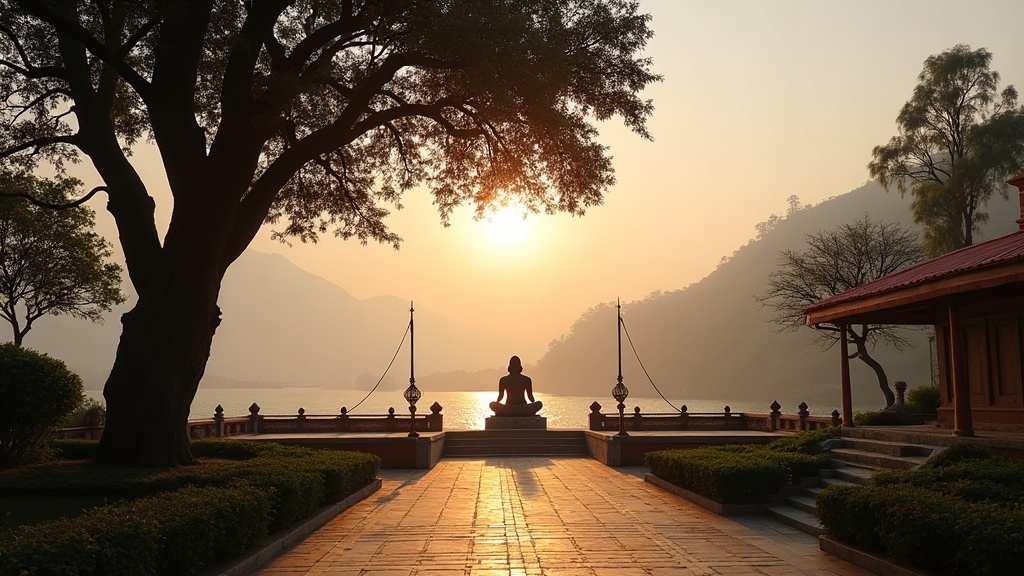
Arriving at the Ashram
Your first glimpse of Parmarth Niketan will likely come as you wind through the narrow lanes of Swargashram, past smaller ashrams and chai stalls, until you reach the gates of what is, rather unexpectedly, the largest ashram in Rishikesh. The sprawling complex of over 1,000 rooms can feel overwhelming initially—this is not a boutique retreat center. Check-in happens at the main office, where you'll typically be asked to show your booking confirmation and provide identification. The staff are accustomed to nervous first-timers and will walk you through the basics: meal times, the evening Ganga Aarti schedule, and any programs you've registered for.
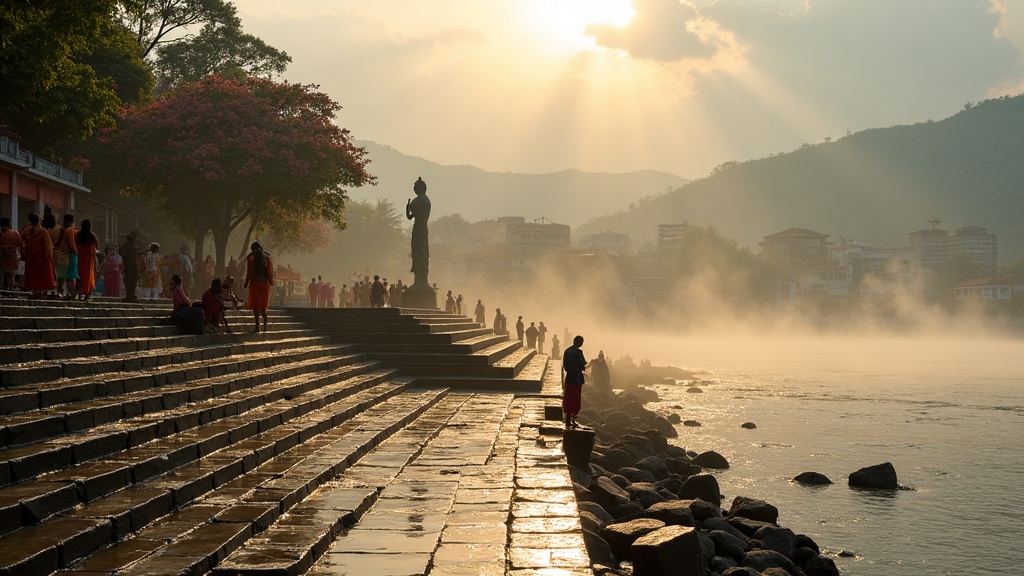
Don't expect a sleek hotel experience. The administrative process can feel a bit informal, sometimes requiring patience if you arrive during busy pilgrimage seasons. You might be asked to wait while someone locates your room assignment or clarifies your program details. Bring a photocopy of your passport if you're an international visitor—it smooths things along. Once checked in, someone will usually help you navigate the grounds to your accommodation, which is essential given the ashram's maze-like layout of pathways winding through gardens, past the towering Shiva statue, and around the sacred Kalpavriksha tree.
The Rhythm of Days
Life at Parmarth Niketan follows an ancient pattern that your body might resist for the first day or two. Wake-up is early—typically around 5:00 or 5:30 AM—often announced by bells or the morning azan from nearby mosques drifting across the Ganges. Morning meditation and yoga sessions usually begin by 6:00 AM, held in various locations depending on the season and your specific program. These aren't optional in the punishing way a fitness bootcamp might be, but there's a gentle expectation of participation.
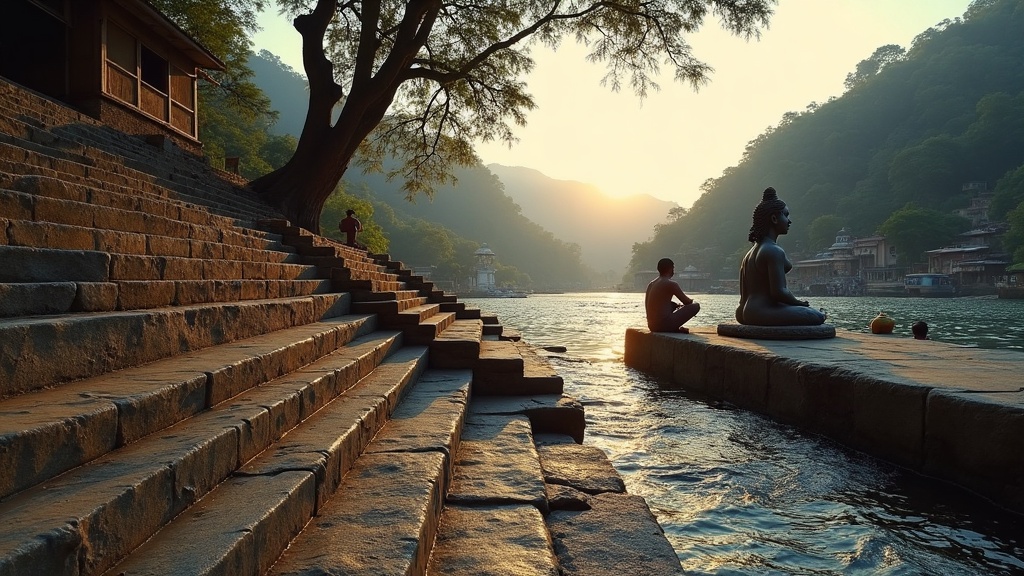
Breakfast follows around 8:00 or 8:30 AM, then the day opens up considerably. Unlike more structured retreat centers, Parmarth Niketan offers substantial free time. You might attend workshops on Vedic chanting or Advaita Vedanta philosophy, engage in karma yoga (service work) around the ashram, explore the gardens, or simply sit by the Ganges. This unstructured time surprises many first-timers who expect every hour to be programmed. The ashram trusts you to design your own spiritual practice.
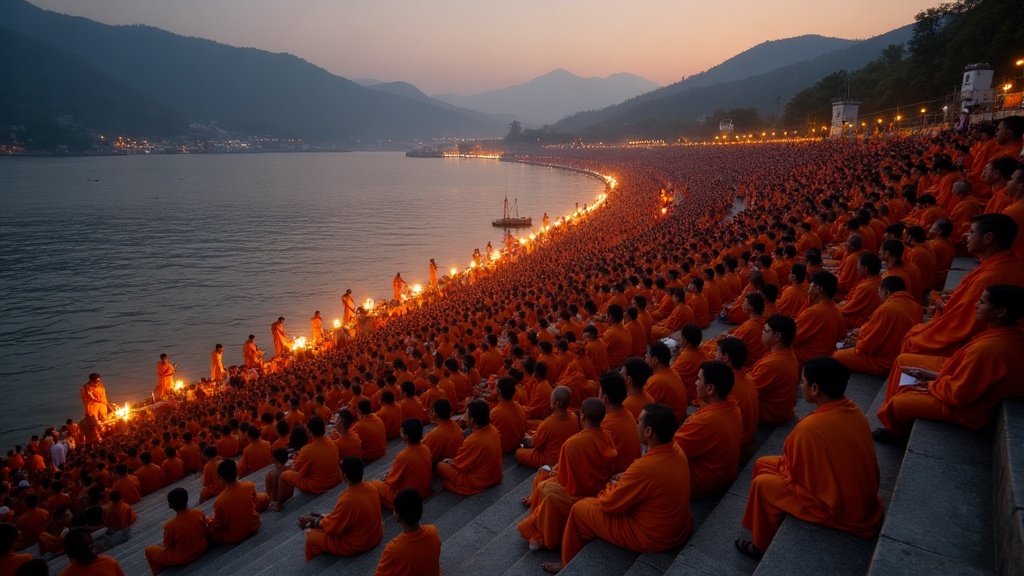
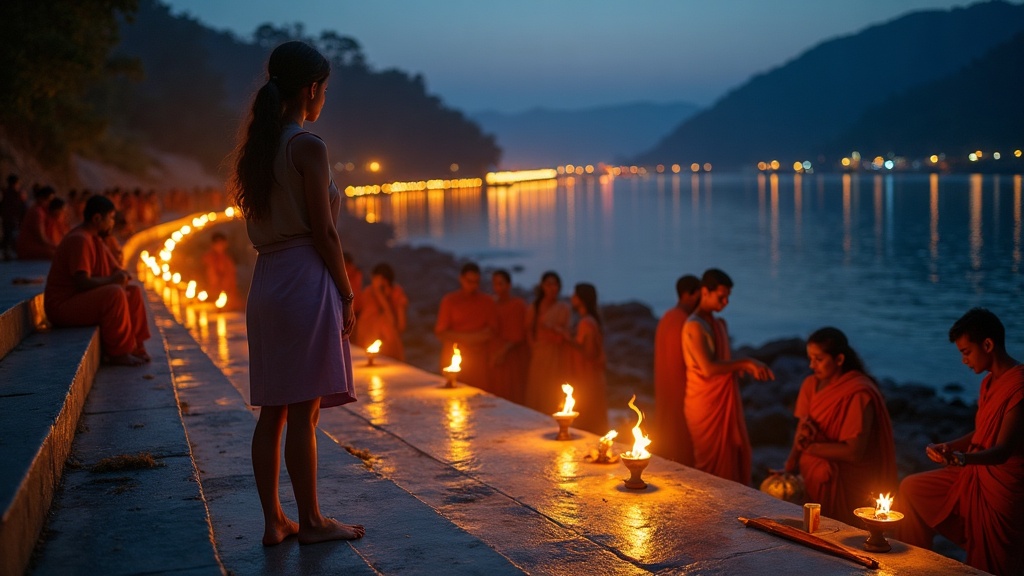
Lunch arrives around noon, followed by more free time or optional programs in the afternoon. Evenings build toward the famous Ganga Aarti at sunset—a devotional ceremony held on the ashram's ghat where hundreds gather to sing, wave oil lamps, and watch the river reflect the Himalayan alpenglow. This is truly the heartbeat of each day. Dinner is served after aarti, around 7:30 PM, and the ashram quiets down by 9:00 or 10:00 PM.
Your Room: Setting Expectations
Let's be honest: Parmarth Niketan's accommodations are functional, not luxurious. The ashram has grown organically since 1942, and rooms vary wildly depending on which building you're assigned. Some are simple cement-walled cells with a bed, a small table, and an attached bathroom. Others are slightly more comfortable with better ventilation and views of the gardens. None could be described as spa-like.
The bathrooms will likely be your biggest adjustment. Most have squat toilets (though some rooms have Western-style), and hot water availability can be sporadic, dependent on the time of day and which building you're in. Water pressure is gentle at best. Bedding is provided but tends toward thin mattresses and basic sheets. In winter months (November through February), rooms can be quite cold—there's no central heating, and you'll rely on blankets and whatever space heater might be available.
The compensation for these Spartan conditions is what lies beyond your window: gardens abundant with flowering trees, pathways where peacocks strut, and if you're fortunate, a view toward the Ganges and the green mountains rising beyond it.
Food: Simple and Sattvic
Meals at Parmarth Niketan are strictly vegetarian (no eggs, no alcohol) and follow sattvic principles—food meant to cultivate clarity and calmness. The dining hall serves simple North Indian fare: dal, rice, roti, sabzi (cooked vegetables), and seasonal fruits. Portions are generous, and the food is clean, if not particularly adventurous.
For Western visitors accustomed to varied cuisines, the meals can become repetitive. Breakfast is often poha, upma, or parathas with chai. You won't find elaborate buffets or international options. The food serves a purpose beyond pleasure—it's fuel for practice, designed not to overstimulate the senses. That said, it's wholesome and filling, and many people find themselves adjusting to appreciate its simplicity after a few days.
What to Pack (and What to Leave Behind)
Bring modest, comfortable clothing that covers shoulders and knees—this is non-negotiable for temple spaces and programs. Layers are essential given the dramatic temperature swings between day and night, especially near the river. A good water bottle, a flashlight or headlamp for navigating dark pathways, and any personal medications are crucial. A shawl serves double duty for warmth and covering up during meditation.
What not to bring: expensive jewelry, excessive electronics, or expectations of constant WiFi connectivity. While internet access exists, it's unreliable. Also leave behind rigid schedules and the need for constant stimulation. The ashram's power lies partially in its slower pace, which can feel excruciatingly boring until it starts feeling liberating.
Unspoken Rules and Real Talk
Silence isn't enforced in designated quiet zones the way it might be at Vipassana centers, but there's an ambient expectation of quietness, especially in early mornings, during meditation spaces, and after evening programs. Mobile phones should be silenced and used minimally in public areas—scrolling through Instagram during aarti will earn you disapproving looks.
You're free to leave programs if they don't resonate, but do so discreetly and respectfully. The ashram welcomes seekers of all backgrounds—its foundational principle is inclusivity—so you'll encounter Hindu devotees alongside curious Buddhists, Christians, and spiritual-but-not-religious travelers.
The most common surprise for first-timers? The sheer number of people. During peak seasons and festivals, Parmarth Niketan can feel crowded, even chaotic, which contrasts sharply with fantasies of solitary contemplation by a pristine river. The Ganges itself may not match your imagination—depending on the season, it might be murky, and the ghats are shared with laundry-washing, bathing, and morning rituals.
But somewhere in the middle of your stay, often unexpectedly, something shifts. The bells become beautiful rather than jarring. The simple meals taste exactly right. The evening aarti stops feeling like a performance and starts feeling like coming home.