Best Time to Visit Mii amo: A Seasonal Guide
Best Time to Visit Mii amo: A Seasonal Guide
Winter: Quiet Contemplation Among the Red Rocks
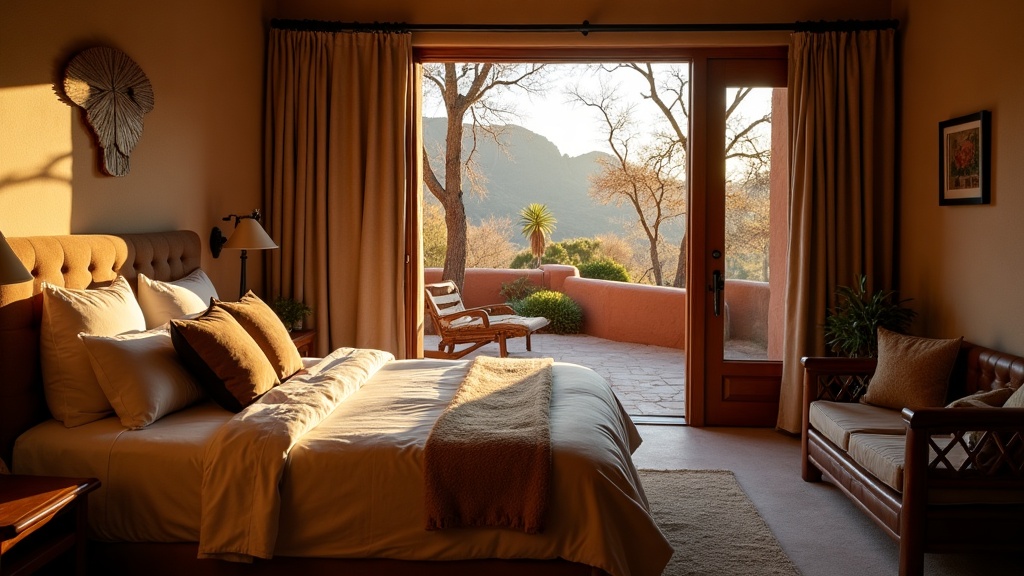
December through February brings a particular stillness to Boynton Canyon that feels almost sacred. The 23 casitas at Mii amo take on a cozy intimacy during these months, when temperatures hover between the mid-40s and high-50s during the day, occasionally dipping below freezing at night. The red rock formations wear a dusting of snow on their peaks, creating a stunning contrast against the deep blue Arizona sky that seems especially vivid in winter's crisp air.
This is the season when Mii amo feels most introspective. The meditation and mindfulness programs take on added depth when practiced against the backdrop of bare cottonwood branches and the occasional snowfall. Sound healing sessions in winter have an almost crystalline quality, and the energy work practitioners often note that guests seem more receptive during these quieter months. The property's Native American healing traditions feel particularly resonant when the canyon is hushed and contemplative.
Winter does bring holiday crowds, particularly around Christmas and New Year's when guests seek refuge from both cold climates and family obligations. January and February, however, are remarkably peaceful, making them ideal for anyone seeking genuine solitude. Pack layers—morning Hatha yoga sessions in the outdoor pavilion require warm clothing, though afternoons can be surprisingly mild.
Spring: Awakening and Renewal
March through May transforms Boynton Canyon into something magical. The cottonwoods leaf out in brilliant green, wildflowers pepper the canyon floor, and the entire landscape seems to exhale with relief as temperatures climb into the 60s and 70s. This is when Sedona earns its reputation as a place of spiritual awakening, and Mii amo's programming reflects this seasonal energy.
Spring draws guests interested in transformation and new beginnings. The Reiki sessions seem to hum with the same vitality that's greening the landscape, and outdoor meditation practices benefit from perfect weather—warm enough to be comfortable, not yet hot enough to be distracting. The canyon's famous energy vortexes feel particularly accessible during these months, and many practitioners incorporate outdoor excursions into their wellness programs.
This is also when Mii amo begins to see increased visitation. Spring breakers looking for wellness-focused getaways overlap with spiritual seekers drawn to Sedona's mystical reputation. The property never feels overcrowded thanks to its intimate scale, but you'll have more company than in winter. Book treatments and specialized programs well in advance, as the calendar fills quickly from mid-March through April.
Summer: Desert Intensity and Morning Magic
June through August demands a different relationship with the landscape. Temperatures routinely exceed 90 degrees and can push past 100, which fundamentally changes how you'll experience Mii amo. This is the season for early risers—sunrise yoga and meditation sessions are not just spiritual practices but practical necessities. By mid-morning, the red rocks radiate heat, and most guests retreat to the spa's cooling interior or the shaded casita patios.
Summer surprisingly represents one of Mii amo's quieter periods, especially July and August. Many wellness travelers avoid the desert heat, which means those who embrace it are rewarded with more availability and a more intimate experience. The small group sizes for sound healing and energy work sessions may shrink to just two or three participants. There's something profound about experiencing the desert in its full intensity—it demands presence and awareness that aligns perfectly with Mii amo's mindfulness philosophy.
The pool and water features become essential elements of the experience rather than optional amenities. Evening programs take on special significance as the canyon cools and the sky transforms into a painter's palette of oranges and purples. If you're heat-tolerant and prefer solitude, summer offers surprising value.
Fall: The Golden Season
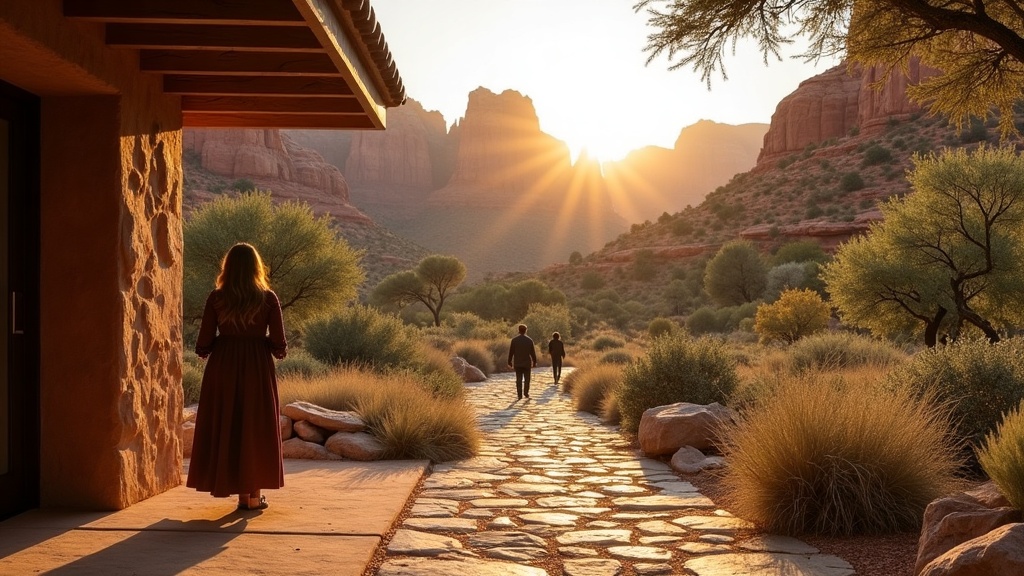
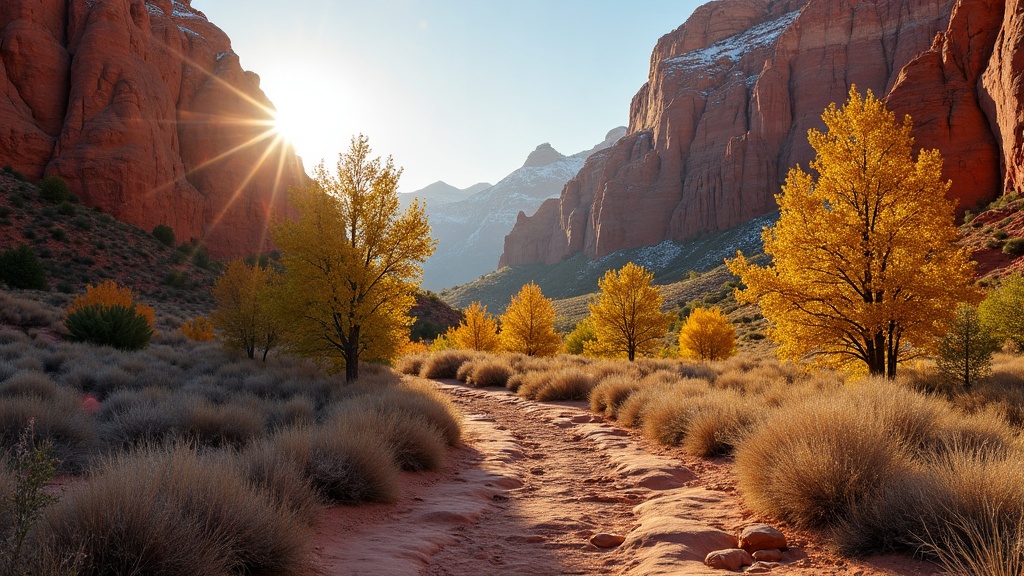
September through November represents peak season at Mii amo, and for good reason. Temperatures moderate into the perfect 70s and 80s, the cottonwoods turn golden, and the entire canyon glows with warm, honeyed light. This is when the property's adobe-style architecture, designed by Gluckman Tang to integrate seamlessly with the landscape, seems most perfectly calibrated to its environment.
Fall programming runs the full spectrum of Mii amo's offerings—Hatha yoga, meditation, Native American healing practices, energy work, Reiki, and sound healing all operate at full capacity. The weather allows for comfortable outdoor experiences throughout the day, making this ideal for guests who want to balance spa treatments with canyon exploration. The setting feels simultaneously energizing and grounding, which attracts a diverse mix of first-timers and returning guests.
October especially sees significant crowds, with weekends booking months in advance. November offers slightly more availability while maintaining beautiful weather. The trade-off for fall's perfect conditions is sharing the experience with more people, though Mii amo's intimate scale prevents it from ever feeling chaotic.
Choosing Your Window: The Shoulder Season Sweet Spot
For first-time visitors, the shoulder seasons of late March through April and early November often provide the ideal balance. You'll experience excellent weather without the peak-season crowds of October or the holiday influx of December. The full range of programs runs smoothly, availability is reasonable with advance booking, and the canyon reveals its beauty without the extremes of summer heat or winter cold.
That said, Mii amo's philosophy of finding "one's path" extends to timing your visit. Solo seekers craving genuine solitude might treasure January's quiet. Heat-embracing minimalists could find July transformative. The intimate scale of just 23 casitas ensures that even during busy periods, the experience remains personal and contemplative—just with a few more fellow travelers on the journey.