Where You'll Stay at Istituto Lama Tzong Khapa: A Guide to Accommodations
Where You'll Stay at Istituto Lama Tzong Khapa: A Guide to Accommodations
Choosing where to sleep at Istituto Lama Tzong Khapa means deciding how much solitude you need versus how deeply you want to sink into the communal rhythm of monastery life. The accommodations here aren't luxury—this is a working Buddhist institute, not a wellness resort—but they're clean, functional, and surprisingly thoughtful for a place where the real work happens in the meditation hall, not your bedroom.
The Room Categories: What You're Actually Paying For
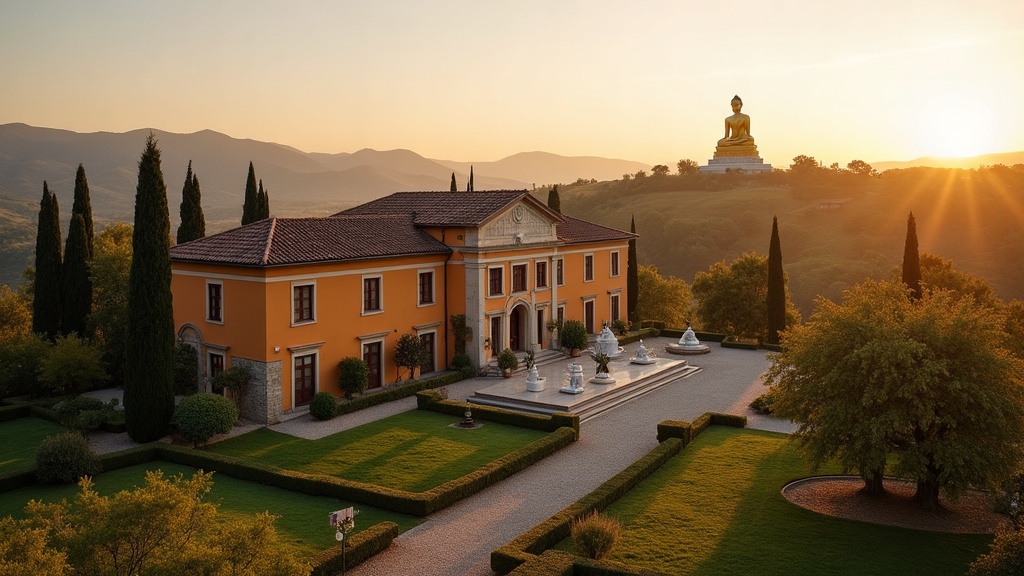
The institute offers three basic tiers: dormitory beds, standard rooms, and deluxe accommodations. The dorms are exactly what you'd expect—multiple beds in a shared space, minimal privacy, maximum budget-friendliness. Standard rooms typically offer twin or double configurations with simple furnishings: a bed, a small desk or table, a chair, perhaps a reading lamp. The deluxe options add space, better views of the Tuscan hillside, and often a sitting area where you can actually spread out your journal and books without everything sliding onto the floor.
The price differences are significant but proportional. Dorms run cheapest, sometimes half the cost of a standard room. Deluxe accommodations might be 50-70% more than standard. What you're buying isn't thread count or mini-fridges—it's quiet, privacy, and the ability to process your meditation experiences without someone's alarm going off at 5:30 a.m. above your head.
What's Included (And What Definitely Isn't)
Rooms come with beds—obviously—and linens are provided, though you'll want to confirm this when booking, as policies can shift seasonally. Towels are typically included, but they're practical rather than plush. Think "serviceable white cotton" rather than "spa day."
What you won't find: televisions, coffeemakers, hair dryers, or any of the usual hotel amenities. No mini-bar, no room service, no complimentary bottles of water. There's usually no WiFi in rooms either, and that's by design. You're here to disconnect. If you need to check email, there are common areas with internet access.
Climate control varies by building and room category. Some rooms have radiators for winter stays in the Tuscan hills (which get surprisingly cold), but air conditioning is rare and fans are often your summer cooling system. The stone buildings stay naturally cooler than you'd expect, but bring layers for evening meditation sessions.
The Bathroom Situation: Know Before You Go
This is where room category really matters. Dormitories always mean shared bathrooms—down the hall, communal, with morning traffic jams during popular retreats. You'll be sharing showers, sinks, and toilet stalls with anywhere from a handful to a couple dozen other guests, depending on occupancy.
Standard rooms split between en-suite and shared facilities. Always clarify when booking. An en-suite bathroom dramatically changes the experience, especially for early risers or anyone with digestive sensitivities (common when adjusting to vegetarian monastery meals).
Deluxe rooms almost always include private bathrooms, and they're usually more spacious with better water pressure. Small comforts, but they matter when you're staying for a week-long silent retreat.
Hallway Culture and the Neighbor Factor
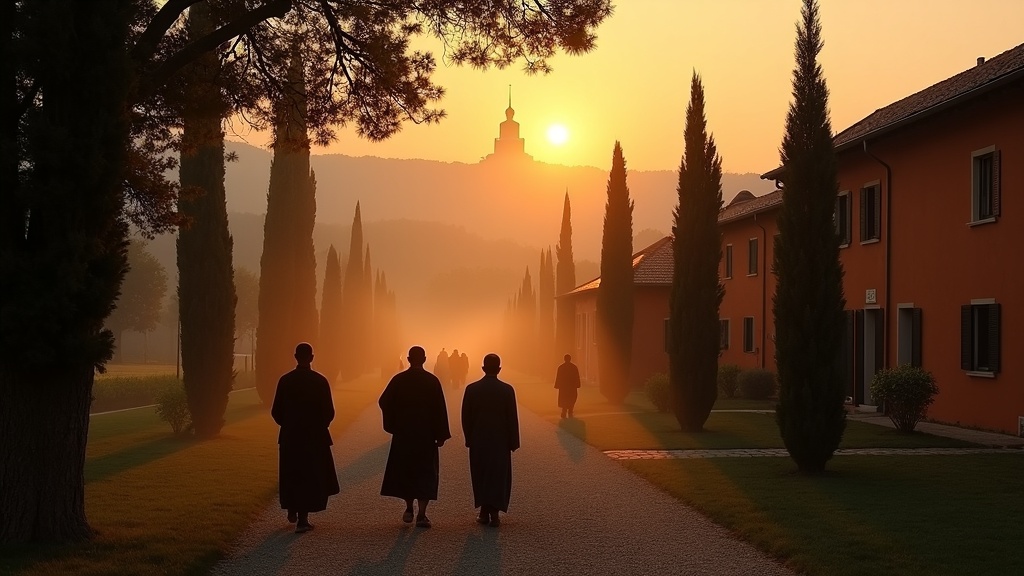
The institute maintains noble silence during certain hours and retreats, but standard times can be surprisingly social. Hallways become informal meeting spaces, especially near shared bathrooms. Dorm dwellers experience this most intensely—you're essentially living in close quarters with strangers who are all processing big emotions and spiritual experiences. It can be beautiful and bonding, or it can be exhausting.
Standard rooms with thicker walls and actual doors offer more insulation from hallway dynamics. The deluxe rooms, often in quieter wings or separate buildings, give you the option to fully retreat when you need it.
Choosing What's Right for Your Stay
If you're coming for a short weekend introduction or you thrive on communal energy, dorms work perfectly fine. You're barely in your room anyway, and the money you save can go toward that beautiful handmade mala in the bookshop.
For week-long retreats or deeper practice periods, invest in a standard or deluxe room. The privacy becomes essential when you're sitting with difficult emotions or need to cry without an audience. Solo travelers especially should consider spending more—having your own space to integrate intense meditation experiences isn't indulgent, it's practical.
The honest truth about going cheap: you'll sleep fine, but you won't rest as deeply. You'll save money, but you might spend it on coffee in Pomaia village just to get away from the crowd. Sometimes the upgrade is worth it.