Inside the Kripalu Center for Yoga & Health Daily Schedule
Inside the Kripalu Center for Yoga & Health Daily Schedule
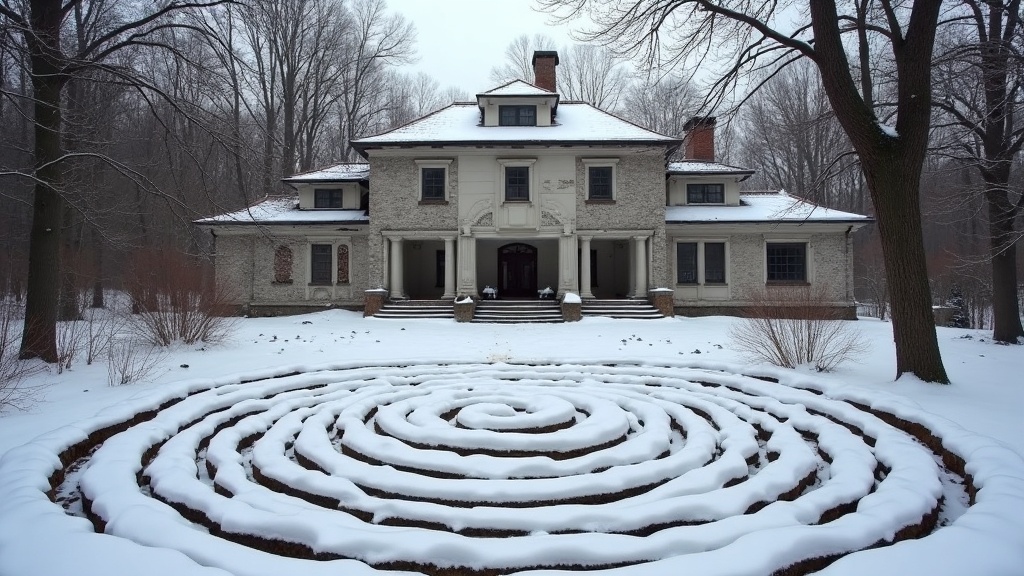
The day begins before sunrise at Kripalu. At 6:00 a.m., the corridors of the former Jesuit novitiate stir with the sound of bare feet padding toward the main yoga hall. Morning silence is still held here—no conversation before breakfast—and the quiet feels institutional in a way that the building remembers from its previous life, though now it tastes of incense rather than liturgy.
Morning Rhythm: 6:00 a.m. to 9:00 a.m.
Optional morning meditation sits at 6:15 a.m. in the smaller chapel-turned-meditation room. Some guests attend; others sleep in, especially on day one when exhaustion from travel still clings. By 7:00 a.m., the main hall fills for morning asana practice—a two-hour session that forms the spine of every Kripalu day.
The practice here follows the Kripalu tradition: held poses, attention to sensation, long periods in child's pose or savasana. On the first morning, new arrivals fidget and glance around, uncertain how long "listening to your body" might reasonably keep you lying on your mat while others flow through vinyasa. By day four, the same people sink into ten-minute savasanas without self-consciousness, understanding that this is not the yoga of Instagram efficiency.
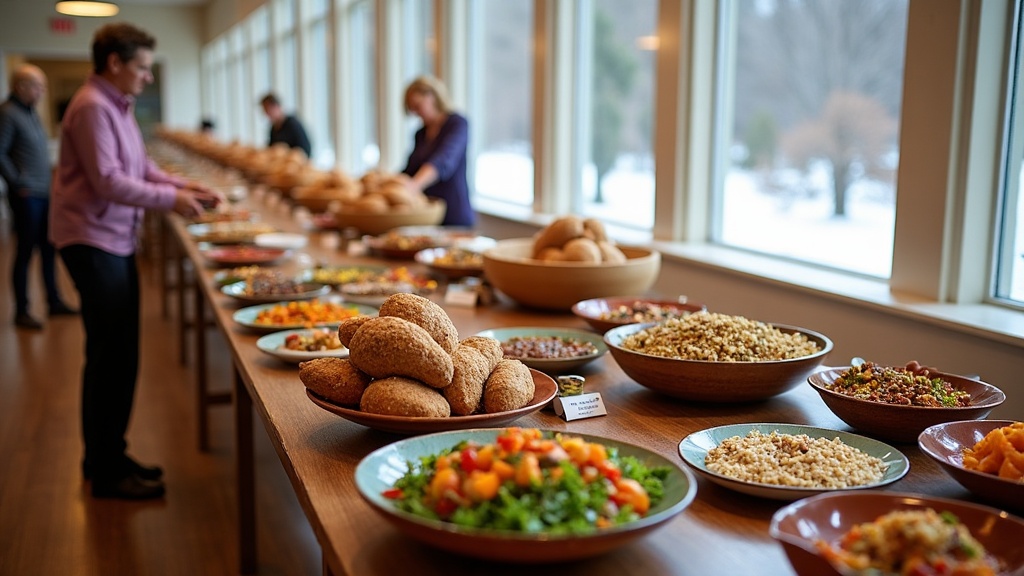
Breakfast opens at 9:00 a.m. in the dining hall—a bright, window-lined room overlooking Stockbridge Lake. The buffet runs toward wholesome plenty: steel-cut oats, granola, fresh fruit, yogurt, whole grain breads, eggs prepared simply. Conversation is permitted now, though it stays subdued. Many guests eat alone by the windows, watching morning light climb the Berkshire hills.
Late Morning: 9:30 a.m. to 12:30 p.m.
The morning workshop block varies by program type. Those enrolled in specific retreats—Yoga and Meditation for Self-Care, say, or a weekend on Ayurveda—gather for their first teaching session around 10:00 a.m. These might involve lecture, discussion, partner work, or movement. R&R guests, those not enrolled in structured programs, choose from a menu of optional sessions: gentle yoga, meditation instruction, yoga dance, or simply time to themselves.
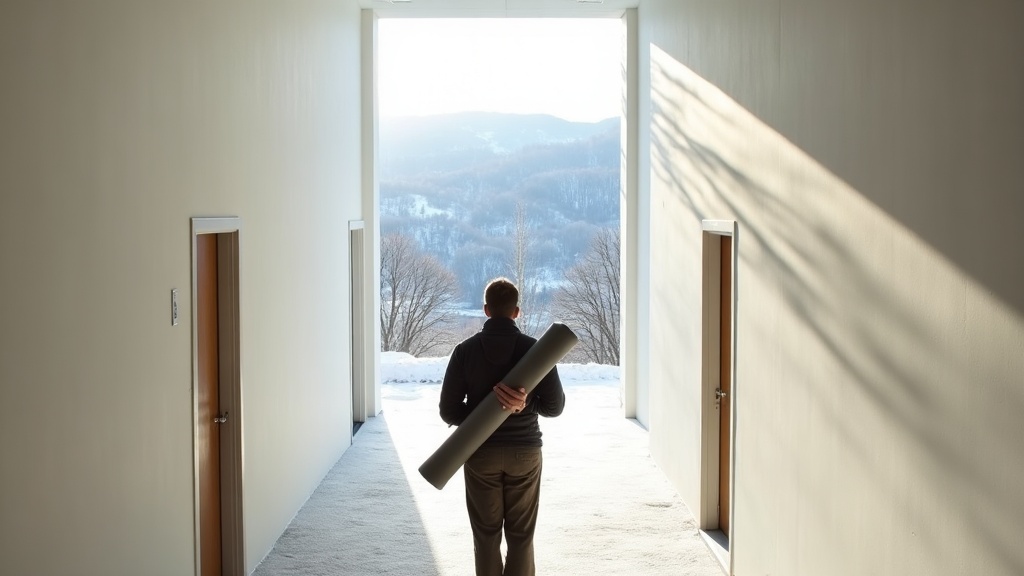
The white corridors empty and refill in waves. Someone carries a bolster toward a restorative session. Someone else heads outdoors with hiking boots. Teacher training cohorts—more serious, often younger—cluster in their designated wing, voices rising in Sanskrit pronunciation drills.
Midday: 12:30 p.m. to 2:00 p.m.
Lunch service begins at 12:30 p.m., and the dining hall fills with a different energy than breakfast—more social, more alert. The buffet leans vegetarian with vegan options clearly marked: grain bowls, roasted vegetables, bean-based proteins, large salads, soup. There's always something comfort-forward too—lasagna, mac and cheese—because Kripalu has learned that not everyone arrives ready for cleansing broths.
The lake view becomes valuable real estate. By day three or four, small friend groups have usually formed, claiming particular tables, comparing notes on which afternoon hike to take or whether the Thai yoga massage is worth the upcharge.
Afternoon: 2:00 p.m. to 5:30 p.m.
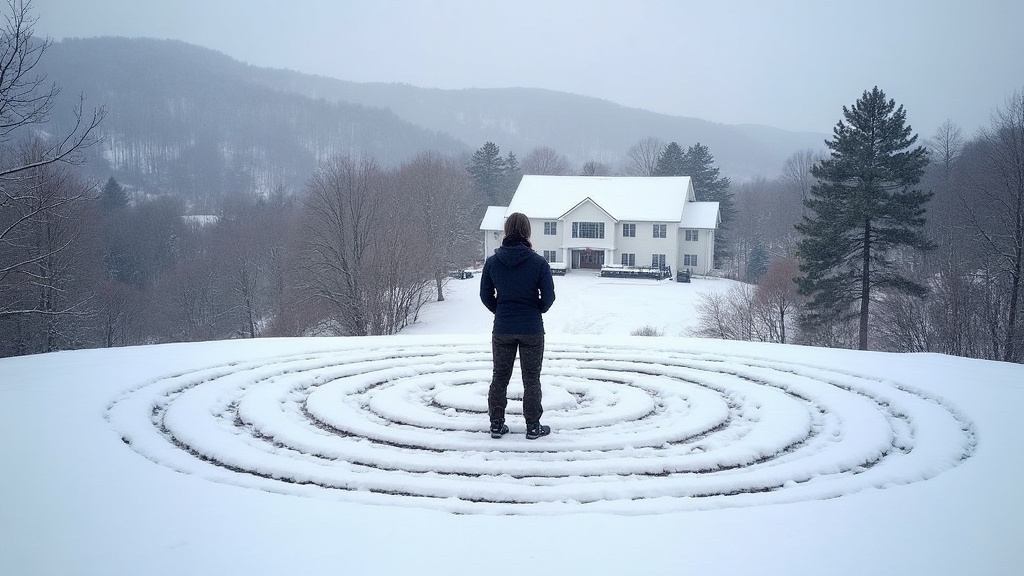
Afternoons open into unstructured time. Program participants may have one more workshop session from 2:00 to 3:30 p.m., but even then, the afternoon feels expansive. This is when people book private bodywork sessions in the spa wing—massage, Shiatsu, energy work, treatments that cost extra but integrate seamlessly into the retreat rhythm. Others walk the 300 acres of grounds: wooded trails, the labyrinth, the lake shore.
The sauna and whirlpool see steady traffic. The library fills with readers. Some guests return to their rooms and simply sleep, discovering how tired they've been. On day one, the unstructured time can feel disorienting—what am I supposed to do?—but by day four, it becomes the day's treasure, hours without obligation.
Evening: 5:30 p.m. to 9:30 p.m.
Dinner at 5:30 p.m. follows lunch's pattern: buffet-style, vegetarian-centered, nourishing without severity. The meal feels more celebratory as the day winds down.
Evening programs begin at 7:00 or 7:30 p.m. These vary widely: kirtans (call-and-response chanting), lectures, restorative yoga, sound baths, film screenings. They're optional, though most guests attend, drawn by the communal energy. Silence descends again by 9:30 p.m. as people drift toward their rooms—some shared dormitory-style, some private—through corridors that remember a different kind of devotion but have learned to hold this one just as well.
By day four, you know the rhythm by heart. You've stopped checking the schedule. Your body simply knows when to move.