Your First Visit to Findhorn Foundation: What to Expect
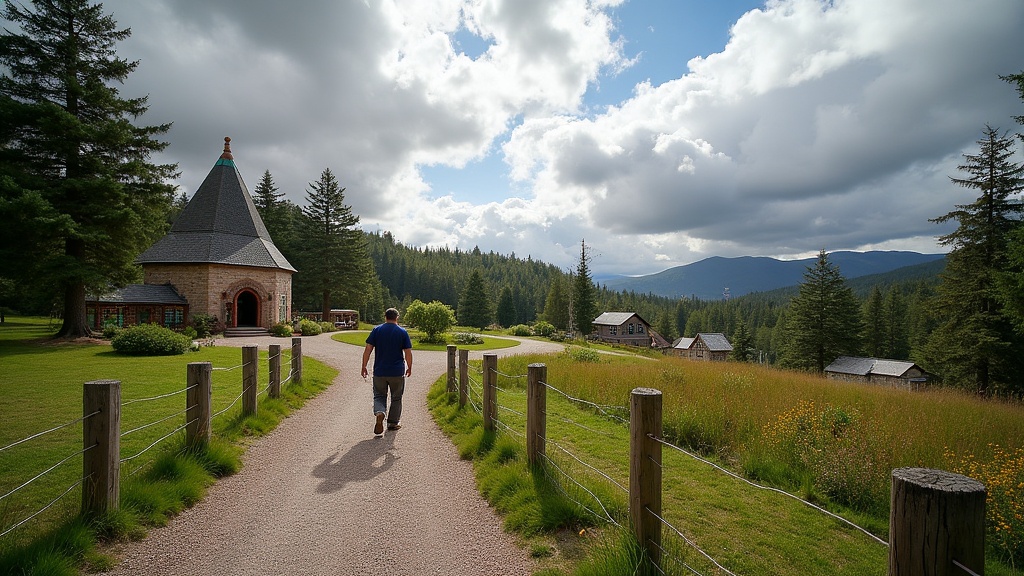
Arriving at the Edge of Scotland
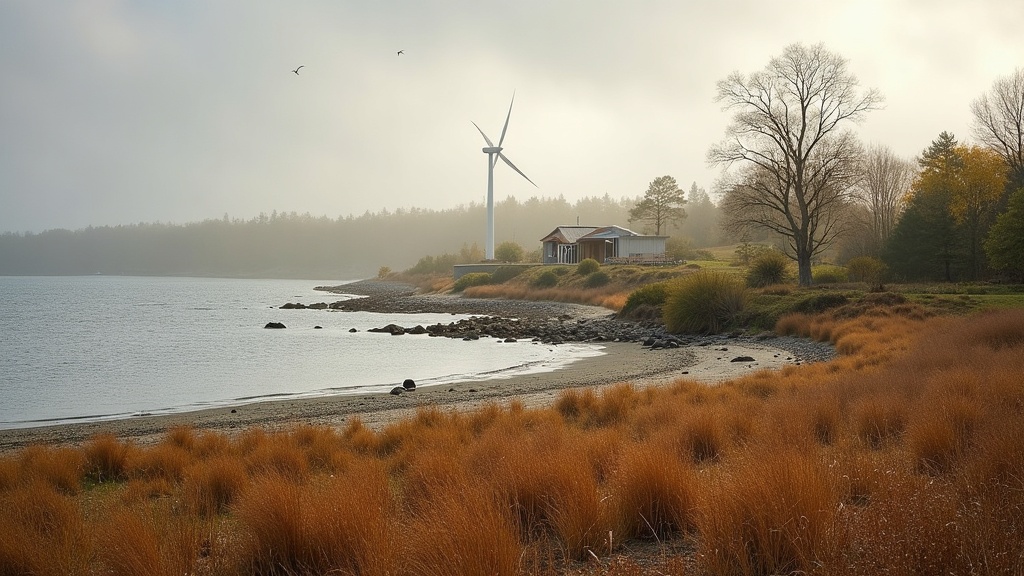
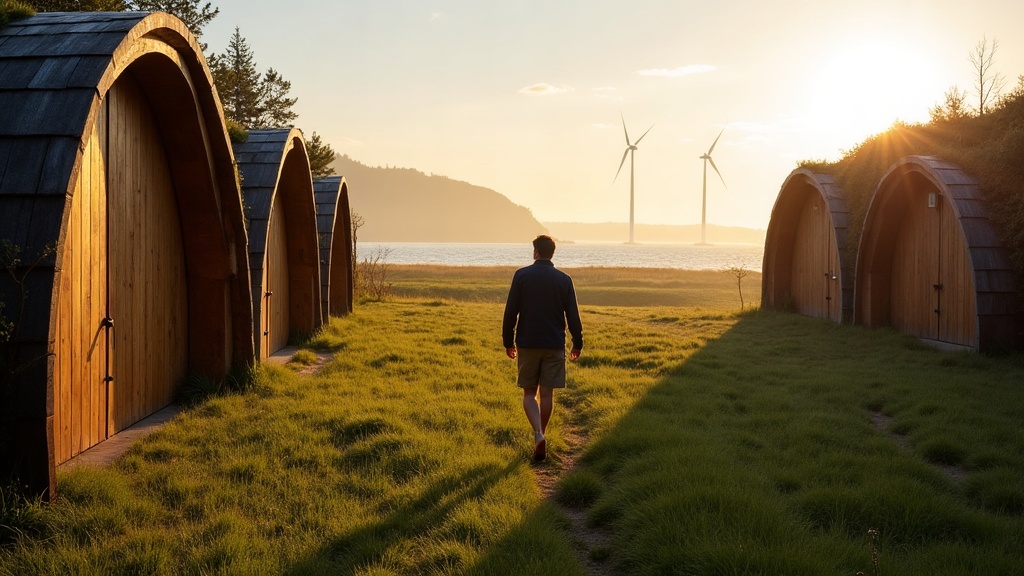
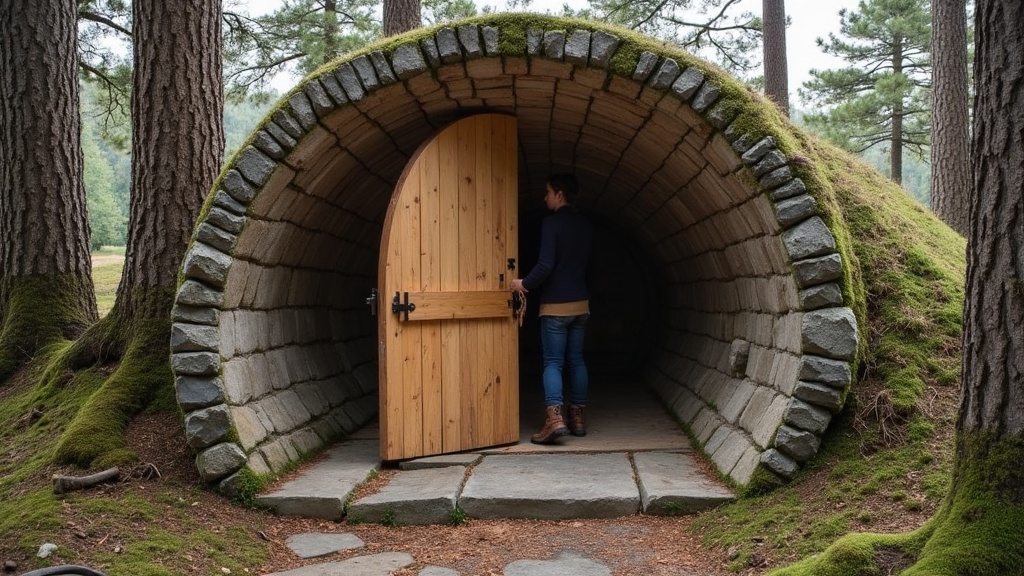
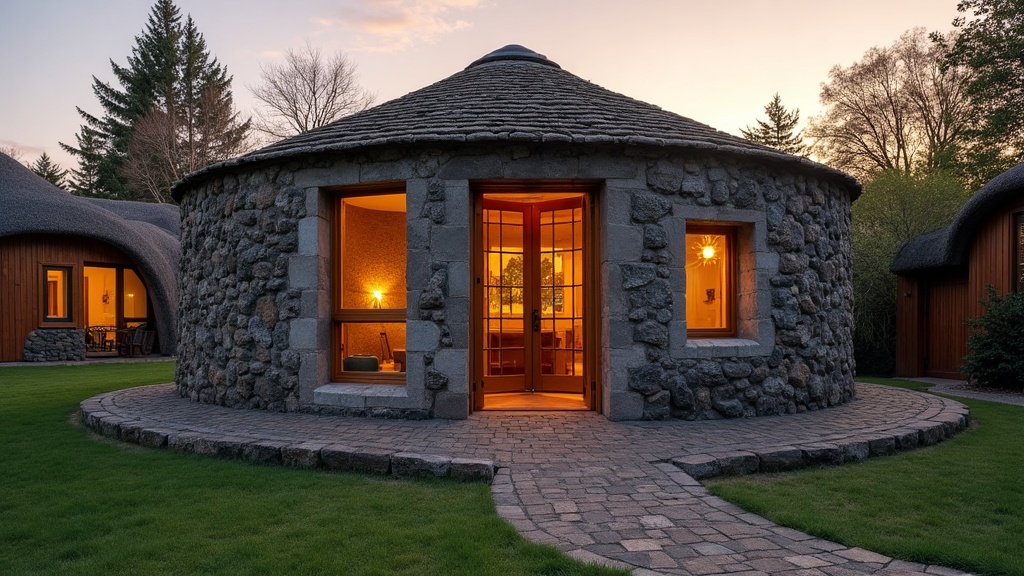
Your GPS will take you through Forres, a handsome market town in Moray, and then toward the coast where the landscape flattens into something starker. When you pull into Findhorn, don't expect grand entrance gates or a manicured driveway. You'll find a sprawling intentional community that's been evolving since 1962—a mix of earth-bermed eco-homes, converted caravans, wind turbines, and structures that look like they've grown organically over decades. Because they have.
Check-in typically happens at the main reception building, where you'll be greeted by a community member or staff volunteer who will walk you through the week ahead. They're genuinely warm, though if you're arriving on a Sunday afternoon during programme changeover, there may be a small queue. Bring patience. The pace here is... different. You'll receive a folder with your schedule, a map of the community (you'll need it—the place sprawls more than you'd think), and information about your accommodation. Someone will likely offer to walk you to your room if it's your first time, and I'd recommend taking them up on it.
The Rhythm of Days
The Foundation doesn't run on monastery time, but it does have a structure. Most programmes begin with morning meditation around 7:30 or 8:00 AM in the sanctuary—a beautiful, light-filled space that feels both sacred and non-denominational in the truest sense. No one will force you to attend, but the morning sit sets the tone for everything that follows, and most first-timers find it grounding rather than onerous.
Breakfast comes after, usually around 8:30 or 9:00, and then the day's programme work begins. This might mean heading to the gardens with secateurs and a wheelbarrow, or gathering in a circle for group reflection and sharing. The Foundation calls this "co-creation with nature," and they mean it practically, not poetically. You may spend Tuesday morning mulching beds or Wednesday afternoon in a council meeting about community governance. Lunch is communal, typically around 12:30 or 1:00.
Afternoons often include workshops, talks, or what they call "focalisations"—essentially group meditations before and after work activities. There's usually free time built into late afternoon, which you'll desperately want for processing, walking the beach, or simply sitting still. Dinner happens around 6:00 or 6:30, followed by evening programmes that vary widely: music, sharing circles, guest presentations, or simply open time. Lights don't go out at a set hour, but by 10:00 PM most people have retreated to their rooms. The cold helps with that.
Your Room: A Spectrum of Simplicity
Accommodation at Findhorn runs the gamut from surprisingly comfortable to genuinely spartan. Some guests stay in the newer eco-houses with ensuite bathrooms and proper heating. Others find themselves in converted caravans with shared facilities a short walk away. Both are clean, but if you're in a caravan in November, understand that "cozy" means layers, hot water bottles, and making peace with the sound of Scottish wind at night.
Most rooms are simple: a bed, a small desk or shelf, perhaps a chair. Nothing extraneous. This is intentional—the Foundation's aesthetic leans toward functional sustainability rather than boutique comfort. Bedding is provided, and it's good quality. Towels too, though they're not plush. The real luxury is quiet.
Food: From the Garden to the Table
Meals are vegetarian, largely organic, and sourced extensively from Findhorn's own gardens and the wider local community. The food is genuinely good—this isn't institutional cafeteria fare. Expect hearty soups, fresh salads even in winter (thanks to polytunnels), whole grains, and creative uses of root vegetables. The kitchen staff takes pride in the work.
Meals are served family-style in the community center. You'll sit with others, sometimes at assigned tables, sometimes where you land. Coffee and tea are available throughout the day. If you have serious dietary restrictions beyond vegetarianism, communicate them clearly at check-in—the kitchen is accommodating but works at scale.
What to Pack (and What to Leave Behind)
Bring layers. Scotland's northern coast is beautiful and brutal, often in the same hour. A good waterproof jacket is non-negotiable, even in summer. Sturdy shoes for garden work. Indoor slippers or thick socks since shoes come off in most buildings. A water bottle, journal, and any personal meditation items that matter to you.
Don't bring expectations of constant WiFi or mobile signal, which can be patchy. Don't bring your full work setup thinking you'll stay connected—you can, technically, but you'll undermine your own experience. And perhaps controversially: don't bring a rigid agenda for transformation. The place works on you sideways.
The Unspoken Rules
Silence isn't enforced except during specific meditation periods, but there's a culture of intentional speaking. People don't fill space with chatter. Phones are discouraged in communal areas—not banned, but you'll feel the gentle social pressure. Respect it.
If you need to leave a programme session early or skip something entirely, that's allowed, but the community appreciates directness. Tell your facilitator rather than simply disappearing. The Foundation takes group coherence seriously; it's part of the experiment.
What Surprises People
The good: How genuinely friendly the long-term community members are, without being performatively spiritual. How good the food is. How much the physical work—pulling weeds, chopping vegetables—becomes unexpectedly meditative. The wind turbines at sunset.
The challenging: The cold, if you're unprepared for it. The intensity of group sharing work, which can feel vulnerable if you're not used to it. The lack of anonymity—in a week-long programme, you're seen. The realization that spiritual community is still human community, with all the beautiful messiness that entails.
Findhorn isn't for everyone, and it doesn't pretend to be. But if you're willing to meet it where it is—a sixty-year experiment in conscious living, still evolving, still figuring things out—your first visit will likely lodge itself somewhere unexpected. Pack warm. Show up curious. Let the North Sea do the rest.