The History of Esalen Institute
The History of Esalen Institute
Origins and Founding
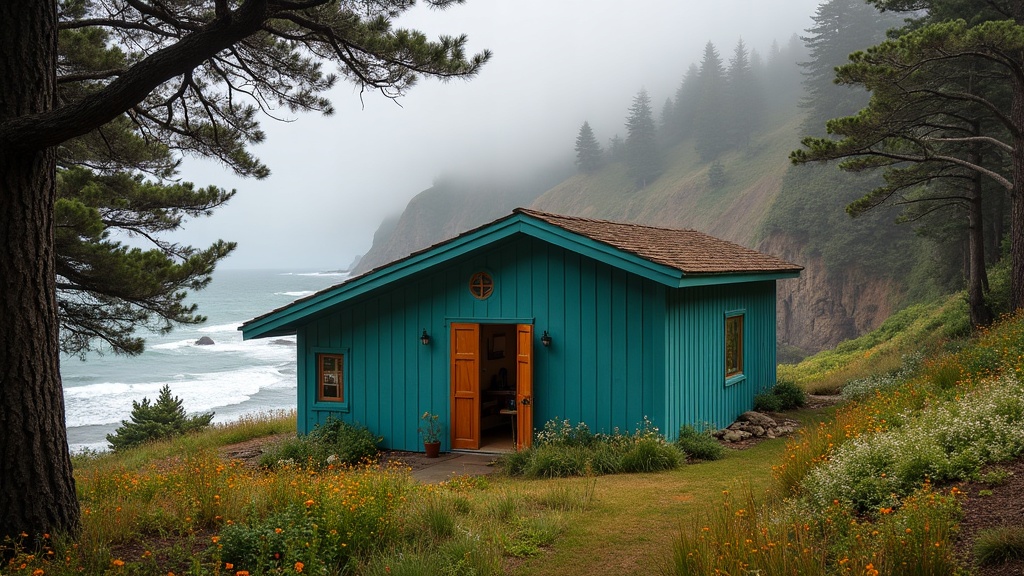
In 1962, two Stanford graduates, Michael Murphy and Dick Price, opened the Esalen Institute on 120 acres of rugged California coastline where the Santa Lucia Mountains plunge into the Pacific. The property, which Murphy's family owned, already held something sacred—natural hot springs that had drawn people for generations. But Murphy and Price envisioned something beyond a spa: a place where Western psychology and Eastern philosophy could meet, where the human body and mind could be explored with equal seriousness.
The timing was precise. Post-war America was materially prosperous but spiritually restless. Traditional institutions—churches, universities, psychiatry—felt inadequate to a generation asking new questions about consciousness, potential, and meaning. Murphy and Price, influenced by their encounters with Asian philosophy and depth psychology, saw an opportunity to create what would become ground zero for the Human Potential Movement.
The Early Years and Intellectual Ferment
From its founding, Esalen became a gathering place for thinkers working at the edges of their disciplines. Fritz Perls, the iconoclastic creator of Gestalt therapy, held workshops in the lodge, pushing participants toward immediate emotional experience rather than analytical distance. Ida Rolf brought her structural integration bodywork, demonstrating that working directly with fascia and tissue could shift not just posture but personality. Alan Watts arrived to discuss Zen Buddhism, translating Eastern wisdom for Western seekers.
The residential workshop model emerged quickly: three to five days of intensive work, family-style meals, and accommodation in rustic buildings perched above the ocean. The hot spring baths—clothing-optional, open until dawn—became both symbol and practice, a space where social conventions dissolved and something more essential might emerge.
Evolution and Expansion
Through the 1960s and 1970s, Esalen's influence spread far beyond Big Sur. The institute developed its own massage style—long, integrative strokes that treated the body as a unified whole rather than a collection of parts. Practitioners trained at Esalen carried these techniques worldwide. The workshops multiplied, drawing from Rinzai and Vipassana Buddhist traditions, from somatic psychology, from experimental approaches to creativity and relationship.
The institute also became a bridge. During the Cold War, Esalen hosted citizen diplomacy efforts, bringing together Americans and Soviets for dialogues that official channels couldn't accommodate. This reflected a core belief: that personal transformation and social change were connected, that the work of understanding oneself had political dimensions.
Challenges and Transitions
Dick Price, co-founder and the steadier hand in Esalen's leadership, died in 1985 in a hiking accident on the property. His death marked a significant transition. Price had provided ballast against some of Esalen's more grandiose impulses, insisting on psychological rigor and safety within the experimental workshops.
The institute weathered other difficulties. The countercultural excesses that Esalen came to symbolize—the encounter groups, the psychedelic experimentation, the sexual openness—also invited criticism and occasional scandal. The challenge became distinguishing genuine exploration from mere indulgence, maintaining standards while preserving openness.
In 1998, the winter El Niño storms destroyed Highway 1, isolating Esalen completely for months. The physical crisis forced organizational reflection. The institute emerged recommitted to its core work but more grounded, less caught up in the boom-and-bust cycles of spiritual trends.
Esalen Today
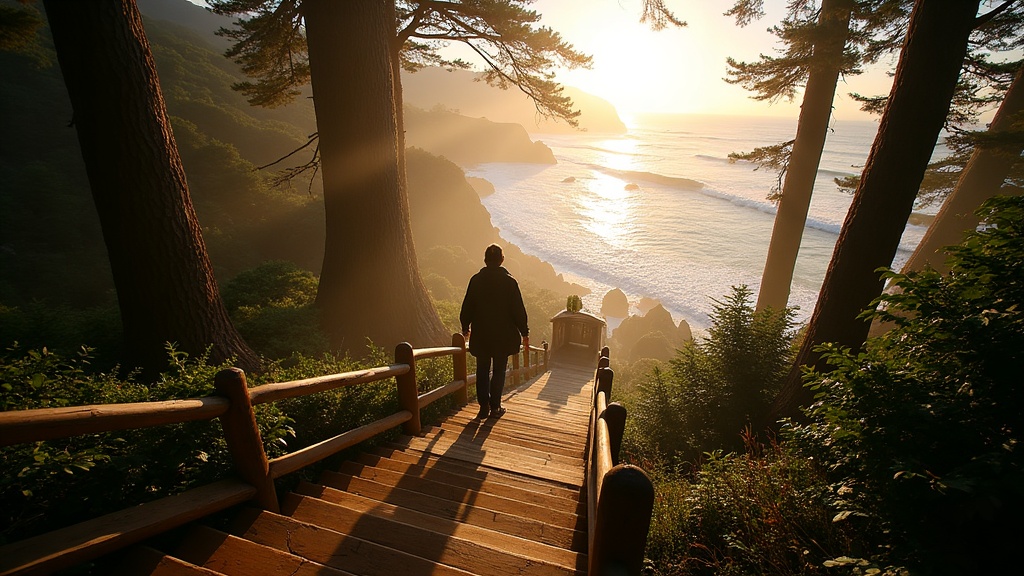
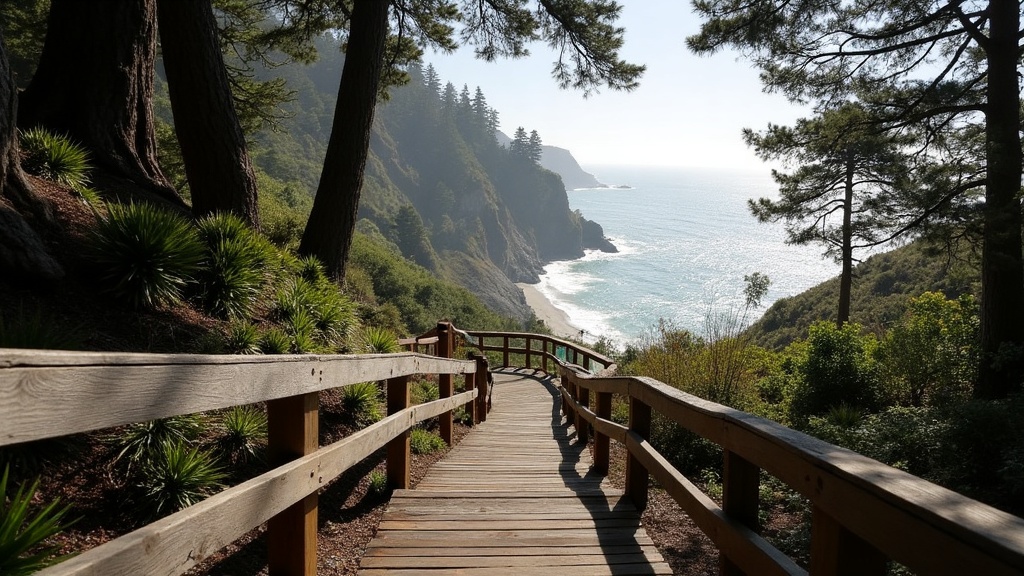
More than six decades after its founding, Esalen persists not as museum but as working laboratory. The daily rhythm continues: workshops run year-round, the garden supplies the kitchen, paths wind down through eucalyptus to the baths where steam still rises from water pooled in stone tubs at the continent's edge.
What distinguishes contemporary Esalen is perhaps a harder-won wisdom. The institute no longer claims to birth revolutions. Instead, it offers something both simpler and more difficult: space to sit with what's uncomfortable, to work with the body as a path to understanding, to ask honestly what a person might become. Teachers still arrive from multiple wisdom traditions, but the emphasis has shifted from novelty to depth, from peak experiences to sustained practice.
The hot springs remain, the ocean breaks against black rock, and people still come seeking something they can't name but recognize when they find it—not transcendence, exactly, but a kind of homecoming to themselves.