The History of Chapel of Sacred Mirrors (CoSM)
The History of Chapel of Sacred Mirrors (CoSM)
In the landscape of American spiritual centers, few institutions wear their origins quite so openly. The Chapel of Sacred Mirrors—known universally as CoSM—was born from a psychedelic vision and has remained unwaveringly faithful to that source ever since. What began as one couple's lysergic encounter with the infinite has evolved into a 40-acre sanctuary in New York's Hudson Valley, where thousands gather annually to explore the intersection of visionary art, contemplative practice, and sacred ceremony.
Origins in Altered States
The story begins in 1976, when Alex and Allyson Grey, art students in Boston, shared an LSD experience that revealed what Alex would later call the Universal Mind Lattice—a vision of consciousness as an infinite, interconnected web. For the young artists, this wasn't recreational drug use but mystical revelation, a direct encounter with dimensions of reality that traditional religious language struggled to articulate but paint might capture.
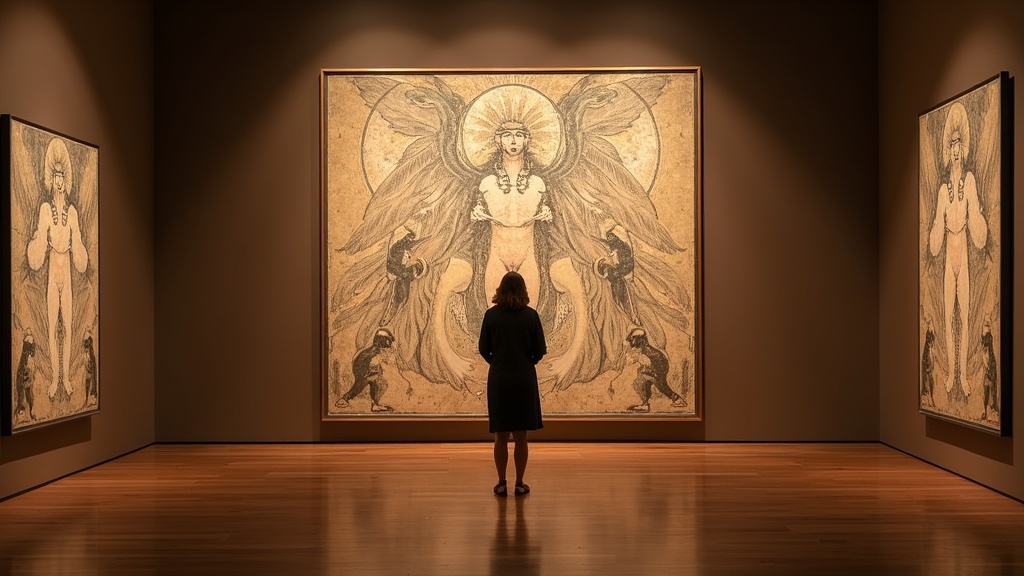
That vision catalyzed Alex's most significant artistic undertaking: the Sacred Mirrors series. Over the following decade, he created 21 life-sized paintings depicting the human form through progressively subtle lenses—from anatomical systems to energetic bodies, from chakras to the dissolution of individual identity into cosmic consciousness. The paintings functioned as mirrors in the deepest sense, inviting viewers to see themselves as simultaneously biological organisms and expressions of infinite awareness.
In 1985, during a therapeutic MDMA session, Alex and Allyson received a shared vision: they were meant to build a chapel to house these paintings. Allyson provided the name. Alex saw the ornate frames. The mission was clear, even if the path forward remained uncertain.
From Vision to Institution
By 1996, the Greys had gathered enough momentum to formally establish CoSM as an organization dedicated to visionary culture and sacred art. The Sacred Mirrors found their first semi-permanent home in New York City, where they became a pilgrimage site for artists, seekers, and those curious about consciousness exploration. The paintings resonated particularly with communities already engaged in psychedelic spirituality, Burning Man culture, and contemplative practices that honored non-ordinary states.
A pivotal transformation came in 2008, when CoSM was recognized as an interfaith church. This legal status reflected a deeper truth: what had begun as an art project had become genuinely religious in character, a place where ritual, community, and transcendent experience converged. The church designation also provided a protective framework for ceremonial practices and affirmed CoSM's essential nature as sacred space rather than mere gallery.
Finding Permanent Ground
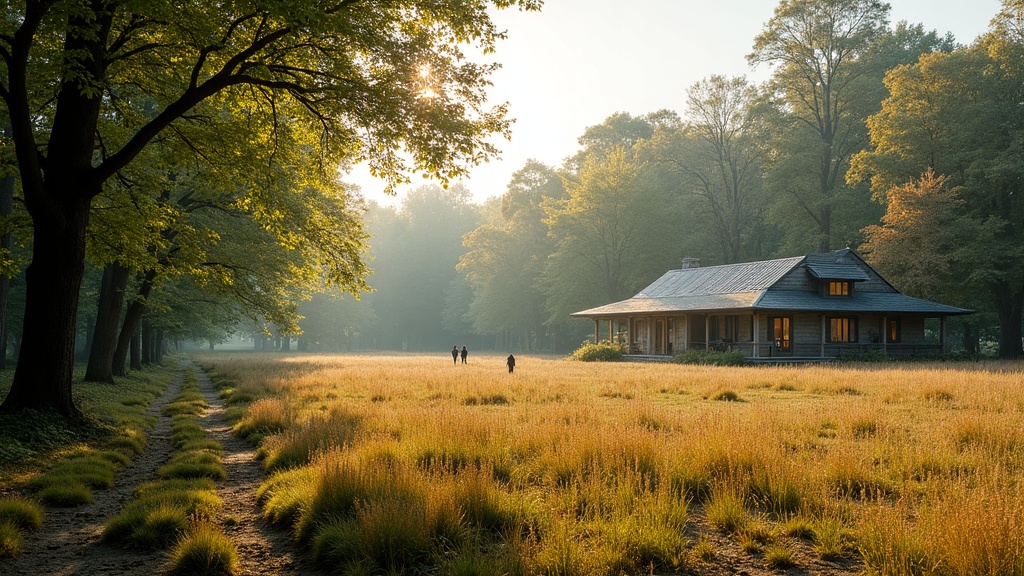
The most significant milestone arrived in 2009, when CoSM acquired 40 wooded acres in Wappingers Falls, New York. After years of nomadic existence, the vision could finally take architectural form. The property became home to the Entheon—a purpose-built temple housing the Sacred Mirrors and Alex's subsequent masterworks. The name combines "entheogen" (a substance that generates the divine within) with "theon" (temple), announcing the building's unique purpose: to provide sanctuary for art born from altered states and for the states themselves.
The Entheon's completion represented more than shelter for paintings. Its sacred geometry, collaborative design, and integration into natural landscape embodied CoSM's core principles—that beauty, consciousness, and community can interweave into living spiritual practice.
A Living Sanctuary
Today, CoSM functions as museum, church, and ceremonial ground simultaneously. Full moon gatherings draw hundreds for ecstatic dance, musical performances, and communal celebration. The grounds host workshops on visionary art techniques, meditation practices informed by various wisdom traditions, and ceremonies that honor the revelatory potential of expanded consciousness. The institution has become a nexus for artists, musicians, and teachers working at the frontier of psychedelic spirituality, sacred geometry, and contemplative practice.
What distinguishes CoSM is its radical specificity. While many spiritual centers adopt eclectic programming, CoSM remains anchored in its founding insight: that certain altered states can reveal genuine dimensions of reality, and that art created from those states can serve as doorway and mirror for others. This clarity of purpose—combined with the Greys' generous hospitality and Allyson's commitment to building inclusive community—has created something unprecedented: a church where peak experiences are honored as sacrament and paintings function as scripture.
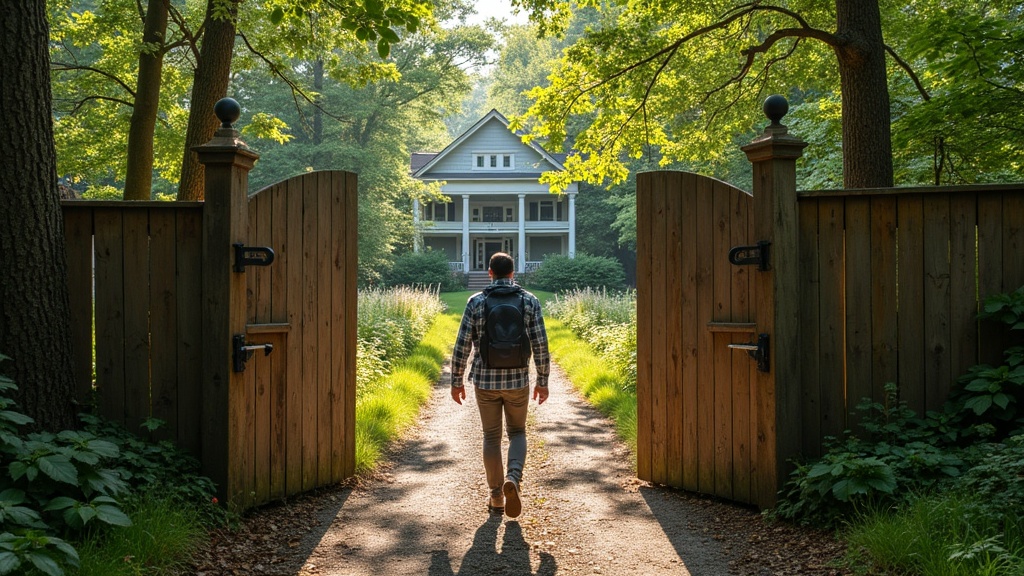
For visitors arriving at the wooded sanctuary, CoSM offers neither escape from the world nor dogmatic answers. Instead, it provides space to consider seriously what our ancestors knew and what contemporary research increasingly suggests: that consciousness contains more rooms than consensus reality typically reveals, and that the doors between them might open onto the sacred.