BrightStar

Sfoglia tutti i Events

Scopri incontri consapevoli

events

Yoga
Meditation
Breathwork
Qigong
Tai Chi
Sacred Music
World Music
Medicine Music
Sound Healing
Ecstatic Dance
Destinazioni popolari
BaliSedonaLos AngelesCosta RicaNew YorkSan FranciscoAustinMiamiJoshua TreeTulum
Vedi tutte le categorieVedi tutte le destinazioni

Esplora tutte le funzionalità

Strumenti potenti per far crescere i tuoi eventi

Funzionalità della piattaforma

Prezzi dinamici intelligenti
Categorie di biglietti
Posti assegnati
Recupero carrelli abbandonati
Recupero visitatori
Donazioni e prezzi variabili
Sistema affiliati
Scanner biglietti
Codici sconto
Domande personalizzate
Condivisione biglietti
Upsell e componenti aggiuntivi
Analisi e report
Sequenze email
Lista d'attesa / Notifica / Promemoria
Persone e Luoghi
Artists & TeachersEvent OrganizersVenues & StudiosKnowledge BaseGlossaryInspiration
Vedi tutte le funzionalitàChi siamo
PrezziBlog
Language
Saved events
Sfoglia tutti gli eventi

events

YogaMeditationBreathworkQigongTai ChiSacred MusicWorld MusicMedicine Music

Destinazioni popolari

BaliSedonaLos AngelesCosta RicaNew YorkSan Francisco

Persone e Luoghi

Artists & TeachersEvent OrganizersVenues & StudiosKnowledge BaseGlossaryInspiration

Funzionalità della piattaforma

Prezzi dinamici intelligentiCategorie di bigliettiPosti assegnatiRecupero carrelli abbandonatiRecupero visitatoriDonazioni e prezzi variabiliSistema affiliatiScanner bigliettiCodici scontoDomande personalizzateCondivisione bigliettiUpsell e componenti aggiuntiviAnalisi e reportSequenze emailLista d'attesa / Notifica / Promemoria
Vedi tutte le funzionalitàChi siamo
PrezziBlog
AccediRicercatoriCreatori
  • Sfoglia tutti i Eventi
  • Per i ricercatori
  • Yoga
  • Meditazione
  • Breathwork
  • Qigong
  • Tai chi
  • Musica sacra
  • World music
  • Musica medicina
  • Sound healing
  • Danza estatica
  • Ritiri
  • Workshop
  • Tutte le categorie →
  • Bali
  • Sedona
  • Los Angeles
  • Costa Rica
  • Tulum
  • Byron Bay
  • San Francisco
  • Austin
  • New York
  • San Diego
  • Denver
  • Seattle
  • Portland
  • Miami
  • Tutte le città →
  • Join the Movement
  • Sell Globally
  • Per i creatori
  • Per team
  • Per gli scrittori
  • Per gli insegnanti
  • Per gli artisti kirtan
  • Per gli studi
  • Per i festival
  • Per i centri ritiro
  • Per le no-profit
  • Ambasciatore del brand
  • Case study
  • Biglietteria gratuita
  • Elevate
  • Amplify
  • Rete di 500K+ acquirenti
  • Recupero carrelli abbandonati
  • Prezzi dinamici intelligenti
  • Categorie di biglietti
  • Eventi ricorrenti
  • Posti assegnati
  • Sistema affiliati
  • Lista d'attesa / Notifica
  • Scanner biglietti
  • Widget incorporabile
  • Distribuzione eventi
  • Centro messaggi
  • Integrazioni
  • Report
  • Tutte le funzionalità →
  • Chi siamo
  • L’ecosistema
  • Blog
  • Glossario
  • Ispirazione
  • Centro assistenza
  • Contatti
  • Documentazione API
  • Risorse del brand
  • Carriere
  • Stampa
  • Termini di servizio
  • Informativa sulla privacy

Eventi

  • Sfoglia tutti i Eventi
  • Per i ricercatori
  • Yoga
  • Meditazione
  • Breathwork
  • Qigong
  • Tai chi
  • Musica sacra
  • World music
  • Musica medicina
  • Sound healing
  • Danza estatica
  • Ritiri
  • Workshop
  • Tutte le categorie →

Destinazioni

  • Bali
  • Sedona
  • Los Angeles
  • Costa Rica
  • Tulum
  • Byron Bay
  • San Francisco
  • Austin
  • New York
  • San Diego
  • Denver
  • Seattle
  • Portland
  • Miami
  • Tutte le città →

Per i creatori

  • Join the Movement
  • Sell Globally
  • Per i creatori
  • Per team
  • Per gli scrittori
  • Per gli insegnanti
  • Per gli artisti kirtan
  • Per gli studi
  • Per i festival
  • Per i centri ritiro
  • Per le no-profit
  • Ambasciatore del brand
  • Case study
  • Biglietteria gratuita
  • Elevate
  • Amplify

Funzionalità

  • Rete di 500K+ acquirenti
  • Recupero carrelli abbandonati
  • Prezzi dinamici intelligenti
  • Categorie di biglietti
  • Eventi ricorrenti
  • Posti assegnati
  • Sistema affiliati
  • Lista d'attesa / Notifica
  • Scanner biglietti
  • Widget incorporabile
  • Distribuzione eventi
  • Centro messaggi
  • Integrazioni
  • Report
  • Tutte le funzionalità →

Azienda

  • Chi siamo
  • L’ecosistema
  • Blog
  • Glossario
  • Ispirazione
  • Centro assistenza
  • Contatti
  • Documentazione API
  • Risorse del brand
  • Carriere
  • Stampa
  • Termini di servizio
  • Informativa sulla privacy
BrightStar
© 2026 BrightStar. Tutti i diritti riservati.
Watch

Music as Medicine: Kirtan, Rhythm, and Healing

Paloma Devi
Paloma Devi
Jan 2, 2015
6 min di lettura
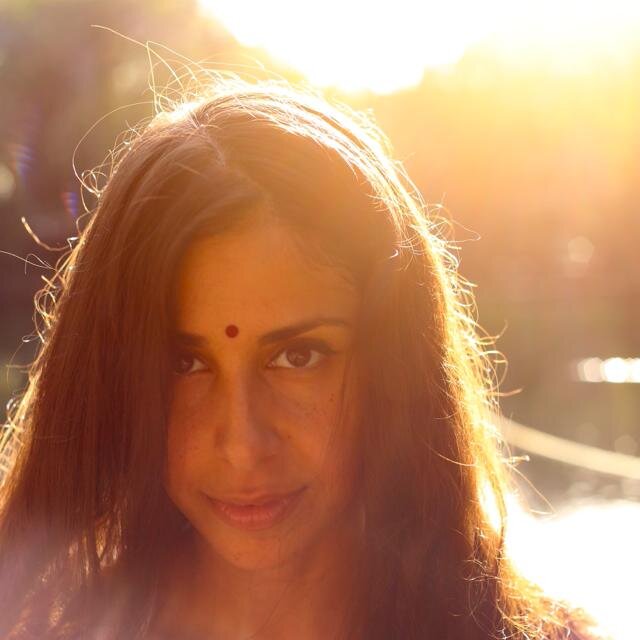
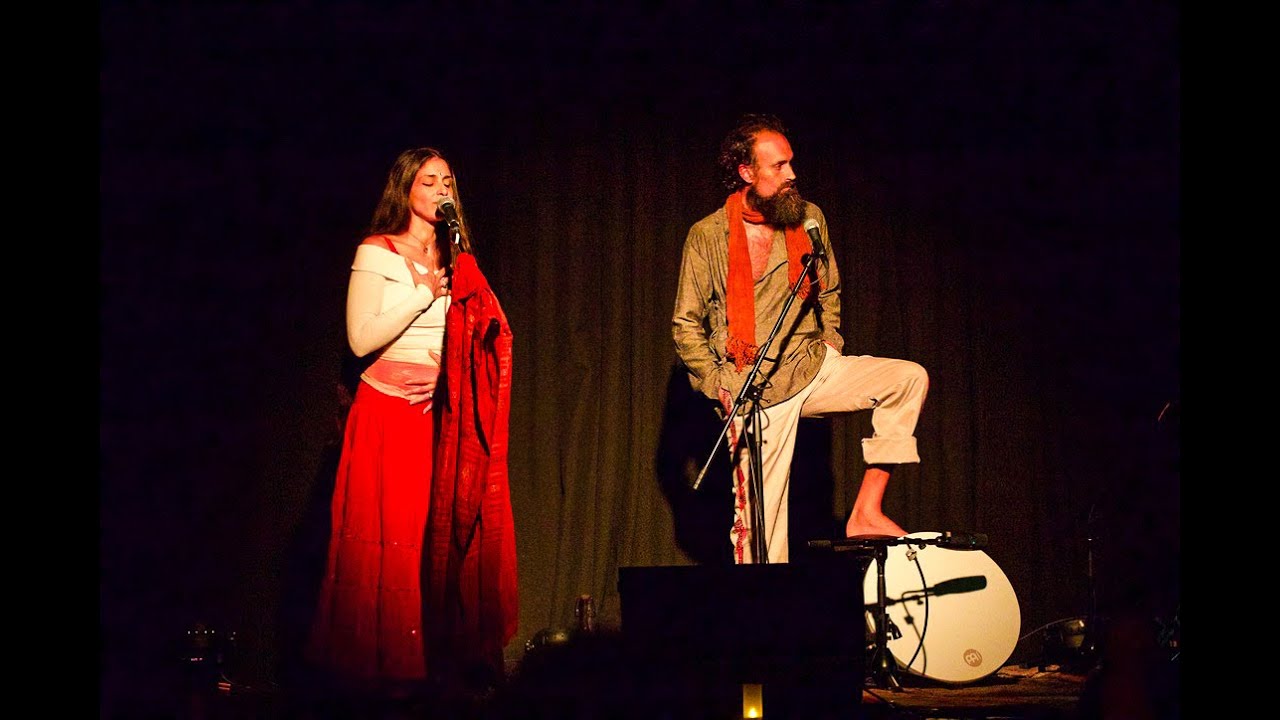
In this live performance from the Todo El Mundo Dice Aho Festival, Paloma Devi and T. One demonstrate how music functions as medicine—a direct pathway to physical, emotional, and spiritual healing. The session combines kirtan (Sanskrit chanting), live drumming by Jeff Deen, and guitar accompaniment by Andrew Logan to show that organized sound, rhythm, and vocalization are not merely artistic expression but therapeutic interventions that attune the nervous system, open the heart, and restore balance to the body-mind complex.

Lettura · 7 sezioni

What Is the Relationship Between Sound and Physical Healing?

Sound operates at frequencies that penetrate the physical body in ways that bypass ordinary thought. When practitioners engage in kirtan—the traditional practice of call-and-response chanting—they activate neural pathways, regulate heart rhythm, and modulate stress hormones. The vagus nerve, which governs the parasympathetic nervous system (the body's relaxation response), responds directly to sustained toning and rhythmic vocalization. This is not metaphorical; it is measurable physiology.

Paloma Devi and collaborators like T. One and Jeff Deen structure performances to harness these effects intentionally. The drumming provides a stable anchor for the nervous system—a living metronome that synchronizes breath and heartbeat. Guitar adds harmonic depth, creating layers of frequency that the body can resonate with. When these elements combine with Sanskrit mantras or devotional songs, listeners and participants experience what might appear as simple relaxation but is actually a systematic recalibration of the body's baseline state.

How Does Kirtan Differ from Ordinary Singing?

Kirtan is not performance art aimed at an audience; it is a participatory practice designed for collective attunement. The leader (often Paloma Devi) chants a phrase, and the group responds, repeating the cycle. This call-and-response structure creates a feedback loop that deepens focus and dissolves the boundary between self and community. Unlike a concert where listeners remain passive observers, kirtan invites active vocal participation, which amplifies the therapeutic effect.

The practice often draws from Sanskrit, a language considered in yogic traditions to have inherent vibratory properties. Each syllable carries specific frequencies believed to stimulate particular energy centers (chakras) in the body. When repeated with intention and group energy, these syllables become medicine—not for the mind alone, but for the subtle energetic architecture that yoga and Ayurveda recognize as fundamental to wellness.

What Role Does Rhythm Play in Nervous System Regulation?

Rhythm is the body's native language. The heartbeat, breath cycles, and circadian rhythms all follow periodic patterns. When external rhythm—such as live drumming by Jeff Deen—matches or gently guides internal rhythms, the nervous system recognizes this as safety. The body stops defending and begins restoring. This is why percussion instruments have been used ceremonially across cultures for millennia.

In the context of music as medicine, rhythm does several things simultaneously:

  • Entrainment: The body's systems (heart rate, brainwave frequency, breathing pattern) synchronize with the external beat.
  • Grounding: A steady rhythm anchors scattered attention and anxiety in the present moment.
  • Release: Rhythmic movement and vocalization provide safe channels for emotional energy that might otherwise remain trapped in the body.
  • Community: Shared rhythm creates group coherence, reducing isolation and activating social bonding systems.

This is why a live performance—with Jeff Deen on drums and other musicians present—creates a different experience than recorded music. The vibrations are transmitted through the room itself, and the collective presence of others participating strengthens the effect.

How Does Harmonic Structure Support Emotional Opening?

Andrew Logan's guitar work in this setting is not decorative; it establishes harmonic containers that prepare the heart to open. In Western music theory and Eastern traditions alike, certain intervals and chord progressions naturally evoke emotional vulnerability or joy. Major pentatonic scales (common in kirtan music) have a bright, accessible quality that draws people inward rather than outward.

The heart center (Anahata chakra) is often described in yoga as the meeting place between individual consciousness and universal consciousness. Music that opens the heart literally means creating acoustic and vibrational conditions in which the chest cavity, the vagus nerve, and the emotional processing regions of the brain can relax their defenses. When guitar, drums, and voice combine with this intentionality, listeners often report spontaneous tears, laughter, or felt release—signs that guarded emotional material is safely moving.

Is Music as Medicine Applicable Outside Kirtan Contexts?

While Paloma Devi's work is rooted in kirtan tradition, the principles of music as medicine are universal. Any sound practice that combines the following can function therapeutically:

  • Sustained, intentional vocalization (whether chanting, toning, or humming)
  • Live rhythmic accompaniment
  • Harmonic structures that invite rather than impose
  • Group participation or witness
  • Connection to meaningful language or intention

This explains why sound baths, gong meditations, drumming circles, and even congregational singing in religious contexts produce measurable health benefits. The specific cultural wrapper (kirtan, gospel, Sufi qawwali, Native American drum ceremony) matters less than the physiological principles underlying all of them.

What Makes Live Performance Essential to This Practice?

A recording of Paloma Devi singing kirtan has value, but a live gathering has different medicine. In a room with T. One, Jeff Deen, and Andrew Logan all playing together—with Paloma Devi guiding the collective voice—several things occur that cannot be captured digitally.

First, the musicians are responding to the energy of the room in real time. If people are restless, Jeff Deen might shift the drum pattern. If hearts are opening and the group is ready to go deeper, Paloma Devi might extend a refrain or shift to a more intimate key. This responsiveness creates a living conversation rather than a fixed recording.

Second, the combined vibrational field of multiple instruments and voices creates harmonic overtones and resonances that the body absorbs at subconscious levels. This is not just aesthetic; it is physics. Each instrument generates not just its fundamental note but dozens of overtones. When these frequencies align across multiple sources, they create coherent fields that the nervous system recognizes as potent.

Third, being in a room with others who are also participating creates a group nervous system state. Humans are neurologically wired for resonance; we mirror the nervous system states of those around us. In a room of people singing together and receiving music as medicine, individual nervous systems entrain not just to the music but to each other's relaxation and openness.

Where to go from here

If this exploration resonates, consider seeking out live kirtan events or sound baths in your area. The specifics matter less than the underlying principle: organized sound, rhythm, and collective participation can recalibrate your nervous system toward rest, openness, and healing. Paloma Devi's work exemplifies how traditional practices like kirtan, when led with skill and intention and supported by musicians like T. One, Jeff Deen, and Andrew Logan, offer medicine that modern wellness culture has rediscovered but ancient traditions never forgot.

]]>
Comments

Loading the conversation…

Paloma Devi
ArtistPaloma Devi

Kirtan artist dedicated to sharing the transformative power of devotional chanting through performances and teachings rooted in the Bhakti lineage.

Vedi il profiloSito web
Esplora i temi
KirtanSound-healingRhythm-medicineNervous-systemSacred-music

Hai domande?

Domande frequenti

Kirtan's call-and-response vocalization and sustained toning activate the vagus nerve, which governs the parasympathetic nervous system and triggers the body's relaxation response. Combined with live rhythm and harmonic support, this regulates heart rate and stress hormones.
Kirtan is participatory and repetitive call-and-response chanting, often using Sanskrit syllables believed to have specific vibratory properties. Unlike passive listening to a concert, kirtan engages the group as active participants, deepening focus and creating collective attunement.
Live musicians respond to the room's energy in real time, creating responsive interaction rather than fixed playback. The combined vibrational fields of multiple instruments generate overtones and harmonic coherence that recorded audio cannot fully capture.
Yes. Any practice combining sustained vocalization, live rhythm, harmonic structure, and group participation—whether sound baths, drumming circles, or congregational singing—activates the same physiological mechanisms for nervous system regulation and healing.
Steady rhythm grounds scattered attention, synchronizes the body's internal systems (heart rate, breath, brainwave), and provides safe channels for stored emotional energy. Shared rhythm also activates social bonding systems that reduce isolation.
Drums establish entrainment, anchoring the body's rhythmic systems to an external beat. This grounding effect activates the parasympathetic nervous system and creates the physiological conditions for healing, while also facilitating group coherence.

Continua a leggere

More from Paloma

Vedi Tutto
Dance of Transformation: Om Namah Shivaya Through Movement
Inspire

Dance of Transformation: Om Namah Shivaya Through Movement

A meditative kirtan and movement experience exploring the sacred mantra Om Namah Shivaya through devotional chanting and embodied practice w…

1 min read
I Am Infinite Love: Kirtan and Handpan Music for Awakening
Inspire

I Am Infinite Love: Kirtan and Handpan Music for Awakening

Paloma Devi and Joel Karabo Elliott perform "I Am Infinite Love," a kirtan-style meditation blending handpan and devotional song to invoke a…

1 min read
Minimal Vocalization as Spiritual Practice: Power in Simplicity
Inspire

Minimal Vocalization as Spiritual Practice: Power in Simplicity

A brief live vocal interlude demonstrates how devotional sound—stripped to its essence—can invoke presence and transformation through pure r…

1 min read
Govinda Jaya: How Sacred Sound Awakens the Heart
Inspire

Govinda Jaya: How Sacred Sound Awakens the Heart

Radhika Das channels the liberating power of mantra through a luminous kirtan performance at Medicine Festival, invoking divine names to pur…

1 min read

Continua a esplorare

Continua il tuo viaggio

Altra saggezza e altri incontri da tutta la directory BrightStar.

Altri articoli

Sfoglia l’intera raccolta di insegnamenti, interviste e guide.

Torna a tutti gli articoli →

Insegnanti e artisti

Esplora i lignaggi, i musicisti e le guide del mondo consapevole.

Esplora gli artisti →

Trova un evento

Kirtan, ritiri, sound bath, breathwork, festival: in arrivo presto.

Sfoglia gli eventi →