BrightStar

Sfoglia tutti i Events

Scopri incontri consapevoli

events

Yoga
Meditation
Breathwork
Qigong
Tai Chi
Sacred Music
World Music
Medicine Music
Sound Healing
Ecstatic Dance
Destinazioni popolari
BaliSedonaLos AngelesCosta RicaNew YorkSan FranciscoAustinMiamiJoshua TreeTulum
Vedi tutte le categorieVedi tutte le destinazioni

Esplora tutte le funzionalità

Strumenti potenti per far crescere i tuoi eventi

Funzionalità della piattaforma

Prezzi dinamici intelligenti
Categorie di biglietti
Posti assegnati
Recupero carrelli abbandonati
Recupero visitatori
Donazioni e prezzi variabili
Sistema affiliati
Scanner biglietti
Codici sconto
Domande personalizzate
Condivisione biglietti
Upsell e componenti aggiuntivi
Analisi e report
Sequenze email
Lista d'attesa / Notifica / Promemoria
Persone e Luoghi
Artists & TeachersEvent OrganizersVenues & StudiosKnowledge BaseGlossaryInspiration
Vedi tutte le funzionalitàChi siamo
PrezziBlog
Language
Saved events
Sfoglia tutti gli eventi

events

YogaMeditationBreathworkQigongTai ChiSacred MusicWorld MusicMedicine Music

Destinazioni popolari

BaliSedonaLos AngelesCosta RicaNew YorkSan Francisco

Persone e Luoghi

Artists & TeachersEvent OrganizersVenues & StudiosKnowledge BaseGlossaryInspiration

Funzionalità della piattaforma

Prezzi dinamici intelligentiCategorie di bigliettiPosti assegnatiRecupero carrelli abbandonatiRecupero visitatoriDonazioni e prezzi variabiliSistema affiliatiScanner bigliettiCodici scontoDomande personalizzateCondivisione bigliettiUpsell e componenti aggiuntiviAnalisi e reportSequenze emailLista d'attesa / Notifica / Promemoria
Vedi tutte le funzionalitàChi siamo
PrezziBlog
AccediRicercatoriCreatori
  • Sfoglia tutti i Eventi
  • Per i ricercatori
  • Yoga
  • Meditazione
  • Breathwork
  • Qigong
  • Tai chi
  • Musica sacra
  • World music
  • Musica medicina
  • Sound healing
  • Danza estatica
  • Ritiri
  • Workshop
  • Tutte le categorie →
  • Bali
  • Sedona
  • Los Angeles
  • Costa Rica
  • Tulum
  • Byron Bay
  • San Francisco
  • Austin
  • New York
  • San Diego
  • Denver
  • Seattle
  • Portland
  • Miami
  • Tutte le città →
  • Be Found
  • Sell Globally
  • Per i creatori
  • Per team
  • Per gli scrittori
  • Per gli insegnanti
  • Per gli artisti kirtan
  • Per gli studi
  • Per i festival
  • Per i centri ritiro
  • Per le no-profit
  • Ambasciatore del brand
  • Case study
  • Biglietteria gratuita
  • Elevate
  • Amplify
  • Rete di 500K+ acquirenti
  • Recupero carrelli abbandonati
  • Prezzi dinamici intelligenti
  • Categorie di biglietti
  • Eventi ricorrenti
  • Posti assegnati
  • Sistema affiliati
  • Lista d'attesa / Notifica
  • Scanner biglietti
  • Widget incorporabile
  • Distribuzione eventi
  • Centro messaggi
  • Integrazioni
  • Report
  • Tutte le funzionalità →
  • Chi siamo
  • L’ecosistema
  • Blog
  • Glossario
  • Ispirazione
  • Centro assistenza
  • Contatti
  • Documentazione API
  • Risorse del brand
  • Carriere
  • Stampa
  • Termini di servizio
  • Informativa sulla privacy

Eventi

  • Sfoglia tutti i Eventi
  • Per i ricercatori
  • Yoga
  • Meditazione
  • Breathwork
  • Qigong
  • Tai chi
  • Musica sacra
  • World music
  • Musica medicina
  • Sound healing
  • Danza estatica
  • Ritiri
  • Workshop
  • Tutte le categorie →

Destinazioni

  • Bali
  • Sedona
  • Los Angeles
  • Costa Rica
  • Tulum
  • Byron Bay
  • San Francisco
  • Austin
  • New York
  • San Diego
  • Denver
  • Seattle
  • Portland
  • Miami
  • Tutte le città →

Per i creatori

  • Be Found
  • Sell Globally
  • Per i creatori
  • Per team
  • Per gli scrittori
  • Per gli insegnanti
  • Per gli artisti kirtan
  • Per gli studi
  • Per i festival
  • Per i centri ritiro
  • Per le no-profit
  • Ambasciatore del brand
  • Case study
  • Biglietteria gratuita
  • Elevate
  • Amplify

Funzionalità

  • Rete di 500K+ acquirenti
  • Recupero carrelli abbandonati
  • Prezzi dinamici intelligenti
  • Categorie di biglietti
  • Eventi ricorrenti
  • Posti assegnati
  • Sistema affiliati
  • Lista d'attesa / Notifica
  • Scanner biglietti
  • Widget incorporabile
  • Distribuzione eventi
  • Centro messaggi
  • Integrazioni
  • Report
  • Tutte le funzionalità →

Azienda

  • Chi siamo
  • L’ecosistema
  • Blog
  • Glossario
  • Ispirazione
  • Centro assistenza
  • Contatti
  • Documentazione API
  • Risorse del brand
  • Carriere
  • Stampa
  • Termini di servizio
  • Informativa sulla privacy
BrightStar
© 2026 BrightStar. Tutti i diritti riservati.
Inspiration

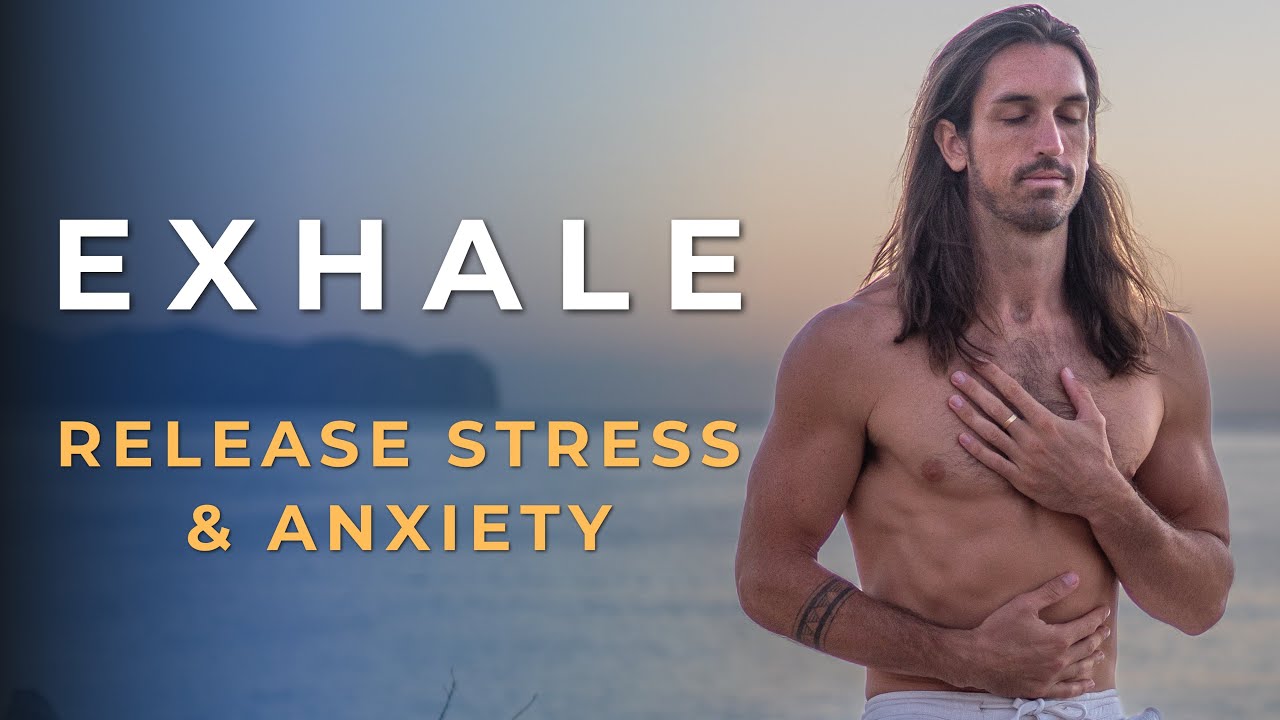
Breathwork Protocol: Accessing NaturalEuphoria in 17 Minutes

Breathe With Sandy
Breathe With Sandy
Sep 28, 2026
8 min di lettura
Guarda · 7
You're sitting in a comfortable chair or lying on your back. In two minutes, you'll begin breathing deliberately through your mouth—fast, then slow, then fast again. By minute seven, your pelvic floor muscles will be clenched. By minute fifteen, your nervous system will have been orchestrated through three distinct cycles of activation and release, and you will feel fundamentally different. Not metaphorically. Neurologically. This is the architecture of a modern breathwork session, and it hinges on a physiological principle that is neither new nor mystical: the human breath is a control lever for the autonomic nervous system.

The session opens with an invitation to arrive—to find a comfortable position, seated or prone, and to orient yourself in the space you occupy. This is not mere ceremony. The first instruction is actually the first intervention: before the breathing begins, the attention is placed on the body's signal. "Just listen to what your body is needing," the guide offers. This establishes a contract between intention and sensation, between doing and observing. You will be active in this session, but not blind.

Lettura · 7 sezioni

Why Mouth Breathing Changes the Baseline

The first round begins with slow, intentional breaths—in through the mouth or nose, out through the mouth. The guide notes explicitly that mouth breathing will be deeper. This is not arbitrary. Mouth breathing bypasses the nasal passages' natural resistance and allows larger volumes of air to enter the system more quickly. The effect is immediate: more oxygen floods the bloodstream, triggering a cascade of neurochemical activity. This is the first domino.

After the slow breaths, the protocol shifts. The guide activates "just a bit more," shifting into double-speed breathing—rapid inhales and exhales in rhythm with the music. Three full rounds of this accelerated pace, and the body begins to hyperventilate in a controlled, intentional way. Hyperventilation, when guided and voluntary, does something specific: it temporarily increases blood pH by expelling CO₂, which triggers what practitioners call an "activation" state. Your nervous system moves from parasympathetic (rest) into sympathetic (arousal). Your heart rate rises. Your senses sharpen. You feel something shifting.

Then the breath is held.

The Power of Breath Retention and the Body Squeeze

After each round, the guide instructs a full exhalation followed by a breath hold—a retention in stillness. During these holds, specific muscular work is introduced: "Squeeze your pelvic floor muscles. Squeeze your abdominals." This is not incidental. The pelvic floor is a primary center of nervous system regulation in the body's ancient mapping. Engaging it deliberately during a breath hold sends a signal of intense activation up through the core and spine. "Send this energy up your spine," the guide suggests—language that speaks to both biomechanics and the somatic experience of energy moving through the body's central channel.

The breath hold is the moment of highest intensity. The CO₂ that has been expelled by hyperventilation is not being replenished. The body enters a state of mild oxygen scarcity. The amygdala—your brain's threat-detection center—recognizes the pattern and begins to release endogenous compounds: adrenaline, then, as the hold extends and then releases, a flood of endocannabinoids and endorphins. The body is producing its own neurochemicals in response to a controlled physiological demand. This is the mechanism behind the title: "Get High on Your Own Supply."

Three rounds of this cycle—slow breathing, fast breathing, breath hold with muscular engagement, exhale with a sigh—reprogram the nervous system's setpoint. Each round follows the same structure but with increasing intensity. The first round establishes the pattern. The second round deepens it. By the third round, labeled explicitly as the "Final round of this journey," the body has learned the rhythm and commits fully to it.

Yin-Yang Balance and Nervous System Restoration

Between rounds, there is a deliberate pause. After the activation, the guide returns to slow breathing and invites awareness into the present moment: "Just being here now." This is the yin to the yang's yang—the parasympathetic recovery that makes the sympathetic surge safe and integrable. "Finding this balance between yin and yang," the guide articulates early in the session, naming the principle at work: the session is not about sustained arousal but about dynamic oscillation. Activation and rest. Doing and being. Squeeze and release.

This alternation is neurologically significant. The repeated cycles of sympathetic activation followed by parasympathetic recovery gradually reset your nervous system's baseline toward greater resilience. Each time you activate and then release, you're teaching your autonomic nervous system that intensity is survivable, that return is possible, and that you have agency in the process.

The Final Shift: Return to Nose Breathing and Integration

As the third round completes and the breath holds finish, the guide offers a specific instruction: "Return your breathing in and out of the nose. Staying this natural high that you've built up." The shift from mouth to nose breathing signals a transition from activation to integration. Nose breathing re-engages the parasympathetic nervous system. The breath becomes smaller, slower, more settled. You are no longer driving the state; you are allowing it to consolidate.

The final instruction is to share this state "with some gratitude before you go out and enjoy your day." This reframes the altered state not as an escape but as a resource—something you've generated and can now carry forward. The emphasis on kindness—"Be kind to yourself. Kind to others"—suggests that this protocol is not a performance art but a preparation. You've modified your neurochemistry and your nervous system's tone. The question that remains is what you'll do with it.

Why Fifteen Minutes Works

The session runs seventeen minutes, with active breathwork spanning roughly the first fifteen. This duration is not accidental. It takes time for the nervous system to register, integrate, and then begin to stabilize a new state. Too short, and the effect remains novelty without depth. Too long, and the nervous system can begin to dysregulate—to move from healthy activation into exhaustion or overwhelm. Fifteen minutes is the zone where the body can be thoroughly activated, the neurochemistry thoroughly shifted, and then carefully brought back to baseline, all while maintaining integration and safety.

The experience of this protocol—the subjective sense of euphoria, clarity, or elevation—emerges not from suggestion or atmosphere but from the neurochemistry of controlled stress followed by recovery. Your body is producing endorphins, endocannabinoids, and other endogenous compounds. Your blood pH has shifted. Your heart rate variability has increased. Your nervous system has been exercised and then released. These are not imagined effects. They are measurable.

Beyond the Session: Going Deeper

The session itself is a complete arc: welcome, instruction, three rounds of breathwork, return, and release. But the guide notes that this is an entry point. Longer sessions—available in more elaborate form through extended programs—allow for a deeper and more immersive state of self-discovery. "By engaging in longer and more intense sessions, breathers may access a deeper and more immersive state of self-discovery. This experience can lead to a greater level of insight, the emergence of new and enlightening thoughts, heightened awareness of one's emotional state, and improved clarity."

The architecture is scalable. The same principles—mouth breathing, activation, breath holds, core engagement, parasympathetic recovery—can be extended and elaborated. Twenty minutes becomes forty. One cycle becomes five. The nervous system learns to navigate increasingly complex territories of activation and return.

Where to go from here

If this protocol interests you, the first step is to practice it exactly as offered: find a quiet space, lie down or sit, and follow the guidance for the full seventeen minutes. Notice what shifts in your body, your breath, your emotional tone. The effect may be subtle on the first session and more pronounced on subsequent attempts as your nervous system becomes familiar with the rhythm. Consistency matters more than intensity. Three sessions a week will teach your body the pattern more effectively than one weekly session.

From there, you can explore variations. Some practitioners extend the breath holds. Others experiment with the speed of the double breathing. Some incorporate visualization during the retention phase. The scaffolding remains the same: activation, retention, release, integration. The variables are tunable.

The broader principle—that you can shift your neurological state through deliberate control of the breath—extends far beyond a single session. Once you've felt it happen, you carry the knowledge forward. In moments of stress, in conversations, in creative work, the breath becomes a tool you know how to use. The "high" of the fifteen-minute session is a training ground for a deeper autonomy: the ability to modulate your own nervous system, to access your own supply.

]]>
Comments

Loading the conversation…

Transcript

[0:15] All right. Welcome all you beautiful

[0:19] breathing people to another guided

[0:22] breath work session.

[0:24] Find your way to a comfortable position.

[0:27] This can be done seated or lying down.

[0:33] Just arrive to your space.

[0:37] Getting ready for this journey of deep

[0:39] breathing.

[0:41] We'll be breathing in and out of the

[0:43] mouth

[0:46] or in through the nose, out through the

[0:48] mouth.

[0:49] The mouth will be deeper.

[0:51] Just listen to what your body is

[0:53] needing.

[0:56] After each round of breathing, we're

[0:57] going to hold our breath after the

[0:59] exhale.

[1:01] Calming our nervous system [music] after

[1:04] the activation.

[1:06] Finding this balance between yin and

[1:09] yang.

[1:12] Beautiful.

[1:14] Begin with round number one in three,

[1:17] two,

[1:18] one.

[1:21] And out.

[1:22] Big inhale.

[1:25] Relaxed exhale.

[1:28] Beautiful.

[2:28] >> [snorts]

[2:42] >> All right, then we're going to activate

[2:44] just a bit more. And we're going to

[2:46] finish the round with a double speed

[2:48] breathing.

[2:53] Beautiful. Just follow the rhythm.

[2:55] [music]

[2:56] But you're almost there.

[3:20] All right, three more breaths.

[3:24] Two.

[3:26] Last one. Fully in.

[3:30] Take another sip. Hold. Squeeze your

[3:33] pelvic floor muscles. Squeeze your

[3:35] abdominals. [music]

[3:36] Send this energy up your spine.

[3:39] Relax. And now exhale with the sigh.

[3:43] >> [sighs]

[3:45] >> Just fully relax

[3:48] into this moment.

[3:50] Holding your breath.

[3:53] Just being here now.

[5:02] Beautiful. Let's inhale fully in.

[5:07] Hold your breath at the top. And just

[5:10] feel.

[5:23] Now exhale with a sigh and a smile.

[5:28] Yeah.

[5:29] All right, let's move on to round number

[5:32] two, starting with the slow breathing.

[5:37] In three,

[5:38] two,

[5:39] one.

[6:20] >> [sighs]

[7:05] >> All right, final slow breath.

[7:08] In deep with double speed. In and

[7:12] out.

[7:13] In and

[7:14] out.

[7:15] Beautiful.

[7:42] Three more breaths.

[7:45] Two.

[7:47] Last one, as big as you can, and hold

[7:50] your breath at the top.

[7:52] Hold. Hold. Squeeze everything tight.

[8:00] Relax and exhale with a sigh.

[8:06] Hold in your breath.

[8:09] Just feeling everything slow down.

[9:48] >> Beautiful. Let's take it in now. Fully

[9:50] in.

[9:53] Hold your breath.

[10:07] Now exhale with a sigh.

[10:12] Yeah, all right. Final round of this

[10:14] journey.

[10:16] Let's continue getting high on our own

[10:18] supply.

[10:19] Round number three, double speed

[10:21] breathing. In three,

[10:24] two,

[10:25] one.

[10:26] >> [music]

[11:59] [music]

[12:12] [music]

[12:27] >> Three more [music] breaths.

[12:30] Two.

[12:33] Last one. Pull in.

[12:37] Squeeze. Pull your pelvic floor muscles

[12:40] up. Pull your abdominal muscles in.

[12:46] Relax everything.

[12:48] And exhale with a sigh.

[12:50] >> [sighs]

[12:53] >> Holding your breath.

[12:57] Just place your full awareness

[13:00] on this moment.

[14:56] >> Beautiful. Inhale.

[15:02] Hold your breath. Feel.

[15:18] Now exhale with a sigh.

[15:21] >> [sighs]

[15:23] >> Beautiful. Return your breathing in and

[15:27] out of the nose.

[15:30] Staying this natural high that you've

[15:33] built up.

[15:37] And share it with some gratitude

[15:41] before you go out and enjoy your day.

[15:46] Be kind to yourself. Kind to others.

[15:50] Much love to all of you.

[15:53] Remember to breathe and remember to

[15:56] laugh.

[15:57] Peace.

Breathe With Sandy
ArtistBreathe With Sandy

Watch more from Breathe With Sandy on YouTube.

Vedi il profiloSito web
Esplora i temi
BreathworkNervous-systemSomatic-practiceEndocrineActivation-recovery

Hai domande?

Domande frequenti

Mouth breathing allows larger volumes of air to enter the system more quickly compared to nasal breathing, which has natural resistance. This deeper, faster breathing during the accelerated rounds causes rapid CO₂ expulsion, which temporarily increases blood pH and triggers a sympathetic nervous system response—the activation state the protocol relies on.
After hyperventilation expels CO₂, the breath hold creates a brief state of mild oxygen scarcity that signals the body to release endogenous compounds like endorphins and endocannabinoids. This is the neurochemical mechanism behind the euphoria or clarity some people experience during breathwork.
The pelvic floor is a primary nervous system regulation center. Deliberately engaging it during a breath hold sends an activation signal up the spine and core, intensifying the nervous system response and enhancing the overall effect of the breathwork cycle.
A fifteen-minute session is typically long enough for the nervous system to register activation, integrate the neurochemical shifts, and begin to stabilize a new state. Effects may feel subtle on a first attempt but typically become more pronounced with repeated practice as your body becomes familiar with the rhythm.
The session alternates between sympathetic activation (fast breathing, breath holds, muscle engagement) and parasympathetic recovery (slow breathing, stillness). This dynamic oscillation teaches your nervous system that intensity is survivable and that return to calm is always possible, gradually increasing overall nervous system resilience.
The session is designed to be safe for regular practice, though consistency three times per week often teaches the pattern more effectively than daily sessions. Starting with once or twice weekly allows your nervous system to integrate the practice before increasing frequency.
Shifting from mouth to nose breathing signals a transition from activation to integration, reengaging the parasympathetic nervous system and allowing the nervous system to settle. Nose breathing is smaller and slower, helping consolidate the altered state before returning to daily life.

Continua a leggere

More from Breathe

Vedi Tutto
10-Minute Breathing Protocol to Reset Your Nervous System
Inspire

10-Minute Breathing Protocol to Reset Your Nervous System

A guided breathwork session using two-inhale-one-exhale cycles to activate relaxation and nervous system reset within 10 minutes.…

1 min read
Breathwork to Support DMT Release: 3 Rounds of Guided Breathing
Inspire

Breathwork to Support DMT Release: 3 Rounds of Guided Breathing

A 19-minute guided psychedelic breathwork session combining conscious connected breathing with 90-second breath retentions across three roun…

1 min read
Govinda Jaya: How Sacred Sound Awakens the Heart
Inspire

Govinda Jaya: How Sacred Sound Awakens the Heart

Radhika Das channels the liberating power of mantra through a luminous kirtan performance at Medicine Festival, invoking divine names to pur…

1 min read
Om Namah Shivaya Chant: Ecstatic Trance Meditation
Inspire

Om Namah Shivaya Chant: Ecstatic Trance Meditation

Jai Uttal guides listeners into an ecstatic chant trance with Om Namah Shivaya, the Sanskrit invocation of Shiva consciousness. A 91-second …

1 min read

Continua a esplorare

Continua il tuo viaggio

Altra saggezza e altri incontri da tutta la directory BrightStar.

Altri articoli

Sfoglia l’intera raccolta di insegnamenti, interviste e guide.

Torna a tutti gli articoli →

Insegnanti e artisti

Esplora i lignaggi, i musicisti e le guide del mondo consapevole.

Esplora gli artisti →

Trova un evento

Kirtan, ritiri, sound bath, breathwork, festival: in arrivo presto.

Sfoglia gli eventi →