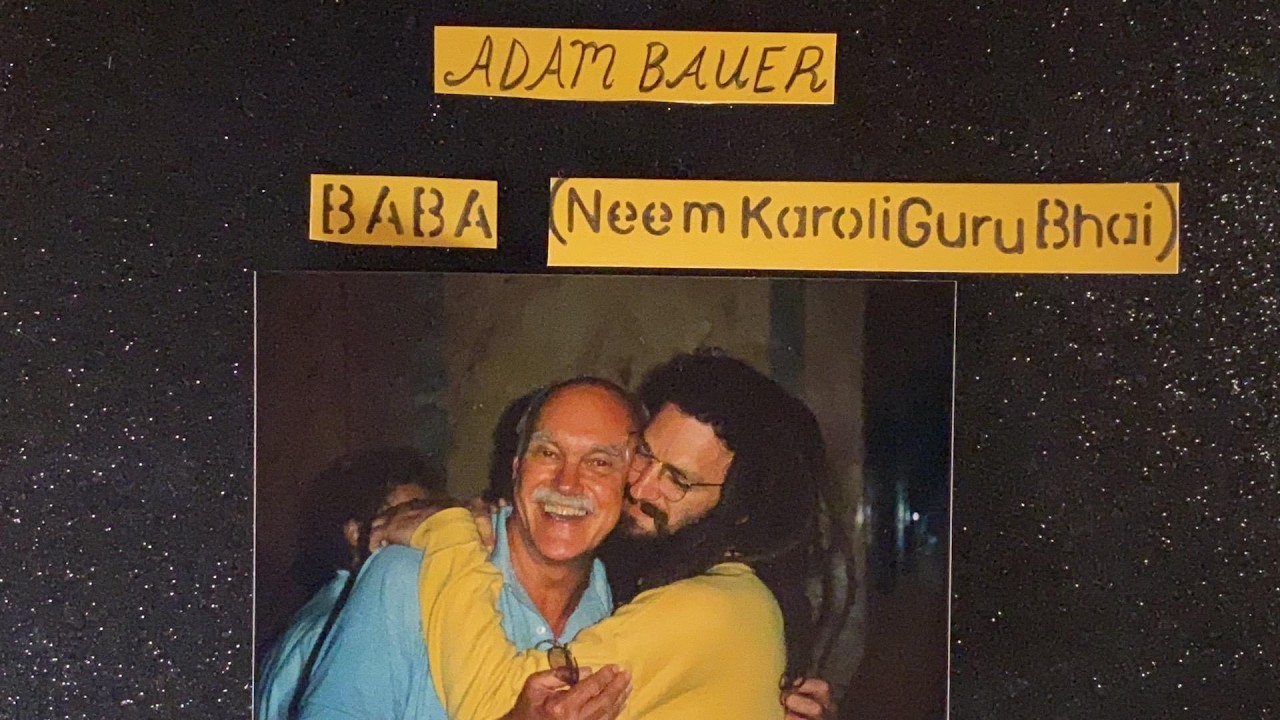
Neem Karoli Baba's profound assertion, "There is only one God, with many names," invites us to explore the intricate tapestry of spiritual understanding that transcends cultural and religious boundaries. This statement serves as a reminder that while humanity may express its relationship with the divine through various names and forms, the essence of that divinity remains singular and unified. In a world often divided by differing beliefs, this perspective holds the potential to foster compassion, understanding, and unity among diverse communities.
At its core, this quote challenges us to reconsider our perceptions of God and spirituality. It encourages a shift from a narrow, dogmatic view to a broader, more inclusive understanding that honors the myriad ways in which people connect with the divine. By recognizing that the divine can be approached through various names and practices, we open ourselves to a richer, more nuanced experience of spirituality that celebrates both individuality and oneness.
The image / the metaphor
The imagery embedded in Neem Karoli Baba's words evokes a sense of vastness and inclusivity. The phrase "one God" suggests a singular, transcendent reality that underlies all existence, while "many names" acknowledges the diverse expressions and interpretations of that reality across different cultures and traditions. This duality captures the essence of the divine as both immanent and transcendent, inviting us to appreciate the complexity of spiritual experience.
Diving deeper into the metaphor, we can envision the divine as a vast ocean, with each name representing a unique wave that rises and falls within it. Each wave, while distinct in its form and movement, is ultimately part of the same ocean, illustrating the interconnectedness of all spiritual paths. This metaphor encourages us to embrace the diversity of spiritual expressions while recognizing their shared origin in the one divine source.
In the speaker's tradition
Neem Karoli Baba's teachings are rooted in the bhakti tradition, which emphasizes devotion and love for the divine as a means of spiritual realization. Central to bhakti is the concept of surrender, or *bhakti*, where the devotee relinquishes the ego and merges with the divine. This aligns with the idea of *kenosis*, or self-emptying, found in various spiritual traditions, where the individual seeks to dissolve the barriers that separate them from the divine essence.
A relevant text that echoes this sentiment is the *Bhagavad Gita*, where Krishna reveals the unity of all beings in the divine. In Chapter 9, Verse 22, Krishna states, "To those who are constantly devoted and who worship Me with love, I give the understanding by which they can come to Me." This passage reinforces the notion that regardless of the name or form through which one approaches God, the ultimate goal remains the same: union with the divine source of all existence.
Living the teaching
In contemporary life, the teaching of recognizing one God with many names can manifest in our interactions with others. Consider a workplace where individuals hail from various cultural and religious backgrounds. By embracing the idea that each person’s spiritual expression is a valid path to the same divine source, we can cultivate an atmosphere of respect and collaboration. This understanding can transform potential conflicts into opportunities for learning and growth, fostering a sense of community that honors diversity.
Moreover, this teaching can be particularly poignant in personal relationships. Imagine a moment of disagreement with a loved one over differing beliefs or practices. Instead of allowing these differences to create division, one might reflect on the shared essence that binds them together. By acknowledging that both individuals are seeking the same divine truth through different names and paths, the relationship can deepen, fostering empathy and understanding rather than discord.
A reflection
As we contemplate Neem Karoli Baba's profound insight, we are invited to reflect on our own spiritual journey. How do we perceive the names and forms through which we connect with the divine? In what ways can we cultivate a deeper appreciation for the diverse expressions of spirituality around us? This contemplation encourages us to embrace unity in diversity, fostering a more compassionate and inclusive world.