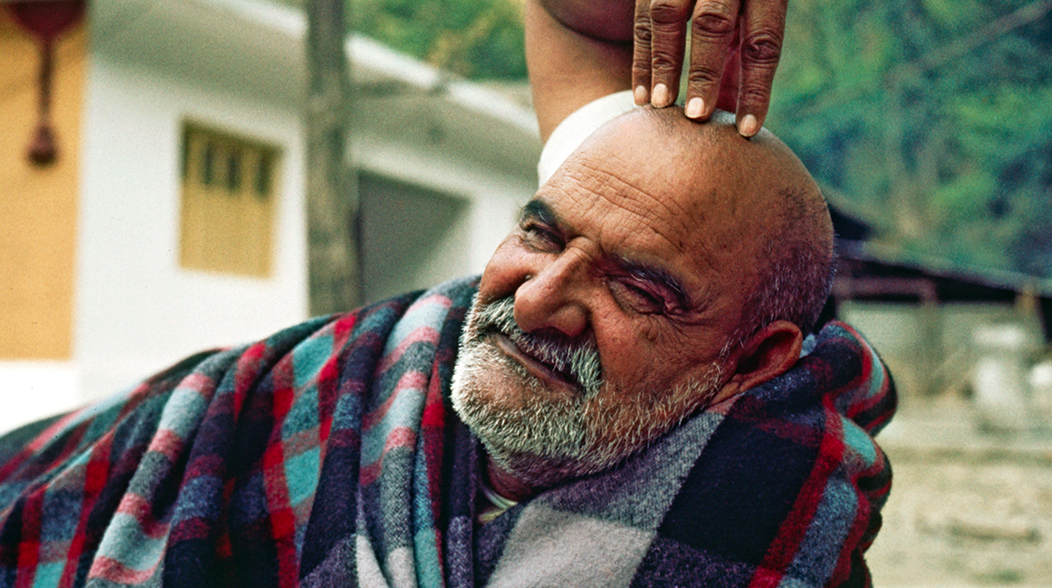
“Hanuman is in your heart. Trust that.” This profound statement by Neem Karoli Baba invites us to explore the depths of our inner selves, suggesting that the divine presence of Hanuman resides within each of us. It speaks to the essence of trust—not merely in a distant deity, but in the innate strength and love that we carry within our own hearts. In a world often filled with doubt and uncertainty, this message serves as a reminder that we are never alone; the qualities of devotion, courage, and unwavering faith are always accessible to us.
To trust that Hanuman dwells in our hearts is to embrace a radical form of self-acceptance and surrender. It encourages us to look inward for guidance and strength, rather than seeking validation from external sources. This trust is not blind; it is rooted in the understanding that the divine is not separate from us but is an integral part of our being. By recognizing this connection, we can cultivate a deeper sense of peace and resilience, allowing us to navigate life's challenges with grace and confidence.
The image / the metaphor
The imagery in Neem Karoli Baba's quote evokes a sense of intimacy and immediacy. The heart, often regarded as the seat of emotions and spiritual insight, becomes a sacred space where Hanuman, the embodiment of devotion and strength, resides. The verb "trust" implies an active engagement with this inner presence, suggesting that faith is not a passive state but a dynamic relationship that requires nurturing and attention. This metaphor invites us to envision our hearts as temples, where the divine qualities of Hanuman can be accessed and expressed in our daily lives.
Diving deeper into the metaphor, we can see that the heart symbolizes not just emotional capacity but also spiritual wisdom. In many traditions, the heart is viewed as a bridge between the physical and spiritual realms. By trusting that Hanuman resides within, we are encouraged to cultivate qualities such as compassion, loyalty, and courage—traits that Hanuman exemplifies. This inner trust transforms our understanding of ourselves and our place in the world, allowing us to act from a space of love rather than fear.
In the speaker's tradition
Neem Karoli Baba's teachings are deeply rooted in the tradition of bhakti, which emphasizes devotion and love for the divine. In this context, the concept of dharma—one's duty or righteous path—becomes intertwined with the idea of trusting the divine presence within. Bhakti encourages a personal relationship with the divine, fostering a sense of belonging and connection that transcends the individual self. This trust in the heart aligns with the notion of kenosis, or self-emptying, where one surrenders to the divine will, allowing the heart to be filled with love and compassion.
A relevant text that echoes this sentiment is the Ramayana, where Hanuman's unwavering devotion to Lord Rama serves as a model for bhakti. Hanuman's actions demonstrate that true strength lies not in physical prowess but in the depth of one's love and commitment. By embodying these qualities, we can cultivate a heart that reflects the divine, allowing us to navigate our lives with purpose and clarity. The teachings of Neem Karoli Baba remind us that this inner journey is not solitary; it is a collective experience of love and trust that connects us all.
Living the teaching
Consider a modern scenario where this teaching might resonate: a person facing a significant life decision, perhaps a career change or a relationship challenge. In moments of uncertainty, it can be easy to become overwhelmed by fear and doubt. However, by trusting that Hanuman resides in their heart, this individual can tap into their inner strength and wisdom. This trust allows them to approach the decision with clarity, guided by the qualities of courage and devotion that Hanuman embodies, rather than succumbing to external pressures or anxieties.
Another application of this teaching can be found in interpersonal relationships, particularly during conflicts or misunderstandings. When tensions arise, it is easy to react from a place of hurt or defensiveness. However, by remembering that Hanuman's spirit of compassion and loyalty dwells within, individuals can choose to respond with patience and understanding. This shift in perspective fosters deeper connections and healing, allowing love to prevail over discord. In daily practice, cultivating this trust can transform not only our relationships but also our entire approach to life.
A reflection
As we contemplate the essence of Neem Karoli Baba's words, we are invited to ask ourselves: How can I cultivate a deeper trust in the divine presence within my heart? This question encourages introspection and invites us to explore the ways in which we can nurture our inner connection to Hanuman. By reflecting on this, we can begin to uncover the layers of strength and love that reside within us, guiding us toward a more authentic and fulfilling existence.