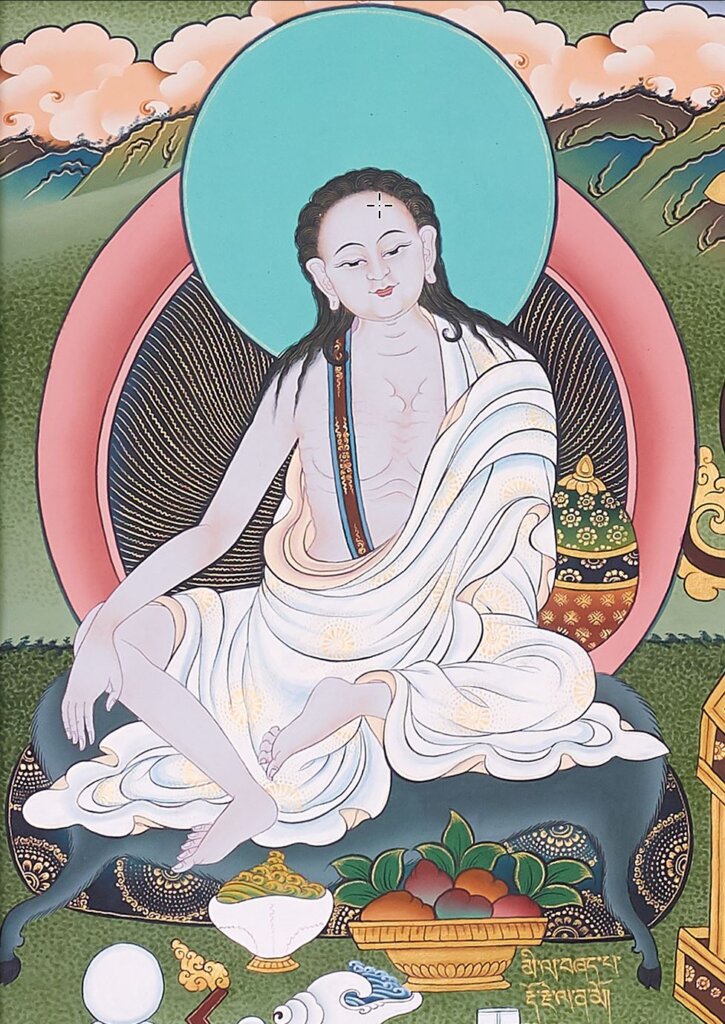
The Essence Beyond Decoration
Milarepa's assertion that "All else is decoration" invites us to peel back the layers of our existence and confront the essence of our being. In a world saturated with distractions and superficial embellishments, this quote serves as a clarion call to prioritize what truly matters. It challenges us to discern the core of our experiences, relationships, and aspirations, urging us to seek authenticity amidst the noise of daily life. Understanding this teaching is crucial, as it can lead to a more profound sense of fulfillment and clarity.
As we delve deeper into Milarepa's wisdom, we recognize that this statement is not merely a critique of materialism or superficiality; it is an invitation to explore the depths of our spiritual journey. The term "decoration" evokes images of adornments that, while beautiful, can obscure the underlying truth. By stripping away these layers, we can engage with the raw, unembellished aspects of our lives, fostering a deeper connection with ourselves and the world around us. This exploration of essence versus decoration is a timeless theme that resonates across cultures and spiritual traditions.
The image / the metaphor
At its core, Milarepa's quote conjures an image of a canvas adorned with vibrant colors and intricate patterns, yet beneath it lies a simple, unadorned surface. The choice of the word "decoration" suggests that while embellishments may enhance our experiences, they can also distract us from the fundamental truths of existence. The verb "is" indicates a state of being, emphasizing that essence is not merely an aspect of life but its very foundation. This imagery evokes a sense of clarity, inviting us to look beyond the superficial and engage with the essence of our lives.
Diving deeper into the metaphor, we can see that "decoration" represents the myriad distractions that fill our lives—social media, material possessions, and societal expectations. These elements, while often alluring, can lead us away from our true selves. In contrast, the essence Milarepa speaks of is akin to the stillness found in meditation, where one can encounter the unadorned nature of reality. This metaphor serves as a reminder that the pursuit of authenticity requires courage to confront the uncomfortable truths that lie beneath the surface.
In the speaker's tradition
Milarepa, a revered figure in Tibetan Buddhism, embodies the principles of dharma and the quest for enlightenment. His life story illustrates the transformative power of renunciation and the pursuit of inner truth. The concept of "sunyata," or emptiness, resonates deeply with his assertion that all else is decoration. In recognizing the emptiness of our attachments and desires, we can begin to uncover the essence of our being, which is untainted by the superficial layers we often cling to.
In the context of Milarepa's teachings, we can draw parallels to the notion of "kenosis," or self-emptying, found in various spiritual traditions. This process involves letting go of the ego and the myriad distractions that cloud our perception. In the Tibetan Buddhist text "The Songs of Milarepa," the poet-saint emphasizes the importance of direct experience and personal realization, urging practitioners to seek the essence of their own lives rather than getting lost in the decorations of the world around them.
Living the teaching
Consider a modern scenario where this teaching resonates: the overwhelming nature of social media. Many individuals find themselves caught in a cycle of comparison, where the curated lives of others serve as a constant backdrop to their own experiences. In this context, Milarepa's wisdom encourages us to step back and evaluate what truly matters. By recognizing that the online personas we encounter are often mere decorations, we can reclaim our focus on genuine connections and experiences that nourish our souls.
In relationships, this teaching can manifest in the way we interact with loved ones. Often, we may become preoccupied with the "decorations" of love—gifts, grand gestures, or social status—rather than the essence of connection and understanding. By prioritizing open communication, empathy, and shared experiences, we can cultivate deeper relationships that reflect the essence of love itself. This shift in perspective invites us to engage more authentically with those around us, fostering a sense of belonging that transcends superficiality.
A reflection
As we contemplate Milarepa's profound statement, we are invited to reflect on our own lives: What are the decorations that distract us from our essence? In what ways do we allow societal expectations or material pursuits to overshadow our true selves? This contemplative inquiry can serve as a guiding light, illuminating the path toward authenticity and deeper fulfillment. By embracing the essence of our being, we can begin to navigate life with clarity and purpose, unencumbered by the weight of unnecessary adornments.
