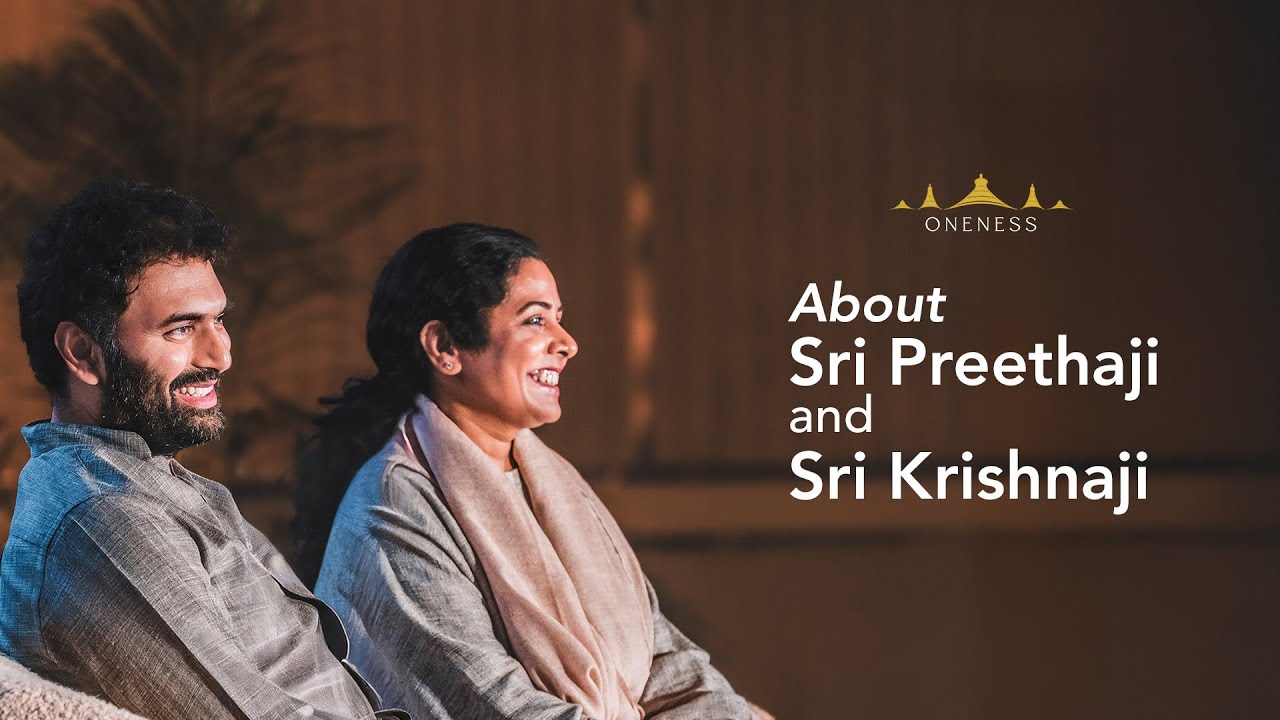
The Dance of Mutual Growth in Relationships
The quote by Krishnaji, "True relationship is when both people grow together," invites us to reflect on the essence of connection between individuals. It suggests that the foundation of a meaningful relationship lies not merely in shared experiences or emotional bonds, but in a mutual commitment to personal and collective growth. This perspective challenges the often superficial understanding of relationships as static entities, urging us to recognize that true intimacy flourishes when both partners actively nurture each other's development.
In a world where relationships can sometimes feel transactional or one-sided, Krishnaji's insight serves as a profound reminder of the transformative potential inherent in genuine connections. It emphasizes that growth is not a solitary journey; rather, it is a shared path that requires vulnerability, openness, and a willingness to evolve together. This notion of mutual growth is essential not only for romantic partnerships but also for friendships, familial ties, and even professional relationships, where the interplay of support and encouragement can lead to profound personal and communal transformations.
The image / the metaphor
At the heart of Krishnaji's quote lies a vivid metaphor of growth, akin to two plants intertwined, drawing nourishment from the same soil while reaching for the sun. The verbs "grow together" evoke a sense of dynamic movement, suggesting that relationships are not static but rather living entities that require care, attention, and cultivation. This imagery invites us to envision a partnership where both individuals are not only present but actively engaged in each other's journeys, fostering an environment where both can flourish.
Diving deeper into this metaphor, we can see that growth in relationships often involves navigating challenges and embracing change. Just as plants must adapt to their environment, individuals in a relationship must be willing to confront their fears, insecurities, and limitations. This process of mutual growth can be both exhilarating and daunting, as it requires a delicate balance of support and independence. The beauty of this metaphor lies in its reminder that true connection is not about losing oneself in another, but rather about enhancing one's own essence while uplifting the other.
In the speaker's tradition
Krishnaji's teachings are deeply rooted in the oneness movement, which emphasizes the interconnectedness of all beings and the importance of collective awakening. Concepts such as dharma, or the path of righteousness, and kenosis, the act of self-emptying, resonate with the idea of mutual growth in relationships. In this context, true relationship becomes a sacred space where individuals can explore their own paths while simultaneously supporting each other's journeys toward enlightenment and fulfillment.
A relevant text that echoes this sentiment is the concept of bhakti, or devotion, which highlights the importance of love and surrender in relationships. In the Bhagavad Gita, the notion of selfless love is portrayed as a means of transcending the ego and fostering a deeper connection with others. This aligns beautifully with Krishnaji's assertion that true relationships are built on a foundation of mutual growth, where love becomes a catalyst for transformation and spiritual evolution.
Living the teaching
Consider a modern scenario where two colleagues embark on a collaborative project. Initially, their focus may be on completing tasks and achieving results. However, as they engage in open dialogue and share their individual strengths and weaknesses, they begin to cultivate a deeper understanding of each other. This process of mutual growth transforms their professional relationship into a partnership that not only enhances their work but also fosters personal development, as they learn from each other's perspectives and experiences.
A reflection
As we contemplate Krishnaji's profound insight, we are invited to consider the nature of our own relationships. Are we fostering environments where mutual growth is not only possible but encouraged? In what ways can we actively support the growth of those we are connected to, while also being open to our own transformation? Reflecting on these questions can illuminate the path toward deeper, more meaningful connections in our lives.