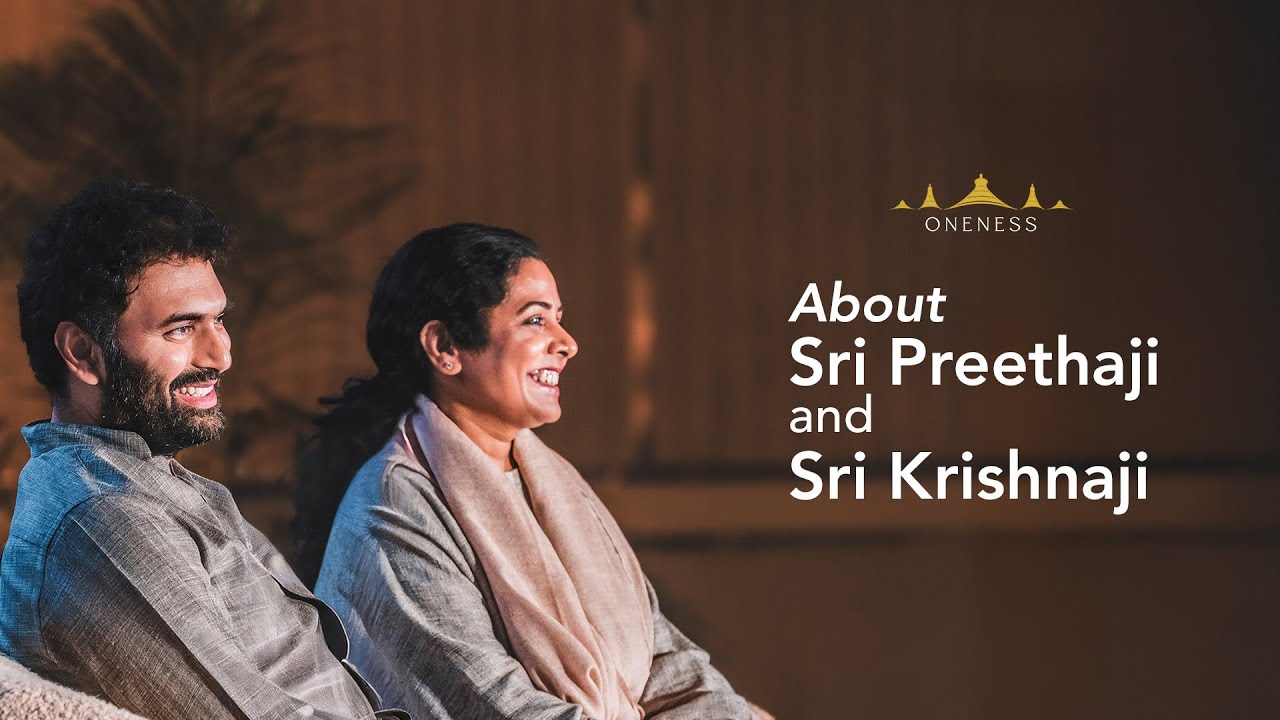
Krishnaji's assertion, "In every relationship, your state is your offering," invites us to reflect on the profound impact of our inner state on our interactions with others. This statement underscores the idea that our emotional and spiritual condition serves as a gift we present to those we engage with. The stakes are high; our relationships can flourish or falter based on the quality of our presence. Recognizing this can transform how we approach our connections, urging us to cultivate a state of being that is generous, open, and loving.
Delving deeper, we find that this quote speaks to the essence of relational dynamics. It suggests that our internal landscape—our thoughts, feelings, and overall state of being—shapes the energy we bring into our relationships. This offering is not merely a passive state but an active contribution to the relational field. When we understand our state as an offering, we become more mindful of how we show up for others, realizing that our presence can either uplift or diminish the quality of our interactions.
The image / the metaphor
At its core, the quote evokes a vivid image of relational exchange, where our state acts as a currency in the realm of human connection. The choice of the word "offering" suggests a sacrificial element, implying that what we bring to our relationships is not just a reflection of ourselves but a gift that can nourish or deplete. The verbs "is" and "offering" highlight a state of being that is both present and active, emphasizing that our emotional and spiritual states are not static but rather dynamic forces that influence the relational landscape.
Going deeper into the metaphor, we can envision our state as a garden that we tend to before entering into the world of relationships. Just as a gardener nurtures plants to flourish, we must cultivate our inner state to ensure that it is vibrant and life-giving. This metaphor extends to the idea that our emotional and spiritual health directly affects the quality of our interactions, suggesting that a well-tended inner garden can yield fruitful relationships, while a neglected one may lead to discord and misunderstanding.
In the speaker's tradition
Krishnaji's teachings are deeply rooted in the oneness movement, which emphasizes the interconnectedness of all beings. Within this framework, concepts such as dharma—the moral order of the universe—and kenosis, the act of self-emptying for the sake of others, resonate profoundly with the idea that our state is our offering. When we embody these principles, we align ourselves with a higher purpose, recognizing that our relationships are not merely transactional but sacred exchanges that reflect our commitment to the collective well-being.
A relevant text that echoes this sentiment is the Bhagavad Gita, which teaches that one's actions should be performed without attachment to the fruits of those actions. This aligns with Krishnaji's notion that our state, as an offering, should be given freely and selflessly, fostering a sense of unity and love in our relationships. By understanding our state as an offering, we engage in a practice of selflessness that enriches both ourselves and those around us.
Living the teaching
Consider a modern scenario where this teaching can be applied: a workplace conflict. Imagine two colleagues who are at odds over a project. If one approaches the situation with a state of frustration and defensiveness, the interaction is likely to escalate. However, if one of them consciously shifts their state to one of openness and compassion, they can transform the conversation into a constructive dialogue. This shift not only changes the immediate interaction but also sets a tone for future collaborations, illustrating how our inner state can profoundly influence relational dynamics.
Another application can be found in intimate relationships, particularly during challenging moments. When faced with a disagreement, one partner may feel hurt and withdraw, while the other may respond with anger. However, if one partner chooses to embody a state of understanding and vulnerability, they can offer a different energy to the interaction. This conscious choice to present a nurturing state can pave the way for healing and deeper connection, demonstrating the power of our offering in the realm of love and intimacy.
A reflection
As we contemplate Krishnaji's words, we might ask ourselves: "What state am I offering in my relationships today?" This question invites us to engage in self-reflection, encouraging us to examine our emotional and spiritual landscapes. By becoming aware of our inner state, we can begin to understand how it shapes our interactions and, ultimately, the quality of our relationships. This inquiry not only fosters personal growth but also deepens our connections with others, reminding us that our presence is a powerful gift.