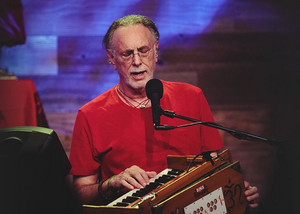
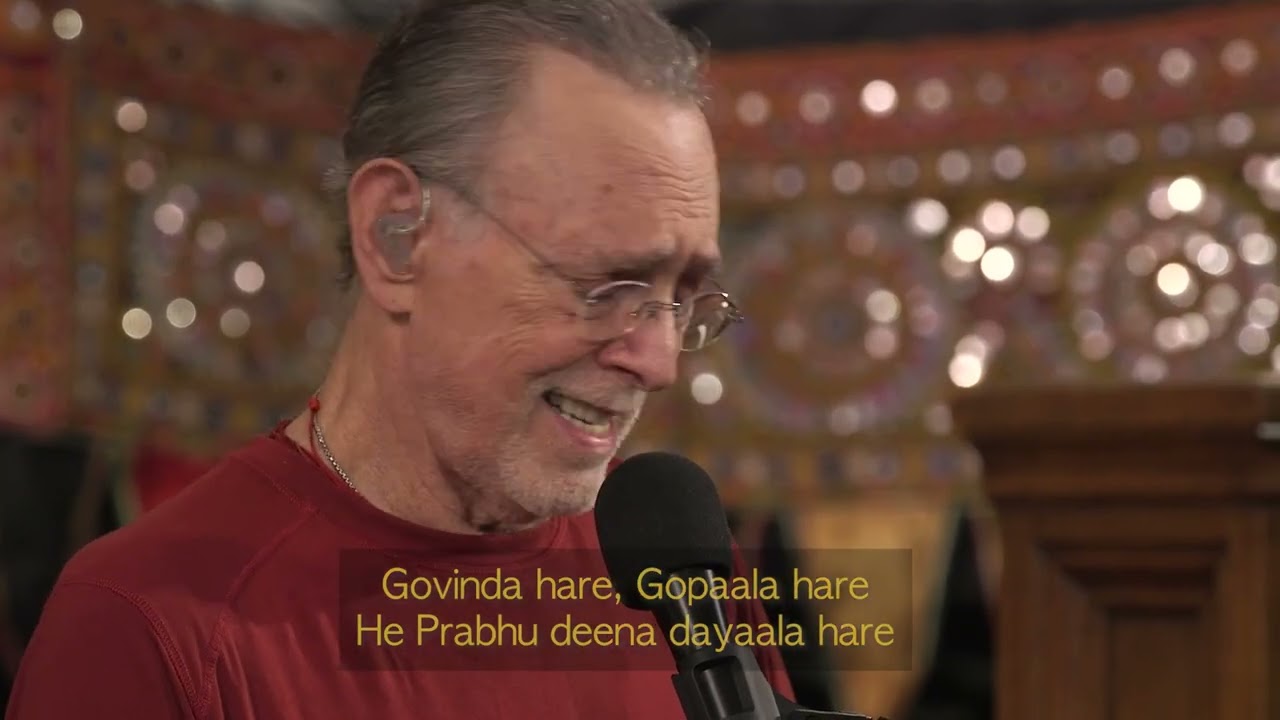
In the words of Krishna Das, "You are not chanting alone. The whole lineage chants with you." This profound statement invites us to recognize the interconnectedness of our spiritual practices, suggesting that each time we engage in chanting, we are not merely participating in an isolated act but are instead joining a vast chorus of voices that spans generations. This understanding can transform our experience of devotion, infusing it with a sense of belonging and continuity that transcends our individual existence.
To chant is to engage in a sacred dialogue, a practice that resonates with the echoes of those who have come before us. When we acknowledge that we are part of a lineage, we begin to appreciate the depth of our spiritual heritage. This lineage is not just a historical record; it is a living, breathing entity that supports and nurtures our practice. The act of chanting becomes a bridge connecting us to the wisdom and devotion of countless practitioners, reminding us that we are part of something much larger than ourselves.
The image / the metaphor
The imagery in Krishna Das's quote evokes a sense of community and shared purpose. The word "chanting" suggests a rhythmic, melodic expression of devotion, while "lineage" conjures the idea of a continuous thread woven through time. The choice of the verb "chants" implies an active, ongoing process, inviting us to participate in this collective expression of love and devotion. The felt sense of this quote is one of warmth and inclusion, as if we are being embraced by the voices of those who have walked the path before us.
Diving deeper into the metaphor, we can see that chanting serves as a conduit for spiritual energy, a means of connecting with the divine and with each other. The lineage represents not just a historical continuum but also a spiritual current that flows through time and space. When we chant, we tap into this current, allowing it to carry us along in a wave of devotion and unity. This metaphor of interconnectedness emphasizes that our spiritual journeys are not solitary endeavors but rather communal experiences enriched by the presence of others.
In the speaker's tradition
Krishna Das's teachings are rooted in the bhakti tradition, which emphasizes devotion and love for the divine as the primary means of spiritual realization. In bhakti, the concept of lineage is crucial, as it connects practitioners to a rich tapestry of spiritual teachers and teachings. This lineage embodies the principles of dharma, or righteous living, and encourages practitioners to cultivate a sense of humility and surrender. The act of chanting becomes a form of kenosis, or self-emptying, allowing us to dissolve our individual egos in the presence of the divine and the collective.
A relevant text that resonates with this theme is the Bhagavad Gita, where Krishna speaks of the importance of surrendering to a higher power and recognizing the interconnectedness of all beings. In Chapter 9, Verse 22, Krishna assures Arjuna that those who are devoted to Him will have their needs met, emphasizing the support of the divine and the lineage of devotees. This assurance reinforces the idea that when we chant, we are not alone; we are enveloped in a divine embrace that transcends our individual struggles.
Living the teaching
Consider a modern scenario where this teaching can be applied: a group of friends gathers for a weekly chanting session. Each person brings their unique struggles and joys, yet as they chant together, they experience a profound sense of unity. The act of chanting becomes a shared ritual that not only uplifts their spirits but also deepens their connection to one another and to the lineage of practitioners who have engaged in this sacred practice throughout history. In this context, the quote serves as a reminder that their voices are part of a larger symphony of devotion, echoing through time.
Another application of this teaching can be found in moments of personal difficulty. Imagine facing a challenging situation, feeling isolated and overwhelmed. By recalling Krishna Das's words, one might find solace in the understanding that they are not alone in their struggles. The lineage of practitioners who have faced similar challenges offers a sense of support and encouragement. In this way, the practice of chanting can become a lifeline, a reminder that we are part of a vast community of seekers, all striving for connection and understanding.
A reflection
As we contemplate Krishna Das's quote, we are invited to reflect on our own spiritual journeys and the connections we share with others. How does the understanding that "the whole lineage chants with you" change the way you approach your practice? In what ways can you cultivate a deeper sense of connection to the lineage of practitioners who have come before you? Allow these questions to guide your contemplation, opening your heart to the collective energy of devotion that surrounds you.