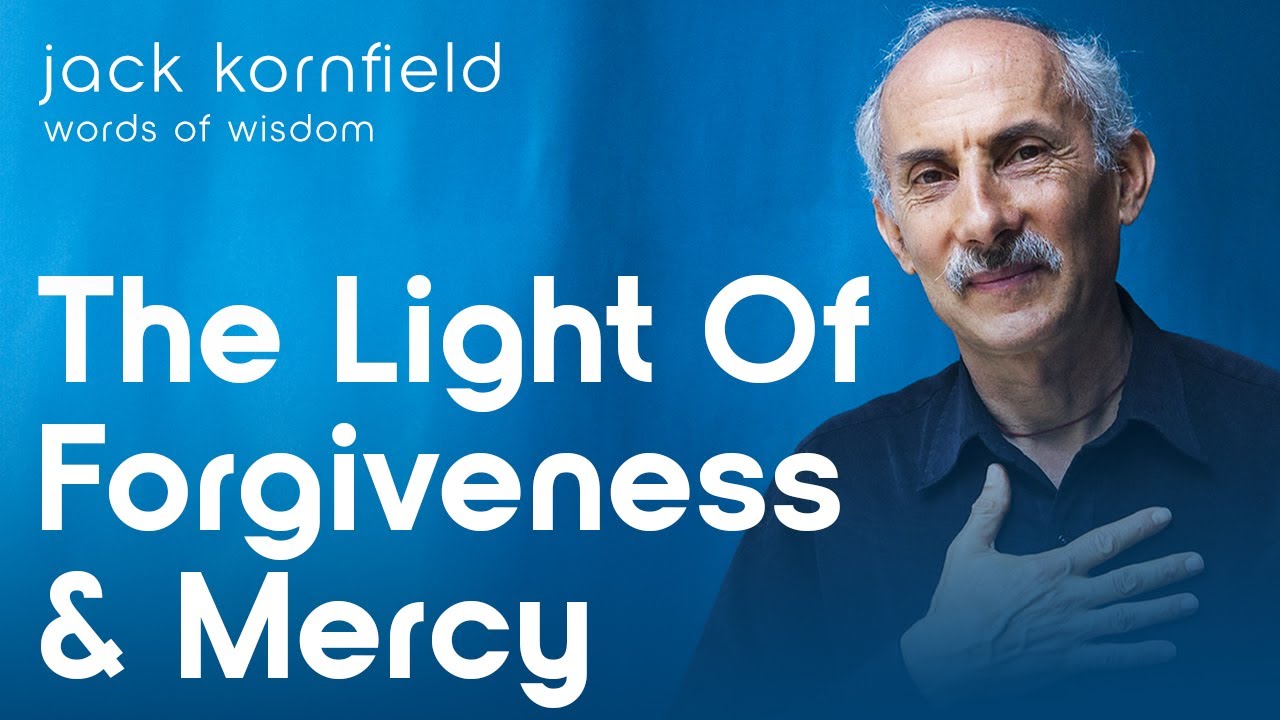
Jack Kornfield's assertion that "the whole world becomes alive when we are mindful" invites us to explore the profound connection between our awareness and the vibrancy of life itself. In a world often dulled by distraction and routine, this quote serves as a gentle reminder of the transformative power of mindfulness. It suggests that when we cultivate a present-moment awareness, we not only enhance our own experience but also awaken the richness of the world around us. This awakening is not merely an individual endeavor; it resonates with the interconnectedness of all beings, urging us to engage deeply with the life that unfolds in each moment.
Mindfulness, as Kornfield articulates, is not just a practice but a way of being that can illuminate our existence. It calls us to step out of the shadows of our habitual thoughts and into the light of awareness, where the mundane transforms into the extraordinary. This shift in perception can lead to a profound sense of aliveness, where every sound, sight, and sensation becomes imbued with meaning. By embracing mindfulness, we cultivate a deeper relationship with ourselves and the world, fostering a sense of presence that enriches our lives and those of others.
The image / the metaphor
The imagery in Kornfield's quote evokes a sense of awakening and vitality. The phrase "the whole world becomes alive" suggests a dynamic interplay between our consciousness and the external environment. It implies that the world is not a static backdrop to our lives but rather a vibrant tapestry that responds to our awareness. The choice of the verb "becomes" indicates a transformation, highlighting that this aliveness is not inherent but rather a result of our mindful engagement. This perspective invites us to consider how our attention shapes our experience, turning the ordinary into the extraordinary.
In the speaker's tradition
Jack Kornfield's teachings are deeply rooted in the Buddhist tradition, where mindfulness is a central tenet of the path to awakening. In Buddhism, the concept of dharma encompasses the teachings and practices that lead to liberation from suffering. Mindfulness, or sati, is a crucial aspect of this path, allowing practitioners to cultivate awareness and insight into the nature of reality. This practice aligns with the idea of sunyata, or emptiness, which teaches that our perceptions are shaped by our thoughts and beliefs. By recognizing the impermanent and interconnected nature of existence, we can awaken to the aliveness that Kornfield speaks of.
In his book "A Path with Heart," Kornfield draws upon the teachings of the Buddha, emphasizing the importance of being present in each moment. This echoes the teachings found in the Satipatthana Sutta, where the Buddha instructs practitioners to cultivate mindfulness of the body, feelings, mind, and phenomena. By engaging with these aspects of experience, we can develop a deeper understanding of ourselves and the world, ultimately leading to a sense of liberation and aliveness. Kornfield's insights serve as a modern interpretation of these ancient teachings, inviting us to embrace mindfulness as a path to awakening.
Living the teaching
Consider a modern scenario where the teaching of mindfulness can be applied: a busy morning commute. As we rush to our destinations, it is easy to become lost in our thoughts, consumed by the tasks ahead. However, if we take a moment to practice mindfulness, we can transform this experience. By paying attention to the sensations of our bodies, the sounds around us, and the rhythm of our breath, we can awaken to the present moment. This simple act of awareness can turn a mundane commute into a rich tapestry of experience, allowing us to feel more connected to ourselves and the world.
Another application of this teaching can be found in our relationships. Imagine a conversation with a loved one where distractions abound—phones buzzing, thoughts racing. By practicing mindfulness, we can fully engage in the dialogue, listening deeply and responding with presence. This not only enhances our connection but also fosters a sense of aliveness in the relationship. When we are truly present with others, we create space for authenticity and understanding, allowing the relationship to flourish. In both scenarios, mindfulness serves as a powerful tool for awakening to the richness of life.
A reflection
As we contemplate Kornfield's assertion that "the whole world becomes alive when we are mindful," we are invited to reflect on our own experiences of presence. How often do we find ourselves caught in the web of distraction, missing the beauty that surrounds us? In what ways can we cultivate mindfulness in our daily lives to awaken to the aliveness that is always available? By engaging with these questions, we can begin to explore the transformative potential of mindfulness, allowing it to enrich our lives and deepen our connection to the world.