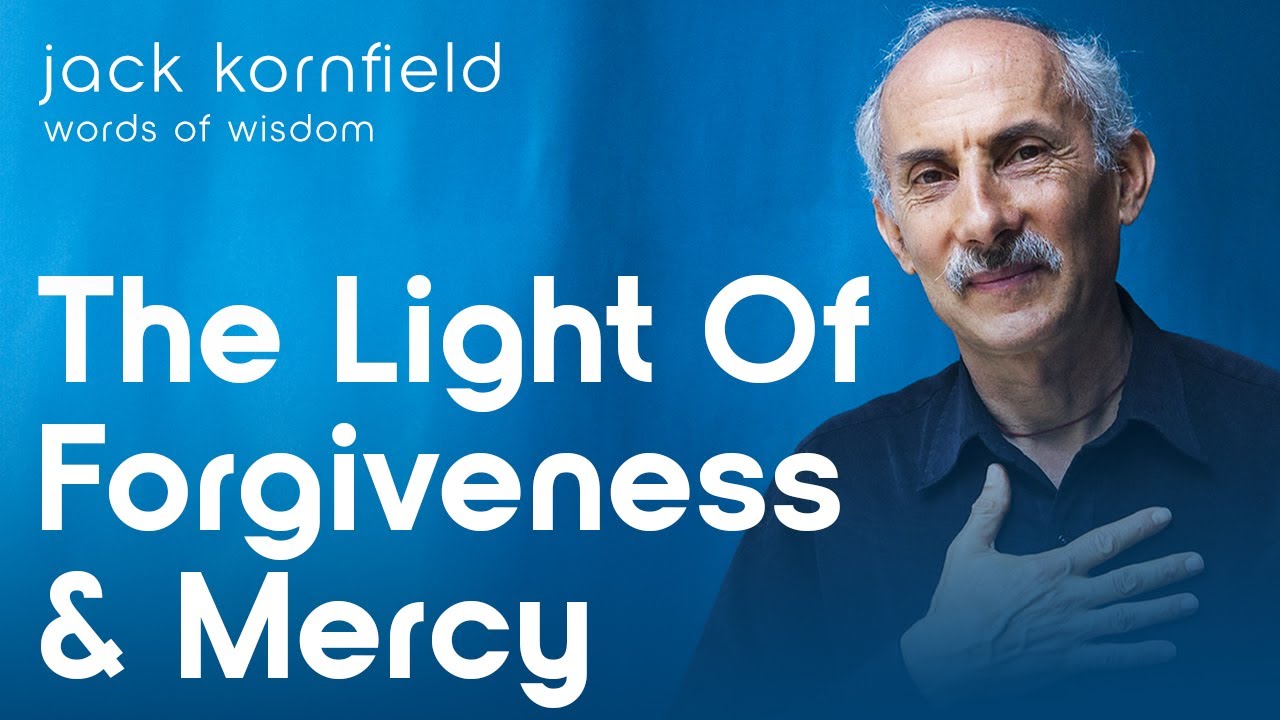
Jack Kornfield's poignant observation that "even small acts of kindness ripple outward in ways we will never know" invites us to reflect on the profound impact of our seemingly insignificant gestures. In a world often overshadowed by cynicism and disconnection, this quote serves as a gentle reminder of the interconnectedness of our actions. Each act of kindness, no matter how small, has the potential to create waves of compassion that extend far beyond our immediate perception, influencing lives in ways we may never fully comprehend.
As we navigate our daily lives, the importance of kindness becomes increasingly apparent. In a society that often prioritizes individualism and self-interest, Kornfield's words challenge us to reconsider our approach to interactions with others. The notion that our small acts can generate ripples of positivity encourages us to cultivate a practice of kindness, fostering a sense of community and belonging. This exploration of kindness not only enriches our own lives but also contributes to a collective healing that transcends the boundaries of our immediate experience.
The image / the metaphor
The imagery of ripples evokes a sense of movement and expansion, suggesting that our actions, however minor, can create waves that reach far beyond their origin. The verb "ripple" implies a gentle yet persistent influence, as if each act of kindness sends out concentric circles into the vast ocean of human experience. This metaphor captures the essence of how kindness operates in the world; it is not always loud or dramatic, but rather subtle and pervasive, quietly shaping the fabric of our shared existence.
In the speaker's tradition
Jack Kornfield, a prominent figure in contemporary Buddhism, draws upon the rich tradition of dharma, which emphasizes the importance of ethical conduct and compassionate action. In Buddhist philosophy, the concept of "metta," or loving-kindness, serves as a foundation for interpersonal relationships and community well-being. This practice encourages individuals to cultivate goodwill towards themselves and others, recognizing that such kindness can transform not only personal experiences but also the collective consciousness of society.
In his book, "The Wise Heart," Kornfield references the interconnectedness of all beings, echoing the teachings found in the Heart Sutra, which speaks of "form is emptiness, emptiness is form." This profound realization invites us to see beyond the illusion of separateness and recognize that our actions reverberate through the interconnected web of existence. By embodying kindness, we align ourselves with the fundamental truths of compassion and interdependence, fostering a sense of unity that transcends individual experience.
Living the teaching
Consider a modern scenario where this teaching resonates: a simple act of holding the door open for a stranger. While it may seem trivial, this gesture can spark a moment of connection that brightens someone's day. Perhaps that person, feeling uplifted, goes on to share kindness with another, creating a chain reaction of goodwill. In this way, the ripple effect of kindness unfolds, illustrating how our small actions can contribute to a larger culture of compassion, even in the most mundane of moments.
In a more challenging context, imagine navigating a difficult conversation with a loved one. By approaching the dialogue with kindness and empathy, we create space for understanding and healing. This practice of kindness, even in moments of tension, can transform relationships and foster deeper connections. As we embody Kornfield's teaching, we recognize that our willingness to act with compassion can lead to profound shifts in our interactions, ultimately contributing to a more harmonious existence.
A reflection
As we contemplate Kornfield's insight, we are invited to consider the ways in which we can cultivate kindness in our daily lives. What small acts of kindness can we commit to, knowing that their impact may extend far beyond our immediate awareness? In this moment of reflection, let us ask ourselves: How can I be a source of kindness today, and what ripples might my actions create in the lives of others?