


What is Hot Yoga?
Hot yoga is the practice of yoga asanas (postures) in a heated environment, typically between 95 and 108 degrees Fahrenheit (35–42°C), often with controlled humidity. The elevated temperature is designed to warm muscles and connective tissue, increase cardiovascular demand, promote sweating for detoxification, and deepen stretches. While “hot yoga” has become an umbrella term for any yoga practiced in heat, it encompasses diverse styles ranging from fixed sequences to flowing vinyasa, each with different temperature protocols and philosophical foundations.
Origins & Lineage
The modern practice of hot yoga emerged in the early 1970s through Bikram Choudhury, a Calcutta-born yoga teacher who studied under Bishnu Charan Ghosh, brother of Paramahansa Yogananda. Choudhury developed a fixed sequence of 26 postures and two breathing exercises practiced in a room heated to 105°F with 40% humidity, which he brought to the United States in 1971. This system, trademarked as “Bikram Yoga” in 1979, became the first widely recognized hot yoga method and catalyzed the broader hot yoga movement.
Choudhury claimed the heated environment replicated India’s climate and drew on principles of therapeutic yoga he learned from Ghosh, who emphasized yoga’s capacity for physical rehabilitation. The 26-posture sequence itself derives from classical hatha yoga asanas codified in texts such as the Hatha Yoga Pradipika and Gheranda Samhita, though the specific selection and heated environment represent a modern innovation rather than an ancient lineage practice.
By the 1990s and 2000s, other teachers began developing their own heated yoga systems, including Baron Baptiste (Baptiste Power Vinyasa), who integrated vinyasa flow with heat, and subsequent variations such as CorePower Yoga’s heated classes and moksha/modo yoga in Canada. These systems typically use lower temperatures (90–98°F) and variable sequences, distinguishing themselves from Bikram’s rigid protocol.
How It’s Practiced
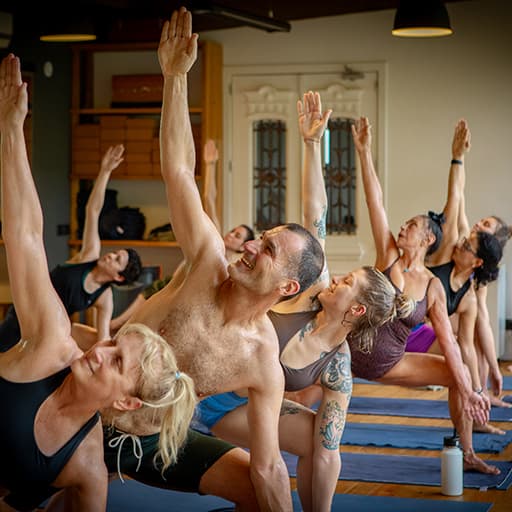
A typical hot yoga class lasts 60 to 90 minutes in a studio equipped with heating systems—ranging from forced-air furnaces to infrared panels—and sometimes humidifiers. Students practice on yoga mats, often with towels to manage sweat, and are encouraged to bring water for hydration. The heat becomes palpable within minutes; sweat begins flowing steadily, and the cardiovascular system works harder to regulate body temperature.
In Bikram-style classes, students move through a predetermined sequence of 26 postures performed twice each, beginning with pranayama (breathing exercises) and progressing through standing series, balancing postures, spine-strengthening backbends, and seated forward folds. Teachers deliver standardized verbal cues, often in a directive tone, with minimal physical adjustments. The room remains heated throughout, with students remaining in the space for the full duration.
Non-Bikram hot yoga classes vary considerably. Vinyasa-based hot yoga links breath with flowing movement, transitioning between postures in creative sequences that change class to class. Some studios incorporate music, while traditional Bikram classes maintain silence except for instruction. Temperature and humidity levels also differ: some studios use radiant or infrared heat at lower temperatures, claiming it penetrates tissue more effectively without overtaxing the respiratory system.
Physically, practitioners report that heat facilitates deeper stretching, as warmed muscles and fascia yield more readily. The cardiovascular demand elevates heart rate significantly compared to room-temperature yoga, creating an aerobic component. Profuse sweating is universal, leading proponents to claim detoxification benefits, though medical research indicates the kidneys and liver, not sweat, perform the body’s primary detoxification.
Hot Yoga Today
Hot yoga has become a mainstream wellness practice, available in dedicated studios, gym chains, and yoga centers across urban areas worldwide. Bikram Yoga’s legal and personal controversies—including Bikram Choudhury’s 2016 sexual assault and harassment lawsuits—led many studios to rebrand as “original hot yoga” or adopt alternative heated systems while maintaining similar sequences. Baptiste Yoga, CorePower Yoga, and independent studios now represent the majority of hot yoga offerings.
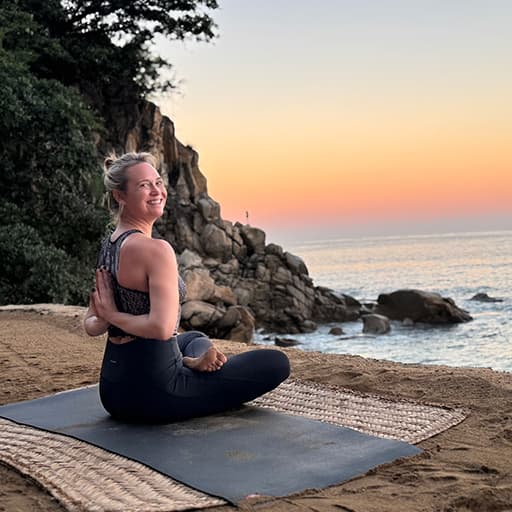
Online platforms and streaming services offer at-home hot yoga classes, though recreating the heated environment requires space heaters or practicing in naturally warm conditions, limiting accessibility. Retreats occasionally incorporate hot yoga alongside other practices, particularly in tropical climates where external heat supplements studio heating. Teacher trainings for hot yoga styles remain popular, though Bikram’s formerly dominant 500-hour training has declined as the brand contracted.
The practice appeals particularly to fitness-oriented seekers who value measurable physical challenge and visible results (weight loss, muscle tone, flexibility gains). Studios often track attendance milestones, fostering community through shared endurance of heat. However, the intense physical demand also creates barriers for those with cardiovascular conditions, heat sensitivity, or limited mobility.
Common Misconceptions
Hot yoga is not an ancient practice. Despite marketing claims that heated yoga replicates traditional Indian conditions, classical yoga texts make no reference to artificially heated practice spaces. Historical yoga in India occurred in varied climates, and many foundational texts emphasize practicing in moderate, comfortable environments.
Sweating extensively does not “detoxify” the body in the way often claimed. While sweat contains trace amounts of heavy metals and chemicals, the quantities are negligible compared to the detoxification performed by the liver and kidneys. Sweat primarily regulates temperature through evaporative cooling and excretes water, electrolytes, and small amounts of urea.
Hot yoga is not inherently safer or more effective than room-temperature yoga. While heat increases flexibility temporarily, it can also mask the body’s natural protective mechanisms that prevent overstretching and injury. The elevated cardiovascular demand benefits some practitioners but poses risks for those with heart conditions, hypertension, or heat intolerance. Dehydration and heat exhaustion are legitimate concerns requiring careful monitoring of fluid intake and individual limits.
Not all hot yoga is Bikram Yoga, though the terms are sometimes used interchangeably. Bikram refers specifically to Choudhury’s trademarked 26-posture sequence, while hot yoga encompasses any heated practice, including vinyasa flow, yin yoga, and hybrid styles.
How to Begin
Prospective students should begin by consulting a physician, particularly if managing cardiovascular conditions, pregnancy, or heat sensitivity. Finding an introductory class labeled “beginner” or “fundamentals” provides instruction in foundational postures and heat acclimation strategies. Many studios offer discounted first-week packages allowing exploration before committing.
First-time practitioners should arrive well-hydrated, having consumed water throughout the day prior (not just immediately before class). Wearing minimal, moisture-wicking clothing facilitates cooling, and bringing a large towel and water bottle is essential. Arriving early allows acclimation to the heat and selection of a spot near the door or away from the hottest zones.
During class, beginners should prioritize listening to their body over completing every posture. Sitting or lying down to rest when dizzy, nauseous, or overheated is appropriate and expected. Teachers should explicitly encourage this, though studio culture varies—some emphasize endurance over self-regulation.
For those seeking Bikram’s specific system, finding a certified Bikram studio (now less common) or “original hot yoga” studio maintains the traditional sequence. For vinyasa-oriented practitioners, Baptiste Yoga studios or general hot vinyasa classes offer more varied, creative sequencing. Reading “Bring It On: Bikram Yoga’s 26 Postures” by Bikram Choudhury or “Journey Into Power” by Baron Baptiste provides context for the two primary lineages, though neither book is required to begin practicing.