
What is Creative Workshops?
Creative workshops are facilitated group sessions that use artistic processes—writing, visual arts, movement, music, theater, or mixed media—as vehicles for personal insight, skill development, and community connection. Within conscious and spiritual contexts, these workshops extend beyond technical instruction to treat creativity as a contemplative practice, a method of accessing intuition, or a pathway to what various traditions call presence, flow, or authentic expression.
Unlike drop-in art classes or university studio courses, creative workshops in this context typically run for a fixed duration (a weekend, a week, or a series of evenings), hold a thematic focus (grief and collage, embodied writing, sacred geometry painting), and create a container for both skill-building and introspective work. Participants may engage in guided exercises, share work in circles, receive feedback, and participate in ritual or meditative elements that frame creative output as spiritual inquiry.
Origins & Lineage
The concept of creativity as spiritual practice has roots in multiple lineages. Tibetan Buddhist sand mandala construction, Japanese Zen arts (calligraphy, tea ceremony, ikebana), Sufi poetry circles, and European monastic illumination all treated artistic work as devotional or meditative discipline. However, the modern “creative workshop” as a secular-spiritual form emerged primarily in mid-20th century North America.
Natalie Goldberg’s Writing Down the Bones (1986) popularized “writing practice” inspired by her study with Zen teacher Katagiri Roshi, making the connection between meditation and freewriting explicit. Julia Cameron’s The Artist’s Way (1992) introduced “morning pages” and weekly “artist dates” as structured creative recovery practices, blending 12-step recovery language with New Thought spirituality. Gabrielle Roth developed the 5Rhythms movement practice in the 1970s, teaching dance as meditation in weekend intensive formats.
The Esalen Institute in Big Sur, California, served as an early crucible for this synthesis, hosting workshops from the 1960s onward that combined Gestalt therapy, expressive arts, and contemplative practice. Programs at institutions like the California Institute of Integral Studies and Naropa University (founded 1974 by Chögyam Trungpa Rinpoche) formalized creative practice as legitimate contemplative pedagogy. Intermodal Expressive Arts Therapy, developed by Paolo Knill and colleagues in the 1970s-80s, provided clinical frameworks that influenced workshop facilitation methods.
How It’s Practiced
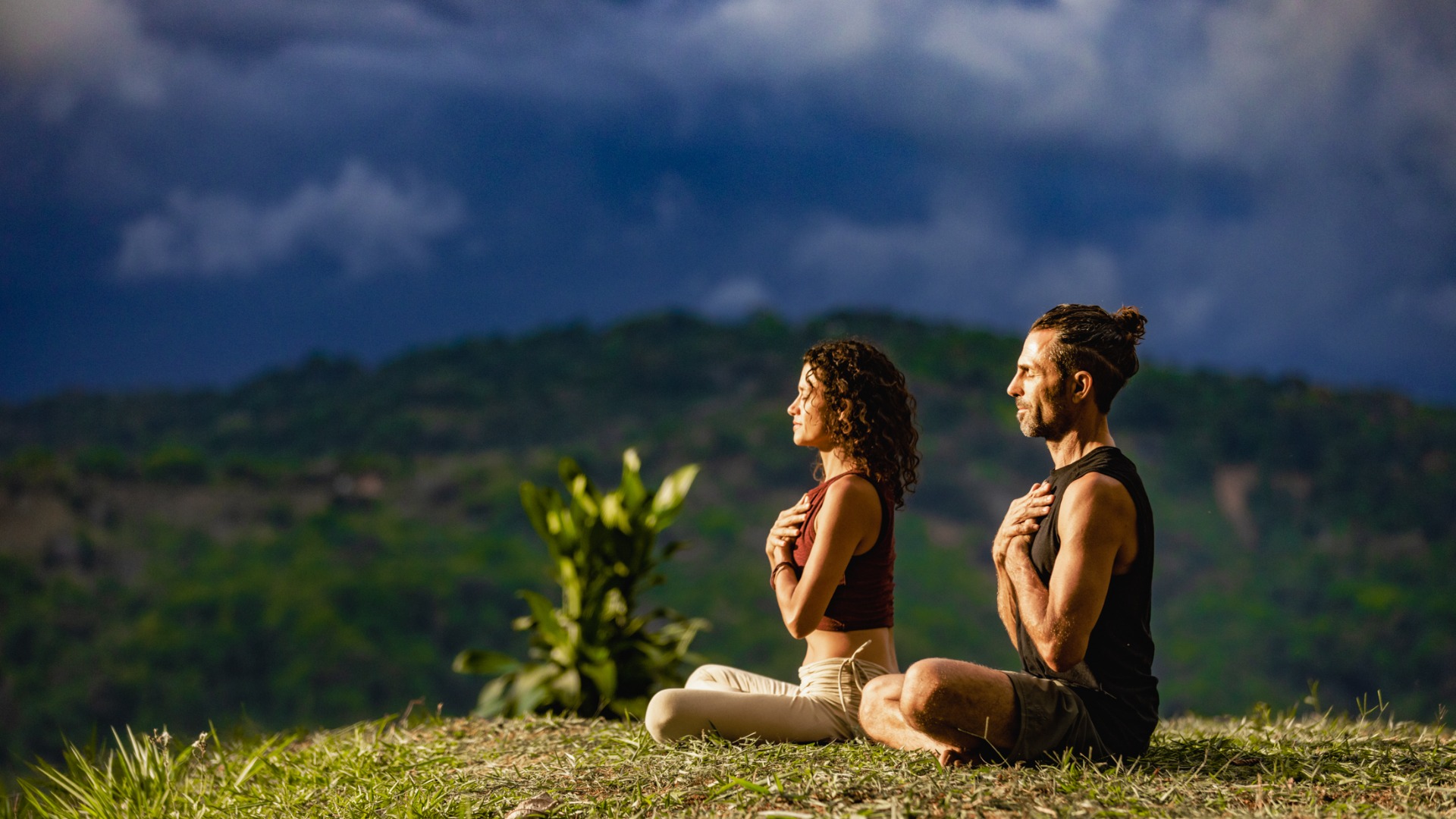
A typical creative workshop in a conscious or spiritual context opens with grounding—breath work, guided meditation, or somatic centering. The facilitator introduces a theme or prompt connected to the workshop’s focus (ancestors, shadow, joy, transitions). Participants then work individually or in small groups on creative output: writing in journals, painting on canvas, moving through improvisational scores, crafting altars from natural materials, or composing songs.
Crucial to the format is the “witness” phase: participants share their work in circle without critique, receiving reflections or silent acknowledgment. The facilitator may guide integration through discussion, additional movement, or closing ritual. Many workshops discourage analysis in favor of “staying with” direct experience—the texture of paint, the rhythm of breath, the image that emerged unbidden.
Workshops may draw explicitly from specific traditions (Mindful Writing rooted in Thich Nhat Hanh’s teachings, SoulCollage® with Jungian archetypes, Authentic Movement from Mary Starks Whitehouse’s dance therapy lineage) or blend eclectically. Formats range from three-hour introductory sessions to seven-day residential intensives. Online platforms since 2020 have enabled synchronous video-based workshops and hybrid models combining live sessions with asynchronous practice.
Creative Workshops Today
Seekers encounter creative workshops through retreat centers (Esalen, Kripalu, Omega Institute), online directories, social media teacher pages, and community spaces. Offerings span the spectrum from rigorously trained expressive arts therapists facilitating clinical work to self-taught artists offering intuitive painting circles. Cost varies from donation-based community events to $2,000+ week-long intensives.
Contemporary teachers include Tanya Markul (writing and ritual), SARK (journal play), Mirabai Starr (contemplative writing), and Pixie Lighthorse (indigenous-informed creative practice). Platforms like Insight Timer, Spirituality & Health, and specialized sites host virtual workshops. Many yoga studios and meditation centers now include creative workshops in their programming as complementary practice.
The field intersects with art therapy (which requires clinical licensing in many jurisdictions) but remains largely unregulated. Some facilitators hold MFAs, expressive arts therapy degrees, or teacher certifications from specific lineages; others credential themselves through lived experience and apprenticeship.
Common Misconceptions
Creative workshops in this context are not art classes focused on technical mastery or portfolio development. While skill naturally develops, the primary aim is process over product. They are not art therapy sessions, which involve licensed clinicians treating diagnosed conditions through structured therapeutic interventions, though the boundary can blur.
These workshops do not require prior artistic experience or talent; the “beginner’s mind” is often framed as advantageous. They are not necessarily religiously affiliated despite spiritual language—most welcome practitioners from any or no tradition. The goal is not usually to produce finished work for exhibition or publication, though this may be a secondary outcome.
Participants sometimes expect dramatic catharsis or breakthrough experiences. While these can occur, many workshops emphasize quiet noticing, gradual unfolding, and the ordinary magic of sustained creative attention. The work is iterative rather than revelatory.
How to Begin
Begin by identifying your medium of interest—writing, visual art, movement, sound, or mixed media. Read foundational texts: Natalie Goldberg’s Writing Down the Bones for writing, Julia Cameron’s The Artist’s Way for general creative unblocking, or Shaun McNiff’s Art as Medicine for expressive arts philosophy.
Search local retreat centers, yoga studios, or community arts spaces for introductory workshops. Online platforms offer low-barrier entry: many teachers host free webinars or donation-based sessions. Look for facilitators who name their training and lineage explicitly. Start with shorter formats (a single evening or half-day) before committing to intensive retreats.
Bring curiosity about your own resistance and a willingness to make “bad” art. The container matters as much as the content—notice whether the space feels psychologically safe, whether the facilitator balances structure with spaciousness, and whether the language resonates or alienates. Trust your own pace; creativity as spiritual practice unfolds through regularity, not intensity.