

What is Ceremonial Drumming?
Ceremonial drumming encompasses membranophones and idiophonic slit drums played in ritual, religious, or ceremonial contexts by indigenous peoples around the world, often accompanied by singing or chanting. Unlike recreational or performance drumming, ceremonial drumming functions as a spiritual technology: the drum itself is honored and considered a significant tool for healing, communication with ancestors, and maintaining cultural identity. Some ceremonial drums are considered sacred objects and may only be used by a certain group of people.
The drums serve multiple functions—marking rites of passage, invoking deities, guiding souls, inducing trance states for shamanic journeys, and reinforcing communal bonds. The shaman can achieve altered states of consciousness through the use of rhythmic sound and movement, thus the importance of the drum that can mimic the rhythm of the beating heart. In many traditions, the sound produced is often likened to the heartbeat of Mother Earth, a primal rhythm that grounds individuals and communities to their origins and the very essence of existence.
Origins & Lineage
A drum is one of the earliest types of instruments, first appearing as early as 6,000 BCE and being used by people all over the world, from China to Peru to Greece and Egypt. Based on archeological and anthropological evidence, the use of drumming to induce trance states appears to have been used by shamans throughout history, stemming back to the Paleolithic era. Some of the oldest known ritual burials were of female shamans or priestesses, in areas as far apart as Germany and Israel, dated from 8,000-12,000 years ago. Evidence from the rock painting of Çatal Hüyük, a neolithic settlement (5600 BC) believed to be matrifocal, shows early frame drum use in ceremonial contexts.
In West Africa, the djembe drum originated among the Mandé peoples of present-day Guinea and Mali, with documented use dating back to at least the 12th century. The traditional distribution of the djembe is associated with the Mali Empire, which dates back to 1230 CE, though the history of the djembe likely reaches back for at least several centuries and possibly more than a millennium. The Maya and Aztec empires utilized sophisticated percussion instruments like the teponaztli (a horizontal slit drum) and huehuetl (a vertical drum), often adorned with intricate carvings, used in grand ceremonies and sacrificial rites.
In Siberia, indigenous peoples such as the Evenki and Sakha utilize frame drums in shamanic rituals to induce trance states, heal, and communicate with the spirit world. The Saami shamans used a drum called a runebom, a frame drum often hung with metal jangles and rattly bits. Among North American indigenous peoples, drumming has been an integral part of Native American life for centuries, its origins deeply intertwined with the spiritual and cultural fabric of various tribes.
How It’s Practiced
Ceremonial drumming takes diverse forms depending on cultural context. The drums can be played solo or in a small ensemble to accompany singing in rituals, or can belong to a larger orchestra for courtly ceremonies and plays. Ceremonial drums can include tubular drums standing upright on the floor, large kettle drums, hand-held frame drums, and wooden slit drums.
In Native American contexts, drums are used in various ceremonies, including the Ghost Dance, Pipe Ceremony, Sundance, Vision Quest, and Naming Ceremony, among others, with each ceremony having unique customs and traditions associated with drumming. A large community drum is played by a circle of singers, with its deep, steady beat calling dancers and helping signal changes within songs. Among Native Americans, ceremonial drums are treated with great care and respect, with powwow drums placed on a blanket or stand during performance and covered when not in use.
In West Africa, the djembe is an integral part of traditional ceremonies, such as births, marriages, and funerals, with its rhythms believed to communicate with the spirits, invoking blessings or guiding souls. In the Yoruba religion, almost each of the orishas has its own drum orchestra, which is of central importance for the cult of the respective deity. In Sub-Saharan Africa, certain drums are only used in secret-society ceremonies or initiations.
The rhythmic patterns are precise and meaningful. The djembe communicates through an extensive vocabulary of rhythmic patterns, each with its own name, history, and specific context within West African culture, signifying everything from seasons and festivals to important life events like births, marriages, or funerals. The drum construction itself is sacred: drums were crafted from natural materials, often using hollowed-out logs or wooden frames covered with animal hides, and the process of making a drum was itself a sacred act, accompanied by prayers and ceremonies.
Ceremonial Drumming Today
Contemporary seekers encounter ceremonial drumming through multiple avenues. Indigenous communities continue traditional practices: today ceremonial drumming still exists for the same reasons and is an important way for native people to stay in touch with not only each other, but also their roots in a world that is modernizing around them. Native American drum groups play a crucial role in preserving and passing down the traditions of drumming, with groups like the Red Hoop Singers comprised of members from different tribes who travel across the nation to teach Native youth and communities about the significance of ceremonial drumming practices.
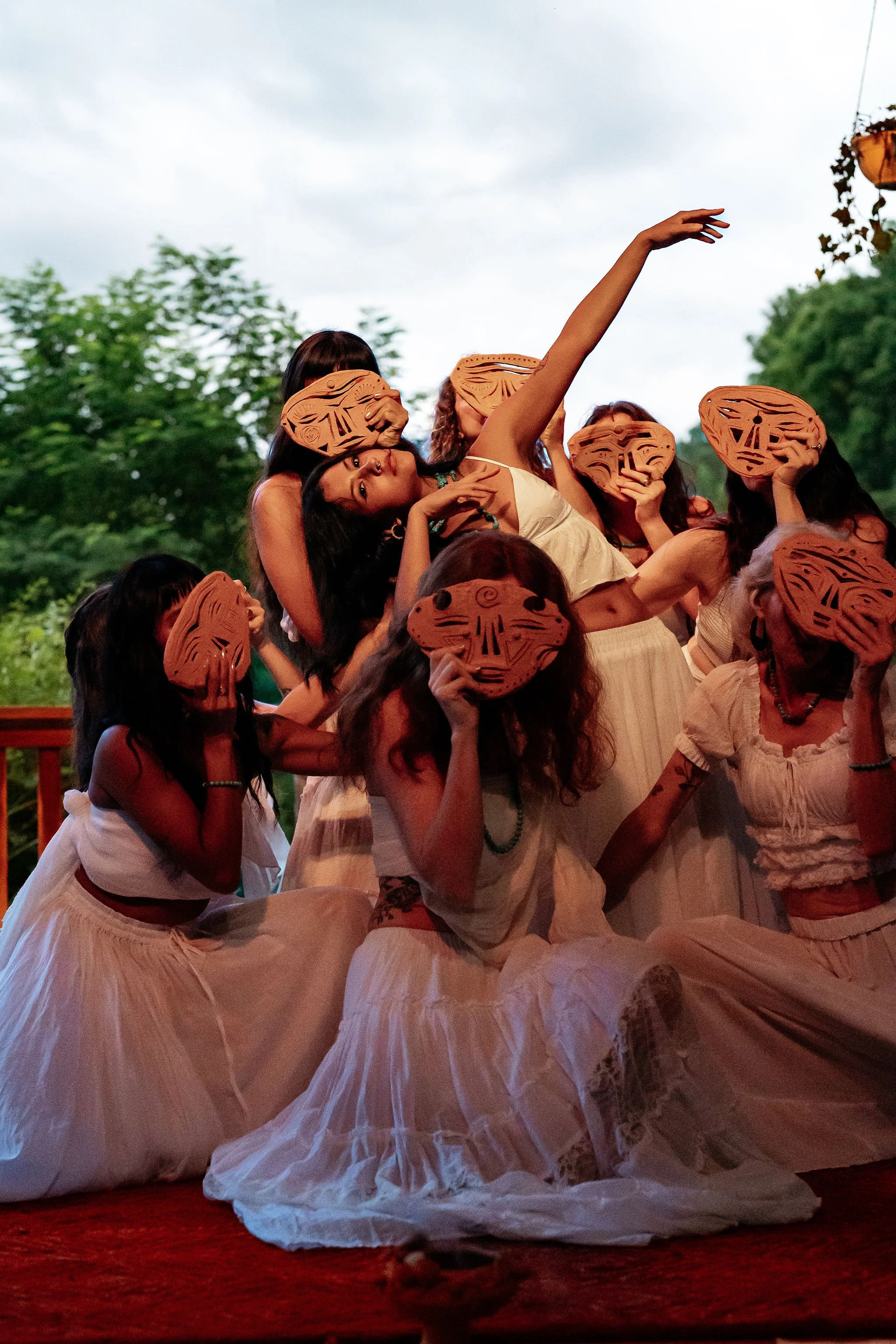
Outside indigenous contexts, some Western practitioners have adopted shamanic drumming practices. Many people who practice shamanism will use drumming to facilitate common shamanic techniques, such as journeying, shapeshifting, and divination, with drumming groups focusing less on the music itself and more on the effects of the music. Classes, workshops, and recordings are available, though traditionally, an individual needs to spend many years accompanying a master in ceremonies and other festivities before becoming a real djembe player, while today in Western communities learning generally involves finding a master drummer and having private lessons.
Common Misconceptions
Ceremonial drumming is not recreational music-making. Native American drumming is not just a hobby or a form of entertainment; it’s an integral part of indigenous cultures and spiritual practices, with the drums themselves considered sacred objects and the songs and rhythms carrying profound meanings. The term “shamanic drumming” itself requires care: not all Native American people approve of the use of the terms “shaman” and “shamanism,” as the word shaman originated in Siberia, with most Native American tribes referring to their holy people as medicine people, spiritual leaders, doctors, or elders.
Cultural appropriation remains a significant concern. When engaging with Native American drumming, it’s crucial to avoid cultural appropriation by respecting the traditions and protocols of the specific tribe or community, and it’s never okay to take aspects of a culture out of context and use them for personal gain or entertainment. Certain songs and rhythms may be reserved for specific ceremonies or events. The practice requires years of apprenticeship within its originating culture, not weekend workshops.
Ceremonial drumming is also not primarily about achieving “ecstatic states” or personal transformation through altered consciousness, though these may occur. The primary function is communal, relational, and devotional—maintaining connection with ancestors, spirits, land, and community.
How to Begin
For those from outside indigenous traditions, approach with humility and respect. If you’re interested in learning about Native American drumming, seek out authentic teachers and mentors who are members of the community, who can provide guidance and ensure that you are learning in a respectful and appropriate way. Attend public gatherings like powwows as a respectful observer. Support indigenous artists and drum makers directly.
For academic understanding, consult anthropological studies of specific traditions. For practical frame drum study in Mediterranean traditions, seek teachers versed in ancient goddess-centered lineages. Students interested in teaching Sacred Drumming or leading ritual with the frame drum may choose to study the ancient history of sacred drumming as part of their studies.
Recognize that authentic ceremonial drumming cannot be extracted from its cultural context. The drum is not simply an instrument but a living entity, a spiritual guardian, and a direct connection to the heartbeat of Mother Earth. Any engagement must honor the communities from which these practices originate.