BrightStar

すべてのEventsを見る

意識ある集いに出会う

events

Yoga
Meditation
Breathwork
Qigong
Tai Chi
Sacred Music
World Music
Medicine Music
Sound Healing
Ecstatic Dance
人気の目的地
BaliSedonaLos AngelesCosta RicaNew YorkSan FranciscoAustinMiamiJoshua TreeTulum
すべてのカテゴリを見るすべての目的地を見る

すべての機能を探索

イベントを成長させる強力なツール

プラットフォーム機能

スマートダイナミックプライシング
チケットカテゴリ
座席指定
カート放棄リカバリー
訪問者リカバリー
寄付とスライディングスケール
アフィリエイトシステム
チケットスキャナー
クーポンコード
カスタム質問
チケット共有
アップセルとアドオン
分析とレポート
メールシーケンス
ウェイトリスト / 通知 / リマインダー
人と場所
Artists & TeachersEvent OrganizersVenues & StudiosKnowledge BaseGlossaryInspiration
すべての機能を見る私たちについて
料金ブログ
Language
Saved events
すべてのイベントを見る

events

YogaMeditationBreathworkQigongTai ChiSacred MusicWorld MusicMedicine Music

人気の目的地

BaliSedonaLos AngelesCosta RicaNew YorkSan Francisco

人と場所

Artists & TeachersEvent OrganizersVenues & StudiosKnowledge BaseGlossaryInspiration

プラットフォーム機能

スマートダイナミックプライシングチケットカテゴリ座席指定カート放棄リカバリー訪問者リカバリー寄付とスライディングスケールアフィリエイトシステムチケットスキャナークーポンコードカスタム質問チケット共有アップセルとアドオン分析とレポートメールシーケンスウェイトリスト / 通知 / リマインダー
すべての機能を見る私たちについて
料金ブログ
ログイン探求者クリエイター
  • すべてのイベントを見る
  • 探求者向け
  • ヨガ
  • 瞑想
  • ブレスワーク
  • 気功
  • 太極拳
  • 聖なる音楽
  • ワールドミュージック
  • メディスンミュージック
  • サウンドヒーリング
  • エクスタティックダンス
  • リトリート
  • ワークショップ
  • すべてのカテゴリ →
  • Bali
  • Sedona
  • Los Angeles
  • Costa Rica
  • Tulum
  • Byron Bay
  • San Francisco
  • Austin
  • New York
  • San Diego
  • Denver
  • Seattle
  • Portland
  • Miami
  • すべての都市 →
  • Join the Movement
  • Why we list
  • Sell Globally
  • クリエイター向け
  • チーム向け
  • ライター向け
  • 講師向け
  • キルタンアーティスト向け
  • スタジオ向け
  • フェスティバル向け
  • リトリートセンター向け
  • 非営利団体向け
  • ブランドアンバサダー
  • 事例紹介
  • 無料チケット販売
  • Elevate
  • Amplify
  • 50万人以上のバイヤーネットワーク
  • カート放棄リカバリー
  • スマートダイナミックプライシング
  • チケットカテゴリ
  • 定期イベント
  • 座席指定
  • アフィリエイトシステム
  • ウェイトリスト / 通知
  • チケットスキャナー
  • 埋め込みウィジェット
  • イベント配信
  • メッセージセンター
  • インテグレーション
  • レポート
  • すべての機能 →
  • 概要
  • エコシステム
  • ブログ
  • 用語集
  • インスピレーション
  • ヘルプセンター
  • お問い合わせ
  • APIドキュメント
  • ブランドアセット
  • 採用
  • プレス
  • 利用規約
  • プライバシーポリシー

イベント

  • すべてのイベントを見る
  • 探求者向け
  • ヨガ
  • 瞑想
  • ブレスワーク
  • 気功
  • 太極拳
  • 聖なる音楽
  • ワールドミュージック
  • メディスンミュージック
  • サウンドヒーリング
  • エクスタティックダンス
  • リトリート
  • ワークショップ
  • すべてのカテゴリ →

目的地

  • Bali
  • Sedona
  • Los Angeles
  • Costa Rica
  • Tulum
  • Byron Bay
  • San Francisco
  • Austin
  • New York
  • San Diego
  • Denver
  • Seattle
  • Portland
  • Miami
  • すべての都市 →

クリエイター向け

  • Join the Movement
  • Why we list
  • Sell Globally
  • クリエイター向け
  • チーム向け
  • ライター向け
  • 講師向け
  • キルタンアーティスト向け
  • スタジオ向け
  • フェスティバル向け
  • リトリートセンター向け
  • 非営利団体向け
  • ブランドアンバサダー
  • 事例紹介
  • 無料チケット販売
  • Elevate
  • Amplify

機能

  • 50万人以上のバイヤーネットワーク
  • カート放棄リカバリー
  • スマートダイナミックプライシング
  • チケットカテゴリ
  • 定期イベント
  • 座席指定
  • アフィリエイトシステム
  • ウェイトリスト / 通知
  • チケットスキャナー
  • 埋め込みウィジェット
  • イベント配信
  • メッセージセンター
  • インテグレーション
  • レポート
  • すべての機能 →

会社

  • 概要
  • エコシステム
  • ブログ
  • 用語集
  • インスピレーション
  • ヘルプセンター
  • お問い合わせ
  • APIドキュメント
  • ブランドアセット
  • 採用
  • プレス
  • 利用規約
  • プライバシーポリシー
BrightStar
© 2026 BrightStar. 全著作権所有.
Watch

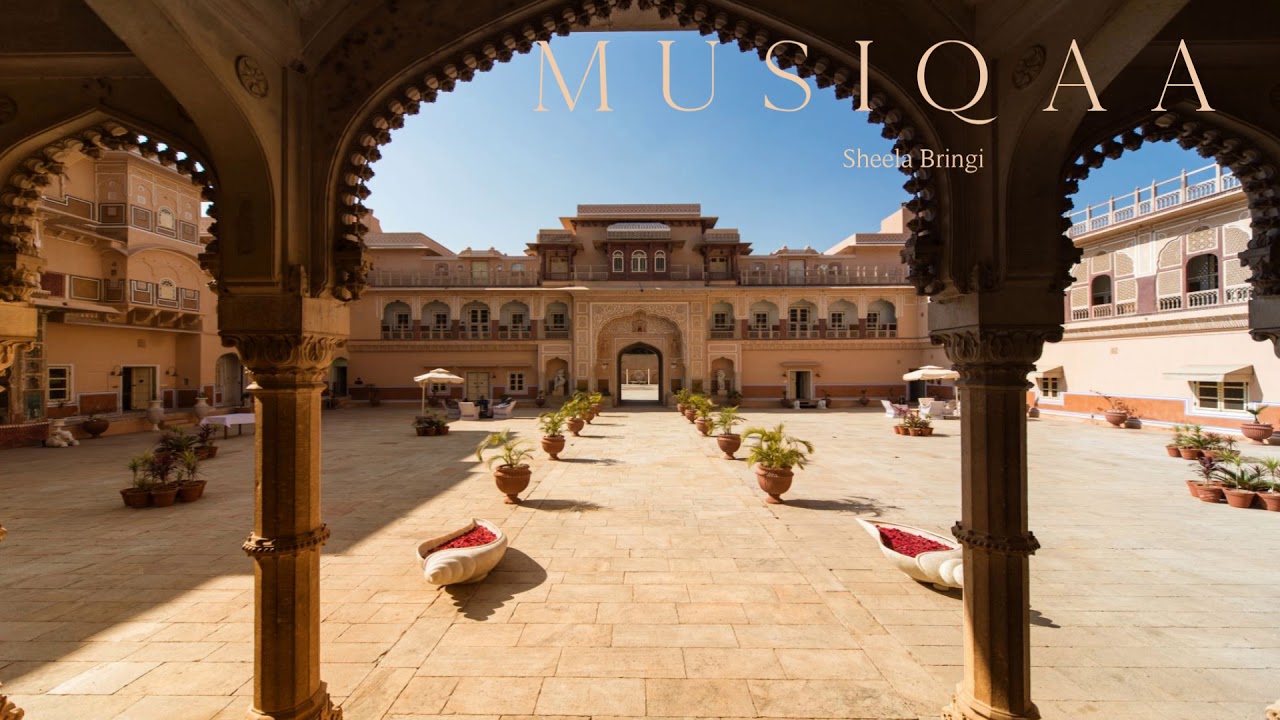
Raga Darbari on Harp: Kabir's Devotional Bhajan Ghungata

Sheela Bringi
Sheela Bringi
Dec 31, 2017
読了 約5分

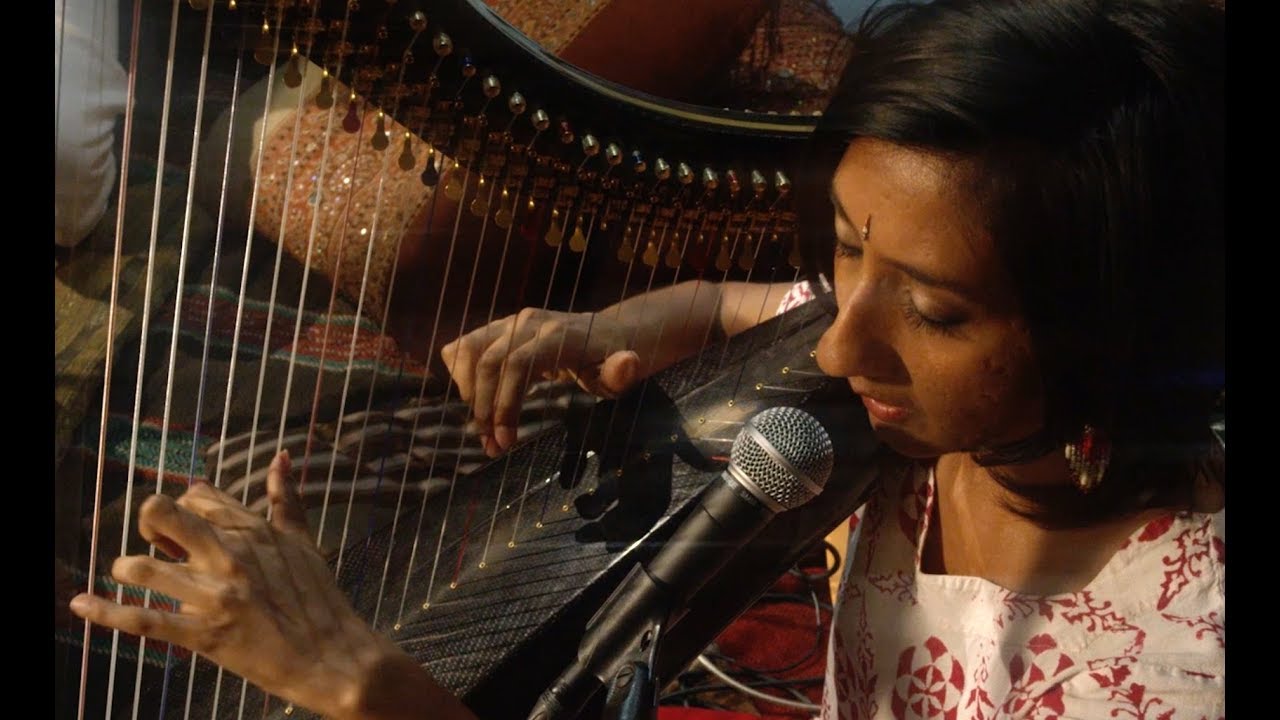
In Hindustani classical music, certain ragas carry the weight of centuries. Raga Darbari—"the raga of the court"—is one of them: a nocturnal form designed for deep introspection, where each note is held, savored, and circled before the melody moves. The traditional instruments that voice it are sarangi, sitar, or bansuri. But in this performance, the vessel is a pedal harp, and the piece is Ghungata, a devotional song composed by the 15th-century mystic poet Kabir.

The collision of these elements—Western harp, Indian raga, medieval devotional verse—should strain. Instead, it reveals how deeply a musical form can travel when carried by a musician attuned to its inner logic.

読む · 5セクション

Kabir: Poet, Saint, and Weaver of Words

Kabir (1398–1518) remains one of South Asia's most influential spiritual figures, though he resists simple categorization. A weaver by trade and a poet by vocation, he lived in Benares during a period of intense religious ferment, when the Bhakti movement—a wave of devotional spirituality emphasizing direct access to the divine—was reshaping Hindu and Muslim practice alike. His devotional verses, recorded after his death by disciples, became foundational texts: they appear in the Adi Granth (the Sikh scripture) and in Hindu devotional songbooks. Both traditions claimed him; he belongs fully to neither and both.

What made Kabir's poetry endure was its directness and its refusal of hierarchy. He wrote in Hindustani, the common language, not Sanskrit. He addressed power and hypocrisy directly. His bhajans—devotional songs—were composed for ordinary people and have remained central to kirtan (call-and-response devotional singing) and to classical music traditions across South Asia.

The title Ghungata refers, in its literal sense, to a bride's wedding veil or the sound of ankle bells. In the hands of a devotional poet, such imagery carries symbolic weight—the soul waiting for union with the divine, separation and longing transmuted into spiritual yearning.

Raga Darbari: The Architecture of Meditation

Raga Darbari is one of Hindustani music's most venerated forms. "Darbari" means "of the court"; the raga itself is described as nocturnal, traditionally performed in the evening or night. Its performance unfolds slowly, deliberately. A classical interpretation might extend across an hour or more, the musician exploring variations within a framework of rules governing which notes to use, which to emphasize, and how to ornament them.

The specific character of Raga Darbari—its emphasis on certain notes and its contemplative pace—creates what musicians call a "ras," or emotional flavor. In this raga, that ras is inward-turning, meditative. The music does not build toward climax but instead circles and deepens, encouraging the listener to sit with a single emotional texture and watch it unfold across time.

Raga Darbari has been performed by many of Hindustani music's most celebrated artists on instruments ranging from sitar to sarangi to bansuri (flute). The raga's structure remains constant; the artist's individual voice comes through in how they navigate its boundaries.

The Harp and the Raga: An Unexpected Meeting

The Western pedal harp is a 19th-century invention, designed for orchestral color and the chromatic demands of European classical music. Its presence in Indian classical music is rare. Yet the harp's acoustic properties—its sustained resonance, its ability to create layered textures—make it a viable instrument for carrying a raga's contemplative unfolding.

This performance represents an experiment in instrumental translation. According to the description, Sheela Bringi was taught this raga by Chaitanya Kabir. In the Indian classical tradition, such a statement signals adherence to the guru-shishya lineage—the teacher-student relationship through which musical knowledge, subtle technique, and philosophical orientation are transmitted across generations, not merely through books or recordings but through direct instruction and repeated listening.

The Bhajan as Devotional Form

A bhajan is a devotional song, typically addressed to a deity or to the divine in abstract form. Originating in the Bhakti movement, bhajans are often performed in group settings (like kirtan circles) and remain a significant part of both classical and folk music traditions. Kabir's bhajans are distinctive for their philosophical content and their accessibility—they were meant for singing in homes and streets, not confined to temples or courts.

Over centuries, many of Kabir's bhajans have been incorporated into the classical music repertoire, performed not only as songs but as instrumental raags, where the emotional and spiritual content of the verse shapes the musician's interpretation of the raga form. To perform Ghungata as an instrumental raga is to engage the poem's meaning through musical structure rather than through words. The longing and spiritual aspiration that characterize the bhajan are expressed through the character of Raga Darbari—through its inward turn, its slow unfolding, its contemplative depth.

Where to Go From Here

Those interested in Kabir's wider body of devotional poetry can explore published translations and studies. The history of Raga Darbari and its performance can be discovered through recordings by classical musicians; a full-length performance will reveal dimensions that a brief excerpt necessarily omits. More information about this artist and her work can be found at sheelabringi.com.
Comments

Loading the conversation…

Sheela Bringi
ArtistSheela Bringi

Sacred music artist blending North Indian classical traditions with contemporary sounds, featured on 50+ world music records and Grammy-nominated for bridging India and America thr…

プロフィールを見るウェブサイト
トピックを見る
Raga-darbariKabir-bhajanDevotional-musicPedal-harpHindustani-classical

ご質問はありますか?

よくある質問

Raga Darbari is a classical form in Hindustani music, traditionally performed in the evening or night. It unfolds slowly and deliberately, with the musician exploring subtle variations within a framework of rules governing which notes to emphasize and how to ornament them, creating an introspective, meditative emotional landscape.
Kabir (1398–1518) was a 15th-century poet, weaver, and spiritual teacher whose devotional verses profoundly influenced both Hindu and Sikh traditions. His bhajans addressed ordinary people in their own language and remain central to kirtan practice and classical music traditions across South Asia.
A bhajan is a devotional song, typically composed to express longing for or devotion to the divine. Originating in the Bhakti movement, bhajans are often performed in group settings like kirtan circles and remain a significant part of both classical and folk music traditions.
Yes, while the pedal harp is a European instrument designed for orchestral music, its sustained resonance and ability to create layered textures make it suited to carrying the meditative unfolding of a raga. This performance demonstrates one artist's use of the harp to voice a classical Indian form.
Ghungata literally refers to a bride's wedding veil or the sound of ankle bells. In Kabir's devotional poetry, such imagery carries symbolic weight, often representing the soul's longing for union with the divine.
The guru-shishya (teacher-student) lineage is the primary method of transmitting Indian classical music knowledge across generations. Through direct instruction, repeated listening, and personal relationship, students absorb not just technique but the subtle choices and philosophical orientation that define a raga.

読みつづける

More from Sheela

すべて表示
Kirtan as Sacred Practice: The Shakti Sutra and Ancient Devotional Sound
Inspire

Kirtan as Sacred Practice: The Shakti Sutra and Ancient Devotional Sound

Kirtan—communal chanting of sacred mantras—offers a direct path to transcendence through sound. Sheela Bringi's "Shakti Sutra" weaves togeth…

1 min read
Saraswati: Raga Harp as Devotional Gateway
Inspire

Saraswati: Raga Harp as Devotional Gateway

Sheela Bringi's harp interpretation of an ancient Saraswati mantra opens a bridge between classical Indian music and contemporary spiritual …

1 min read
Minimal Vocalization as Spiritual Practice: Power in Simplicity
Inspire

Minimal Vocalization as Spiritual Practice: Power in Simplicity

A brief live vocal interlude demonstrates how devotional sound—stripped to its essence—can invoke presence and transformation through pure r…

1 min read
Govinda Jaya: How Sacred Sound Awakens the Heart
Inspire

Govinda Jaya: How Sacred Sound Awakens the Heart

Radhika Das channels the liberating power of mantra through a luminous kirtan performance at Medicine Festival, invoking divine names to pur…

1 min read

探索を続ける

旅をつづける

BrightStarのディレクトリから、さらなる智慧と集いを。

もっと記事を読む

教え、インタビュー、ガイドのライブラリ全体をご覧ください。

すべての記事に戻る →

講師とアーティスト

コンシャスな世界の系譜、音楽家、導き手を探しましょう。

アーティストを探す →

イベントを見つける

キルタン、リトリート、サウンドバス、ブレスワーク、フェスティバル — まもなく開かれます。

イベントを見る →