BrightStar

すべてのEventsを見る

意識ある集いに出会う

events

Yoga
Meditation
Breathwork
Qigong
Tai Chi
Sacred Music
World Music
Medicine Music
Sound Healing
Ecstatic Dance
人気の目的地
BaliSedonaLos AngelesCosta RicaNew YorkSan FranciscoAustinMiamiJoshua TreeTulum
すべてのカテゴリを見るすべての目的地を見る

すべての機能を探索

イベントを成長させる強力なツール

プラットフォーム機能

スマートダイナミックプライシング
チケットカテゴリ
座席指定
カート放棄リカバリー
訪問者リカバリー
寄付とスライディングスケール
アフィリエイトシステム
チケットスキャナー
クーポンコード
カスタム質問
チケット共有
アップセルとアドオン
分析とレポート
メールシーケンス
ウェイトリスト / 通知 / リマインダー
人と場所
Artists & TeachersEvent OrganizersVenues & StudiosKnowledge BaseGlossaryInspiration
すべての機能を見る私たちについて
料金ブログ
Language
Saved events
すべてのイベントを見る

events

YogaMeditationBreathworkQigongTai ChiSacred MusicWorld MusicMedicine Music

人気の目的地

BaliSedonaLos AngelesCosta RicaNew YorkSan Francisco

人と場所

Artists & TeachersEvent OrganizersVenues & StudiosKnowledge BaseGlossaryInspiration

プラットフォーム機能

スマートダイナミックプライシングチケットカテゴリ座席指定カート放棄リカバリー訪問者リカバリー寄付とスライディングスケールアフィリエイトシステムチケットスキャナークーポンコードカスタム質問チケット共有アップセルとアドオン分析とレポートメールシーケンスウェイトリスト / 通知 / リマインダー
すべての機能を見る私たちについて
料金ブログ
ログイン探求者クリエイター
  • すべてのイベントを見る
  • 探求者向け
  • ヨガ
  • 瞑想
  • ブレスワーク
  • 気功
  • 太極拳
  • 聖なる音楽
  • ワールドミュージック
  • メディスンミュージック
  • サウンドヒーリング
  • エクスタティックダンス
  • リトリート
  • ワークショップ
  • すべてのカテゴリ →
  • Bali
  • Sedona
  • Los Angeles
  • Costa Rica
  • Tulum
  • Byron Bay
  • San Francisco
  • Austin
  • New York
  • San Diego
  • Denver
  • Seattle
  • Portland
  • Miami
  • すべての都市 →
  • Join the Movement
  • Why we list
  • Sell Globally
  • クリエイター向け
  • チーム向け
  • ライター向け
  • 講師向け
  • キルタンアーティスト向け
  • スタジオ向け
  • フェスティバル向け
  • リトリートセンター向け
  • 非営利団体向け
  • ブランドアンバサダー
  • 無料チケット販売
  • Elevate
  • Amplify
  • 50万人以上のバイヤーネットワーク
  • カート放棄リカバリー
  • スマートダイナミックプライシング
  • チケットカテゴリ
  • 定期イベント
  • 座席指定
  • アフィリエイトシステム
  • ウェイトリスト / 通知
  • チケットスキャナー
  • 埋め込みウィジェット
  • イベント配信
  • メッセージセンター
  • インテグレーション
  • レポート
  • すべての機能 →
  • 概要
  • エコシステム
  • ブログ
  • 用語集
  • インスピレーション
  • ヘルプセンター
  • お問い合わせ
  • APIドキュメント
  • ブランドアセット
  • 採用
  • プレス
  • 利用規約
  • プライバシーポリシー

イベント

  • すべてのイベントを見る
  • 探求者向け
  • ヨガ
  • 瞑想
  • ブレスワーク
  • 気功
  • 太極拳
  • 聖なる音楽
  • ワールドミュージック
  • メディスンミュージック
  • サウンドヒーリング
  • エクスタティックダンス
  • リトリート
  • ワークショップ
  • すべてのカテゴリ →

目的地

  • Bali
  • Sedona
  • Los Angeles
  • Costa Rica
  • Tulum
  • Byron Bay
  • San Francisco
  • Austin
  • New York
  • San Diego
  • Denver
  • Seattle
  • Portland
  • Miami
  • すべての都市 →

クリエイター向け

  • Join the Movement
  • Why we list
  • Sell Globally
  • クリエイター向け
  • チーム向け
  • ライター向け
  • 講師向け
  • キルタンアーティスト向け
  • スタジオ向け
  • フェスティバル向け
  • リトリートセンター向け
  • 非営利団体向け
  • ブランドアンバサダー
  • 無料チケット販売
  • Elevate
  • Amplify

機能

  • 50万人以上のバイヤーネットワーク
  • カート放棄リカバリー
  • スマートダイナミックプライシング
  • チケットカテゴリ
  • 定期イベント
  • 座席指定
  • アフィリエイトシステム
  • ウェイトリスト / 通知
  • チケットスキャナー
  • 埋め込みウィジェット
  • イベント配信
  • メッセージセンター
  • インテグレーション
  • レポート
  • すべての機能 →

会社

  • 概要
  • エコシステム
  • ブログ
  • 用語集
  • インスピレーション
  • ヘルプセンター
  • お問い合わせ
  • APIドキュメント
  • ブランドアセット
  • 採用
  • プレス
  • 利用規約
  • プライバシーポリシー
BrightStar
アプリを入手
App StoreからApp StoreGoogle Playで手に入れようGoogle Play
© 2026 BrightStar. 全著作権所有.
Watch

Morning Zazen and the Fall Practice Period: A Guide

Upaya Zen Center
Upaya Zen Center
Oct 15, 2026
読了 約6分

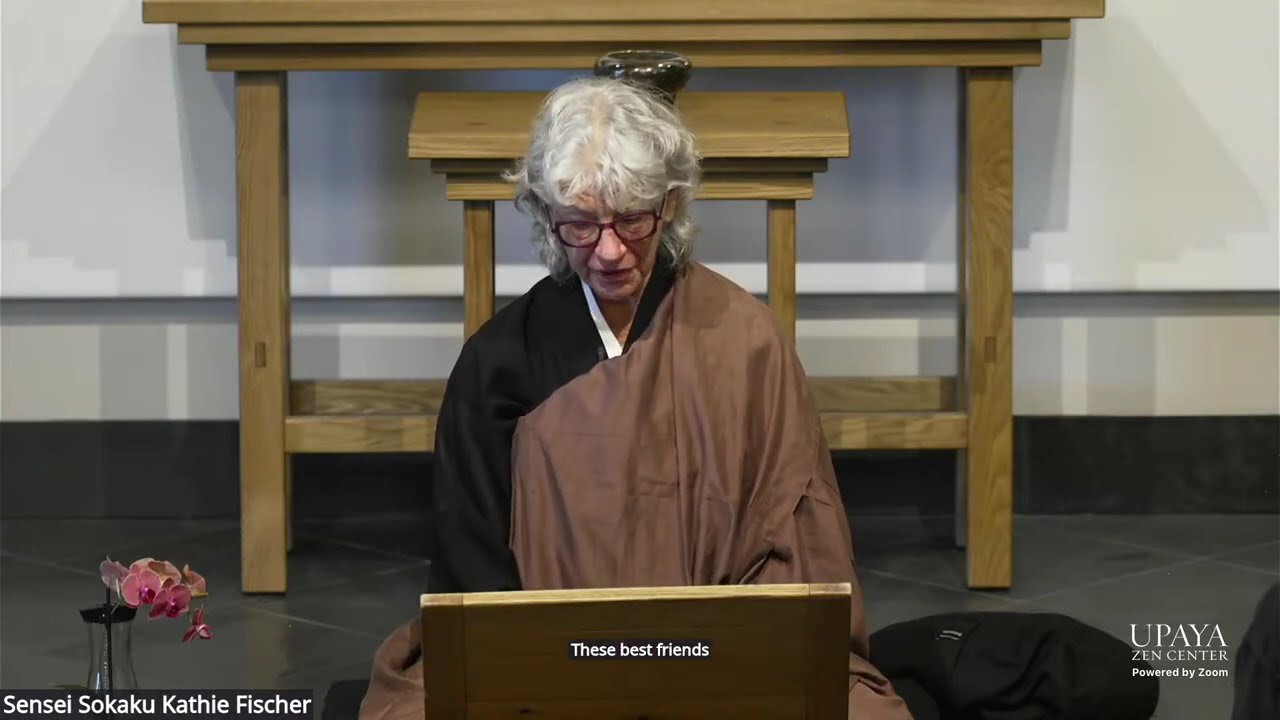
Fall Practice Period 2026 - Morning Zazen is a recorded sitting from Upaya Zen Center in Santa Fe, New Mexico, published to YouTube on October 15, 2026. The video runs one hour, seventeen minutes and fifty-five seconds, and at the time of writing it had 447 views. It is a quiet object: a block of seated meditation, offered inside a named season of practice, that anyone can sit alongside. This article explains what a practice period is, what zazen asks of the person sitting, how the center describes its own daily life, and how a reader who has never sat can take part from home. It does not summarize spoken teaching, because no transcript was available for the recording, and so it does not quote anyone from the session.

読む · 6セクション

What Is a Practice Period, and Why Name a Season for It?

The phrase "practice period" points to a basic habit of Zen life: practice is not only something done on good days. Communities often mark out a stretch of weeks or months and give it a shared focus, so that a group sits, studies, and works in the same rhythm for a set time. Naming it by season, as Upaya has done with "Fall," gives the stretch a beginning and an end. A practice period is not a special state that arrives on schedule. It is a container for ordinary repetition, and the container matters because repetition is easy to abandon when no one else is doing it with you.

That shared container is one reason a recording like this one has value beyond the single sitting. A person who joins the morning sitting is not only meditating alone in a kitchen or a spare room. They are keeping time with a community that has committed to the same weeks.

What Happens in a Morning Zazen Sitting?

Zazen is the central practice of Zen, and the word itself is simple: za means sitting and zen means meditation, so zazen is seated meditation. Across Zen traditions the form is recognizable even when the details vary. The sitter takes a stable seated posture, usually cross-legged on a cushion or upright on a chair, with the spine erect and the eyes lowered or partly open. Attention rests on the breath, or on the simple fact of sitting. When the mind wanders into plans, memories, or commentary, the practice is to notice that it has wandered and return, without a dramatic response to the wandering.

This is why zazen can look like very little from outside. There is no chanting or visualization in its basic form, and there is no goal being pursued on the cushion. Many practitioners describe the difficulty as the difficulty of staying with what is ordinary: an itch, a sound from the street, a sudden flood of worry. The morning setting makes that ordinariness especially visible, since the sitter arrives before the day's demands have begun and sees the mind's habits at their most unguarded.

A full recorded sitting of nearly eighty minutes asks for patience. Anyone trying this for the first time should not measure success by stillness. Sitting for a short time and returning to the breath is a complete practice; sitting longer adds endurance, not depth by default.

How Does Upaya Describe Its Own Community?

The video description gives a plain account of the center. As the description puts it, Upaya is "a Buddhist residential contemplative community in Santa Fe, New Mexico." The same text says the center offers "daily Zen meditation, weekly Dharma Talks, and programs on Buddhist teachings, Buddhist art, contemplative science, and social engagement."

That list shows how a Zen center can be more than a meditation room. The sitting is the daily core, but the surrounding programs reach toward teaching, art, science, and the social dimension of practice. A morning zazen recording sits at the most basic layer of that life. The talks, classes, and community work build outward from the same cushion.

How Can You Sit With the Zendo From Home?

The description includes a live option for people who cannot travel to Santa Fe. Upaya invites viewers to "join our zendo for daily practice on zoom," with a link to its zazen program page at upaya.org. Joining a live sitting differs from watching a recording in one important way: the sitting happens in real time with other people, and the schedule itself becomes a support. If you are new, start with the regular schedule, sit for a set number of minutes, and let the recording serve as a companion for days when the live session does not fit.

Practical notes for a first sitting: choose a quiet spot, sit upright with a cushion or firm chair, and set a timer so you are not checking the clock. Expect to get distracted. The return to the breath is the practice, not a failure of it.

How Do You Support a Practice Center?

The description also lists ways to contribute. Viewers can offer dana, the Buddhist practice of generosity, through the center's dana page for Dharma talks, or explore the wider ways to give and the membership options at upaya.org. Dana is a traditional term, and the center's invitation is an invitation, not a condition of practice. Many people sit with a community for years without giving money. Those who do give often describe it as part of keeping the teaching available.

Where to Go From Here

If this recording brought you to the cushion for the first time, begin with a short daily sitting rather than the full seventy-eight minutes. If you already sit, the value of a practice period is in the shared commitment: pick a time, keep it, and let the season carry you through its quieter weeks. For the full schedule of programs, visit the live programs page at upaya.org/live-programs. To explore the center's written and recorded teachings, the Wisdom Library at upaya.org/wisdom-library is the next stop. To join the daily zendo, follow the link at upaya.org/program/zazen, and if you want to support the work, the giving page at upaya.org/giving holds the details.
Comments

Loading the conversation…

Upaya Zen Center
ArtistUpaya Zen Center

Watch more from Upaya Zen Center on YouTube.

プロフィールを見るウェブサイト
トピックを見る
Zen-meditationZazenPractice-periodUpaya-zen-centerSanta-fe-buddhism

ご質問はありますか?

よくある質問

Zazen is seated meditation, the central practice of Zen Buddhism. The sitter takes an upright posture and rests attention on the breath or on the act of sitting, returning gently whenever the mind wanders.
A practice period is a set stretch of weeks or months in which a Zen community shares a focus on regular sitting and study. Upaya's Fall Practice Period 2026 is a named season of this kind, marked by a morning zazen recording.
Upaya's description invites viewers to join its zendo for daily practice on Zoom through the zazen program page at upaya.org/program/zazen. The live sittings let you practice in real time with the community.
Beginners do not need to start with a long sitting. A short, consistent session with a timer, returning to the breath when the mind wanders, is a complete practice; duration can grow over time.
According to its video description, Upaya is a residential contemplative community in Santa Fe offering daily Zen meditation, weekly Dharma Talks, and programs on Buddhist teachings, Buddhist art, contemplative science, and social engagement.
Dana is the Buddhist practice of generosity. Upaya's description invites viewers to offer dana toward its Dharma talks through a dedicated giving page, along with other giving and membership options.

読みつづける

More from Upaya

すべて表示
Koans, Camouflage, and the Porous Line Between Zen Schools
Inspire

Koans, Camouflage, and the Porous Line Between Zen Schools

A Dharma talk from Upaya Zen Center in Santa Fe traces how the Soto and Rinzai schools drew apart, why koan questions and answers differ in …

1 min read
Why Chan Masters Shouted: Words, Silence and Direct Experience
Inspire

Why Chan Masters Shouted: Words, Silence and Direct Experience

A Santa Fe Zen teacher opens a fall practice period by asking why the Chan masters shouted at students. Her answer turns on the mind that lo…

1 min read
Metta Prayer Explained: Loving-Kindness From Self to the Cosmos
Inspire

Metta Prayer Explained: Loving-Kindness From Self to the Cosmos

A seven-minute guided metta prayer that widens loving-kindness from the self to the whole universe, then turns toward forgiveness. Here is h…

1 min read
Alert Inner Stillness: A Guided Path to Awake Presence
Inspire

Alert Inner Stillness: A Guided Path to Awake Presence

Learn how to access a deeper awareness beneath thought through "smile yoga" and mindful presence, anchoring yourself in alert stillness.…

1 min read

探索を続ける

旅をつづける

BrightStarのディレクトリから、さらなる智慧と集いを。

もっと記事を読む

教え、インタビュー、ガイドのライブラリ全体をご覧ください。

すべての記事に戻る →

講師とアーティスト

コンシャスな世界の系譜、音楽家、導き手を探しましょう。

アーティストを探す →

イベントを見つける

キルタン、リトリート、サウンドバス、ブレスワーク、フェスティバル — まもなく開かれます。

イベントを見る →