BrightStar

すべてのEventsを見る

意識ある集いに出会う

events

Yoga
Meditation
Breathwork
Qigong
Tai Chi
Sacred Music
World Music
Medicine Music
Sound Healing
Ecstatic Dance
人気の目的地
BaliSedonaLos AngelesCosta RicaNew YorkSan FranciscoAustinMiamiJoshua TreeTulum
すべてのカテゴリを見るすべての目的地を見る

すべての機能を探索

イベントを成長させる強力なツール

プラットフォーム機能

スマートダイナミックプライシング
チケットカテゴリ
座席指定
カート放棄リカバリー
訪問者リカバリー
寄付とスライディングスケール
アフィリエイトシステム
チケットスキャナー
クーポンコード
カスタム質問
チケット共有
アップセルとアドオン
分析とレポート
メールシーケンス
ウェイトリスト / 通知 / リマインダー
人と場所
Artists & TeachersEvent OrganizersVenues & StudiosKnowledge BaseGlossaryInspiration
すべての機能を見る私たちについて
料金ブログ
Language
Saved events
すべてのイベントを見る

events

YogaMeditationBreathworkQigongTai ChiSacred MusicWorld MusicMedicine Music

人気の目的地

BaliSedonaLos AngelesCosta RicaNew YorkSan Francisco

人と場所

Artists & TeachersEvent OrganizersVenues & StudiosKnowledge BaseGlossaryInspiration

プラットフォーム機能

スマートダイナミックプライシングチケットカテゴリ座席指定カート放棄リカバリー訪問者リカバリー寄付とスライディングスケールアフィリエイトシステムチケットスキャナークーポンコードカスタム質問チケット共有アップセルとアドオン分析とレポートメールシーケンスウェイトリスト / 通知 / リマインダー
すべての機能を見る私たちについて
料金ブログ
ログイン探求者クリエイター
  • すべてのイベントを見る
  • 探求者向け
  • ヨガ
  • 瞑想
  • ブレスワーク
  • 気功
  • 太極拳
  • 聖なる音楽
  • ワールドミュージック
  • メディスンミュージック
  • サウンドヒーリング
  • エクスタティックダンス
  • リトリート
  • ワークショップ
  • すべてのカテゴリ →
  • Bali
  • Sedona
  • Los Angeles
  • Costa Rica
  • Tulum
  • Byron Bay
  • San Francisco
  • Austin
  • New York
  • San Diego
  • Denver
  • Seattle
  • Portland
  • Miami
  • すべての都市 →
  • Join the Movement
  • Why we list
  • Sell Globally
  • クリエイター向け
  • チーム向け
  • ライター向け
  • 講師向け
  • キルタンアーティスト向け
  • スタジオ向け
  • フェスティバル向け
  • リトリートセンター向け
  • 非営利団体向け
  • ブランドアンバサダー
  • 事例紹介
  • 無料チケット販売
  • Elevate
  • Amplify
  • 50万人以上のバイヤーネットワーク
  • カート放棄リカバリー
  • スマートダイナミックプライシング
  • チケットカテゴリ
  • 定期イベント
  • 座席指定
  • アフィリエイトシステム
  • ウェイトリスト / 通知
  • チケットスキャナー
  • 埋め込みウィジェット
  • イベント配信
  • メッセージセンター
  • インテグレーション
  • レポート
  • すべての機能 →
  • 概要
  • エコシステム
  • ブログ
  • 用語集
  • インスピレーション
  • ヘルプセンター
  • お問い合わせ
  • APIドキュメント
  • ブランドアセット
  • 採用
  • プレス
  • 利用規約
  • プライバシーポリシー

イベント

  • すべてのイベントを見る
  • 探求者向け
  • ヨガ
  • 瞑想
  • ブレスワーク
  • 気功
  • 太極拳
  • 聖なる音楽
  • ワールドミュージック
  • メディスンミュージック
  • サウンドヒーリング
  • エクスタティックダンス
  • リトリート
  • ワークショップ
  • すべてのカテゴリ →

目的地

  • Bali
  • Sedona
  • Los Angeles
  • Costa Rica
  • Tulum
  • Byron Bay
  • San Francisco
  • Austin
  • New York
  • San Diego
  • Denver
  • Seattle
  • Portland
  • Miami
  • すべての都市 →

クリエイター向け

  • Join the Movement
  • Why we list
  • Sell Globally
  • クリエイター向け
  • チーム向け
  • ライター向け
  • 講師向け
  • キルタンアーティスト向け
  • スタジオ向け
  • フェスティバル向け
  • リトリートセンター向け
  • 非営利団体向け
  • ブランドアンバサダー
  • 事例紹介
  • 無料チケット販売
  • Elevate
  • Amplify

機能

  • 50万人以上のバイヤーネットワーク
  • カート放棄リカバリー
  • スマートダイナミックプライシング
  • チケットカテゴリ
  • 定期イベント
  • 座席指定
  • アフィリエイトシステム
  • ウェイトリスト / 通知
  • チケットスキャナー
  • 埋め込みウィジェット
  • イベント配信
  • メッセージセンター
  • インテグレーション
  • レポート
  • すべての機能 →

会社

  • 概要
  • エコシステム
  • ブログ
  • 用語集
  • インスピレーション
  • ヘルプセンター
  • お問い合わせ
  • APIドキュメント
  • ブランドアセット
  • 採用
  • プレス
  • 利用規約
  • プライバシーポリシー
BrightStar
© 2026 BrightStar. 全著作権所有.
Inspire

How Childhood Trauma Shapes Adult Behavior and Worldview

Gabor Mate
Gabor Mate
May 22, 2024
読了 約7分
視聴 · 5

When children experience harsh treatment or emotional abuse from a parent—particularly one with psychopathic traits—they develop unconscious defensive strategies that persist into adulthood. These strategies manifest as grandiosity, aggression, hypervigilance about threats, and a worldview shaped by early deprivation. The same traumatic childhood that might drive one sibling toward dominance and success can drive another toward self-destruction, yet both reflect deep dysfunction rooted in unhealed childhood wounds.

読む · 6セクション

What does unprocessed childhood trauma actually look like in adults?

Gabor Maté uses a clinical example to illustrate how early trauma becomes embedded in adult personality and worldview. When a child grows up with a parent who is harsh, demeaning, and possibly psychopathic, that child faces an impossible bind: the person responsible for safety is the source of threat. The child cannot leave, cannot fight back effectively, and cannot reason with an unreasonable authority. The only survival strategy available is psychological adaptation—the unconscious rewiring of the self to cope with the environment.

In this case, the child decides—not consciously, but at a deep neurological and emotional level—that the way to survive in a dangerous world is to become bigger, more powerful, and more aggressive. Grandiosity is not vanity; it is armor. Aggression is not cruelty; it is preemptive self-defense. The child reasons (wordlessly): "If I make myself large enough, strong enough, intimidating enough, then nobody can hurt me the way I was hurt."

This unconscious decision then becomes the blueprint for how that person navigates the entire world. It shapes not just their behavior but their perception of reality itself.

How does early deprivation shape a person's worldview?

One striking feature of trauma-informed psychology is that a person's internal world—their core beliefs about reality—often mirrors their childhood home. If you grow up in a household where you cannot trust your primary caregiver, where scarcity and threat are constant, where emotional needs go unmet, you internalize a cosmology of danger.

Maté notes that in this particular case, the person's own autobiography reveals a worldview in which the world is inherently hostile. It is described as a "dog-eat-dog place where everybody is after you." In this worldview, your friends want your wealth. Your enemies want your wife. Everyone is competing for your resources. There is no genuine safety, no genuine trust, no genuine cooperation—only strategic advantage and zero-sum competition.

This is not a philosophical position arrived at through rational analysis. This is a wound speaking. This is a child who never felt safe, who was never prioritized, who was never truly seen by the person who should have seen them most clearly—now grown, and interpreting an entire complex world through the lens of that original deprivation.

The tragedy is that this interpretation becomes self-fulfilling. A person who relates to the world with constant suspicion, who takes preemptive aggressive action, who hoards and dominates—this person will create relationships and environments that confirm their original fear. They will find evidence of betrayal because they provoke it. They will experience scarcity because they do not build genuine alliances. The original trauma's logic, though adaptive in childhood, becomes maladaptive in a wider world.

Why do siblings from the same traumatic home end up in radically different places?

Maté's example points to something critical: two children from the same traumatic household can follow entirely different paths to dysfunction. One sibling channels the adaptive energy into dominance, accumulation, and power-seeking. This person may become objectively successful in a competitive, ruthless world—the kind of world they believe in. They get to be "really successful in this crazy world," as Maté puts it.

The other sibling follows a different trajectory toward the same core wound: self-destruction. Where one became grandiose, the other became self-annihilating. Where one externalized their pain, the other internalized it. Both are expressions of deep, unresolved dysfunction. Both are ways of saying, "I cannot live with what happened to me and what it made me."

The outcome is different—one is celebrated, one is pitied—but the root is identical. Both siblings are still in the grip of the original trauma. One has simply found a path that the outside world rewards, at least materially and socially. But Maté is clear: when you look closely, you see dysfunction in both cases. Significant dysfunction.

What is the difference between healthy success and trauma-driven achievement?

This distinction matters profoundly. A person can accumulate wealth, power, and social status while remaining entirely imprisoned by childhood wounds. Success, in this case, is not healing. It is not integration or wholeness. It is a more elaborate version of the same defense mechanism.

In fact, success—especially in a world that rewards aggression, competition, and emotional distance—can actually reinforce the trauma pattern. Every victory confirms the traumatized person's belief that the world is hostile and must be dominated. Every acquisition confirms that safety comes from having more. Every defeat (rare as it may be for the powerful) is experienced as catastrophic precisely because the internal sense of safety has never been genuine.

Healthy achievement, by contrast, would come from a person who has processed their trauma, who understands how their childhood shaped them, and who has built a more coherent and realistic sense of self and world. Such a person might still be ambitious, but their ambition would not be driven by unconscious fear and deprivation. They could succeed without needing to dominate. They could accumulate without needing to hoard. They could be strong without needing to prove it endlessly.

How does understanding this change how we see public figures and people around us?

Maté's point is deliberately non-partisan. He states explicitly that he is not talking about policies, not making a political argument, not choosing sides. He is applying a clinical, psychological lens to a public figure precisely to illustrate how trauma operates—in anyone, at any level of society.

The value of this framework is that it allows us to separate the person from their behavior, the wound from the defense mechanism. You can see someone's grandiosity, aggression, or need to dominate, and instead of judging it as simply "bad character," you can ask: What early experience created the need to be this way? What did this person learn about safety, trust, and power in their first relationships?

This does not excuse harmful behavior. It does not mean "if you understand their trauma, you must accept their actions." It means: understanding the source of a behavior makes it possible to actually address it, to intervene, to offer healing, rather than simply reacting to the surface.

For people around you—family members, colleagues, friends—this framework can be liberating. When someone is hostile or controlling, when they seem to believe the world is out to get them, when they cannot tolerate vulnerability or admit mistake, you can now see: this person is still a child in many ways. A frightened child in an adult body. That perspective does not make their behavior acceptable, but it makes compassion possible. And compassion—for yourself and for others—is what breaks the cycle.

Where to go from here

If you recognize patterns of trauma-driven defense in yourself or someone close to you, the path forward begins with awareness. Maté's work throughout his career emphasizes that the first step is never judgment but understanding: Where did this pattern come from? What did I need to survive? What was I protecting myself against?

Healing childhood trauma requires professional support in most cases—a therapist trained in trauma-informed care, somatic therapy, or similar modalities. It requires patience, as these patterns are not chosen consciously and cannot be un-chosen through willpower alone. And it requires self-compassion: the recognition that you adapted brilliantly to what was asked of you, even if those adaptations no longer serve you.

For those interested in deeper exploration of how early attachment and parental influence shape lifelong patterns, Maté's full body of work—including his books on addiction, ADHD, and childhood development—provides extensive research and case studies. The invitation is to look at your own story with the same curiosity and compassion he models here.

Comments

Loading the conversation…

Transcript

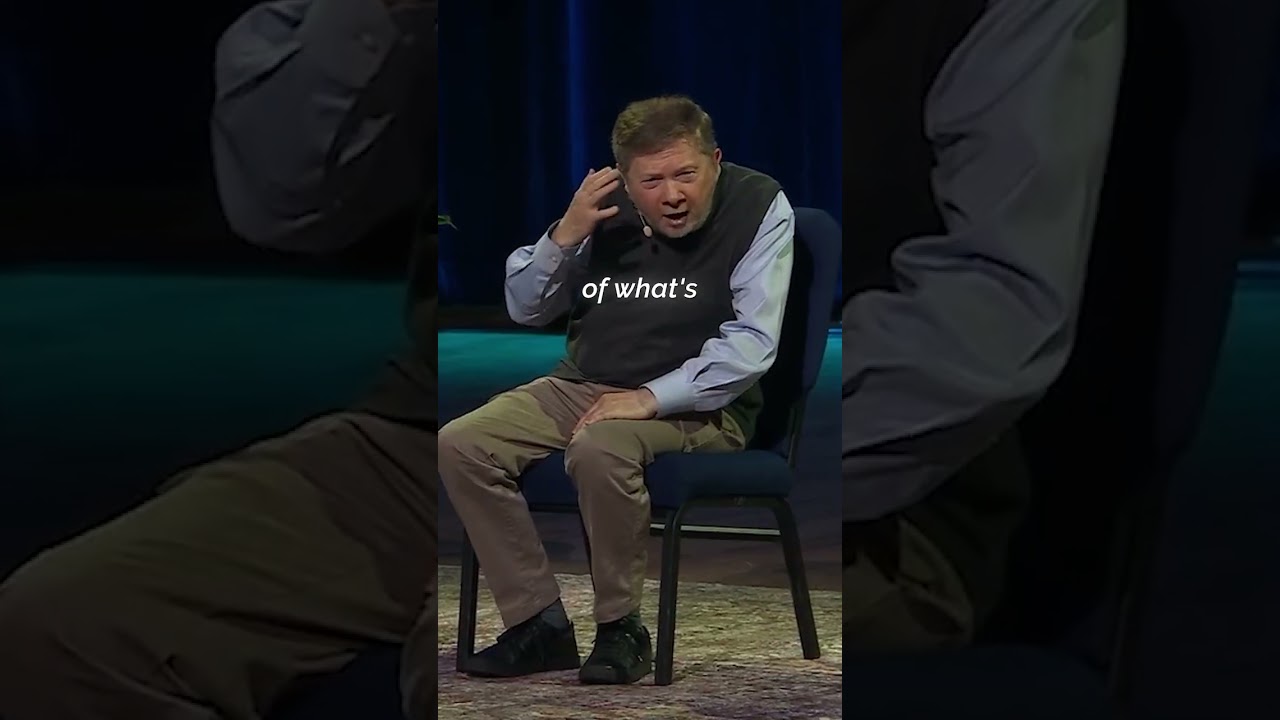
[0:00] I can give you the example of of Donald

[0:02] Trump who had a really traumatic

[0:04] childhood Trump's father was a

[0:06] psychopath and who really demeaned and

[0:10] harshly treated their children so Trump

[0:13] decides unconsciously that by the way

[0:15] I'm not talking about his policies here

[0:17] I'm this is not a political debate

[0:18] because I'm not choosing sides I'm just

[0:21] saying that you can see his trauma and

[0:22] every moment he opens his mouth his

[0:24] grandiosity need to make himself bigger

[0:27] more powerful aggressive and he as much

[0:29] as said in his autobiography

[0:31] that the world is a horrible place a

[0:33] doggy dog place where everybody is after

[0:35] you everybody wants your wife and your

[0:37] house and your wealth and this is your

[0:39] friends never mind your enemies but

[0:42] that's the world he lives in but that

[0:44] world that he lives in reflects his

[0:45] child at home and he gets to be really

[0:47] successful in this crazy world his

[0:49] brother on the other hand drank himself

[0:50] to death when I look at them both I see

[0:53] dysfunction there significant

[0:54] dysfunction

Gabor Mate
ArtistGabor Mate

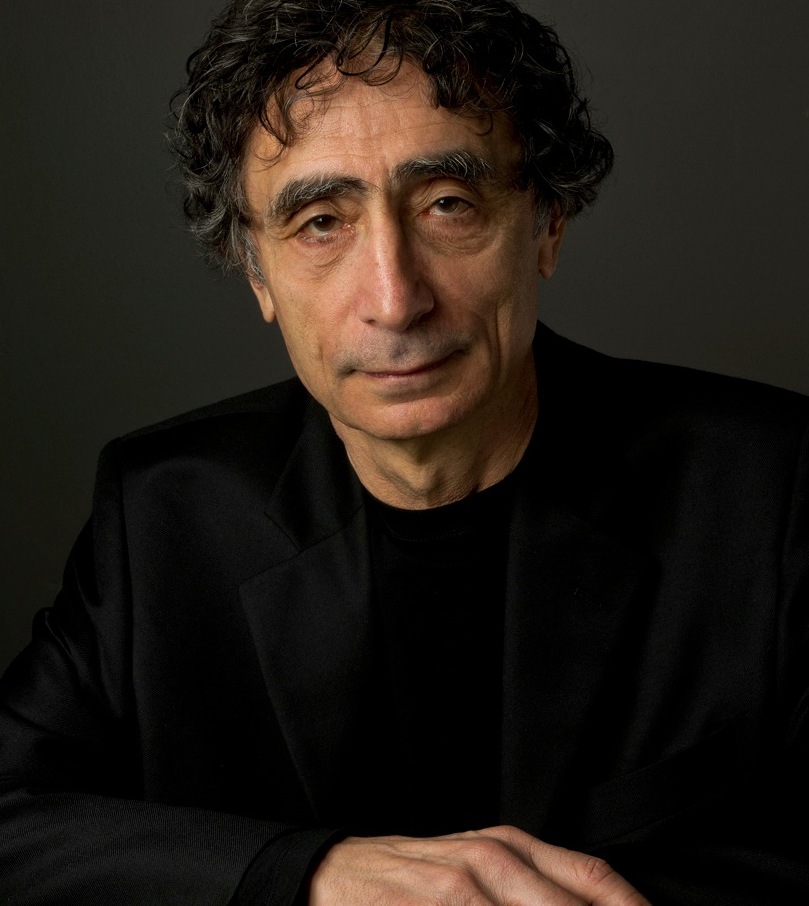
Hungarian-Canadian physician known for his work on trauma, addiction, stress, and child development. His teachings connect medical insight with deep psychological and spiritual und…

プロフィールを見るウェブサイト
トピックを見る
Childhood-traumaParental-influenceUnconscious-patternsPsychologyTrauma-response

ご質問はありますか?

よくある質問

When children grow up with harsh or psychopathic parents, they unconsciously develop grandiosity and aggression as survival strategies—making themselves 'bigger' and more powerful to prevent further harm. This defensive pattern persists into adulthood, manifesting as a need to dominate and control, even when the original threat no longer exists.
A person's internal worldview typically mirrors their childhood home. If you grew up in an unsafe, untrustworthy environment, you internalize a belief that the world is inherently hostile, competitive, and filled with people trying to harm you—a lens through which you then interpret all later experiences.
Yes. A person can accumulate wealth and power while remaining entirely imprisoned by childhood wounds. Success driven by unhealed trauma is not healing—it is simply a more elaborate version of the same defense mechanism, where each victory reinforces the original belief that the world must be dominated.
While both siblings are shaped by the same trauma, they adapt differently. One may channel it into dominance and achievement; another into self-destruction. Both are expressions of deep dysfunction rooted in the same wound, but the paths and outcomes vary significantly.
No. Understanding the source of harmful behavior does not mean accepting it. Rather, it makes it possible to address the root cause, offer healing, and respond with compassion instead of simply reacting to the surface—which is far more effective for actual change.
Trauma-driven success is powered by unconscious fear and the need to prove safety through dominance and accumulation. Healthy achievement comes from someone who has processed their wounds and can succeed without needing to endlessly dominate, hoard, or prove their worth.
The first step is awareness and understanding—not judgment. Ask yourself: Where did this pattern come from? What did I need to survive? Healing typically requires professional support from a trauma-informed therapist and sustained self-compassion for the adaptations that once protected you.

読みつづける

More from Gabor

すべて表示
Reclaim Playfulness: Why We Sacrifice Joy for Success
Inspire

Reclaim Playfulness: Why We Sacrifice Joy for Success

Dr. Gabor Maté uses Winnie the Pooh to reveal how we sacrifice playfulness and presence for achievement, and how to reclaim the Enchanted Fo…

1 min read
Trauma as a Wound: Understanding Why Healing Requires More Than Time
Inspire

Trauma as a Wound: Understanding Why Healing Requires More Than Time

Dr. Gabor Maté defines trauma not as the difficult event itself, but as the psychic wound it leaves—and explains why time alone cannot heal …

1 min read
Why Humans Keep Suffering: The Victim-Perpetrator Loop
Inspire

Why Humans Keep Suffering: The Victim-Perpetrator Loop

Victim and perpetrator are not opposites but two expressions of the same unconscious mind. Understanding this relationship is key to breakin…

1 min read
How Awareness Changes Everything: The Power of Presence
Inspire

How Awareness Changes Everything: The Power of Presence

Unconscious living isn't a choice but the default when presence is absent. Awareness becomes the gateway to transforming how we experience e…

1 min read

探索を続ける

旅をつづける

BrightStarのディレクトリから、さらなる智慧と集いを。

もっと記事を読む

教え、インタビュー、ガイドのライブラリ全体をご覧ください。

すべての記事に戻る →

講師とアーティスト

コンシャスな世界の系譜、音楽家、導き手を探しましょう。

アーティストを探す →

イベントを見つける

キルタン、リトリート、サウンドバス、ブレスワーク、フェスティバル — まもなく開かれます。

イベントを見る →