BrightStar

すべてのEventsを見る

意識ある集いに出会う

events

Yoga
Meditation
Breathwork
Qigong
Tai Chi
Sacred Music
World Music
Medicine Music
Sound Healing
Ecstatic Dance
人気の目的地
BaliSedonaLos AngelesCosta RicaNew YorkSan FranciscoAustinMiamiJoshua TreeTulum
すべてのカテゴリを見るすべての目的地を見る

すべての機能を探索

イベントを成長させる強力なツール

プラットフォーム機能

スマートダイナミックプライシング
チケットカテゴリ
座席指定
カート放棄リカバリー
訪問者リカバリー
寄付とスライディングスケール
アフィリエイトシステム
チケットスキャナー
クーポンコード
カスタム質問
チケット共有
アップセルとアドオン
分析とレポート
メールシーケンス
ウェイトリスト / 通知 / リマインダー
人と場所
Artists & TeachersEvent OrganizersVenues & StudiosKnowledge BaseGlossaryInspiration
すべての機能を見る私たちについて
料金ブログ
Language
Saved events
すべてのイベントを見る

events

YogaMeditationBreathworkQigongTai ChiSacred MusicWorld MusicMedicine Music

人気の目的地

BaliSedonaLos AngelesCosta RicaNew YorkSan Francisco

人と場所

Artists & TeachersEvent OrganizersVenues & StudiosKnowledge BaseGlossaryInspiration

プラットフォーム機能

スマートダイナミックプライシングチケットカテゴリ座席指定カート放棄リカバリー訪問者リカバリー寄付とスライディングスケールアフィリエイトシステムチケットスキャナークーポンコードカスタム質問チケット共有アップセルとアドオン分析とレポートメールシーケンスウェイトリスト / 通知 / リマインダー
すべての機能を見る私たちについて
料金ブログ
ログイン探求者クリエイター
  • すべてのイベントを見る
  • 探求者向け
  • ヨガ
  • 瞑想
  • ブレスワーク
  • 気功
  • 太極拳
  • 聖なる音楽
  • ワールドミュージック
  • メディスンミュージック
  • サウンドヒーリング
  • エクスタティックダンス
  • リトリート
  • ワークショップ
  • すべてのカテゴリ →
  • Bali
  • Sedona
  • Los Angeles
  • Costa Rica
  • Tulum
  • Byron Bay
  • San Francisco
  • Austin
  • New York
  • San Diego
  • Denver
  • Seattle
  • Portland
  • Miami
  • すべての都市 →
  • Join the Movement
  • Sell Globally
  • クリエイター向け
  • チーム向け
  • ライター向け
  • 講師向け
  • キルタンアーティスト向け
  • スタジオ向け
  • フェスティバル向け
  • リトリートセンター向け
  • 非営利団体向け
  • ブランドアンバサダー
  • 事例紹介
  • 無料チケット販売
  • Elevate
  • Amplify
  • 50万人以上のバイヤーネットワーク
  • カート放棄リカバリー
  • スマートダイナミックプライシング
  • チケットカテゴリ
  • 定期イベント
  • 座席指定
  • アフィリエイトシステム
  • ウェイトリスト / 通知
  • チケットスキャナー
  • 埋め込みウィジェット
  • イベント配信
  • メッセージセンター
  • インテグレーション
  • レポート
  • すべての機能 →
  • 概要
  • エコシステム
  • ブログ
  • 用語集
  • インスピレーション
  • ヘルプセンター
  • お問い合わせ
  • APIドキュメント
  • ブランドアセット
  • 採用
  • プレス
  • 利用規約
  • プライバシーポリシー

イベント

  • すべてのイベントを見る
  • 探求者向け
  • ヨガ
  • 瞑想
  • ブレスワーク
  • 気功
  • 太極拳
  • 聖なる音楽
  • ワールドミュージック
  • メディスンミュージック
  • サウンドヒーリング
  • エクスタティックダンス
  • リトリート
  • ワークショップ
  • すべてのカテゴリ →

目的地

  • Bali
  • Sedona
  • Los Angeles
  • Costa Rica
  • Tulum
  • Byron Bay
  • San Francisco
  • Austin
  • New York
  • San Diego
  • Denver
  • Seattle
  • Portland
  • Miami
  • すべての都市 →

クリエイター向け

  • Join the Movement
  • Sell Globally
  • クリエイター向け
  • チーム向け
  • ライター向け
  • 講師向け
  • キルタンアーティスト向け
  • スタジオ向け
  • フェスティバル向け
  • リトリートセンター向け
  • 非営利団体向け
  • ブランドアンバサダー
  • 事例紹介
  • 無料チケット販売
  • Elevate
  • Amplify

機能

  • 50万人以上のバイヤーネットワーク
  • カート放棄リカバリー
  • スマートダイナミックプライシング
  • チケットカテゴリ
  • 定期イベント
  • 座席指定
  • アフィリエイトシステム
  • ウェイトリスト / 通知
  • チケットスキャナー
  • 埋め込みウィジェット
  • イベント配信
  • メッセージセンター
  • インテグレーション
  • レポート
  • すべての機能 →

会社

  • 概要
  • エコシステム
  • ブログ
  • 用語集
  • インスピレーション
  • ヘルプセンター
  • お問い合わせ
  • APIドキュメント
  • ブランドアセット
  • 採用
  • プレス
  • 利用規約
  • プライバシーポリシー
BrightStar
© 2026 BrightStar. 全著作権所有.
Inspiration

Yirra Kurl: Indigenous Song and Spiritual Connection

Xavier Rudd
Xavier Rudd
Mar 3, 2010
読了 約4分
視聴 · 4

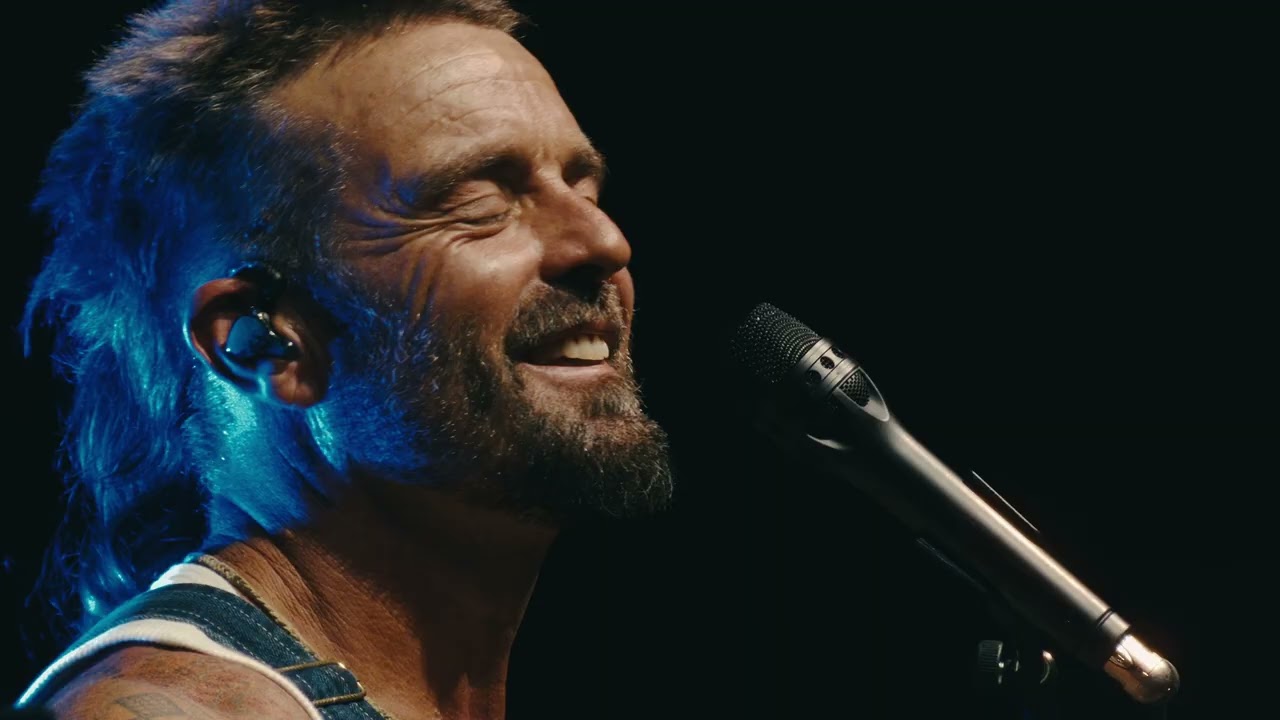
Xavier Rudd performs "Yirra Kurl," a piece from his album Solace, in this live setting. The performance demonstrates Rudd's approach to music as a vehicle for indigenous connection and spiritual resonance, combining instrumental and vocal elements to create a meditative listening experience rooted in earth-based consciousness.

読む · 7セクション

Who Is Xavier Rudd and What Does He Do?

Xavier Rudd is an Australian musician and songwriter known for integrating indigenous Australian spiritual themes, environmental consciousness, and acoustic instrumentation into his work. His music often draws from didgeridoo, hand percussion, and acoustic guitar to create soundscapes that honor aboriginal traditions and explore humanity's relationship with the earth. "Yirra Kurl," from his album Solace, exemplifies this approach—combining instrumental storytelling with an accessible, meditative quality that invites deep listening.

What Is "Yirra Kurl" About?

The title "Yirra Kurl" carries indigenous language roots, reflecting Rudd's commitment to centering aboriginal voices and vocabulary in his artistic work. The piece functions less as a conventional narrative song and more as a sonic journey, where instrumental texture and vocal presence guide the listener through a reflective space. In the live performance captured here, Rudd uses minimal lyrical content—focusing instead on the musicality and emotional tone of the composition. This approach allows listeners to bring their own meaning and connection to the work, rather than imposing a fixed interpretation.

How Does Music Serve as a Spiritual Practice?

For artists like Rudd, music functions as a form of prayer or meditation rather than entertainment alone. The performance demonstrates this through sustained instrumental passages, allowing space for the audience to settle into a receptive state. This is consistent with contemplative traditions across cultures, where sound and vibration are understood as carriers of intention and healing. The live context—with its acoustic simplicity and direct human presence—reinforces this function; the musician and listener are meeting in real time, creating a shared energetic field rather than consuming a product.

What Is the Role of Indigenous Language and Land Connection in Modern Music?

By naming the song with indigenous terminology and drawing on aboriginal musical traditions (such as didgeridoo), Rudd positions himself as a cultural bridge-builder rather than an appropriator. This distinction matters: he is amplifying indigenous perspectives and honoring the land's original custodians, not extracting their traditions for commercial gain. In Solace and performances like this one, the music becomes an act of remembrance and respect, inviting listeners—regardless of background—to consider their own relationship to place, ancestry, and the living earth.

What Is the Difference Between Listening and Hearing?

This performance invites the former. Hearing is passive reception of sound; listening requires attention, openness, and a willingness to be moved. The sparse lyrical content in "Yirra Kurl" actually serves this purpose—without words to parse intellectually, the listener's mind settles, and the body begins to respond to rhythm, tone, and resonance. Indigenous cultures have long understood music as a language that bypasses the thinking mind and speaks directly to the spirit. Rudd's performance respects this tradition, creating space for listeners to access states of awareness that rational thought alone cannot reach.

How Does Live Performance Differ from Studio Recording?

The energy of a live audience—their collective presence and attention—creates a unique alchemical context that studio recordings, no matter how well-produced, cannot fully replicate. In this 2010 performance, you hear real applause, real acoustic resonance in the room, and the subtle variations that come from a musician responding to the moment rather than playing to a fixed track. This is especially important in spiritual or meditative music, where authenticity of presence matters as much as technical precision. The gratitude Rudd expresses at the end ("thank you very") acknowledges this reciprocal exchange between performer and audience.

Where to Go from Here

If this performance resonates with you, explore Rudd's full album Solace to understand the broader sonic and thematic arc of his work. Listen with the intention to receive rather than to analyze—allow yourself to sit with the music without needing to understand it intellectually. Consider also investigating the indigenous Australian traditions that inform his work; artists like Rudd often credit elders and custodians whose wisdom precedes and undergirds the music. Finally, reflect on your own relationship to sound, place, and spiritual practice: what draws you to music, and what might shift if you approached listening as a deliberate act of presence rather than background accompaniment?
Comments

Loading the conversation…

Transcript

[0:03] [Applause]

[0:13] [Music]

[0:27] hey

[0:29] there

[0:41] [Music]

[0:51] [Music]

[0:55] [Applause]

[0:58] [Music]

[1:05] [Music]

[1:11] [Music]

[1:24] [Music]

[1:29] n

[1:38] [Music]

[1:47] [Music]

[1:59] n

[2:04] [Music]

[2:17] [Applause]

[2:29] he

[2:41] thank you

[2:43] very

Xavier Rudd
ArtistXavier Rudd

Australian musician and yoga teacher who weaves folk, blues, and world music with spiritual themes, championing environmental consciousness and connection to nature through soulful…

プロフィールを見るウェブサイト
トピックを見る
Indigenous-musicSpiritual-songMeditative-listeningEarth-connectionAcoustic-performance

ご質問はありますか?

よくある質問

Yirra Kurl uses indigenous Australian language roots, reflecting Xavier Rudd's practice of centering aboriginal vocabulary and perspectives in his music. The specific meaning is tied to the song's spiritual intention and connection to land and indigenous consciousness.
Indigenous music often prioritizes communal participation, ceremonial purpose, and direct connection to land and spirit, rather than individual artistic expression or commercial consumption. The didgeridoo and hand percussion traditions Rudd draws on are designed to facilitate trance states and healing, not entertainment.
This depends on intent and accountability. Rudd positions himself as an amplifier of indigenous perspectives rather than an appropriator, centering aboriginal voices and language in his work. The ethical line lies between honoring and borrowing from traditions versus exploiting them for profit without credit.
Choose music that invites stillness rather than stimulation, find a quiet space, and listen with deliberate attention—letting thoughts pass without grasping them. Instrumentally-focused pieces like "Yirra Kurl" are especially effective for this practice, as they bypass the analytical mind.
Ambient music is designed to create atmosphere without demanding attention, while meditative music invites active, receptive listening. Meditative music often has intentional structure and spiritual grounding, whereas ambient music may be more texture-focused and less purpose-driven.
Live performance carries the real-time presence, breath, and intention of the performer, plus the collective energy of the audience. Recorded music, while valuable, removes this reciprocal human exchange and creates a fixed rather than spontaneous experience.

読みつづける

More from Xavier

すべて表示
Music as Spirit Medicine: Touching Souls Through Sound
Inspire

Music as Spirit Medicine: Touching Souls Through Sound

Xavier Rudd explores how music serves as a bridge to the spirit world, allowing us to access realms beyond words and touch the souls of othe…

1 min read
Let Me Be: Finding Freedom in Acts of Humanity
Inspire

Let Me Be: Finding Freedom in Acts of Humanity

Xavier Rudd performs "Let Me Be," a song written after 9/11 to counter fear with joy, accompanied by 8000 Belgian fans in this live Forest N…

1 min read
Reconnect with Your Body to Heal Mother Earth Within
Inspire

Reconnect with Your Body to Heal Mother Earth Within

Modern life pulls us away from our bodies and the earth. Thich Nhat Hanh teaches a simple practice of returning home to the body to touch Mo…

1 min read
Mindful Breathing Practice: Connect With Earth and Self
Inspire

Mindful Breathing Practice: Connect With Earth and Self

Sister Don Hanh guides a foundational meditation linking breath awareness with Earth connection, using simple body scans and gratitude pract…

1 min read

探索を続ける

旅をつづける

BrightStarのディレクトリから、さらなる智慧と集いを。

もっと記事を読む

教え、インタビュー、ガイドのライブラリ全体をご覧ください。

すべての記事に戻る →

講師とアーティスト

コンシャスな世界の系譜、音楽家、導き手を探しましょう。

アーティストを探す →

イベントを見つける

キルタン、リトリート、サウンドバス、ブレスワーク、フェスティバル — まもなく開かれます。

イベントを見る →