BrightStar

すべてのEventsを見る

意識ある集いに出会う

events

Yoga
Meditation
Breathwork
Qigong
Tai Chi
Sacred Music
World Music
Medicine Music
Sound Healing
Ecstatic Dance
人気の目的地
BaliSedonaLos AngelesCosta RicaNew YorkSan FranciscoAustinMiamiJoshua TreeTulum
すべてのカテゴリを見るすべての目的地を見る

すべての機能を探索

イベントを成長させる強力なツール

プラットフォーム機能

スマートダイナミックプライシング
チケットカテゴリ
座席指定
カート放棄リカバリー
訪問者リカバリー
寄付とスライディングスケール
アフィリエイトシステム
チケットスキャナー
クーポンコード
カスタム質問
チケット共有
アップセルとアドオン
分析とレポート
メールシーケンス
ウェイトリスト / 通知 / リマインダー
人と場所
Artists & TeachersEvent OrganizersVenues & StudiosKnowledge BaseGlossaryInspiration
すべての機能を見る私たちについて
料金ブログ
Language
Saved events
すべてのイベントを見る

events

YogaMeditationBreathworkQigongTai ChiSacred MusicWorld MusicMedicine Music

人気の目的地

BaliSedonaLos AngelesCosta RicaNew YorkSan Francisco

人と場所

Artists & TeachersEvent OrganizersVenues & StudiosKnowledge BaseGlossaryInspiration

プラットフォーム機能

スマートダイナミックプライシングチケットカテゴリ座席指定カート放棄リカバリー訪問者リカバリー寄付とスライディングスケールアフィリエイトシステムチケットスキャナークーポンコードカスタム質問チケット共有アップセルとアドオン分析とレポートメールシーケンスウェイトリスト / 通知 / リマインダー
すべての機能を見る私たちについて
料金ブログ
ログイン探求者クリエイター
  • すべてのイベントを見る
  • 探求者向け
  • ヨガ
  • 瞑想
  • ブレスワーク
  • 気功
  • 太極拳
  • 聖なる音楽
  • ワールドミュージック
  • メディスンミュージック
  • サウンドヒーリング
  • エクスタティックダンス
  • リトリート
  • ワークショップ
  • すべてのカテゴリ →
  • Bali
  • Sedona
  • Los Angeles
  • Costa Rica
  • Tulum
  • Byron Bay
  • San Francisco
  • Austin
  • New York
  • San Diego
  • Denver
  • Seattle
  • Portland
  • Miami
  • すべての都市 →
  • Join the Movement
  • Why we list
  • Sell Globally
  • クリエイター向け
  • チーム向け
  • ライター向け
  • 講師向け
  • キルタンアーティスト向け
  • スタジオ向け
  • フェスティバル向け
  • リトリートセンター向け
  • 非営利団体向け
  • ブランドアンバサダー
  • 無料チケット販売
  • Elevate
  • Amplify
  • 50万人以上のバイヤーネットワーク
  • カート放棄リカバリー
  • スマートダイナミックプライシング
  • チケットカテゴリ
  • 定期イベント
  • 座席指定
  • アフィリエイトシステム
  • ウェイトリスト / 通知
  • チケットスキャナー
  • 埋め込みウィジェット
  • イベント配信
  • メッセージセンター
  • インテグレーション
  • レポート
  • すべての機能 →
  • 概要
  • エコシステム
  • ブログ
  • 用語集
  • インスピレーション
  • ヘルプセンター
  • お問い合わせ
  • APIドキュメント
  • ブランドアセット
  • 採用
  • プレス
  • 利用規約
  • プライバシーポリシー

イベント

  • すべてのイベントを見る
  • 探求者向け
  • ヨガ
  • 瞑想
  • ブレスワーク
  • 気功
  • 太極拳
  • 聖なる音楽
  • ワールドミュージック
  • メディスンミュージック
  • サウンドヒーリング
  • エクスタティックダンス
  • リトリート
  • ワークショップ
  • すべてのカテゴリ →

目的地

  • Bali
  • Sedona
  • Los Angeles
  • Costa Rica
  • Tulum
  • Byron Bay
  • San Francisco
  • Austin
  • New York
  • San Diego
  • Denver
  • Seattle
  • Portland
  • Miami
  • すべての都市 →

クリエイター向け

  • Join the Movement
  • Why we list
  • Sell Globally
  • クリエイター向け
  • チーム向け
  • ライター向け
  • 講師向け
  • キルタンアーティスト向け
  • スタジオ向け
  • フェスティバル向け
  • リトリートセンター向け
  • 非営利団体向け
  • ブランドアンバサダー
  • 無料チケット販売
  • Elevate
  • Amplify

機能

  • 50万人以上のバイヤーネットワーク
  • カート放棄リカバリー
  • スマートダイナミックプライシング
  • チケットカテゴリ
  • 定期イベント
  • 座席指定
  • アフィリエイトシステム
  • ウェイトリスト / 通知
  • チケットスキャナー
  • 埋め込みウィジェット
  • イベント配信
  • メッセージセンター
  • インテグレーション
  • レポート
  • すべての機能 →

会社

  • 概要
  • エコシステム
  • ブログ
  • 用語集
  • インスピレーション
  • ヘルプセンター
  • お問い合わせ
  • APIドキュメント
  • ブランドアセット
  • 採用
  • プレス
  • 利用規約
  • プライバシーポリシー
BrightStar
アプリを入手
App StoreからApp StoreGoogle Playで手に入れようGoogle Play
© 2026 BrightStar. 全著作権所有.
Inspiration

Why Overly Positive Thinking Can Work Like an Intoxicant

Susan
Susan
Nov 2, 2026
読了 約3分

出典:Susan Piver

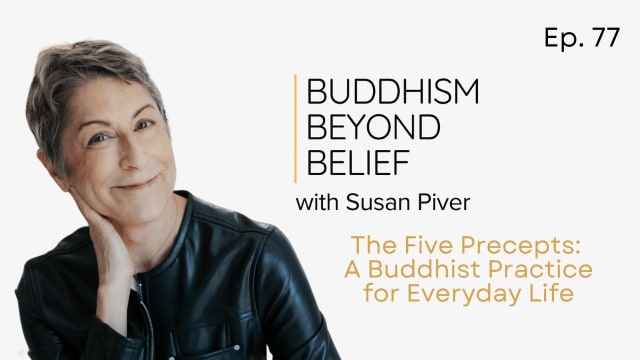
In a 44-second clip drawn from her Buddhism Beyond Belief podcast, teacher Susan Piver makes a claim that cuts against much of modern wellness culture: an insistence on always thinking positively can work as an intoxicant, a way of getting high on optimism so we don't have to feel what hurts. She isn't telling anyone to abandon hope. She is asking people to notice what they reach for when pain arrives, and to leave room for dark thoughts, sadness, grief, and anger rather than routing around them.

読む · 2セクション

Why would positive thinking count as an intoxicant?

Piver frames the question as one of attention: "Pay attention to what are you doing to try to get high." The phrase "get high" is deliberate. In her framing, intoxicants aren't limited to alcohol or drugs. They include any strategy that lifts us out of direct contact with discomfort. Her video description lists doom scrolling alongside the insistence on positivity, placing both in the same family of compulsive escape.

The "positivity police" line is the sharpest moment in the clip. Piver is naming a social pressure: the sense that feeling low is a failure to be corrected rather than a human state to be met. Against that pressure she says, plainly, that there is "room for thinking dark thoughts," "room for feeling sad," and "room for grief and certainly anger." Making space for those feelings is not a rejection of a spiritual path. It is closer to the ground the path stands on.

She also acknowledges why the habit takes hold. "Sometimes it can feel that the only way around these very painful feelings is through intoxicants of material or abstract forms," she says. That honesty matters. The clip doesn't scold anyone for reaching for a crutch. It asks that we first see the crutch clearly.

Read as a practice, the implication is small and concrete. When you feel the pull to brighten a painful moment, pause and ask what you are avoiding. Sometimes the answer is grief, sometimes anger, sometimes just sadness that nobody around you seems to have time for. In each case the feeling is often more bearable when it is allowed to be present than when it is quietly covered over.

Where to go from here

This clip is a fragment. The full Buddhism Beyond Belief episode it comes from, according to the video description, takes up the Five Precepts and their importance on the spiritual path. For context beyond the clip: the traditional Five Precepts include a precept against intoxicants that cloud the mind, which helps explain why Piver extends that idea to habits that look like virtue, such as relentless positivity. Watch the full episode on Susan Piver's channel to hear how she develops that thread.

If you want to test the idea in your own life this week, try one exercise: the next time you catch yourself reframing a hard feeling into something upbeat, name the feeling first, without fixing it, and see what changes.
Comments

Loading the conversation…

Transcript

[0:00] Pay attention to what are you doing to

[0:02] try to get high.

[0:05] Overly positive thinking is an

[0:08] intoxicant

[0:10] and something to be considered in any

[0:13] case. Positivity police lay down your

[0:17] weapons. There's room for thinking

[0:19] [clears throat] dark thoughts. There's

[0:21] room for feeling sad. There's room for

[0:26] grief and certainly anger. Sometimes it

[0:30] can feel that the only way around these

[0:33] very painful feelings is through

[0:35] intoxicants of material or abstract

[0:39] forms. So just to pay attention to these

[0:42] things is

Susan
ArtistSusan

Susan Piver is a Buddhist teacher, New York Times bestselling author, and founder of the Open Heart Project, a dharma community of nearly 20,000 members living an awakened life.

プロフィールを見るウェブサイト
トピックを見る
Positive-thinkingEmotional-avoidanceBuddhist-practiceFive-preceptsIntoxicants

ご質問はありますか?

よくある質問

Piver means that insisting on constant positivity can act like a drug, lifting us out of painful feelings instead of meeting them. She says the habit is worth examining in any case because it can serve as a way to get high and avoid discomfort. The clip frames this as a form of escape, not as a problem with hope itself.
In this clip, Piver says there is room for dark thoughts, sadness, grief, and anger, and that positivity should not be policed. She treats these feelings as part of a human life to be acknowledged rather than suppressed. Her full podcast episode on the Five Precepts goes further into the ethical framework behind her view.
According to the video description, intoxication can include doom scrolling and the insistence on always thinking positively. Piver's broader point is that any habit used to escape painful feelings can function as an intoxicant, whether material or abstract.

読みつづける

More from Susan

すべて表示
The Five Buddhist Precepts as Daily Practice, Not Vows
Inspire

The Five Buddhist Precepts as Daily Practice, Not Vows

Susan Piver revisits the Five Precepts as daily commitments to attention rather than rules. She explores killing, stealing, lying, sexual co…

8 min read
The Five Buddha Families: Reading Anger, Pride, and Longing
Inspire

The Five Buddha Families: Reading Anger, Pride, and Longing

Susan Piver maps the Vajrayana Five Buddha Families as a tool for seeing our own patterns and others' with more compassion. Here is how each…

9 min read
Self-Honesty and Self-Compassion: The Two Wings of Awakening
Inspire

Self-Honesty and Self-Compassion: The Two Wings of Awakening

Tara Brach's talk on the second arrow shows how self-judgment turns ordinary pain into a trance. Here is how seeing honestly and holding ten…

8 min read
Cacao Prayer: The Chant That Travels From Circle to Circle
Inspire

Cacao Prayer: The Chant That Travels From Circle to Circle

A close listen to Cacao Prayer, the chant that has moved from circle to circle with Bruna Bortolato and Mose. Here is how its few lines repe…

5 min read

探索を続ける

旅をつづける

BrightStarのディレクトリから、さらなる智慧と集いを。

もっと記事を読む

教え、インタビュー、ガイドのライブラリ全体をご覧ください。

すべての記事に戻る →

講師とアーティスト

コンシャスな世界の系譜、音楽家、導き手を探しましょう。

アーティストを探す →

イベントを見つける

キルタン、リトリート、サウンドバス、ブレスワーク、フェスティバル — まもなく開かれます。

イベントを見る →