BrightStar

すべてのEventsを見る

意識ある集いに出会う

events

Yoga
Meditation
Breathwork
Qigong
Tai Chi
Sacred Music
World Music
Medicine Music
Sound Healing
Ecstatic Dance
人気の目的地
BaliSedonaLos AngelesCosta RicaNew YorkSan FranciscoAustinMiamiJoshua TreeTulum
すべてのカテゴリを見るすべての目的地を見る

すべての機能を探索

イベントを成長させる強力なツール

プラットフォーム機能

スマートダイナミックプライシング
チケットカテゴリ
座席指定
カート放棄リカバリー
訪問者リカバリー
寄付とスライディングスケール
アフィリエイトシステム
チケットスキャナー
クーポンコード
カスタム質問
チケット共有
アップセルとアドオン
分析とレポート
メールシーケンス
ウェイトリスト / 通知 / リマインダー
人と場所
Artists & TeachersEvent OrganizersVenues & StudiosKnowledge BaseGlossaryInspiration
すべての機能を見る私たちについて
料金ブログ
Language
Saved events
すべてのイベントを見る

events

YogaMeditationBreathworkQigongTai ChiSacred MusicWorld MusicMedicine Music

人気の目的地

BaliSedonaLos AngelesCosta RicaNew YorkSan Francisco

人と場所

Artists & TeachersEvent OrganizersVenues & StudiosKnowledge BaseGlossaryInspiration

プラットフォーム機能

スマートダイナミックプライシングチケットカテゴリ座席指定カート放棄リカバリー訪問者リカバリー寄付とスライディングスケールアフィリエイトシステムチケットスキャナークーポンコードカスタム質問チケット共有アップセルとアドオン分析とレポートメールシーケンスウェイトリスト / 通知 / リマインダー
すべての機能を見る私たちについて
料金ブログ
ログイン探求者クリエイター
  • すべてのイベントを見る
  • 探求者向け
  • ヨガ
  • 瞑想
  • ブレスワーク
  • 気功
  • 太極拳
  • 聖なる音楽
  • ワールドミュージック
  • メディスンミュージック
  • サウンドヒーリング
  • エクスタティックダンス
  • リトリート
  • ワークショップ
  • すべてのカテゴリ →
  • Bali
  • Sedona
  • Los Angeles
  • Costa Rica
  • Tulum
  • Byron Bay
  • San Francisco
  • Austin
  • New York
  • San Diego
  • Denver
  • Seattle
  • Portland
  • Miami
  • すべての都市 →
  • Join the Movement
  • Why we list
  • Sell Globally
  • クリエイター向け
  • チーム向け
  • ライター向け
  • 講師向け
  • キルタンアーティスト向け
  • スタジオ向け
  • フェスティバル向け
  • リトリートセンター向け
  • 非営利団体向け
  • ブランドアンバサダー
  • 事例紹介
  • 無料チケット販売
  • Elevate
  • Amplify
  • 50万人以上のバイヤーネットワーク
  • カート放棄リカバリー
  • スマートダイナミックプライシング
  • チケットカテゴリ
  • 定期イベント
  • 座席指定
  • アフィリエイトシステム
  • ウェイトリスト / 通知
  • チケットスキャナー
  • 埋め込みウィジェット
  • イベント配信
  • メッセージセンター
  • インテグレーション
  • レポート
  • すべての機能 →
  • 概要
  • エコシステム
  • ブログ
  • 用語集
  • インスピレーション
  • ヘルプセンター
  • お問い合わせ
  • APIドキュメント
  • ブランドアセット
  • 採用
  • プレス
  • 利用規約
  • プライバシーポリシー

イベント

  • すべてのイベントを見る
  • 探求者向け
  • ヨガ
  • 瞑想
  • ブレスワーク
  • 気功
  • 太極拳
  • 聖なる音楽
  • ワールドミュージック
  • メディスンミュージック
  • サウンドヒーリング
  • エクスタティックダンス
  • リトリート
  • ワークショップ
  • すべてのカテゴリ →

目的地

  • Bali
  • Sedona
  • Los Angeles
  • Costa Rica
  • Tulum
  • Byron Bay
  • San Francisco
  • Austin
  • New York
  • San Diego
  • Denver
  • Seattle
  • Portland
  • Miami
  • すべての都市 →

クリエイター向け

  • Join the Movement
  • Why we list
  • Sell Globally
  • クリエイター向け
  • チーム向け
  • ライター向け
  • 講師向け
  • キルタンアーティスト向け
  • スタジオ向け
  • フェスティバル向け
  • リトリートセンター向け
  • 非営利団体向け
  • ブランドアンバサダー
  • 事例紹介
  • 無料チケット販売
  • Elevate
  • Amplify

機能

  • 50万人以上のバイヤーネットワーク
  • カート放棄リカバリー
  • スマートダイナミックプライシング
  • チケットカテゴリ
  • 定期イベント
  • 座席指定
  • アフィリエイトシステム
  • ウェイトリスト / 通知
  • チケットスキャナー
  • 埋め込みウィジェット
  • イベント配信
  • メッセージセンター
  • インテグレーション
  • レポート
  • すべての機能 →

会社

  • 概要
  • エコシステム
  • ブログ
  • 用語集
  • インスピレーション
  • ヘルプセンター
  • お問い合わせ
  • APIドキュメント
  • ブランドアセット
  • 採用
  • プレス
  • 利用規約
  • プライバシーポリシー
BrightStar
© 2026 BrightStar. 全著作権所有.
Inspiration

Walk Away: Letting Go of What We Cling To

Xavier Rudd
Xavier Rudd
Mar 5, 2018
読了 約5分
視聴 · 7

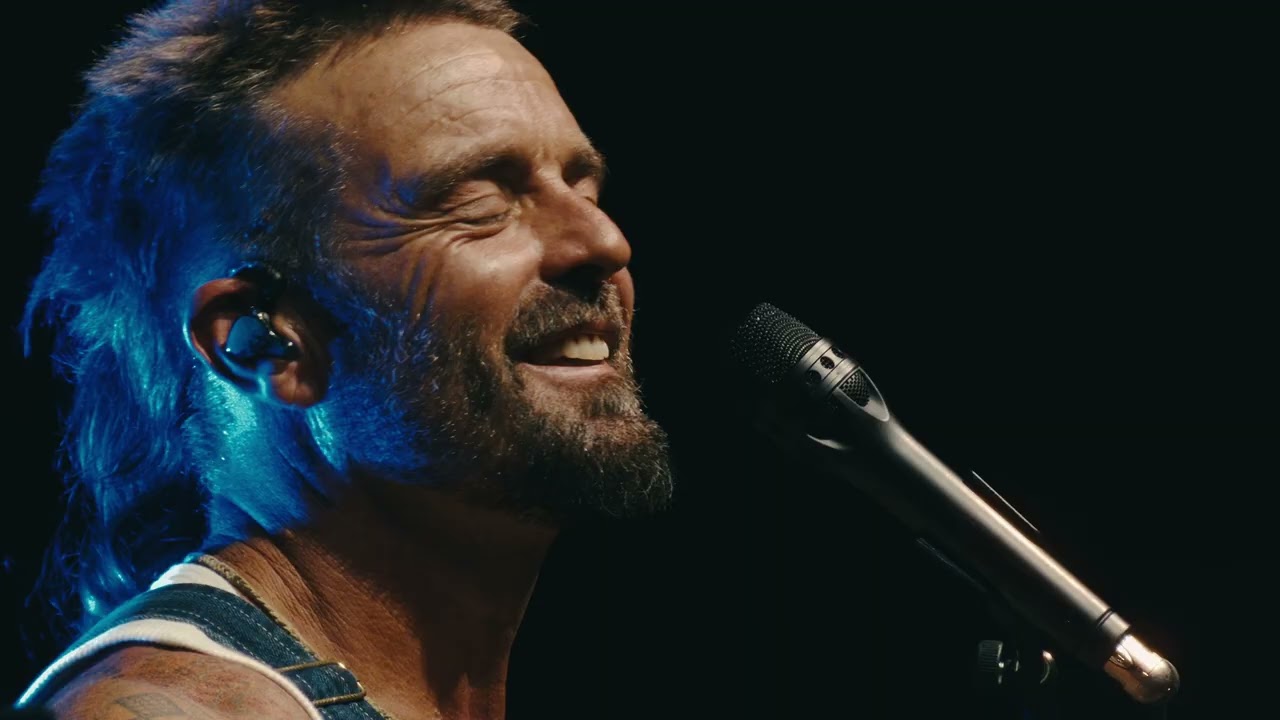
Xavier Rudd's "Walk Away" is a meditation on attachment and release, centered on the observation that people cling to "nothing"—broken dreams, fractured connections, false sense of belonging—while the song asks what becomes possible when we let go. The song contrasts two states: holding onto emptiness and the peculiar freedom of having nowhere to call home, suggesting that walking away from what no longer serves us is not loss but recognition of how far we've come.

読む · 8セクション

What Does It Mean to Hold On to Nothing?

The central image in "Walk Away" is deceptively simple: "I've seen people holding on to nothing / broken dreams and broken cords." Rather than depicting people grasping solid things, Rudd observes them clutching absence itself—the ghost of what once was or what was promised but never delivered. A broken dream is not a thing; it is the weight of expectation that outlives its object. Broken cords suggest severed connections, yet people carry the tension of those severed lines as if they still held weight.

This observation cuts to a psychological truth: we often spend energy maintaining our grip on what no longer exists. The broken cord no longer binds anyone, yet the muscle memory of holding remains. Rudd doesn't judge this impulse—he simply names it as something he has "seen," inviting listeners to recognize themselves in the image without shame. The song operates at the level of witness; it documents a universal human pattern.

The Physical Cost of Clinging: Cracks Upon Our Feet

Rudd extends the metaphor into the body: "I'll empty these and sleep it's true / ever these cracks upon my feet." The cracks suggest wear, the accumulation of standing on unstable ground while holding what cannot be held. To "empty these" implies a deliberate release—the speaker is choosing to set down the burden, suggesting that sleep (rest, cessation, perhaps even death or renewal) becomes possible once the hands are empty.

The phrase "ever these cracks" suggests permanence or habit; the cracks are not new but ongoing, familiar parts of the terrain we walk. Yet Rudd poses this not as a lament but as a condition that can be altered. Emptying what we carry is presented as a deliberate act, one that requires intention but promises rest.

Belonging Without a Place: The Paradox of Home

The song's second major image introduces a paradox: "and I have seen people holding on to something / smiling there's no place to call home." This is not simply homelessness; it is the smile of people holding onto something while lacking any actual ground to stand on. They have attachment but no dwelling. They have something—perhaps a belief, a relationship, an identity—yet that something does not provide the shelter a home should provide.

This resonates with spiritual traditions that distinguish between attachment (holding tight) and belonging (being held). The people Rudd observes have chosen the former. They smile, suggesting not necessarily happiness but a kind of determined contentment or perhaps a mask of acceptance. Rudd does not say they should stop smiling; he records what he sees and implies a question: why hold so firmly to something that cannot house you?

Recognition and the Familiar: What Do We Know When We See It?

"Do I see something so familiar / different so nice to have you home." This shift in the song marks a turn—no longer observing others from a distance but encountering something that touches the speaker directly. The familiar and the different are held in tension; the speaker recognizes something yet it appears strange. "So nice to have you home" could address a person returning, a part of oneself coming back, or even an understanding arriving. The ambiguity is intentional; the song doesn't explain what returns but celebrates the feeling of recognition that comes when something true appears.

How Far We've Come: Distance as Measure

In the final lyric, "just how far we've come," Rudd shifts to measure. The song is not about how far we have to go but the distance already traveled. This reframes the entire reflection: the holding on, the broken dreams, the cracks in our feet—these mark a journey. To see how far we've come is to recognize progress not as arrival at a destination but as movement through terrain. The song suggests that walking away is not failure but part of the arc of having come anywhere at all.

The Role of Music and Silence

Structurally, the song is spare—the lyrics are few, and the music (built on acoustic instrumentation characteristic of Rudd's work) leaves space for the words to settle. This spaciousness mirrors the act of letting go; the song doesn't fill every moment, and in that restraint, it invites listeners into their own silence. The music from the album Storm Boy carries Rudd's signature style: earthy, rooted in folk and world instruments, with a meditative quality that allows each image to breathe.

Walking Away as Spiritual Practice

While the song never explicitly invokes spiritual language, its logic aligns with contemplative traditions that teach non-attachment: the insight that clinging causes suffering, and that release—not as abandonment but as honest recognition—opens possibility. Walking away is not running from but turning toward clarity. The song doesn't prescribe this practice; it simply shows what it looks like when someone has done it and invites others to notice the same pattern in their own lives.

Where to Go From Here

Listen to "Walk Away" not as a command but as an invitation to observe yourself. What are you holding that no longer holds you? Where are you smiling without a home to return to? Rudd's gift is the clarity of witness—he names the pattern without prescribing the solution, trusting listeners to recognize themselves and, in that recognition, to find their own way to release. The song is a mirror, and what you see in it is yours to walk away from.
Comments

Loading the conversation…

Transcript

[0:04] [Music]

[0:13] [Applause]

[0:15] I've seen people holding on to nothing

[0:21] [Music]

[0:24] broken dreams and broken cords

[0:31] [Music]

[0:33] I'll empty these and sleep it's true

[0:40] ever these cracks upon my feet

[0:44] [Music]

[0:51] you know

[0:55] welcome

[1:10] and I have seen people holding on to

[1:15] something

[1:16] [Music]

[1:20] smiling there's no place to call home

[1:24] [Music]

[1:28] do I see something so familiar

[1:32] [Music]

[1:36] different so nice to have you home

[1:39] [Music]

[1:47] just how far we've come

[1:51] [Music]

[1:58] [Music]

[2:08] [Music]

[2:17] [Music]

[2:24] [Music]

[2:52] [Music]

[3:01] [Music]

[3:10] [Music]

[3:43] [Music]

[3:45] I've seen people holding on to something

Xavier Rudd
ArtistXavier Rudd

Australian musician and yoga teacher who weaves folk, blues, and world music with spiritual themes, championing environmental consciousness and connection to nature through soulful…

プロフィールを見るウェブサイト
トピックを見る
Attachment-releaseLetting-goHome-belongingBroken-dreamsSpiritual-music

ご質問はありますか?

よくある質問

'Walk Away' explores the human tendency to cling to broken dreams, severed connections, and empty attachments that no longer serve us. Through observations of people holding onto 'nothing' and smiling without a place to call home, the song examines what becomes possible when we release our grip and recognize how far we've already come.
The song doesn't explain the why but documents the fact: we carry the weight of what no longer exists—broken cords, failed promises, phantom connections. Rudd presents this as a universal human pattern, noting that even empty attachments can cost us physically (the cracks upon our feet).
The song highlights a paradox: people can hold strongly onto something (an identity, belief, or relationship) while lacking any actual ground or home. This suggests that attachment and belonging are not the same; true home is not found by clinging but by releasing.
By measuring distance traveled rather than distance remaining, the song reframes walking away as part of a journey already undertaken, not as failure or loss. The cracks and burdens mark progress, and release is the next natural step.
No. The song is about releasing what no longer holds meaning or connection—broken dreams and false attachments. It's about honest recognition rather than escape, inviting listeners to observe what they're carrying and whether it's still worth the weight.

読みつづける

More from Xavier

すべて表示
Music as Spirit Medicine: Touching Souls Through Sound
Inspire

Music as Spirit Medicine: Touching Souls Through Sound

Xavier Rudd explores how music serves as a bridge to the spirit world, allowing us to access realms beyond words and touch the souls of othe…

1 min read
Let Me Be: Finding Freedom in Acts of Humanity
Inspire

Let Me Be: Finding Freedom in Acts of Humanity

Xavier Rudd performs "Let Me Be," a song written after 9/11 to counter fear with joy, accompanied by 8000 Belgian fans in this live Forest N…

1 min read
The Longing Behind the Glass: Why We Reach for Relief
Inspire

The Longing Behind the Glass: Why We Reach for Relief

Alcohol and other substances offer a fleeting escape—but what people are really seeking is freedom from themselves, a spiritual longing misp…

1 min read
Nice vs. Loving Kindness: Why Being Kind Starts Inside
Inspire

Nice vs. Loving Kindness: Why Being Kind Starts Inside

Most people who resolve to be kinder find the resolve slipping within days. Eckhart Tolle's short talk on loving kindness argues the fault i…

1 min read

探索を続ける

旅をつづける

BrightStarのディレクトリから、さらなる智慧と集いを。

もっと記事を読む

教え、インタビュー、ガイドのライブラリ全体をご覧ください。

すべての記事に戻る →

講師とアーティスト

コンシャスな世界の系譜、音楽家、導き手を探しましょう。

アーティストを探す →

イベントを見つける

キルタン、リトリート、サウンドバス、ブレスワーク、フェスティバル — まもなく開かれます。

イベントを見る →
