BrightStar

すべてのEventsを見る

意識ある集いに出会う

events

Yoga
Meditation
Breathwork
Qigong
Tai Chi
Sacred Music
World Music
Medicine Music
Sound Healing
Ecstatic Dance
人気の目的地
BaliSedonaLos AngelesCosta RicaNew YorkSan FranciscoAustinMiamiJoshua TreeTulum
すべてのカテゴリを見るすべての目的地を見る

すべての機能を探索

イベントを成長させる強力なツール

プラットフォーム機能

スマートダイナミックプライシング
チケットカテゴリ
座席指定
カート放棄リカバリー
訪問者リカバリー
寄付とスライディングスケール
アフィリエイトシステム
チケットスキャナー
クーポンコード
カスタム質問
チケット共有
アップセルとアドオン
分析とレポート
メールシーケンス
ウェイトリスト / 通知 / リマインダー
人と場所
Artists & TeachersEvent OrganizersVenues & StudiosKnowledge BaseGlossaryInspiration
すべての機能を見る私たちについて
料金ブログ
Language
Saved events
すべてのイベントを見る

events

YogaMeditationBreathworkQigongTai ChiSacred MusicWorld MusicMedicine Music

人気の目的地

BaliSedonaLos AngelesCosta RicaNew YorkSan Francisco

人と場所

Artists & TeachersEvent OrganizersVenues & StudiosKnowledge BaseGlossaryInspiration

プラットフォーム機能

スマートダイナミックプライシングチケットカテゴリ座席指定カート放棄リカバリー訪問者リカバリー寄付とスライディングスケールアフィリエイトシステムチケットスキャナークーポンコードカスタム質問チケット共有アップセルとアドオン分析とレポートメールシーケンスウェイトリスト / 通知 / リマインダー
すべての機能を見る私たちについて
料金ブログ
ログイン探求者クリエイター
  • すべてのイベントを見る
  • 探求者向け
  • ヨガ
  • 瞑想
  • ブレスワーク
  • 気功
  • 太極拳
  • 聖なる音楽
  • ワールドミュージック
  • メディスンミュージック
  • サウンドヒーリング
  • エクスタティックダンス
  • リトリート
  • ワークショップ
  • すべてのカテゴリ →
  • Bali
  • Sedona
  • Los Angeles
  • Costa Rica
  • Tulum
  • Byron Bay
  • San Francisco
  • Austin
  • New York
  • San Diego
  • Denver
  • Seattle
  • Portland
  • Miami
  • すべての都市 →
  • Join the Movement
  • Sell Globally
  • クリエイター向け
  • チーム向け
  • ライター向け
  • 講師向け
  • キルタンアーティスト向け
  • スタジオ向け
  • フェスティバル向け
  • リトリートセンター向け
  • 非営利団体向け
  • ブランドアンバサダー
  • 事例紹介
  • 無料チケット販売
  • Elevate
  • Amplify
  • 35万人以上のバイヤーネットワーク
  • カート放棄リカバリー
  • スマートダイナミックプライシング
  • チケットカテゴリ
  • 定期イベント
  • 座席指定
  • アフィリエイトシステム
  • ウェイトリスト / 通知
  • チケットスキャナー
  • 埋め込みウィジェット
  • イベント配信
  • メッセージセンター
  • インテグレーション
  • レポート
  • すべての機能 →
  • 概要
  • エコシステム
  • ブログ
  • 用語集
  • インスピレーション
  • ヘルプセンター
  • お問い合わせ
  • APIドキュメント
  • ブランドアセット
  • 採用
  • プレス
  • 利用規約
  • プライバシーポリシー

イベント

  • すべてのイベントを見る
  • 探求者向け
  • ヨガ
  • 瞑想
  • ブレスワーク
  • 気功
  • 太極拳
  • 聖なる音楽
  • ワールドミュージック
  • メディスンミュージック
  • サウンドヒーリング
  • エクスタティックダンス
  • リトリート
  • ワークショップ
  • すべてのカテゴリ →

目的地

  • Bali
  • Sedona
  • Los Angeles
  • Costa Rica
  • Tulum
  • Byron Bay
  • San Francisco
  • Austin
  • New York
  • San Diego
  • Denver
  • Seattle
  • Portland
  • Miami
  • すべての都市 →

クリエイター向け

  • Join the Movement
  • Sell Globally
  • クリエイター向け
  • チーム向け
  • ライター向け
  • 講師向け
  • キルタンアーティスト向け
  • スタジオ向け
  • フェスティバル向け
  • リトリートセンター向け
  • 非営利団体向け
  • ブランドアンバサダー
  • 事例紹介
  • 無料チケット販売
  • Elevate
  • Amplify

機能

  • 35万人以上のバイヤーネットワーク
  • カート放棄リカバリー
  • スマートダイナミックプライシング
  • チケットカテゴリ
  • 定期イベント
  • 座席指定
  • アフィリエイトシステム
  • ウェイトリスト / 通知
  • チケットスキャナー
  • 埋め込みウィジェット
  • イベント配信
  • メッセージセンター
  • インテグレーション
  • レポート
  • すべての機能 →

会社

  • 概要
  • エコシステム
  • ブログ
  • 用語集
  • インスピレーション
  • ヘルプセンター
  • お問い合わせ
  • APIドキュメント
  • ブランドアセット
  • 採用
  • プレス
  • 利用規約
  • プライバシーポリシー
BrightStar
© 2026 BrightStar. 全著作権所有.
Inspiration

Unity and Healing ThroughSacred Connection: Come People

Xavier Rudd
Xavier Rudd
Feb 14, 2015
読了 約7分
視聴 · 7

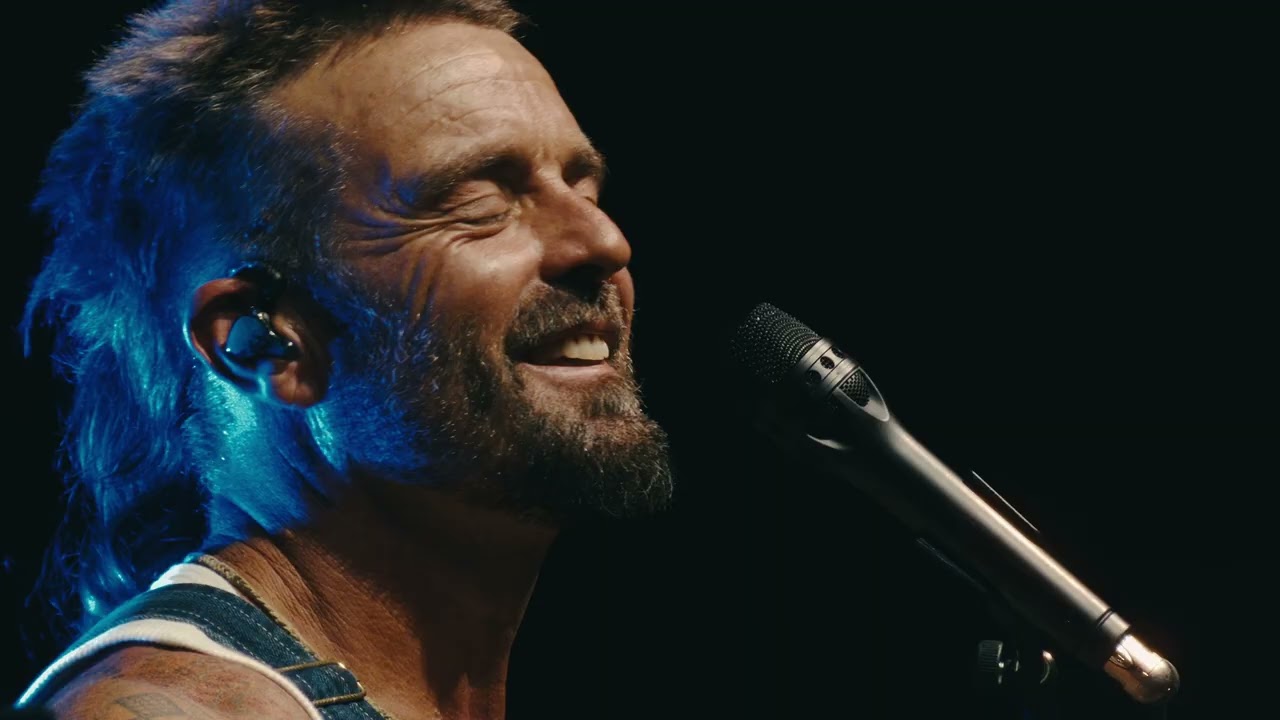
Xavier Rudd's "Come People" is a spiritual music and visual work that frames planetary healing and human unity as a matter of remembering our sacred interconnectedness. The song weaves together imagery of ancestral wisdom, environmental stewardship, and collective responsibility, asking why humanity remains divided when we are fundamentally one. Through repetitive mantras ("And I believe we are one. We are sacred"), the work positions healing as both an internal recognition and an external practice of extending care to the neglected and suffering.

読む · 8セクション

What Is the Core Message of "Come People"?

At its heart, "Come People" operates as a call to collective awakening rooted in the recognition of shared sacredness. The refrain "Come people, come now people" is not simply an invitation; it is an urgency—a summons to awareness that humanity has drifted from an understanding of its fundamental unity. Rudd frames this drift not as a recent phenomenon but as a historical pattern: "The suffering beneath your feet has been neglected through the ages" (0:52–0:57). This suggests that modern division and indifference are extensions of ancient patterns of forgetting, not new problems requiring entirely new solutions.

The song's architecture moves between two complementary modes: diagnosis and prescription. In the diagnostic passages, Rudd names the problem explicitly: "Why are we so divided?" (0:204, 0:218). This rhetorical question is not asked in despair but in genuine interrogation—an invitation for the listener to examine the contradiction between our stated values and our lived reality. We speak of connection yet practice separation. We claim to care yet neglect those around us. The video's visual language reinforces this tension by interspersing intimate, tender moments (holding children, gentle hands, dancers moving together) with stark images of isolation and need.

How Does the Song Approach the Concept of Sacredness?

Rather than treating sacredness as an abstract philosophical concept, Rudd grounds it in embodied experience and relationships. The repeated affirmation "And I believe we are one. We are sacred" (beginning at 1:36) functions as both declaration and invocation. By saying it repeatedly, the song does not merely state the belief—it attempts to embed it into the listener's consciousness through sonic and rhythmic repetition. This is consistent with mantra-based spiritual practices, where repetition is understood to shift awareness through frequency and rhythm rather than intellectual argument alone.

Crucially, sacredness in this work is not reserved for the elevated or exceptional. It belongs to "the little girl," to those who suffer, to the grandmother archetype invoked throughout the song. The line "I held that little girl. I'm in my dreaming" (0:60–0:64) suggests an act of tenderness that simultaneously occurs in waking life and in visionary space—a reminder that care and presence are themselves sacred acts. Sacredness, in Rudd's framing, is not something to aspire toward; it is something to recognize as already present in the overlooked and the vulnerable.

What Role Does Ancestral Wisdom Play in the Work?

The repeated invocation of "Grandmother" serves multiple functions. On one level, it is a direct address to Indigenous and traditional wisdom keepers whose knowledge systems have long emphasized interconnection and reciprocity with the land. The lines "Grandmother, pull us out. Grandma, can you tell me how we have been so mistaken?" (0:99–0:102, 0:225–0:235) position ancestral wisdom not as historical artifact but as active guidance needed in the present moment. The grandmother figure is asked not to explain what went wrong in abstract terms but to help restore what has been lost or forgotten.

This invocation also reflects a common practice in contemporary spiritual music and Indigenous-informed spirituality: the turning toward elder knowledge as antidote to modern fragmentation. The grandmother archetype represents intergenerational memory, the body of experience that has weathered cycles of harm and healing. By calling on this figure, the song acknowledges that individual or even contemporary collective efforts alone may be insufficient—we need connection to older understanding.

The video reinforces this through its visual choices: footage of elder faces, hands, and the natural world appear throughout, creating a visual language that says "the answers are not new; they are old and they are still here."

How Does the Song Address Environmental and Planetary Consciousness?

Environmental awareness threads through "Come People" in phrases like "the planetary land and the energetic push and pull we share" (0:44–0:48). This is not environmental advocacy in the conventional sense; rather, it frames the Earth as a living system with which humanity exists in constant energetic exchange. The image of "gentle rain" and "the earth she breaks" (0:89–0:92) suggests both natural cycles and the possibility of rupture or breaking—a gentle reminder that the planet's hospitality is not infinite.

The work's insistence on unity becomes, in this context, also an ecological statement. If we are one interconnected system, then harm to the Earth is harm to ourselves, and neglect of the suffering "beneath our feet" is a form of self-abandonment. The call to "extend a hand to the tired and the weak" (0:199, 0:213) extends beyond human community to the more-than-human world as well—all that is exhausted and depleted through human indifference.

What Does the Repeated Mantra "We Are Sacred" Accomplish?

The insistence on sacredness is not decorative or merely poetic. In spiritual and psychological frameworks, repetitive affirmations can function as tools for rewiring consciousness—particularly when delivered through music, which has direct access to non-rational, embodied knowing. By hearing "And I believe we are one. We are sacred" multiple times across the song's duration, the listener's nervous system may begin to register this as truth at a level deeper than intellectual agreement.

The phrase "I will hold you close" (0:158, 0:160, 0:186–0:192) follows many iterations of the sacred unity affirmation, suggesting that the recognition of shared sacredness naturally expresses itself in acts of tenderness and protection. Sacredness is not a passive state but one that compels relationship and care. The body holds what the mind might argue about.

How Does the Video's Visual Language Support the Spiritual Message?

Directed by Sinem Saban with Xavier Rudd as co-director, the visual landscape combines intimate human moments with broader scenes of gathering, movement, and natural beauty. Dancers move together in ensemble formations, reinforcing the theme of collective movement and shared rhythm. Close-ups of hands, faces, and moments of contact (holding, touching) make the abstract concept of "we are one" sensory and immediate.

The use of what the credits call "sacred footage"—imagery shot by Mark Jones and Evan Malcolm—suggests that the video is drawing on archival or documentary material, lending authenticity and weight to its spiritual vision. This is not a manufactured fantasy of unity but something grounded in observed human connection and presence.

What Is the Significance of the Closing "Heat" Sequence?

The final portion of the song strips back to repeated utterances of "heat" (beginning around 3:35), accompanied by sustained musical tones and silence. This move from language to near-wordlessness suggests a shift from conceptual knowing to direct experience. Heat, in spiritual and embodied contexts, often represents life force, energy, presence, and passion. By reducing the lyrics to this single word—repeated almost like a heartbeat—Rudd leaves the listener in a space where the mantra has done its work and further explanation would be redundant.

The heat also echoes the physical experience of gathering, movement, and community—the warmth generated when people come together. It is an invitation to feel rather than further understand.

Where to Go from Here

If "Come People" speaks to you, consider exploring other works in Xavier Rudd's catalog that engage Indigenous wisdom, environmental consciousness, and collective healing—particularly his album "Nanna," from which this track was drawn. The song's approach to mantra and repetition also connects to broader traditions of sacred music across cultures: look into kirtan practices, Indigenous chants, and contemporary artists working at the intersection of music and healing.

On a practical level, the song's message invites reflection on where you may have internalized division, and what it would mean to practice "holding close" those whom systems have taught you to overlook. Community gathering, witnessing, and gentle action on behalf of the neglected and suffering are ways to embody what the song articulates: that unity and sacredness are not beliefs to adopt but practices to return to.
Comments

Loading the conversation…

Transcript

[0:03] [Music]

[0:10] Come people come now people.

[0:15] Come people come now people.

[0:20] Come people come now people.

[0:25] Come people come now people.

[0:30] Round and round we go again. Spirit

[0:33] quest for enlightenment.

[0:35] The rise and fall of things revealed of

[0:38] sacredness and woundedness to heal. Time

[0:41] to time she chimes in phrases from the

[0:44] internet of planetary land and the

[0:48] energetic push and pull we share. Who

[0:52] will lie and who will see? The suffering

[0:55] beneath your feet has been neglected

[0:57] through the ages.

[1:00] I held that little girl. I'm in my

[1:04] dreaming.

[1:06] I r my ass

[1:08] and I wish they set you free. Come

[1:11] people come now people.

[1:15] Come people come now people.

[1:18] [Music]

[1:20] Come people come now people from fire

[1:24] people. Come people come now people

[1:28] [Music]

[1:29] feel the touch of a gentle rain and we

[1:32] roll together when the earth she breaks.

[1:34] So we sort of

[1:37] [Music]

[1:39] grandmother pull us out. Grandma think

[1:42] can you tell me I'm being so mistaken

[1:48] and I am that little girl. She was a

[1:51] message to my dreaming.

[1:54] I'm in my hands now. I'm grace to set

[1:58] you free. Come people come now people.

[2:03] Come people come now people.

[2:08] Come people, come now people, come

[2:10] spirit through this people. Come people,

[2:14] come now people.

[2:16] And I believe we are one. We are sacred.

[2:23] And I believe we are one and we are

[2:28] sacred.

[2:31] And I believe we are one and we are

[2:35] sacred.

[2:38] I will hold you close.

[2:40] I will hold you close.

[2:46] I believe we are one. We are sacred.

[2:53] I believe we are one. We are sacred.

[2:59] I believe we are one. We are sacred.

[3:06] I'll hold you close. I will hold you

[3:12] close.

[3:15] We pray to creator for the path we seek.

[3:19] Extend a hand to the tired and the weak.

[3:24] Why are we so divided?

[3:30] We pray to creator for the path we seek.

[3:33] Extend a hand to the tired and the weak.

[3:38] So why are we so divided?

[3:43] [Music]

[3:45] Grandmother pull us out. Grandmother,

[3:50] can you tell me how we have been so

[3:55] mistaken?

[3:58] And I believe we are one. We are sacred.

[4:04] [Music]

[4:06] And I believe we are one. We are sacred.

[4:13] And I believe we are one. We are sacred.

[4:19] And I hold you close. And I will hold

[4:24] you close.

[4:30] Heat. Heat.

[4:31] [Music]

[4:51] Heat.

[4:52] [Music]

[5:03] Heat.

[5:06] [Music]

[5:12] Oh,

[5:27] [Music]

[5:35] heat.

Xavier Rudd
ArtistXavier Rudd

Australian musician and yoga teacher who weaves folk, blues, and world music with spiritual themes, championing environmental consciousness and connection to nature through soulful…

プロフィールを見るウェブサイト
トピックを見る
Sacred-unityCollective-healingIndigenous-wisdomPlanetary-consciousnessSpiritual-music

ご質問はありますか?

よくある質問

In 'Come People,' the belief that 'we are one' refers to the recognition of fundamental interconnectedness across humanity and nature. It is not merely a philosophical position but an invocation—a call to remember and embody the truth that separation is an illusion sustained by neglect and division. The repeated affirmation is meant to shift awareness from conceptual understanding to lived experience.
The grandmother archetype represents ancestral wisdom and intergenerational memory, particularly as held in Indigenous and traditional knowledge systems. By invoking her, the song acknowledges that healing and unity require connection to older understanding beyond modern frameworks, and asks for guidance in remembering what humanity has 'mistaken' or forgotten.
The song frames the Earth as a living system with which humanity is in constant energetic exchange. Environmental neglect is presented as a consequence of forgetting our fundamental unity with all life. The call to extend care to 'the tired and the weak' extends to the planet itself, positioning ecological responsibility as inseparable from spiritual awakening.
Repetition functions as a mantra-based practice, designed to shift consciousness through rhythm and frequency rather than intellectual argument alone. By hearing affirmations like 'we are one, we are sacred' multiple times, the listener's nervous system and embodied knowing may register the truth at a deeper level than words alone could convey.
The closing shift to repeated utterances of 'heat' represents a transition from conceptual language to direct, embodied experience. Heat symbolizes life force, energy, and the warmth generated through gathering and collective presence. It invites the listener to feel rather than further intellectually understand.
This phrase acknowledges that current division and indifference are not new problems but extensions of historical patterns of neglect. By framing suffering as long-ignored, the song suggests that modern healing requires reckoning with how we have collectively chosen to overlook the vulnerable—human and more-than-human—across time.

読みつづける

More from Xavier

すべて表示
Music as Spirit Medicine: Touching Souls Through Sound
Inspire

Music as Spirit Medicine: Touching Souls Through Sound

Xavier Rudd explores how music serves as a bridge to the spirit world, allowing us to access realms beyond words and touch the souls of othe…

1 min read
Let Me Be: Finding Freedom in Acts of Humanity
Inspire

Let Me Be: Finding Freedom in Acts of Humanity

Xavier Rudd performs "Let Me Be," a song written after 9/11 to counter fear with joy, accompanied by 8000 Belgian fans in this live Forest N…

1 min read
Minimal Vocalization as Spiritual Practice: Power in Simplicity
Inspire

Minimal Vocalization as Spiritual Practice: Power in Simplicity

A brief live vocal interlude demonstrates how devotional sound—stripped to its essence—can invoke presence and transformation through pure r…

1 min read
Har Har Har Har Gobinday: Sacred Mantra in Song
Inspire

Har Har Har Har Gobinday: Sacred Mantra in Song

Snatam Kaur's rendition of "Har Har Har Har Gobinday" brings one of Sikhism's most potent mantras into devotional music. A gateway to healin…

1 min read

探索を続ける

旅をつづける

BrightStarのディレクトリから、さらなる智慧と集いを。

もっと記事を読む

教え、インタビュー、ガイドのライブラリ全体をご覧ください。

すべての記事に戻る →

講師とアーティスト

コンシャスな世界の系譜、音楽家、導き手を探しましょう。

アーティストを探す →

イベントを見つける

キルタン、リトリート、サウンドバス、ブレスワーク、フェスティバル — まもなく開かれます。

イベントを見る →