BrightStar

すべてのEventsを見る

意識ある集いに出会う

events

Yoga
Meditation
Breathwork
Qigong
Tai Chi
Sacred Music
World Music
Medicine Music
Sound Healing
Ecstatic Dance
人気の目的地
BaliSedonaLos AngelesCosta RicaNew YorkSan FranciscoAustinMiamiJoshua TreeTulum
すべてのカテゴリを見るすべての目的地を見る

すべての機能を探索

イベントを成長させる強力なツール

プラットフォーム機能

スマートダイナミックプライシング
チケットカテゴリ
座席指定
カート放棄リカバリー
訪問者リカバリー
寄付とスライディングスケール
アフィリエイトシステム
チケットスキャナー
クーポンコード
カスタム質問
チケット共有
アップセルとアドオン
分析とレポート
メールシーケンス
ウェイトリスト / 通知 / リマインダー
人と場所
Artists & TeachersEvent OrganizersVenues & StudiosKnowledge BaseGlossaryInspiration
すべての機能を見る私たちについて
料金ブログ
Language
Saved events
すべてのイベントを見る

events

YogaMeditationBreathworkQigongTai ChiSacred MusicWorld MusicMedicine Music

人気の目的地

BaliSedonaLos AngelesCosta RicaNew YorkSan Francisco

人と場所

Artists & TeachersEvent OrganizersVenues & StudiosKnowledge BaseGlossaryInspiration

プラットフォーム機能

スマートダイナミックプライシングチケットカテゴリ座席指定カート放棄リカバリー訪問者リカバリー寄付とスライディングスケールアフィリエイトシステムチケットスキャナークーポンコードカスタム質問チケット共有アップセルとアドオン分析とレポートメールシーケンスウェイトリスト / 通知 / リマインダー
すべての機能を見る私たちについて
料金ブログ
ログイン探求者クリエイター
  • すべてのイベントを見る
  • 探求者向け
  • ヨガ
  • 瞑想
  • ブレスワーク
  • 気功
  • 太極拳
  • 聖なる音楽
  • ワールドミュージック
  • メディスンミュージック
  • サウンドヒーリング
  • エクスタティックダンス
  • リトリート
  • ワークショップ
  • すべてのカテゴリ →
  • Bali
  • Sedona
  • Los Angeles
  • Costa Rica
  • Tulum
  • Byron Bay
  • San Francisco
  • Austin
  • New York
  • San Diego
  • Denver
  • Seattle
  • Portland
  • Miami
  • すべての都市 →
  • Be Found
  • Sell Globally
  • クリエイター向け
  • チーム向け
  • ライター向け
  • 講師向け
  • キルタンアーティスト向け
  • スタジオ向け
  • フェスティバル向け
  • リトリートセンター向け
  • 非営利団体向け
  • ブランドアンバサダー
  • 事例紹介
  • 無料チケット販売
  • Elevate
  • Amplify
  • 35万人以上のバイヤーネットワーク
  • カート放棄リカバリー
  • スマートダイナミックプライシング
  • チケットカテゴリ
  • 定期イベント
  • 座席指定
  • アフィリエイトシステム
  • ウェイトリスト / 通知
  • チケットスキャナー
  • 埋め込みウィジェット
  • イベント配信
  • メッセージセンター
  • インテグレーション
  • レポート
  • すべての機能 →
  • 概要
  • エコシステム
  • ブログ
  • 用語集
  • インスピレーション
  • ヘルプセンター
  • お問い合わせ
  • APIドキュメント
  • ブランドアセット
  • 採用
  • プレス
  • 利用規約
  • プライバシーポリシー

イベント

  • すべてのイベントを見る
  • 探求者向け
  • ヨガ
  • 瞑想
  • ブレスワーク
  • 気功
  • 太極拳
  • 聖なる音楽
  • ワールドミュージック
  • メディスンミュージック
  • サウンドヒーリング
  • エクスタティックダンス
  • リトリート
  • ワークショップ
  • すべてのカテゴリ →

目的地

  • Bali
  • Sedona
  • Los Angeles
  • Costa Rica
  • Tulum
  • Byron Bay
  • San Francisco
  • Austin
  • New York
  • San Diego
  • Denver
  • Seattle
  • Portland
  • Miami
  • すべての都市 →

クリエイター向け

  • Be Found
  • Sell Globally
  • クリエイター向け
  • チーム向け
  • ライター向け
  • 講師向け
  • キルタンアーティスト向け
  • スタジオ向け
  • フェスティバル向け
  • リトリートセンター向け
  • 非営利団体向け
  • ブランドアンバサダー
  • 事例紹介
  • 無料チケット販売
  • Elevate
  • Amplify

機能

  • 35万人以上のバイヤーネットワーク
  • カート放棄リカバリー
  • スマートダイナミックプライシング
  • チケットカテゴリ
  • 定期イベント
  • 座席指定
  • アフィリエイトシステム
  • ウェイトリスト / 通知
  • チケットスキャナー
  • 埋め込みウィジェット
  • イベント配信
  • メッセージセンター
  • インテグレーション
  • レポート
  • すべての機能 →

会社

  • 概要
  • エコシステム
  • ブログ
  • 用語集
  • インスピレーション
  • ヘルプセンター
  • お問い合わせ
  • APIドキュメント
  • ブランドアセット
  • 採用
  • プレス
  • 利用規約
  • プライバシーポリシー
BrightStar
© 2026 BrightStar. 全著作権所有.
Inspiration

Understanding FLAG: Love asResistance and Community Shield

Xavier Rudd
Xavier Rudd
Jul 9, 2017
読了 約5分
視聴 · 5

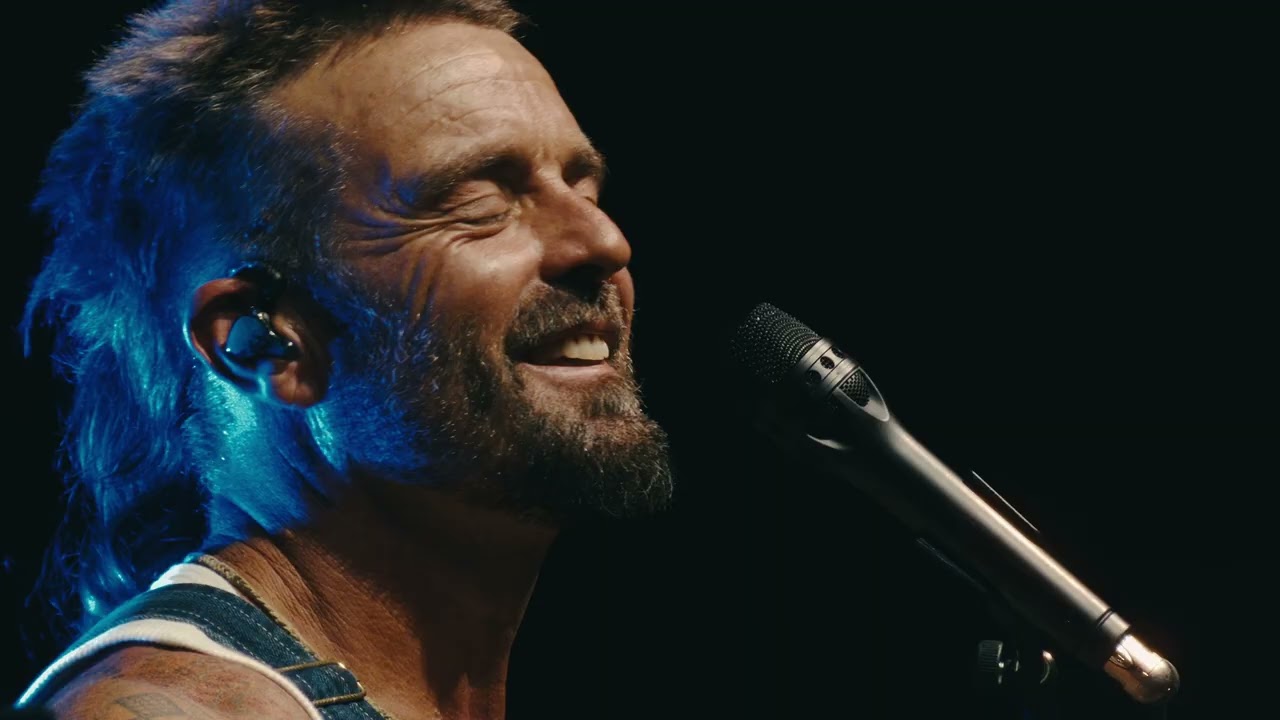
Xavier Rudd's "FLAG" (from the album NANNA, 2015) is a protest song that reimagines resistance through love rather than violence. Performed at Rock Werchter Festival in Belgium in June 2017, the track presents a protagonist shaped by witnessing hatred and violence, who chooses love as his only weapon. The song uses the metaphor of a flag—a collective symbol of protection and solidarity—to frame community action and mutual care as the antidote to domination and oppression. Rather than glorifying armed struggle, Rudd argues that keeping the flag waving, covering each other's backs, and standing together with "the spirit of the land" constitutes the real work of justice and healing.

読む · 6セクション

Who Is This Song About?

At the heart of "FLAG" is a character portrait—a person who "comes with his own designs, his own style, his own awakening." This figure has witnessed tremendous suffering: he has "seen too much hatred," yet chooses not to be hardened by it. Rudd's narrator acknowledges a painful paradox: the protagonist "can forgive but he can never forget" the wounds of violence and oppression. Weapons surround him—they are "always close to hand"—but he deliberately rejects them. Instead, Rudd sings, "the only weapon that he chooses is love."

This is not sentimentality. The song frames love as a conscious, deliberate choice made by someone who understands violence intimately and has chosen a different path. The character embodies what might be called active or militant nonviolence—a stance that comes from clarity about injustice, not from naiveté about it.

What Does the Flag Symbolize in This Song?

The flag operates as a multi-layered metaphor throughout "FLAG." Rudd repeats the refrain: "keep waving that cover your head," "cover your back," and "I keep keep on waving this cover my head, cover my back." The flag is literal protection—something raised above the head to shield, something positioned at the back to defend. But it is also social and spiritual: a shared symbol that binds a community together.

The song moves beyond individual resistance into collective action. "People keep on waving this flame," the chorus emphasizes. The flag is not one person's tool but a communal responsibility. By keeping it raised, the community signals its commitment to each other's safety and dignity. This echoes indigenous and environmental justice frameworks, where protection of land and people are inseparable.

How Does Rudd Connect Land, Spirit, and Justice?

A crucial verse shifts the song's focus to place and ancestry: "with strength and pride, domination of the ancient place, protection of his and land, the healing in the tunnel and his brother right, healing in the tunnel with the spirit of the land." This language invokes what might be called earth-based or indigenous resistance—the idea that justice work is rooted in relationship to specific lands and to the ancestors who have walked them.

"The spirit of the land" is not mystical decoration in Rudd's framework; it is a grounding force that connects individuals to something larger than themselves. Healing happens "in the tunnel"—perhaps a metaphor for dark times, underground resistance, or the deep structures of community—and it happens through connection to brothers, sisters, and the land itself.

For Rudd, who has consistently engaged with First Nations issues and environmental activism, this connection is autobiographical. The song reflects a worldview in which justice cannot be separated from land stewardship and from honoring the sovereignty and spiritual wisdom of indigenous peoples.

What Does It Mean to "Keep Waving" the Flag?

The repetition of "keep keep on waving" and "keep keep on weaving" drives the song's core message: persistence. Justice work is not a single act but an ongoing practice. The flag must be waved continuously. The community must keep its collective commitment visible and active.

The shift from "waving" to "weaving" is significant. Weaving suggests interlacing, binding, creating fabric—the work of building something durable out of individual threads. Community is not inherited; it must be woven, thread by thread, action by action, meeting by meeting.

Near the end of the performance, Rudd shifts the energy: "coming with my owns, feeling strong, feeling able, community is coming alive." This is not abstract idealism. It describes the actual felt experience of people moving together, finding strength in collective action. "Community is coming alive" when people show up, when they wave the flag together, when they cover each other's backs.

How Does This Song Address "Loaded Weapons on the Table"?

One of the most direct lines in "FLAG" confronts the reality of structural violence: "loaded weapons on the table." The song does not deny that violence exists, that oppressive systems are armed, that domination is enforced through force. Instead, it asserts that the appropriate response is not to match weapons with weapons, but to respond with a different kind of power.

This is the radical core of the song: in a world where weapons are "always close to hand," where some have "seen too much hatred," the choice to deploy love as the "only weapon" is presented as the most effective and most human response. Not because violence will not happen—the song's realism precludes that fantasy—but because love and community solidarity are the forces that can actually heal, transform, and sustain movements for justice over time.

Where to Go From Here

If you're drawn to "FLAG," consider exploring Rudd's broader body of work on activism, land, and community. His album NANNA (2015) contains more songs that grapple with social justice and indigenous solidarity. You might also investigate how other musicians working in folk, reggae, and roots traditions have used collective metaphors—flags, shields, circles, fires—to frame community resistance. Reading about nonviolent resistance theory and indigenous sovereignty movements will deepen your understanding of the frameworks Rudd is invoking. Finally, reflect on your own relationship to community action: What would it mean to "keep waving the flag" in your own context?
Comments

Loading the conversation…

Transcript

[0:00] [Applause]

[0:08] come with his own designs his own style

[0:12] his own

[0:13] Awakening told me yes he can forgive but

[0:17] he can never forget it weapons always

[0:21] close to hand for he has seen too much

[0:26] hatred only weapon that he chooses is

[0:28] love Universal call down for

[0:32] [Music]

[0:43] justice keep keep

[0:46] that

[0:48] my my back now I

[0:51] [Music]

[0:52] keeping my cover my

[0:56] back keep waving that cover your head

[1:00] I'm cover your back now I keep keep on

[1:03] waving that cover my head cover my back

[1:07] now know

[1:11] [Music]

[1:13] know res with strength and pride

[1:17] domination of the ancient PL protection

[1:20] of his and land the healing in the

[1:23] tunnel and his brother right heing in

[1:26] the tunnel with the spirit of the land

[1:28] prent said for the

[1:31] day time to stand time to

[1:35] keep

[1:36] my my back I keep keep oning

[1:41] this my cover my back now and people

[1:45] keep oning that flame cover your head

[1:49] cover your back I keep keep on waving

[1:52] this flame cover my head cover my back

[1:56] now people keep

[2:01] [Music]

[2:03] keep keep onav

[2:07] this

[2:10] [Music]

[2:15] [Music]

[2:23] baby how you feeling

[2:26] [Applause]

[2:31] [Music]

[2:32] [Applause]

[2:35] [Music]

[2:52] coming with my owns feeling strong

[2:56] feeling able Community is coming alive

[3:00] loaded weapons on the table I keep keep

[3:04] on waving this cover my cover my back

[3:09] now I keep keep on waving this cover my

[3:14] cover my back now and keeping

[3:18] this your cover your back now I keeping

[3:23] this FL cover my head cover my

[3:27] back people keep on leaving this

[3:32] [Music]

[3:34] got to keep keep on weaving this

[3:37] FL cover my

[3:39] [Music]

[3:51] [Music]

[4:00] w

[4:01] [Applause]

Xavier Rudd
ArtistXavier Rudd

Australian musician and yoga teacher who weaves folk, blues, and world music with spiritual themes, championing environmental consciousness and connection to nature through soulful…

プロフィールを見るウェブサイト
トピックを見る
Love-as-resistanceCommunity-solidarityIndigenous-justiceNonviolenceSocial-activism

ご質問はありますか?

よくある質問

In FLAG, love is presented as a deliberate choice made by someone who has witnessed violence and hatred but refuses to be consumed by it. Rather than a passive sentiment, love functions as an active force of resistance—the 'only weapon' the protagonist chooses despite being surrounded by literal weapons. It represents a commitment to healing and building community instead of perpetuating cycles of violence.
The repetition emphasizes that justice and community protection require ongoing, persistent action—not a single gesture but continuous commitment. The flag is a shared symbol that must be kept visible and active by the entire community. The phrase also shifts from 'waving' to 'weaving,' suggesting the work of binding community together through sustained collective effort.
The flag operates as both literal and metaphorical protection. Literally, it covers your head and your back. Metaphorically, it represents the community's visible commitment to each other's safety and dignity. By 'waving the flag,' people signal solidarity and mutual care, creating a shield of collective strength against domination and violence.
The song invokes 'the spirit of the land' and references 'protection of his and land,' connecting justice work to indigenous sovereignty and land stewardship. For Rudd, healing happens through relationship to specific places and to ancestors, reflecting indigenous frameworks where justice cannot be separated from honoring the land and its original peoples.
This line directly acknowledges that oppressive systems are armed and enforced through force. Rather than denying structural violence, FLAG asserts that the appropriate response is not to match weapons with weapons, but to deploy love and community solidarity as more sustainable and transformative forces for change.
FLAG presents active nonviolent resistance—a deliberate choice made by someone who understands violence intimately and has chosen a different path. The protagonist consciously wields love as his weapon while building community power through collective action, flag-waving, and mutual protection. It's militant in its commitment to justice but nonviolent in its method.

読みつづける

More from Xavier

すべて表示
Music as Spirit Medicine: Touching Souls Through Sound
Inspire

Music as Spirit Medicine: Touching Souls Through Sound

Xavier Rudd explores how music serves as a bridge to the spirit world, allowing us to access realms beyond words and touch the souls of othe…

1 min read
Let Me Be: Finding Freedom in Acts of Humanity
Inspire

Let Me Be: Finding Freedom in Acts of Humanity

Xavier Rudd performs "Let Me Be," a song written after 9/11 to counter fear with joy, accompanied by 8000 Belgian fans in this live Forest N…

1 min read
Physical Defense: Beyond Force and Violence
Inspire

Physical Defense: Beyond Force and Violence

When attacked, compassion and mindfulness offer paths to neutralize harm that violence cannot match. Buddhist practice teaches proactive pro…

1 min read
Minimal Vocalization as Spiritual Practice: Power in Simplicity
Inspire

Minimal Vocalization as Spiritual Practice: Power in Simplicity

A brief live vocal interlude demonstrates how devotional sound—stripped to its essence—can invoke presence and transformation through pure r…

1 min read

探索を続ける

旅をつづける

BrightStarのディレクトリから、さらなる智慧と集いを。

もっと記事を読む

教え、インタビュー、ガイドのライブラリ全体をご覧ください。

すべての記事に戻る →

講師とアーティスト

コンシャスな世界の系譜、音楽家、導き手を探しましょう。

アーティストを探す →

イベントを見つける

キルタン、リトリート、サウンドバス、ブレスワーク、フェスティバル — まもなく開かれます。

イベントを見る →