BrightStar

すべてのEventsを見る

意識ある集いに出会う

events

Yoga
Meditation
Breathwork
Qigong
Tai Chi
Sacred Music
World Music
Medicine Music
Sound Healing
Ecstatic Dance
人気の目的地
BaliSedonaLos AngelesCosta RicaNew YorkSan FranciscoAustinMiamiJoshua TreeTulum
すべてのカテゴリを見るすべての目的地を見る

すべての機能を探索

イベントを成長させる強力なツール

プラットフォーム機能

スマートダイナミックプライシング
チケットカテゴリ
座席指定
カート放棄リカバリー
訪問者リカバリー
寄付とスライディングスケール
アフィリエイトシステム
チケットスキャナー
クーポンコード
カスタム質問
チケット共有
アップセルとアドオン
分析とレポート
メールシーケンス
ウェイトリスト / 通知 / リマインダー
人と場所
Artists & TeachersEvent OrganizersVenues & StudiosKnowledge BaseGlossaryInspiration
すべての機能を見る私たちについて
料金ブログ
Language
Saved events
すべてのイベントを見る

events

YogaMeditationBreathworkQigongTai ChiSacred MusicWorld MusicMedicine Music

人気の目的地

BaliSedonaLos AngelesCosta RicaNew YorkSan Francisco

人と場所

Artists & TeachersEvent OrganizersVenues & StudiosKnowledge BaseGlossaryInspiration

プラットフォーム機能

スマートダイナミックプライシングチケットカテゴリ座席指定カート放棄リカバリー訪問者リカバリー寄付とスライディングスケールアフィリエイトシステムチケットスキャナークーポンコードカスタム質問チケット共有アップセルとアドオン分析とレポートメールシーケンスウェイトリスト / 通知 / リマインダー
すべての機能を見る私たちについて
料金ブログ
ログイン探求者クリエイター
  • すべてのイベントを見る
  • 探求者向け
  • ヨガ
  • 瞑想
  • ブレスワーク
  • 気功
  • 太極拳
  • 聖なる音楽
  • ワールドミュージック
  • メディスンミュージック
  • サウンドヒーリング
  • エクスタティックダンス
  • リトリート
  • ワークショップ
  • すべてのカテゴリ →
  • Bali
  • Sedona
  • Los Angeles
  • Costa Rica
  • Tulum
  • Byron Bay
  • San Francisco
  • Austin
  • New York
  • San Diego
  • Denver
  • Seattle
  • Portland
  • Miami
  • すべての都市 →
  • Be Found
  • Sell Globally
  • クリエイター向け
  • チーム向け
  • ライター向け
  • 講師向け
  • キルタンアーティスト向け
  • スタジオ向け
  • フェスティバル向け
  • リトリートセンター向け
  • 非営利団体向け
  • ブランドアンバサダー
  • 事例紹介
  • 無料チケット販売
  • Elevate
  • Amplify
  • 35万人以上のバイヤーネットワーク
  • カート放棄リカバリー
  • スマートダイナミックプライシング
  • チケットカテゴリ
  • 定期イベント
  • 座席指定
  • アフィリエイトシステム
  • ウェイトリスト / 通知
  • チケットスキャナー
  • 埋め込みウィジェット
  • イベント配信
  • メッセージセンター
  • インテグレーション
  • レポート
  • すべての機能 →
  • 概要
  • エコシステム
  • ブログ
  • 用語集
  • インスピレーション
  • ヘルプセンター
  • お問い合わせ
  • APIドキュメント
  • ブランドアセット
  • 採用
  • プレス
  • 利用規約
  • プライバシーポリシー

イベント

  • すべてのイベントを見る
  • 探求者向け
  • ヨガ
  • 瞑想
  • ブレスワーク
  • 気功
  • 太極拳
  • 聖なる音楽
  • ワールドミュージック
  • メディスンミュージック
  • サウンドヒーリング
  • エクスタティックダンス
  • リトリート
  • ワークショップ
  • すべてのカテゴリ →

目的地

  • Bali
  • Sedona
  • Los Angeles
  • Costa Rica
  • Tulum
  • Byron Bay
  • San Francisco
  • Austin
  • New York
  • San Diego
  • Denver
  • Seattle
  • Portland
  • Miami
  • すべての都市 →

クリエイター向け

  • Be Found
  • Sell Globally
  • クリエイター向け
  • チーム向け
  • ライター向け
  • 講師向け
  • キルタンアーティスト向け
  • スタジオ向け
  • フェスティバル向け
  • リトリートセンター向け
  • 非営利団体向け
  • ブランドアンバサダー
  • 事例紹介
  • 無料チケット販売
  • Elevate
  • Amplify

機能

  • 35万人以上のバイヤーネットワーク
  • カート放棄リカバリー
  • スマートダイナミックプライシング
  • チケットカテゴリ
  • 定期イベント
  • 座席指定
  • アフィリエイトシステム
  • ウェイトリスト / 通知
  • チケットスキャナー
  • 埋め込みウィジェット
  • イベント配信
  • メッセージセンター
  • インテグレーション
  • レポート
  • すべての機能 →

会社

  • 概要
  • エコシステム
  • ブログ
  • 用語集
  • インスピレーション
  • ヘルプセンター
  • お問い合わせ
  • APIドキュメント
  • ブランドアセット
  • 採用
  • プレス
  • 利用規約
  • プライバシーポリシー
BrightStar
© 2026 BrightStar. 全著作権所有.
Inspiration

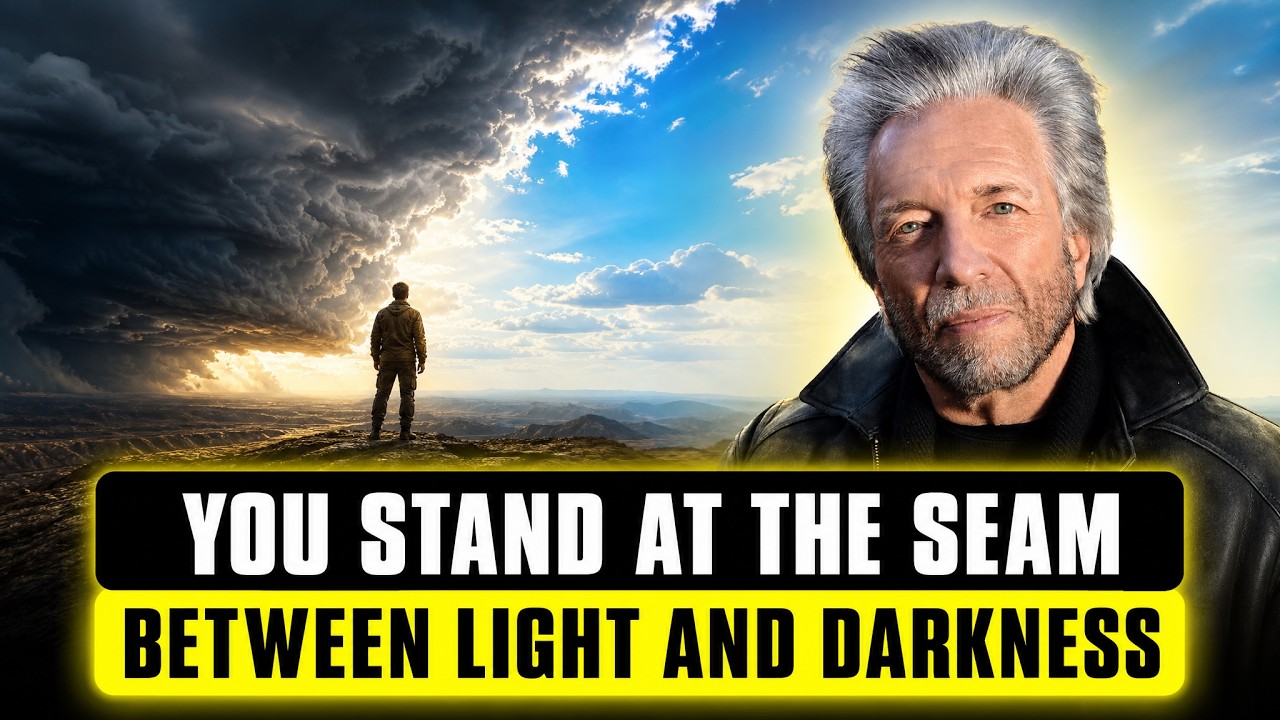
Triumph Over Opposition: RewiringYour Response to Change

Gregg Braden
Gregg Braden
Sep 28, 2026
読了 約8分
視聴 · 6

The moment arrives quietly. You're facing a choice—a job that no longer serves you, a relationship that needs reimagining, a health crisis, a question about where to live. Or perhaps you're watching the world shift beneath you, 2024 marking the first time in recorded history that forty nations held elections in a single year, nearly all voting for something radically different from what they'd known. The universe has dropped something at your doorstep. Now you must respond. Most people ask: How do I win? Gregg Braden asks something else: Are you trying to win, or trying to triumph? The question assumes these are not the same thing. Most people never stop to notice that they're not.

読む · 5セクション

What's the Real Difference Between Winning and Triumphing?

To win means to prevail against an opponent. It means one force overcomes another. Victory assumes a loser—something or someone defeated. And once you frame life through this lens, you are in perpetual conflict. Your struggle becomes your identity. You wake up each day asking: How do I overcome what's opposing me? How do I make my will prevail?

Triumph, Braden suggests, operates on entirely different logic. He begins by naming the distinction plainly: "Triumph is different than winning." If you triumph over evil—and Braden frames contemporary life as a struggle between forces that would deny you your divinity and forces that affirm it—you triumph "by living the best version of ourselves." Not by defeating the opposition. By being fully yourself.

This is not passive acceptance. It is ferociously active, but active in an unexpected direction. Triumph means loving fearlessly. Forgiving without expectation of reciprocal change. Freely imagining and creating. Communicating your ideas without needing them to go unedited. Practicing empathy. Offering healing. These are not soft concessions. These are the muscular expressions of your full humanity.

The trap of the winning mindset is subtle. It keeps you locked in reaction. You are always responding to what you oppose, which means the thing you oppose gets to set your agenda. Fight against injustice, and injustice defines your day. Struggle against your health crisis, and the crisis remains the center of your attention. The opponent becomes your focus, and over time, your identity becomes "the person struggling against X."

Triumph shifts the center. You stop asking, "How do I defeat this?" and start asking, "How do I live the life I actually want to live?" That question is radically different. It moves you from defensive to generative, from reactive to creative.

How Does Creating Something New Change Everything?

Braden anchors this insight in something more than philosophy: he cites Buckminster Fuller, the architect and engineer who designed geodesic domes and embodied a different way of thinking about systems. Fuller understood buildings and structures, networks and flows. And he understood how change actually happens in the world.

"You'll never change the world by fighting against the things that you don't like. If you want change in the world, find a new way that makes the old way obsolete. People will follow the new way and the old way falls away."

This is not a metaphor for spiritual practice; it's a principle drawn from design and engineering. The Pony Express didn't fail because riders fought railroads. Railways made horse delivery obsolete. Telegraph companies didn't resist telephones and lose—the telephone was simply superior, and the old system became irrelevant. Systems don't crumble from pressure applied to their outside. They become unnecessary when something better emerges.

Braden translates this principle into personal life. You are not here to fight against your old job, your old location, your old patterns. You are here to move toward and create the life you actually want. That sustained, embodied movement toward what calls you—that is what makes the old ways obsolete. The old patterns don't need to be defeated. They simply become irrelevant in the context of a fuller life.

In the context of the choices people are making in 2024 and 2025—new work, new communities, questioning where they place their spiritual energy—this principle cuts through the noise. You're not winning against your old employer or your old hometown. You're triumphing by moving toward what aligns with your actual values.

Why Is Your Body the Key to Your Divinity?

But here is where Braden makes a move that distinguishes his teaching from purely philosophical optimism. Triumph isn't abstract. It isn't something that happens in your mind while your body remains locked in old patterns. Triumph lives in the body.

"Your body is the key to your divinity."

He states this plainly, and repeats it twice for emphasis. This claim is the hinge around which the entire teaching turns.

Most Western spiritual traditions treat the body as an encumbrance—something to transcend, to move beyond, to purify yourself out of. The body is painted as an obstacle to enlightenment. But Braden reverses this hierarchy. Your body isn't separate from your divinity; it is the access point to it. Through your embodied senses, your embodied heart, your embodied nervous system, you connect to the part of yourself that is timeless, ancient, all-knowing. Without a body, that connection becomes inaccessible.

This isn't new language. Multiple spiritual traditions have called the body a temple—a phrase so familiar it has lost its force. But Braden suggests the metaphor isn't arbitrary. The reason your body is called a temple is that it literally houses something sacred. There is, he suggests, a sacred message encoded into your DNA, woven into the structure of every cell. Your body is not a prison for your spirit. It is a sanctuary.

Why invoke this now? Because the world is offering a seductive alternative. Young people ask Braden whether there's something wrong with integrating artificial intelligence into their bodies—neural interfaces that would allow them to communicate with computers directly, without keyboards or wires, a chip in the brain doing the translating. The pitch is familiar: enhancement, capability expansion, seamless integration with the larger network. Why wouldn't you want that?

Braden's answer is stark: because once you replace your body—your embodied nervous system, your embodied heart, your embodied senses—with synthetic alternatives, you lose your access to your divinity. You sever the connection. The movement to synthetic embodiment, attractive as it sounds, is fundamentally a movement away from the divine, away from the ancient and timeless dimension of yourself that flows through this particular body.

In this context, triumph becomes not just a personal strategy but a choice to remain fully human. To say: no, I choose embodiment. I choose this body, with all its limitations and its ancient wisdom. I choose to remain connected to the timeless dimension that flows through flesh and blood, not silicon.

What Remains When You Strip Away What's False?

There is a moment in the talk where Braden distills the whole teaching into a single image:

"When you take away the false programs that we've all been conditioned to accept, the fear and the lies, all that remains is what's true. When you take away those false programs, all that remains is your divinity."

Notice what this claim does. It suggests that your divinity isn't something you need to construct or achieve. It isn't something you earn through effort or acquire through initiation. It's your baseline—what emerges when everything false falls away. Your divinity is your nature underneath the conditioning, underneath the programs of fear and lies you've inherited from your culture, your family, your trauma.

Which means triumph, as a practice, isn't about becoming something new. It's about becoming yourself more fully. It's about clearing away the false layers and letting what's true—what's already divine in you—emerge and express itself in the world.

The practice of triumph is therefore a practice of subtraction, not addition. You're not adding anything. You're removing what doesn't belong.

Where to Go From Here

Braden ends his talk not with abstract wisdom but with a practical invitation: Examine the challenges in your own life right now. Health challenges. Friendship tensions. Questions about work, about where to live, about community. Are you attempting to win in those challenges—fighting against what you oppose—or are you attempting to triumph by moving toward the best version of yourself?

And crucially: The answer isn't something you announce with words. It's something you demonstrate through your actions, through the way you respond to what life brings.

"It's not a question you answer with words. It's a question that you answer through your actions, the way that you respond to what the universe has brought to your doorstep."

That distinction—between belief and behavior—is where the teaching becomes concrete. You can believe in triumph all day. But triumph is lived. It's the embodied practice of your own divinity, moment by moment, choice by choice. In a world of increasing complexity and change, where every force seems to be competing for your attention and your loyalty, that sustained embodied affirmation of your own full humanity might be the most radical triumph available.

Comments

Loading the conversation…

Transcript

[0:00] What we want is to triumph.

[0:03] Triumph is different than winning.

[0:06] We want to triumph in this battle. How

[0:09] do we triumph? By living the best

[0:11] version of ourselves. You triumph over

[0:14] evil. Think about this. Makes perfect

[0:15] sense. If the goal of the struggle

[0:18] between good and evil

[0:20] is to deny you your divinity, then you

[0:22] triumph by living your divinity. You

[0:25] triumph by loving fearlessly, by

[0:28] forgiving without expectation. By freely

[0:31] imagining and creating and communicating

[0:33] with other people and sharing those

[0:35] ideas without having them edited and

[0:38] censored.

[0:39] You experience these things. You triumph

[0:43] through empathy, empathizing with our

[0:46] brothers and sisters who are having a

[0:48] hard time, sympathizing, compassion,

[0:50] healing. When you accept your own

[0:52] healing, that is you triumphing over the

[0:56] force of evil. Very different than

[0:59] winning. And I I I hope this makes

[1:01] sense. We'll do a Q&A

[1:03] uh in the next session, and you can ask

[1:05] me about that if if it doesn't. It's a

[1:07] very different way of thinking, and and

[1:08] I know that. We triumph over evil by

[1:11] living the best version of ourselves, by

[1:14] living our divinity. So, I'm going to

[1:16] ask you, just for your own

[1:17] consideration,

[1:19] think about your life.

[1:21] Think about everything that's happening

[1:22] in your life, conversations that you're

[1:24] having with friends and family.

[1:27] We've got a lot of changes that are

[1:29] happening in the world. You know,

[1:31] in 2024, just a few months ago, it was

[1:33] the first time in recorded human history

[1:36] that 40 nations on Earth, all in the

[1:41] same year, had elections for the highest

[1:45] position of leadership in the land.

[1:47] Whether they were princes or kings or

[1:50] presidents or prime ministers, whatever

[1:52] they were called, 40 nations the same

[1:55] year. That's never happened. And the

[1:57] people of those nations voted for some

[2:00] kind of change

[2:02] very different from what they have had

[2:04] in the past.

[2:06] And those changes, it's a different

[2:08] world. It's a different way of living

[2:09] for many of us. So, I'm going to invite

[2:11] you to ask yourself in your life

[2:13] challenges. Maybe you've got a health

[2:15] challenge now.

[2:16] Maybe you've got friendship challenges.

[2:19] Many of you are reconsidering what you

[2:23] where you place your spiritual energy

[2:26] for

[2:27] uh for work every day. What is it that

[2:30] you give your energy to every day?

[2:31] You're thinking about new jobs.

[2:33] Many of you, I hear from you all over

[2:35] the world. You're thinking about where

[2:37] you live and and if it's time to to

[2:39] maybe look at at other places live.

[2:41] Everyone's looking for community.

[2:43] Everyone's looking for what they call

[2:45] their tribe. Whether it's a physical

[2:47] tribe or a virtual tribe, people are

[2:49] looking for others

[2:51] to collaborate with, to share ideas.

[2:54] So, I'm going to invite you with the

[2:55] challenges, whatever challenges are up

[2:57] for you in your life right now.

[2:59] Are you attempting to win

[3:03] in that challenge,

[3:05] which implies struggle,

[3:07] and one force prevailing over another,

[3:10] or

[3:12] are you attempting to triumph?

[3:14] Triumph means that you live the best

[3:18] version, you make your choices, you make

[3:21] your way of life. You're not trying to

[3:23] change what the world is showing you,

[3:26] you're choosing to move forward to live

[3:29] the best version of yourself.

[3:32] You know, I think maybe one of the the

[3:33] best ways to say this, Buckminster

[3:35] Fuller,

[3:36] I I never met Buckminster Fuller. I had

[3:39] friends of mine that were good friends

[3:40] with him, and I and I wish I had. He

[3:42] died in the '80s.

[3:43] He, if you don't know, he is the

[3:45] architect of the geodesic dome,

[3:47] uh what they call the buckyballs.

[3:50] And he said once, and and I think

[3:53] there's a lot of truth in this. He said,

[3:54] "You'll never change the world by

[3:56] fighting against the things that you

[3:58] don't like."

[3:59] He said, "If you want change in the

[4:00] world, find a new way that makes the old

[4:04] way obsolete. People will follow the new

[4:07] way and the old way falls away."

[4:10] That is an example of triumph. You don't

[4:13] fight, necessarily, but you move in a

[4:17] direction that expresses your heart's

[4:20] desire,

[4:21] rather than struggling to change the

[4:24] circumstances

[4:25] that you feel have imprisoned you in the

[4:27] past. That's the difference

[4:29] between winning and triumphing. So, in

[4:32] your life,

[4:34] do you attempt to win or you attempt to

[4:36] triumph?

[4:37] And it's not a question you answer with

[4:39] words, it's a question that you answer

[4:41] through your actions, the way that you

[4:42] respond to what the universe has brought

[4:45] to your doorstep. So, I want you to

[4:46] something to think about. I want you to

[4:48] think about this.

[4:49] When you take away the false programs

[4:52] that we've all been conditioned to

[4:53] accept, the fear and the lies, all that

[4:56] remains is what's true.

[4:59] When you take away those false programs,

[5:01] all that remains is your divinity.

[5:04] All right? I want you to be aware of

[5:06] this ancient struggle between good and

[5:08] evil. I'm not going to talk about a lot

[5:09] for the rest of the day. It's the

[5:11] context, though,

[5:12] for everything that we're doing. That's

[5:14] why that book was written.

[5:18] >> [music]

[5:25] >> So, if the battle is for our human-ness,

[5:29] because through our human-ness, we

[5:32] express our divinity, what is so

[5:34] special? What is it so special? Why

[5:36] wouldn't we want a computer chip in the

[5:38] brain? Why wouldn't we want chemicals

[5:40] in the blood? Young people come to me

[5:42] all the time. They say, "Greg, what's

[5:43] wrong with AI in my body? What's wrong

[5:45] with that? If I can talk to a computer

[5:48] without a keyboard and without a wire

[5:50] because there's a chip in my brain

[5:52] talking to that computer, what's wrong

[5:54] with that? Your body is the key to your

[5:57] divinity. A very high level, I wanted to

[5:59] share that context with you.

[6:02] And uh

[6:04] I think if you can keep that context in

[6:06] mind as you see the events of the world

[6:08] around you, it will help you to to make

[6:11] sense

[6:13] of what we're seeing in the world right

[6:14] now. And now we're going to go into some

[6:16] tools that help us to to navigate those

[6:20] changes in a really healthy way. Your

[6:22] body is the key to your divinity.

[6:26] In this world

[6:27] because it's through our bodies that we

[6:29] have access

[6:31] to that part of ourselves that is

[6:33] timeless, it is ancient, it is

[6:35] all-knowing. If you don't have a body,

[6:38] uh it's very difficult to access your

[6:40] divinity. And I think that's going to be

[6:42] clear

[6:44] because the movement to replace our body

[6:47] with synthetics

[6:49] means that we cannot access our divine

[6:52] nature. And I'm going to I'm going to

[6:54] show you why that is right now.

[6:56] Your body is the key to your divinity.

[6:59] And a lot of people don't make that

[7:00] connection.

[7:01] They separate divinity, you know, some

[7:03] something out there and and then the

[7:05] body is here.

[7:07] The body is the key. You know, our

[7:08] ancestors

[7:10] uh in many traditions call the the human

[7:13] body a temple.

[7:14] And there's a reason the last session of

[7:16] today

[7:17] you're going to see that there is a

[7:19] sacred message actually encoded into the

[7:22] DNA of every cell of your body. You

[7:24] truly are a temple housing that message,

[7:27] and we'll see that later today.

[7:30] But I want to show you some science. And

[7:31] this is if you've never seen

[7:34] what I'm about to share with you, it's

[7:35] kind of a mind-blower, what you're going

[7:36] to see here.

[7:38] The scientific experiment that helps us

[7:40] to understand the link between our

[7:43] biology

[7:45] and our divinity or our bodies and the

[7:48] part of us

[7:49] that is timeless and and ageless. Let me

[7:52] give you some evidence of why this is

[7:54] true.

[7:56] So, I'm going to begin and some of you I

[7:58] know are younger and don't recall this

[8:01] and some of you may be old enough to

[8:03] remember this.

[8:05] The very first commercial computer game

[8:08] that made it big

[8:10] all over the world. It was a game called

[8:12] Pong.

[8:13] Uh it was released in 1972, November of

[8:16] 1972.

[8:19] Now, when we talk about Pong today, it

[8:21] looks very primitive.

[8:23] Uh but when it happened, computers were

[8:27] new

[8:28] in our

[8:29] desktop. Prior to 1972, the most

[8:33] computers were in big rooms, big

[8:35] computers,

[8:36] uh big air-conditioned rooms. Nobody had

[8:38] them in their homes. I know it's it's

[8:40] hard to even think about that now.

[8:42] 1972, there was a game called Pong that

[8:46] was released. Okay, and I know you're

[8:47] excited. Let me show you what Pong

[8:49] looked like and you're going to have to

[8:50] really hold yourself back because it's

[8:52] so exciting.

[8:54] That's Pong. It was essentially

[8:57] it was essentially a digital tennis

[8:59] game.

[9:00] It's what it was. Now, I remember I was

[9:01] working in the corporations

[9:03] uh after school when this happened.

[9:06] And I remember that there were high-paid

[9:10] engineers

[9:11] that would come back from lunch and they

[9:14] would load this game on their computers

[9:17] >> [laughter]

[9:17] >> and they would just get they'd get lost

[9:20] in the

[9:22] the um I'm going to play it again. They

[9:24] get lost in playing this game with one

[9:27] another and you know, today it looks so

[9:28] primitive compared to what we do, but

[9:30] there's a reason I'm sharing this with

[9:31] you. So, first computer game, Pong, 1972

[9:35] and it was uh

[9:38] it was a game that swept the world. All

[9:39] right, so it wasn't just in one country

[9:42] or anything like that. So here's the

[9:44] experiment.

[9:45] The experiment in 2022

[9:49] scientists

[9:51] wired some human neurons to a computer

[9:55] chip. So let let me just explain what's

[9:57] happening here. You know, neurons have

[9:59] what look like little tentacles on the

[10:01] cell they're called dendrites.

[10:03] And they created a special computer chip

[10:07] with a an opening called a port and they

[10:10] could connect the the dendrites on the

[10:12] neuron into that port. So now you have a

[10:16] biology

[10:17] silicon interface, all right. And then

[10:20] they loaded that chip into a computer

[10:25] that was

[10:27] hosting the game of Pong. All right, so

[10:30] these are isolated neurons. They're not

[10:33] attached to a human.

[10:34] They're in a Petri dish wired to a

[10:37] computer chip. They put them in the

[10:39] computer

[10:40] and here's what happened. All of a

[10:42] sudden those neurons began to play the

[10:45] game Pong.

[10:48] They played the game successfully and

[10:50] the longer they played the game, the

[10:53] better they got. They learned from

[10:55] playing the game.

[10:58] >> [music]

Gregg Braden
ArtistGregg Braden

Gregg Braden is an author, educator, and documentary producer whose books and media explore the intersection of science, spirituality, and human origins. He has published five New…

プロフィールを見るウェブサイト
トピックを見る
Triumph-not-winningEmbodied-divinityResistance-strategyBody-as-templeConsciousness-evolution

ご質問はありますか?

よくある質問

Winning implies struggle—one force overcoming another. Triumphing means living your best self without fighting what you oppose. Rather than asking 'How do I defeat this?', triumph asks 'How do I move toward the life I want?' The distinction transforms you from reactive to creative.
Braden suggests creating something better instead. Following Buckminster Fuller's principle, don't try to defeat the old way—make it obsolete by building what's new. This means directing your energy toward what you want to create rather than what you want to destroy.
Braden argues that your body is the key to your divinity—the access point to the timeless, ancient part of yourself. Through embodied senses and an embodied heart, you connect to dimensions of wisdom and presence that aren't accessible any other way.
The ancient phrase isn't just poetic. Braden suggests there's literally a sacred message encoded into your DNA—your body houses something divine. This is why keeping your body human and embodied, rather than replacing it with synthetic alternatives, matters spiritually.
The answer isn't something you think about—it's something you demonstrate through your actions and choices. Ask yourself: Am I fighting against what I don't want, or moving toward the life I actually want to live? Your actions, not your words, reveal the answer.
Fuller observed that systems don't change through fighting against them—they become obsolete when something better emerges. Applied to life, this means building the new way rather than battling the old. People naturally follow what works better, and the old falls away.
Yes. Triumph isn't about ignoring opposition; it's about not letting opposition set your agenda. You move forward living your best self, expressing your divinity through love, creativity, and embodied wisdom. As you do, the old patterns become irrelevant.

読みつづける

More from Gregg

すべて表示
Ancient Struggle Between Good and Evil Still Shapes Our World Today
Inspire

Ancient Struggle Between Good and Evil Still Shapes Our World Today

Gregg Braden reveals the hidden spiritual context binding all human history—and why understanding it is essential to recognizing manipulatio…

1 min read
Ancient Texts and DNA Reveal Humanity's Buried Blueprint
Inspire

Ancient Texts and DNA Reveal Humanity's Buried Blueprint

Hidden gospels buried 1,600 years ago and modern DNA science converge on a radical truth: we carry an intentional gift encoded in every cell…

1 min read
God Beyond the Sky: Rethinking Divine Nature
Inspire

God Beyond the Sky: Rethinking Divine Nature

God is not an external judge deciding human suffering. Suffering itself becomes the mechanism through which consciousness awakens to itself.…

1 min read
What Comes After Collapse: Evolution Beyond Crisis
Inspire

What Comes After Collapse: Evolution Beyond Crisis

Eckhart Tolle explores how past extinctions reveal patterns of renewal, suggesting current chaos may usher in higher consciousness and syste…

1 min read

探索を続ける

旅をつづける

BrightStarのディレクトリから、さらなる智慧と集いを。

もっと記事を読む

教え、インタビュー、ガイドのライブラリ全体をご覧ください。

すべての記事に戻る →

講師とアーティスト

コンシャスな世界の系譜、音楽家、導き手を探しましょう。

アーティストを探す →

イベントを見つける

キルタン、リトリート、サウンドバス、ブレスワーク、フェスティバル — まもなく開かれます。

イベントを見る →