BrightStar

すべてのEventsを見る

意識ある集いに出会う

events

Yoga
Meditation
Breathwork
Qigong
Tai Chi
Sacred Music
World Music
Medicine Music
Sound Healing
Ecstatic Dance
人気の目的地
BaliSedonaLos AngelesCosta RicaNew YorkSan FranciscoAustinMiamiJoshua TreeTulum
すべてのカテゴリを見るすべての目的地を見る

すべての機能を探索

イベントを成長させる強力なツール

プラットフォーム機能

スマートダイナミックプライシング
チケットカテゴリ
座席指定
カート放棄リカバリー
訪問者リカバリー
寄付とスライディングスケール
アフィリエイトシステム
チケットスキャナー
クーポンコード
カスタム質問
チケット共有
アップセルとアドオン
分析とレポート
メールシーケンス
ウェイトリスト / 通知 / リマインダー
人と場所
Artists & TeachersEvent OrganizersVenues & StudiosKnowledge BaseGlossaryInspiration
すべての機能を見る私たちについて
料金ブログ
Language
Saved events
すべてのイベントを見る

events

YogaMeditationBreathworkQigongTai ChiSacred MusicWorld MusicMedicine Music

人気の目的地

BaliSedonaLos AngelesCosta RicaNew YorkSan Francisco

人と場所

Artists & TeachersEvent OrganizersVenues & StudiosKnowledge BaseGlossaryInspiration

プラットフォーム機能

スマートダイナミックプライシングチケットカテゴリ座席指定カート放棄リカバリー訪問者リカバリー寄付とスライディングスケールアフィリエイトシステムチケットスキャナークーポンコードカスタム質問チケット共有アップセルとアドオン分析とレポートメールシーケンスウェイトリスト / 通知 / リマインダー
すべての機能を見る私たちについて
料金ブログ
ログイン探求者クリエイター
  • すべてのイベントを見る
  • 探求者向け
  • ヨガ
  • 瞑想
  • ブレスワーク
  • 気功
  • 太極拳
  • 聖なる音楽
  • ワールドミュージック
  • メディスンミュージック
  • サウンドヒーリング
  • エクスタティックダンス
  • リトリート
  • ワークショップ
  • すべてのカテゴリ →
  • Bali
  • Sedona
  • Los Angeles
  • Costa Rica
  • Tulum
  • Byron Bay
  • San Francisco
  • Austin
  • New York
  • San Diego
  • Denver
  • Seattle
  • Portland
  • Miami
  • すべての都市 →
  • Join the Movement
  • Sell Globally
  • クリエイター向け
  • チーム向け
  • ライター向け
  • 講師向け
  • キルタンアーティスト向け
  • スタジオ向け
  • フェスティバル向け
  • リトリートセンター向け
  • 非営利団体向け
  • ブランドアンバサダー
  • 事例紹介
  • 無料チケット販売
  • Elevate
  • Amplify
  • 50万人以上のバイヤーネットワーク
  • カート放棄リカバリー
  • スマートダイナミックプライシング
  • チケットカテゴリ
  • 定期イベント
  • 座席指定
  • アフィリエイトシステム
  • ウェイトリスト / 通知
  • チケットスキャナー
  • 埋め込みウィジェット
  • イベント配信
  • メッセージセンター
  • インテグレーション
  • レポート
  • すべての機能 →
  • 概要
  • エコシステム
  • ブログ
  • 用語集
  • インスピレーション
  • ヘルプセンター
  • お問い合わせ
  • APIドキュメント
  • ブランドアセット
  • 採用
  • プレス
  • 利用規約
  • プライバシーポリシー

イベント

  • すべてのイベントを見る
  • 探求者向け
  • ヨガ
  • 瞑想
  • ブレスワーク
  • 気功
  • 太極拳
  • 聖なる音楽
  • ワールドミュージック
  • メディスンミュージック
  • サウンドヒーリング
  • エクスタティックダンス
  • リトリート
  • ワークショップ
  • すべてのカテゴリ →

目的地

  • Bali
  • Sedona
  • Los Angeles
  • Costa Rica
  • Tulum
  • Byron Bay
  • San Francisco
  • Austin
  • New York
  • San Diego
  • Denver
  • Seattle
  • Portland
  • Miami
  • すべての都市 →

クリエイター向け

  • Join the Movement
  • Sell Globally
  • クリエイター向け
  • チーム向け
  • ライター向け
  • 講師向け
  • キルタンアーティスト向け
  • スタジオ向け
  • フェスティバル向け
  • リトリートセンター向け
  • 非営利団体向け
  • ブランドアンバサダー
  • 事例紹介
  • 無料チケット販売
  • Elevate
  • Amplify

機能

  • 50万人以上のバイヤーネットワーク
  • カート放棄リカバリー
  • スマートダイナミックプライシング
  • チケットカテゴリ
  • 定期イベント
  • 座席指定
  • アフィリエイトシステム
  • ウェイトリスト / 通知
  • チケットスキャナー
  • 埋め込みウィジェット
  • イベント配信
  • メッセージセンター
  • インテグレーション
  • レポート
  • すべての機能 →

会社

  • 概要
  • エコシステム
  • ブログ
  • 用語集
  • インスピレーション
  • ヘルプセンター
  • お問い合わせ
  • APIドキュメント
  • ブランドアセット
  • 採用
  • プレス
  • 利用規約
  • プライバシーポリシー
BrightStar
© 2026 BrightStar. 全著作権所有.
Inspiration

Spiritual Lineage and Finding Your Right Practice Path

Be Here Now Network
Be Here Now Network
Oct 13, 2024
読了 約6分

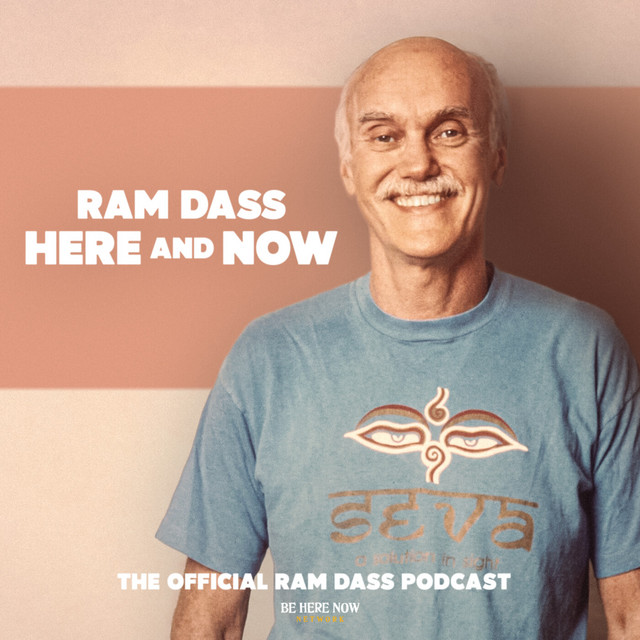
In a 1994 Q&A session, Ram Dass addresses the relationship between honoring established spiritual lineages and the freedom to find practices suited to your own nature. He explores how to bring authentic spiritual values—particularly heart quality and presence—to diverse contexts, from traditional meditation to contemporary scenes like raves and academic settings. The core tension is between respecting the wisdom of lineages while remaining flexible enough to recognize that the path must ultimately meet you where you are.

読む · 6セクション

What Does It Mean to Honor a Spiritual Lineage?

Honoring a lineage means recognizing the accumulated wisdom, practices, and realizations of a long chain of teachers and practitioners who came before you. When Ram Dass speaks about lineage in this 1994 session, he's addressing a question that arises for many Western spiritual seekers: How do we maintain respect for traditional teachings while also adapting them to our contemporary context?

A lineage is not simply a historical record—it's a living transmission of both outer practices (meditation techniques, rituals, study) and inner understanding. The teachers within a lineage have tested these practices over time and refined them. By honoring that lineage, you're drawing on their experience. This matters practically, because it means you're not inventing your spiritual path from scratch, which can lead to spiritual bypassing or picking and choosing practices that merely comfort rather than transform.

However, Ram Dass also acknowledges a legitimate tension: respect for lineage doesn't mean blindly accepting everything in the form it was transmitted. A lineage that was meaningful in 15th-century Nepal will need to communicate differently in 1990s America. The content may remain true, but the container shifts.

How Do You Choose a Spiritual Practice That Fits Your Nature?

Not every practice works for every person. Ram Dass recognizes that different temperaments, life stages, and capacities call for different approaches. Some people are drawn to devotion; others to meditation, study, or service. Some thrive in monasteries; others find their practice in the world, in relationships, in work.

The question becomes: How do you find your right practice without either dogmatically adhering to a single form or endlessly shopping for the path that feels easiest? Ram Dass suggests that discernment here involves honesty about your own nature and a willingness to try practices even when they feel uncomfortable at first.

Within a genuine lineage, there's usually flexibility built in. Different schools and teachers within the same tradition offer different emphases. Devotional paths, wisdom paths, and service paths all exist within Buddhism, Hinduism, and other traditions. The lineage container is large enough to hold this diversity. Rather than abandoning lineage entirely when one approach doesn't resonate, a more skillful approach is to find the branch or teacher within the lineage whose style matches your nature.

Can Spiritual Values Show Up in Unexpected Places?

One of the questions Ram Dass addresses in this session touches on whether spiritual consciousness and heart can arise in contemporary secular contexts—specifically, he mentions the "rave scene." This is significant because it reflects a genuine spiritual reality: awakeness and love don't belong exclusively to traditional religious settings.

Ram Dass recognizes that a rave—with its music, community, and ecstatic experience—can open the heart and dissolve ego boundaries in ways that resemble spiritual experience. The question then becomes: Is this a gateway to deeper practice, or is it sufficient in itself? Can lineage wisdom be brought to these spaces, or do they operate in a different register entirely?

The answer appears to involve both-and thinking. Yes, genuine spiritual opening can happen anywhere. No, that opening doesn't automatically translate into sustained transformation or wisdom. A single ecstatic experience isn't the same as a practice that trains the mind and heart over time. But perhaps the opening that happens at a rave could lead someone to investigate deeper practices. The role of the teacher or lineage holder is to recognize genuine opening when it occurs and help the person deepen it through continued practice.

How Do You Bring Heart Quality to Secular Contexts Like Academia?

Another concrete example Ram Dass explores is how to maintain spiritual values—particularly "heart quality"—in an academic or intellectual context. This speaks to a common experience among Western practitioners: How do you integrate your spiritual understanding with your professional life, especially in fields that can feel emotionally cold or ego-driven?

The challenge in academia is real. The training often emphasizes critical distance, intellectual dominance, and individual recognition. Yet the dharma or spiritual teaching emphasizes service, compassion, and the dissolution of ego barriers. They can feel mutually exclusive.

Bringing "heart quality" to academia means: staying connected to the deeper motivation (service, transmission of genuine knowledge, care for students), remembering that intellectual understanding is in service of human flourishing, maintaining presence even while discussing abstract concepts, and relating to colleagues and students with genuine care rather than intellectual competition. It's not about making academia itself into a spiritual practice—it's about not letting the secular container corrupt the spiritual quality of your being.

This requires what might be called "dual consciousness"—the ability to engage fully with academic forms and standards while holding a deeper awareness of why you're doing the work. It's a practical application of the principle that spirituality isn't about escaping the world but about bringing awakeness to wherever you are.

The Middle Path: Respect Tradition Without Rigidity

Throughout this 1994 Q&A, Ram Dass seems to be holding a middle position: neither fundamentalist adherence to tradition nor casual picking and choosing. The lineage is real, valuable, and worth honoring. It contains hard-won wisdom. At the same time, the living spirit of that lineage is its capacity to wake people up right now, in their actual circumstances.

A living lineage adapts. It travels from India to America, from Sanskrit to English, from monastic to householder contexts. The form changes; the transmission continues. But without respect for the lineage—without studying the teachings, practicing the methods, maintaining connection to a realized teacher—there's a risk of losing coherence and mistaking novelty for depth.

The practical upshot for a seeker is this: Find a lineage and teacher you trust. Commit to the practices they offer. But also remain honestly attuned to whether those practices are actually moving you toward greater consciousness and compassion. If they're not, investigate why—is it because you're not practicing sincerely, or is it because you genuinely need a different approach? Be willing to move between teachers and practices when necessary, but don't treat the spiritual path as a consumer menu where every desire should be instantly satisfied.

Where to Go From Here

If this discussion resonates, consider exploring the specific lineage teachings that draw you. Research the history and philosophy behind the practices you're already drawn to. If you're academic or intellectually oriented, investigate how philosophers and scholars within your tradition have integrated wisdom and scholarship. If you're called to devotion, find a community and teacher who embodies that path. If you're interested in contemporary applications, seek out teachers who are actively translating traditional teachings for modern contexts—including how to bring these values into unexpected places. Most importantly, commit to a practice and give it real time before abandoning it. The fruits of spiritual work often emerge only after sustained engagement.


Comments

Loading the conversation…

Be Here Now Network
ArtistBe Here Now Network

Be Here Now Network is the creator of Heart Wisdom with Jack Kornfield, a podcast exploring consciousness, spirituality, and personal transformation. With 313 episodes, they have c…

プロフィールを見るウェブサイト
トピックを見る
Spiritual-lineageSpiritual-practiceDharma-teachingMeditationSpiritual-teacher

ご質問はありますか?

よくある質問

Look within established lineages and traditions, as they've developed different paths suited to different temperaments—devotional, wisdom-based, service-oriented. Find a qualified teacher whose approach resonates with your nature, commit to their practices sincerely for a sustained period, and honestly assess whether the practice is moving you toward greater consciousness and compassion. Don't treat spiritual practice as consumer choice; genuine transformation usually requires commitment over time.
Honoring a lineage means drawing on centuries of accumulated wisdom and realized teachers who've tested these practices. While lineages do adapt to new contexts, inventing your path from scratch risks spiritual bypassing or choosing practices that merely comfort rather than transform. The lineage is the container; your task is finding the right teacher and form within it that matches your nature.
Yes, genuine spiritual opening—dissolution of ego boundaries and heart awakening—can occur anywhere, including in contemporary secular contexts. However, a single ecstatic experience isn't the same as sustained transformation. The value lies in recognizing that opening as a gateway to deeper practice rather than treating it as sufficient in itself.
Bring 'heart quality' to your work by staying connected to deeper motivation (service, genuine knowledge transmission, care for others), maintaining presence and compassion even while engaging intellectual content, and avoiding spiritual bypassing. It's not about making your job into a spiritual practice, but about not letting the secular container corrupt the spiritual quality of your being.
A living lineage adapts while maintaining its core transmission—it travels across cultures and time periods, changing form while preserving essence. Honoring lineage means committing to authentic practices and a realized teacher, while also remaining attuned to whether those practices are actually moving you toward greater consciousness and compassion. Stay willing to investigate and potentially shift if the approach genuinely isn't working.
Give authentic commitment time—the fruits of spiritual work often emerge only after sustained engagement. Practice sincerely long enough to develop real discernment about whether resistance you feel is simply the discomfort of genuine growth or a sign of genuine mismatch. Don't treat each practice like a consumer product to be tried briefly and abandoned at the first difficulty.
読みつづける

More from Be

すべて表示
Dying as Spiritual Awakening: Lessons from a 1976 Retreat Talk
Inspire

Dying as Spiritual Awakening: Lessons from a 1976 Retreat Talk

A 1976 retreat talk, now released as Here and Now Ep. 314, uses stories of Maharaj-ji, a dying student, and Varanasi to reframe death as an …

1 min read
When Science Meets the Unmeasurable: Paradigm Collapse and Spiritual Inquiry
Inspire

When Science Meets the Unmeasurable: Paradigm Collapse and Spiritual Inquiry

Ram Dass recounts his encounter with a Nobel laureate physicist who accepted every story about his guru—until one crossed the line. The gap …

1 min read
Stories as Medicine: How Compassion Heals Division and Builds Connection
Inspire

Stories as Medicine: How Compassion Heals Division and Builds Connection

In this profound exploration of human connection, renowned spiritual teacher Jack Kornfield reveals how stories serve as medicine for our di…

1 min read
Walking the Tightrope: How to Serve Both Heaven and Earth Without Losing Your Balance
Inspire

Walking the Tightrope: How to Serve Both Heaven and Earth Without Losing Your Balance

Ram Dass reveals the spiritual challenge of our time: staying connected to divine consciousness while remaining present to human suffering a…

1 min read

探索を続ける

旅をつづける

BrightStarのディレクトリから、さらなる智慧と集いを。

もっと記事を読む

教え、インタビュー、ガイドのライブラリ全体をご覧ください。

すべての記事に戻る →

講師とアーティスト

コンシャスな世界の系譜、音楽家、導き手を探しましょう。

アーティストを探す →

イベントを見つける

キルタン、リトリート、サウンドバス、ブレスワーク、フェスティバル — まもなく開かれます。

イベントを見る →