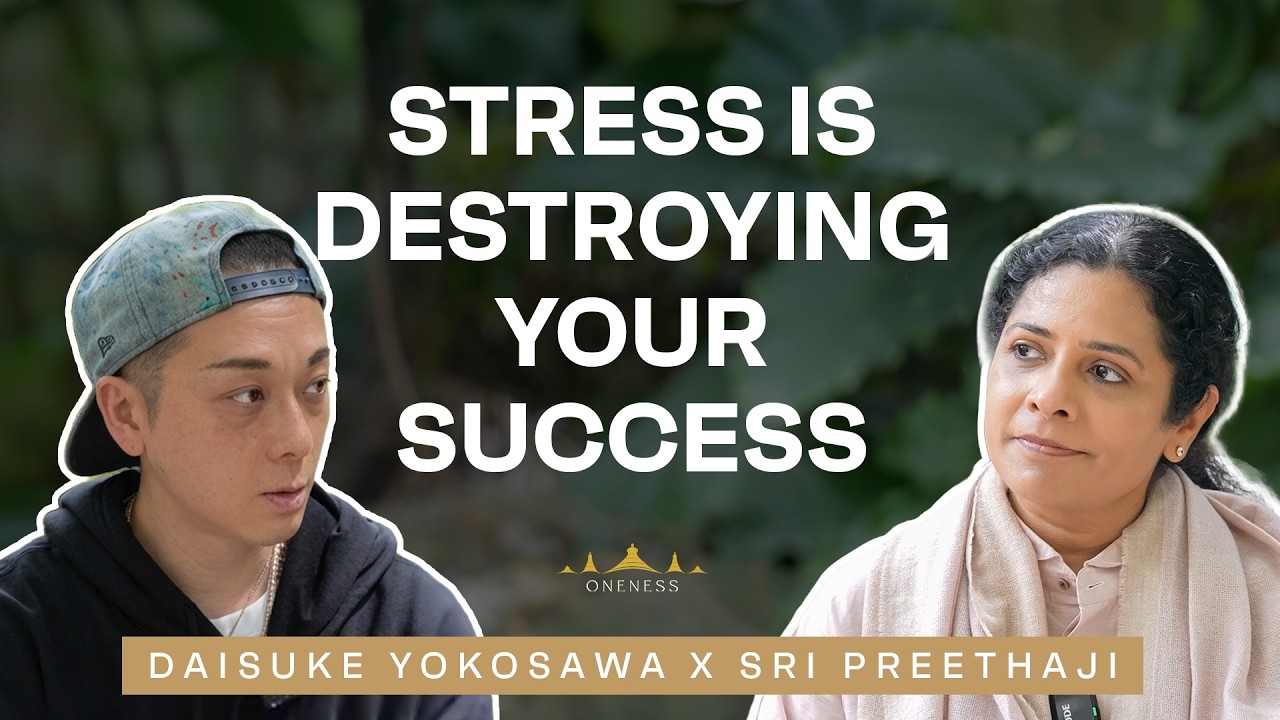
Rejection anxiety is the single barrier preventing you from experiencing fulfilling romantic relationships. This fear manifests as unexpressiveness, self-doubt, emotional coldness, or clinginess—all of which further damage relationships and reduce the likelihood of finding a suitable partner. However, this anxiety can be dissolved, and the work begins from within you through understanding the root patterns that drive this fear and learning to rewire your capacity for vulnerability and authentic connection.
What Is Rejection Anxiety in Romantic Relationships?
According to Sri Preethaji, rejection anxiety operates as the primary psychological mechanism that prevents people from accessing the relationships they desire. This isn't about being occasionally nervous before a first date or a difficult conversation—it's a deeper, often unconscious fear that your worth or lovability is contingent on another person's approval or acceptance.
Rejection anxiety becomes particularly destructive because it functions as a self-fulfilling prophecy. The fear of being rejected doesn't remain dormant; it actively shapes your behavior in ways that push partners away or prevent authentic connection from forming in the first place. Understanding this mechanism is the first step toward dismantling it.
How Does Rejection Anxiety Damage Relationships?
Sri Preethaji identifies three primary ways rejection anxiety sabotages romantic relationships:
- Unexpressiveness: Fear of rejection causes you to suppress your authentic thoughts, feelings, desires, and opinions. You become self-edited, filtered, presenting only the version of yourself you believe will be accepted. This prevents your partner from ever truly knowing you and cuts off the possibility of genuine intimacy.
- Coldness: In an attempt to protect yourself from rejection, some people create emotional distance. They become withdrawn, unavailable, or seemingly indifferent. This protective mechanism backfires because emotional unavailability is experienced as rejection by the other person, creating the very outcome you feared.
- Clinginess: Others respond to rejection anxiety by becoming overly dependent, seeking constant reassurance, or becoming hypervigilant to their partner's moods and needs. This desperation for validation creates pressure within the relationship and undermines the autonomy and personal space that healthy partnerships require.
Each of these patterns—unexpressiveness, coldness, and clinginess—perpetuates a cycle where the relationship deteriorates not because of incompatibility, but because the anxiety itself becomes the problem. The fear of rejection becomes the very thing that invites rejection, either through actual breakup or through the slow erosion of emotional connection.
Can Rejection Anxiety Actually Be Ended?
Sri Preethaji's core assertion is direct and unambiguous: yes, this anxiety can be ended. This is not a matter of "managing" anxiety, "coping with" it, or learning to "live with it." The teaching suggests that rejection anxiety is not a permanent feature of human consciousness but rather a learned pattern that can be unlearned and dissolved at its root.
This is significant because it shifts responsibility away from circumstances (finding the "right" person, waiting for perfect timing, external validation) and directs it inward. Your rejection anxiety isn't something that will be healed by the perfect relationship; rather, a fulfilling relationship becomes possible only after you address the anxiety within yourself. This is why the teaching emphasizes that "this entire journey has to begin from within you."
What Does It Mean to Work with Rejection Anxiety From Within?
Internal work on rejection anxiety involves several interconnected dimensions:
Recognizing the Pattern: Before anxiety can be dissolved, you must become conscious of how it operates within you. Do you tend toward withdrawal and coldness, or toward desperation and clinginess? When does the fear activate? What triggers the self-doubt? What beliefs about your lovability or worthiness underlie the anxiety?
Understanding the Root Belief: Rejection anxiety typically stems from a core belief that your worth is determined by others' approval. This belief was often learned in childhood through conditional love, criticism, or experiences of abandonment. The unconscious logic becomes: "If I am rejected, it means I am unworthy. If I lose this relationship, it means I am unlovable." Dismantling this belief requires directly examining where it comes from and recognizing that your essential worth is not contingent on romantic acceptance.
Developing Internal Security: As you move away from seeking your worth through others' approval, you develop an internal sense of security and belonging that doesn't fluctuate based on relationship status. This doesn't mean you become indifferent to your partner's feelings—rather, you can care deeply while maintaining the understanding that your fundamental okayness doesn't depend on the outcome of this particular relationship.
Practicing Authentic Expression: Once the underlying anxiety begins to loosen, you can practice expressing yourself authentically—your thoughts, desires, boundaries, and needs—without collapsing into either defensive coldness or anxious clinginess. This vulnerability is what builds real intimacy and allows a partner to truly know and choose you.
Is It Possible to Find Truly Fulfilling Relationships?
Sri Preethaji's answer is unequivocal: yes. But this affirmation comes with an important condition. You can find a fulfilling partner, and you can be a fulfilling partner—but only to the degree that you have healed your rejection anxiety and developed genuine self-regard and emotional stability within yourself.
A fulfilling relationship isn't defined by constant bliss or the absence of conflict. Rather, it emerges when two people can show up authentically, express themselves without fear of rejection, maintain healthy boundaries, and support each other's growth. None of this is possible if you are operating from a place of anxiety-driven self-protection.
Interestingly, the teaching doesn't promise that you will find a specific person or that a particular relationship will work out. What it does promise is that the capacity for fulfillment—the ability to love and be loved authentically—is available to you. This shift in focus from "Will this person accept me?" to "Am I capable of showing up authentically in love?" is the essential reorientation that makes real relationships possible.
Where to Go from Here
If rejection anxiety has been blocking your romantic fulfillment, the next step is to begin the inner work of understanding and dissolving it. This might involve meditation or contemplative practices that help you observe your anxious patterns without judgment. It might involve examining your childhood conditioning and the messages you internalized about love and worthiness. It might involve consciously practicing vulnerability and authentic expression in your relationships, even when anxiety arises.
The Oneness Movement offers a three-day Oneness Global Summit (July 18–20) specifically designed to address anxiety and awaken your capacity for love. This kind of structured learning environment, where you can work with teachers and thousands of others addressing similar patterns, can accelerate the dissolution of rejection anxiety and help you move from fear-based relating into genuine connection.
The foundational principle remains: your fulfilling relationship begins with you. Not with finding the right person, not with waiting for the right moment, but with the decision to end the anxiety that stands between you and the love you desire.