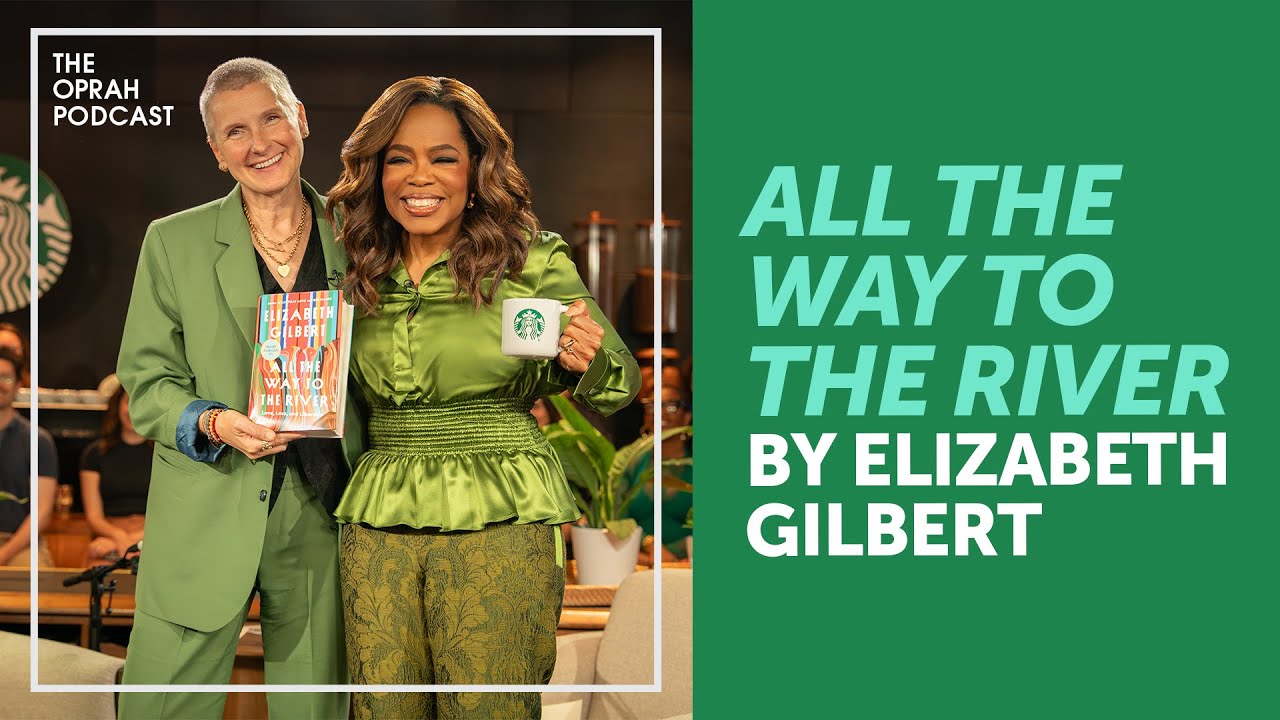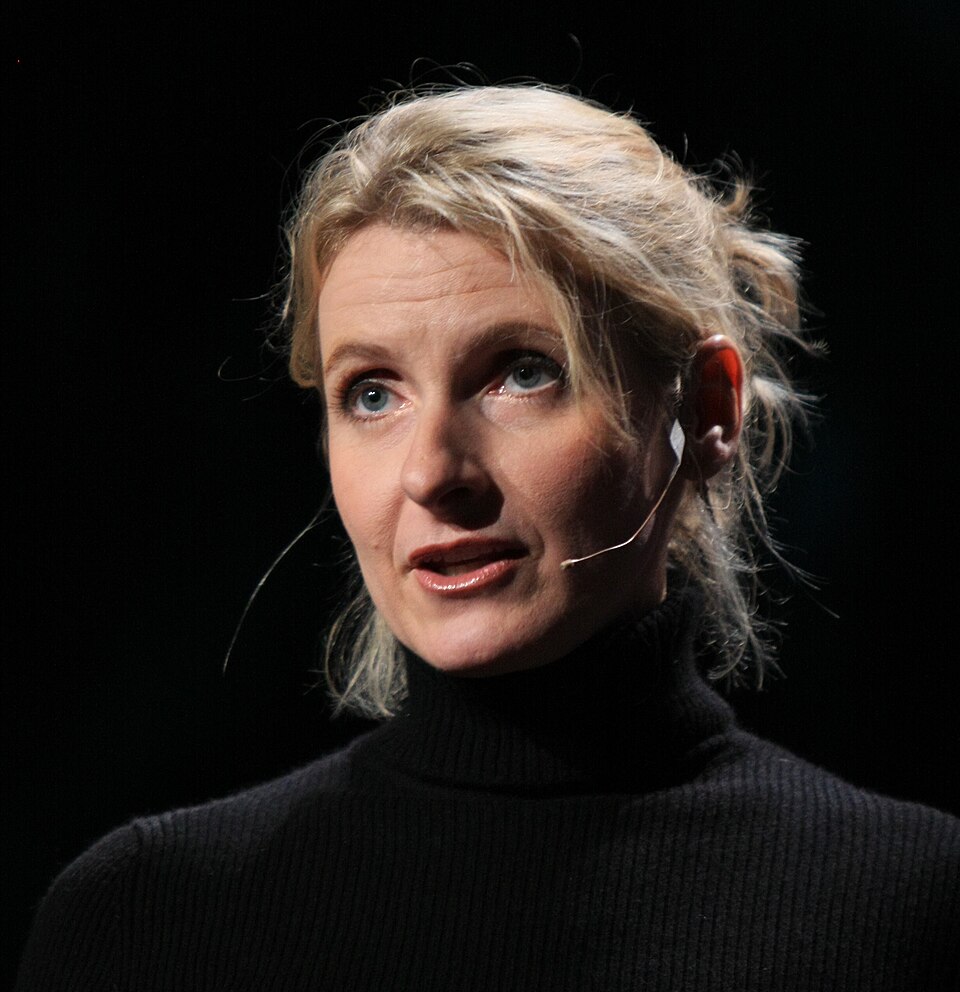
A 47-second clip titled "Rayya Singing," posted to Elizabeth Gilbert's YouTube channel on January 18, 2018, is about as spare as video gets. It has no transcript, no spoken introduction, and no description beyond its title. What it offers is a single act: a singing performance, captured briefly and shared without commentary. That is the most the material can honestly support, and this piece stays within it.
Start with the facts the platform supplies. The video runs 47 seconds. It was published on January 18, 2018, and had 18,259 views at the time of the record. Its title names a subject and an action, and little else. The description field is empty. Nothing in the material says what "Rayya" refers to. It could be a person, a song, a place, or a practice, and the material does not say which. Nor does it say what the singing belongs to, whether it is a performance, a practice, a piece of a larger work, or a private moment that was shared.
That silence shapes how the clip should be read. A short singing clip with no framing invites the viewer to supply the context, and it is easy to fill the gap with a story about the singer or the song. The more careful course is to name the gap. A reader who arrives looking for an explanation will leave with the honest answer: the clip is a moment of singing, and its meaning is not spelled out in the material available here.
For context outside this clip: Gilbert is best known as the author of Eat Pray Love, a memoir of travel and spiritual searching, and Big Magic, a book about creative living. Those books are not quoted or described in this piece, and nothing here should be read as a statement from them. They are simply the longer works where her thinking on creativity and the inner life is developed at length, which is more than 47 seconds can carry.
Watch the clip once with the sound on and let it stand on its own. If you want to understand how Gilbert approaches art, making, and the spiritual side of ordinary life, start with the longer books rather than trying to read meaning into a single short clip. Big Magic is the most direct entry point for her thinking on creative work, and Eat Pray Love offers her more personal account of seeking and devotion. Both give a reader far more to work with than this video does.