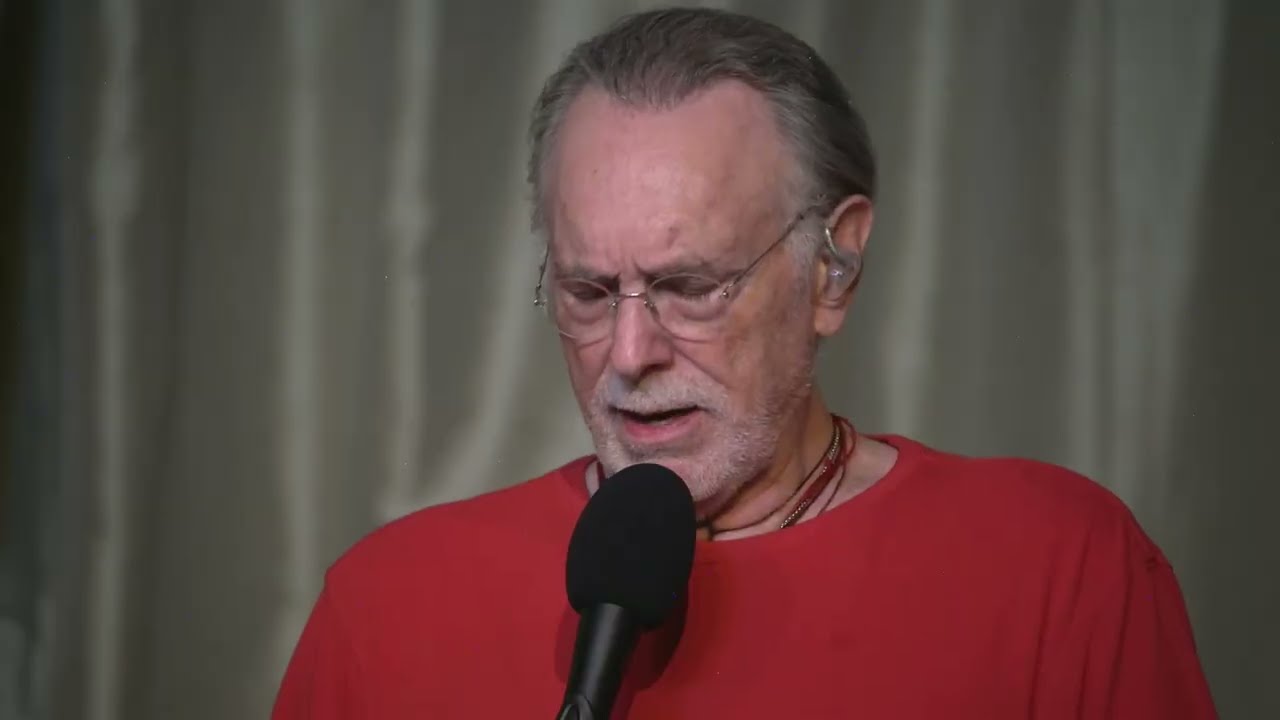
In this brief kirtan offering, the chant "Radha Radha Radha" opens a direct pathway to the heart of bhakti practice. The repetition of Radha's name—invoked again at the three-second mark as "Radha Nam"—serves as a mantric anchor, drawing the practitioner into the devotional current that flows through Hindu and Bengali spiritual traditions. The chant continues with an invocation to seek refuge at the feet of the divine ("Prabhu Shrion Tu Charnone"), bowing in reverence ("Pranam"), before expanding into a fuller melodic landscape that honors the sacred dwelling place ("He Maay Pure") and celebrates the divine's magnetic attraction over the mind ("Man Mohini Nandan").
Why Radha's Name Carries Transformative Power in Devotion
Radha holds a unique place in Hindu devotional theology. She represents not merely Krishna's beloved, but the archetypal expression of surrendered love—a consciousness wholly absorbed in the divine. In kirtan and bhakti practice, calling upon Radha's name is an act of invoking that quality within oneself: the capacity to love without reservation, to dissolve the boundary between lover and beloved.
The musical setting here—with its droning foundation and lyrical melodic line—creates an acoustic container for this inner work. The harmonium and voices work together to hold a meditative space where the repetition becomes less about intellectual understanding and more about direct transmission. Each iteration of "Radha Radha Radha" is an opportunity to soften the defensive walls of the ego and touch the vulnerability that true devotion requires.
The chant also roots itself in place and lineage: references to "Himalaya Dham" (the sacred mountain dwelling) and the broader invocation point toward the Himalayan spiritual traditions within which this practice lives. Such specificity grounds the universal principle—divine love—in particular sacred geography and teacher lineages, honoring the vessels through which these teachings have traveled.
Where to go from here
This short kirtan is an entry point. To deepen the practice of Radha-centered bhakti, seek out longer satsang and kirtan sessions with Satsang and related teachers in this lineage. The transformation these teachings offer unfolds not in moments but across a committed practice—chanting, listening, and allowing the heart's own recognition to awaken over time.