BrightStar

すべてのEventsを見る

意識ある集いに出会う

events

Yoga
Meditation
Breathwork
Qigong
Tai Chi
Sacred Music
World Music
Medicine Music
Sound Healing
Ecstatic Dance
人気の目的地
BaliSedonaLos AngelesCosta RicaNew YorkSan FranciscoAustinMiamiJoshua TreeTulum
すべてのカテゴリを見るすべての目的地を見る

すべての機能を探索

イベントを成長させる強力なツール

プラットフォーム機能

スマートダイナミックプライシング
チケットカテゴリ
座席指定
カート放棄リカバリー
訪問者リカバリー
寄付とスライディングスケール
アフィリエイトシステム
チケットスキャナー
クーポンコード
カスタム質問
チケット共有
アップセルとアドオン
分析とレポート
メールシーケンス
ウェイトリスト / 通知 / リマインダー
人と場所
Artists & TeachersEvent OrganizersVenues & StudiosKnowledge BaseGlossaryInspiration
すべての機能を見る私たちについて
料金ブログ
Language
Saved events
すべてのイベントを見る

events

YogaMeditationBreathworkQigongTai ChiSacred MusicWorld MusicMedicine Music

人気の目的地

BaliSedonaLos AngelesCosta RicaNew YorkSan Francisco

人と場所

Artists & TeachersEvent OrganizersVenues & StudiosKnowledge BaseGlossaryInspiration

プラットフォーム機能

スマートダイナミックプライシングチケットカテゴリ座席指定カート放棄リカバリー訪問者リカバリー寄付とスライディングスケールアフィリエイトシステムチケットスキャナークーポンコードカスタム質問チケット共有アップセルとアドオン分析とレポートメールシーケンスウェイトリスト / 通知 / リマインダー
すべての機能を見る私たちについて
料金ブログ
ログイン探求者クリエイター
  • すべてのイベントを見る
  • 探求者向け
  • ヨガ
  • 瞑想
  • ブレスワーク
  • 気功
  • 太極拳
  • 聖なる音楽
  • ワールドミュージック
  • メディスンミュージック
  • サウンドヒーリング
  • エクスタティックダンス
  • リトリート
  • ワークショップ
  • すべてのカテゴリ →
  • Bali
  • Sedona
  • Los Angeles
  • Costa Rica
  • Tulum
  • Byron Bay
  • San Francisco
  • Austin
  • New York
  • San Diego
  • Denver
  • Seattle
  • Portland
  • Miami
  • すべての都市 →
  • Join the Movement
  • Why we list
  • Sell Globally
  • クリエイター向け
  • チーム向け
  • ライター向け
  • 講師向け
  • キルタンアーティスト向け
  • スタジオ向け
  • フェスティバル向け
  • リトリートセンター向け
  • 非営利団体向け
  • ブランドアンバサダー
  • 事例紹介
  • 無料チケット販売
  • Elevate
  • Amplify
  • 50万人以上のバイヤーネットワーク
  • カート放棄リカバリー
  • スマートダイナミックプライシング
  • チケットカテゴリ
  • 定期イベント
  • 座席指定
  • アフィリエイトシステム
  • ウェイトリスト / 通知
  • チケットスキャナー
  • 埋め込みウィジェット
  • イベント配信
  • メッセージセンター
  • インテグレーション
  • レポート
  • すべての機能 →
  • 概要
  • エコシステム
  • ブログ
  • 用語集
  • インスピレーション
  • ヘルプセンター
  • お問い合わせ
  • APIドキュメント
  • ブランドアセット
  • 採用
  • プレス
  • 利用規約
  • プライバシーポリシー

イベント

  • すべてのイベントを見る
  • 探求者向け
  • ヨガ
  • 瞑想
  • ブレスワーク
  • 気功
  • 太極拳
  • 聖なる音楽
  • ワールドミュージック
  • メディスンミュージック
  • サウンドヒーリング
  • エクスタティックダンス
  • リトリート
  • ワークショップ
  • すべてのカテゴリ →

目的地

  • Bali
  • Sedona
  • Los Angeles
  • Costa Rica
  • Tulum
  • Byron Bay
  • San Francisco
  • Austin
  • New York
  • San Diego
  • Denver
  • Seattle
  • Portland
  • Miami
  • すべての都市 →

クリエイター向け

  • Join the Movement
  • Why we list
  • Sell Globally
  • クリエイター向け
  • チーム向け
  • ライター向け
  • 講師向け
  • キルタンアーティスト向け
  • スタジオ向け
  • フェスティバル向け
  • リトリートセンター向け
  • 非営利団体向け
  • ブランドアンバサダー
  • 事例紹介
  • 無料チケット販売
  • Elevate
  • Amplify

機能

  • 50万人以上のバイヤーネットワーク
  • カート放棄リカバリー
  • スマートダイナミックプライシング
  • チケットカテゴリ
  • 定期イベント
  • 座席指定
  • アフィリエイトシステム
  • ウェイトリスト / 通知
  • チケットスキャナー
  • 埋め込みウィジェット
  • イベント配信
  • メッセージセンター
  • インテグレーション
  • レポート
  • すべての機能 →

会社

  • 概要
  • エコシステム
  • ブログ
  • 用語集
  • インスピレーション
  • ヘルプセンター
  • お問い合わせ
  • APIドキュメント
  • ブランドアセット
  • 採用
  • プレス
  • 利用規約
  • プライバシーポリシー
BrightStar
© 2026 BrightStar. 全著作権所有.
Inspiration

Racism as a Generational Condition: Breaking Colonial Cycles in Australia

Xavier Rudd
Xavier Rudd
Aug 5, 2015
読了 約5分
視聴 · 7

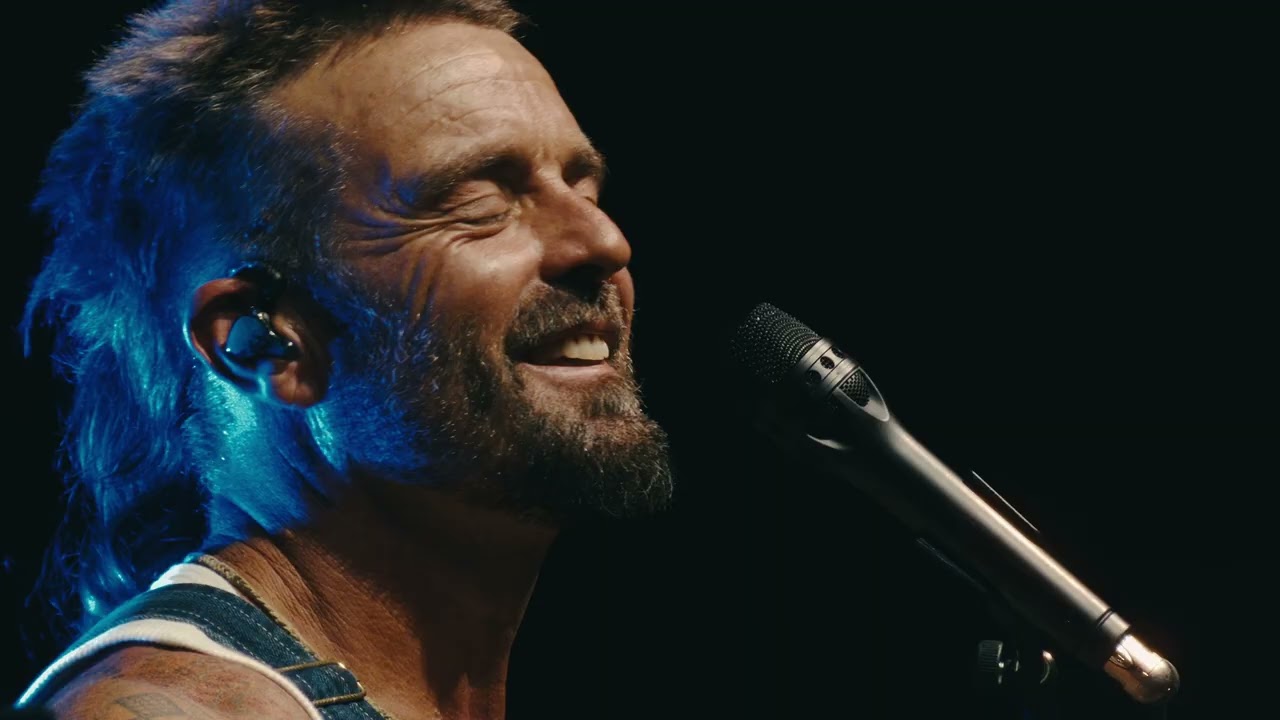
In a 2015 statement accompanying his song "Shame," Xavier Rudd reframes racism not as an innate human trait but as a learned, transmissible condition inherited from colonization and fragile historical moments. He argues that the ancient spirit of Australia—a connection to the land that passes through all of us—offers a counterforce to division, and that reconciliation depends on releasing guilt while confronting systemic racism head-on. Rather than blame individuals, Rudd calls for collective action to teach the next generation a different ancestral inheritance.

読む · 6セクション

Racism Is a Condition, Not Human Nature

Xavier Rudd opens with a provocative premise: racism isn't natural. In his framing, it is "a condition, an evil thread that's been passed through the generations from a dark and fragile time" (0:36-0:44). This distinction matters. By naming racism as a condition—something acquired, inherited, and transmissible—rather than an inevitable feature of human nature, Rudd positions it as something that can be unlearned and shed.

This perspective echoes both Indigenous knowledge systems and contemporary psychology: behaviors and beliefs rooted in historical trauma and systemic oppression become normalized and passed forward like a default setting. The specificity of his claim is that these racist currents have "run through this country since colonization" (0:06-0:09), making Australia's particular colonial history the soil from which this condition grows. It is not abstract; it is embedded in the structures, stories, and social inheritance of a nation.

Why Guilt and Shame Don't Serve Reconciliation

Rudd makes a counter-intuitive but crucial statement: "The injustices of the past are nobody's fault. No one needs to feel any guilt, shame or hurt" (0:46-0:51). This is not a dismissal of historical wrong. Rather, it is a strategic reframing of what reconciliation actually requires.

In conversations about colonization and ongoing racial injustice, guilt often becomes a barrier. Individuals who did not personally commit historical wrongs become paralyzed by inherited shame, or they defensively reject responsibility. Rudd's move is to separate the acknowledgment of systemic harm from personal culpability. You can recognize that racist systems exist and demand change without demanding that living people bear emotional punishment for crimes they did not commit. This allows for action without defensive posturing—a psychological opening for real dialogue.

Instead, Rudd calls to "lift that dark veil and shine a big bright light into this issue" (0:51-0:57). The metaphor shifts from shadow work (processing guilt and shame) to illumination and transparency. Reconciliation, in this frame, is not about emotional burden but about visibility and clarity.

The Ancient Spirit of the Land as a Counterforce to Division

Central to Rudd's argument is an appeal to what he calls "the true ancient spirit of this country" (0:62-0:65). This is not mystical language divorced from politics; it is rooted in Australia's Indigenous heritage and the deep relationship between humans and landscape that preceded European colonization by tens of thousands of years.

He argues that this spirit "whether we choose it or not passes through all of us and is a huge part of our connection to this amazing land" (0:68-0:76). In other words, all Australians—regardless of ancestral background—live on and draw from the same soil. That shared ground carries within it a different inheritance than racism: an interconnection with place and with each other that predates and transcends colonial divisions.

This is a nationalist argument reframed through reconciliation: unity is not a new invention but a return to something older and deeper than the racial hierarchies colonization imposed. Division, Rudd states, "goes against the true ancient spirit of this country" (0:62-0:65). It is not merely morally wrong; it is historically and spiritually out of alignment.

Teaching the Next Generation a Different Inheritance

Rudd's most practical statement is this: "Why not offer our children the opportunity to learn more of that spirit rather than subject them to more confusion and darkness?" (0:77-0:86). The choice he presents is not between teaching nothing and teaching guilt, but between two forms of inheritance: one rooted in division and historical trauma, the other rooted in land, relationship, and the possibility of walking together.

This frames anti-racism education not as burden-loading but as opening. Children taught about Australia's ancient spirit and the injustices that fragmented it are given tools for belonging and for understanding their place. They are not made responsible for fixing what adults broke; they are offered a different story about who Australians can be together.

The Song "Shame" as an Invitation to Reflection

Rudd released "Shame" in response to the Adam Goodes controversy—a moment when high-profile racism directed at an Indigenous athlete sparked public conversation. Rather than deliver a sermon or manifesto, he offered the song "as a chance to ponder the idea of change" (0:89-0:93). He calls it a tool to "keep the fire for reconciliation burning into the future" (0:94-0:97).

The song's title itself—"Shame"—might initially seem at odds with his statement that no one should feel shame. But the shame belongs to the systems and inherited conditions, not to the people awakening to them. Art, in Rudd's offering, becomes a space to sit with difficult feeling without being paralyzed by it, and to move toward action: "respect each other and this beautiful nation and learn to protect land together" (0:101-0:109).

Where to Go From Here

Rudd's 2015 statement remains relevant because it names a framework many reconciliation efforts skip over: the reframing of racism as learned rather than natural, the separation of systemic accountability from personal guilt, and the grounding of unity in something older than colonial division. If you are engaged in conversations about racism, national identity, or reconciliation, consider where guilt shows up and whether it serves action. Explore what "the ancient spirit" of place means in your own context—what existed before the divisions you inherit? And ask what story you are passing to the next generation: one of darkness and division, or one of shared connection to something deeper?
Comments

Loading the conversation…

Transcript

[0:01] Australia it's time to change the Grain

[0:03] and to walk together as one people the

[0:06] racist currents that have run through

[0:07] this country since colonization need to

[0:09] be Stamped Out

[0:11] forever issues like the current Adam

[0:13] Goods debacle are a worldwide

[0:16] embarrassment for this country I spent

[0:19] time with Adam at a Reconciliation

[0:20] conference in Melbourne and not only is

[0:22] he a great leader on and off the footy

[0:24] field he's a beautiful humble being who

[0:27] would like nothing more than for all

[0:30] people to learn and grow together as

[0:33] Australians from all ancestral

[0:36] backgrounds racism isn't natural it's a

[0:40] condition an evil thread that's been

[0:42] passed through the generations from a

[0:44] dark and fragile

[0:46] time the injustices of the past are

[0:48] nobody's fault no one needs to feel any

[0:51] guilt shame or hurt it's time to lift

[0:54] that dark Veil and shine a big bright

[0:57] light into this issue we have seen from

[1:00] the mistakes in the past that division

[1:02] doesn't work it goes against the true

[1:05] ancient Spirit of this country that we

[1:07] all love so

[1:08] much and that Spirit whether we choose

[1:11] it or not passes through all of us and

[1:13] is a huge part of our connection to this

[1:15] amazing

[1:17] land why not offer our children the

[1:20] opportunity to learn more of that Spirit

[1:22] rather than subject them to more

[1:24] confusion and

[1:26] darkness in light of this issue I would

[1:29] like to offer Australia and the world

[1:30] this song as a chance to ponder the idea

[1:33] of

[1:34] change to keep the fire for

[1:37] reconciliation burning into the future

[1:40] and

[1:41] overall respect each

[1:44] other and this beautiful

[1:46] nation and learn to protect land

[1:49] together

Xavier Rudd
ArtistXavier Rudd

Australian musician and yoga teacher who weaves folk, blues, and world music with spiritual themes, championing environmental consciousness and connection to nature through soulful…

プロフィールを見るウェブサイト
トピックを見る
Racism-australiaReconciliationColonizationIndigenous-landSystemic-racism

ご質問はありますか?

よくある質問

According to Xavier Rudd, racism is not natural—it is a learned condition passed through generations from colonization and historical trauma. By framing it as acquired rather than innate, he positions it as something that can be unlearned and transformed.
Rudd argues that guilt and shame—while understandable—can actually block reconciliation by making people defensive. Instead, he separates the acknowledgment of systemic injustice from personal culpability, allowing people to act and engage without emotional paralysis.
Rudd refers to Australia's Indigenous heritage and the deep human-land relationship that preceded European colonization. He argues this spirit is shared by all Australians regardless of ancestry and offers a counterforce to racist division.
Rudd released 'Shame' to respond to the high-profile racism the Indigenous athlete experienced. He offered the song as a space to reflect on change and 'keep the fire for reconciliation burning,' rather than deliver a political statement alone.
Rudd suggests offering children the opportunity to learn about the 'ancient spirit' and shared connection to land, rather than subjects to confusion and historical division. This reframes learning as access to deeper belonging rather than inherited responsibility.
To 'change the grain' means to shift the fundamental direction and pattern of Australian culture away from racist division toward unity grounded in shared connection to the land and ancient spiritual principles.

読みつづける

More from Xavier

すべて表示
Music as Spirit Medicine: Touching Souls Through Sound
Inspire

Music as Spirit Medicine: Touching Souls Through Sound

Xavier Rudd explores how music serves as a bridge to the spirit world, allowing us to access realms beyond words and touch the souls of othe…

1 min read
Let Me Be: Finding Freedom in Acts of Humanity
Inspire

Let Me Be: Finding Freedom in Acts of Humanity

Xavier Rudd performs "Let Me Be," a song written after 9/11 to counter fear with joy, accompanied by 8000 Belgian fans in this live Forest N…

1 min read
Unawakened Human Condition and Everyday Presence
Inspire

Unawakened Human Condition and Everyday Presence

Explore how presence becomes the key to personal power and how individual awakening can reshape collective consciousness and society.…

1 min read
Self-Forgiveness & Reconciliation: The Practice of Transforming Past Harm
Inspire

Self-Forgiveness & Reconciliation: The Practice of Transforming Past Harm

Thich Nhat Hanh teaches how mindfulness can heal guilt from the past and rebuild relationships through genuine inner transformation and stro…

1 min read

探索を続ける

旅をつづける

BrightStarのディレクトリから、さらなる智慧と集いを。

もっと記事を読む

教え、インタビュー、ガイドのライブラリ全体をご覧ください。

すべての記事に戻る →

講師とアーティスト

コンシャスな世界の系譜、音楽家、導き手を探しましょう。

アーティストを探す →

イベントを見つける

キルタン、リトリート、サウンドバス、ブレスワーク、フェスティバル — まもなく開かれます。

イベントを見る →