BrightStar

すべてのEventsを見る

意識ある集いに出会う

events

Yoga
Meditation
Breathwork
Qigong
Tai Chi
Sacred Music
World Music
Medicine Music
Sound Healing
Ecstatic Dance
人気の目的地
BaliSedonaLos AngelesCosta RicaNew YorkSan FranciscoAustinMiamiJoshua TreeTulum
すべてのカテゴリを見るすべての目的地を見る

すべての機能を探索

イベントを成長させる強力なツール

プラットフォーム機能

スマートダイナミックプライシング
チケットカテゴリ
座席指定
カート放棄リカバリー
訪問者リカバリー
寄付とスライディングスケール
アフィリエイトシステム
チケットスキャナー
クーポンコード
カスタム質問
チケット共有
アップセルとアドオン
分析とレポート
メールシーケンス
ウェイトリスト / 通知 / リマインダー
人と場所
Artists & TeachersEvent OrganizersVenues & StudiosKnowledge BaseGlossaryInspiration
すべての機能を見る私たちについて
料金ブログ
Language
Saved events
すべてのイベントを見る

events

YogaMeditationBreathworkQigongTai ChiSacred MusicWorld MusicMedicine Music

人気の目的地

BaliSedonaLos AngelesCosta RicaNew YorkSan Francisco

人と場所

Artists & TeachersEvent OrganizersVenues & StudiosKnowledge BaseGlossaryInspiration

プラットフォーム機能

スマートダイナミックプライシングチケットカテゴリ座席指定カート放棄リカバリー訪問者リカバリー寄付とスライディングスケールアフィリエイトシステムチケットスキャナークーポンコードカスタム質問チケット共有アップセルとアドオン分析とレポートメールシーケンスウェイトリスト / 通知 / リマインダー
すべての機能を見る私たちについて
料金ブログ
ログイン探求者クリエイター
  • すべてのイベントを見る
  • 探求者向け
  • ヨガ
  • 瞑想
  • ブレスワーク
  • 気功
  • 太極拳
  • 聖なる音楽
  • ワールドミュージック
  • メディスンミュージック
  • サウンドヒーリング
  • エクスタティックダンス
  • リトリート
  • ワークショップ
  • すべてのカテゴリ →
  • Bali
  • Sedona
  • Los Angeles
  • Costa Rica
  • Tulum
  • Byron Bay
  • San Francisco
  • Austin
  • New York
  • San Diego
  • Denver
  • Seattle
  • Portland
  • Miami
  • すべての都市 →
  • Join the Movement
  • Why we list
  • Sell Globally
  • クリエイター向け
  • チーム向け
  • ライター向け
  • 講師向け
  • キルタンアーティスト向け
  • スタジオ向け
  • フェスティバル向け
  • リトリートセンター向け
  • 非営利団体向け
  • ブランドアンバサダー
  • 無料チケット販売
  • Elevate
  • Amplify
  • 50万人以上のバイヤーネットワーク
  • カート放棄リカバリー
  • スマートダイナミックプライシング
  • チケットカテゴリ
  • 定期イベント
  • 座席指定
  • アフィリエイトシステム
  • ウェイトリスト / 通知
  • チケットスキャナー
  • 埋め込みウィジェット
  • イベント配信
  • メッセージセンター
  • インテグレーション
  • レポート
  • すべての機能 →
  • 概要
  • エコシステム
  • ブログ
  • 用語集
  • インスピレーション
  • ヘルプセンター
  • お問い合わせ
  • APIドキュメント
  • ブランドアセット
  • 採用
  • プレス
  • 利用規約
  • プライバシーポリシー

イベント

  • すべてのイベントを見る
  • 探求者向け
  • ヨガ
  • 瞑想
  • ブレスワーク
  • 気功
  • 太極拳
  • 聖なる音楽
  • ワールドミュージック
  • メディスンミュージック
  • サウンドヒーリング
  • エクスタティックダンス
  • リトリート
  • ワークショップ
  • すべてのカテゴリ →

目的地

  • Bali
  • Sedona
  • Los Angeles
  • Costa Rica
  • Tulum
  • Byron Bay
  • San Francisco
  • Austin
  • New York
  • San Diego
  • Denver
  • Seattle
  • Portland
  • Miami
  • すべての都市 →

クリエイター向け

  • Join the Movement
  • Why we list
  • Sell Globally
  • クリエイター向け
  • チーム向け
  • ライター向け
  • 講師向け
  • キルタンアーティスト向け
  • スタジオ向け
  • フェスティバル向け
  • リトリートセンター向け
  • 非営利団体向け
  • ブランドアンバサダー
  • 無料チケット販売
  • Elevate
  • Amplify

機能

  • 50万人以上のバイヤーネットワーク
  • カート放棄リカバリー
  • スマートダイナミックプライシング
  • チケットカテゴリ
  • 定期イベント
  • 座席指定
  • アフィリエイトシステム
  • ウェイトリスト / 通知
  • チケットスキャナー
  • 埋め込みウィジェット
  • イベント配信
  • メッセージセンター
  • インテグレーション
  • レポート
  • すべての機能 →

会社

  • 概要
  • エコシステム
  • ブログ
  • 用語集
  • インスピレーション
  • ヘルプセンター
  • お問い合わせ
  • APIドキュメント
  • ブランドアセット
  • 採用
  • プレス
  • 利用規約
  • プライバシーポリシー
BrightStar
アプリを入手
App StoreからApp StoreGoogle Playで手に入れようGoogle Play
© 2026 BrightStar. 全著作権所有.
Inspiration

Raag Kalyaan in Live Concert: Indian Classical Music

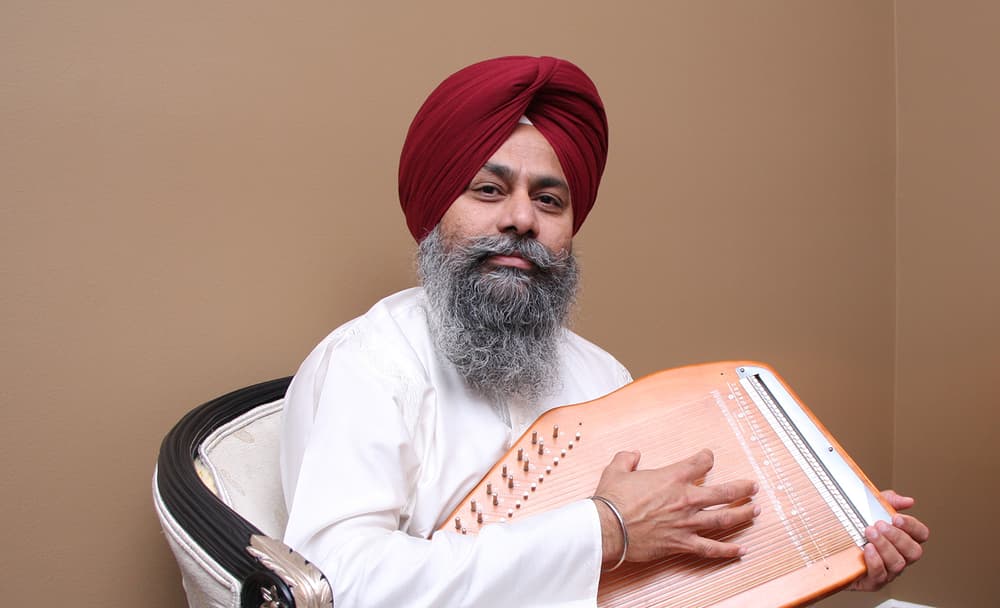
Professor Paramjeet Singh
Jan 3, 2015
読了 約5分

出典:ProfessorParamjeet

This is a live performance of Raag Kalyaan, one of classical Indian music's most celebrated ragas, known for its jubilant, auspicious character. Raag Kalyaan features a pentatonic scale (lacking the flat second and flat seventh notes) that creates its distinctive brightening quality, traditionally associated with celebrations and morning performances. The raga demands sophisticated ornamentation and melodic exploration to reveal its full emotional and spiritual depth within the constraints of its scalar rules.

読む · 6セクション

What Is Raag Kalyaan in Indian Classical Music?

Raag Kalyaan is one of the most revered ragas in Hindustani (North Indian) classical music tradition. The name itself carries meaning: "Kalyaan" refers to auspiciousness, welfare, and well-being. This raga is traditionally performed during morning hours and at celebratory occasions, weddings, and festivals. Its sound embodies an ascending, uplifting quality that listeners often describe as joyful, radiant, and spiritually elevating.

The raga belongs to the Kalyan thaat (framework family), one of the ten principal organizing systems in Hindustani music. Raag Kalyaan is considered the archetypal raga of its thaat—it is, in many respects, the definitive expression of the Kalyan sonority and philosophy.

How Does Raag Kalyaan's Scale Create Its Sound?

Raag Kalyaan uses a pentatonic ascending scale (arohi) that excludes two chromatic degrees: the flat second (komal re) and the flat seventh (komal nish). This creates a scale of five ascending notes, often depicted as:

  • Sa (tonic) – the root and anchor
  • Shuddh Re (natural second) – major second
  • Shuddh Ga (natural third) – major third
  • Shuddh Ma (natural/perfect fourth) – perfect fourth
  • Pa (perfect fifth) – perfect fifth
  • Shuddh Dha (natural sixth) – major sixth
  • Shuddh Ni (natural seventh) – major seventh
  • Sa (octave) – return to tonic

In descent, the scale remains largely the same but may introduce slight variations in how certain notes are approached or emphasized, reflecting the raga's preference for brightness and clarity. The absence of the lowered versions of the second and seventh creates a luminous, untarnished quality—no dark or shadowy tones cloud the raga's essential character.

What Are the Emotional and Spiritual Qualities of This Raga?

Raag Kalyaan is associated with a spectrum of positive emotional and spiritual states. Practitioners describe the raga as expressing:

  • Celebration and joy – its bright, ascending contour naturally suggests festivity
  • Auspiciousness and blessing – the literal meaning of the name shapes its cultural and spiritual context
  • Clarity and illumination – the absence of lowered degrees creates a sense of transparency
  • Devotion and spiritual aspiration – it is used extensively in Sikh devotional music (kirtan) and Hindu classical contexts
  • Completeness and wholeness – as the thaat-raga, it represents the full expression of the Kalyan family's sonic potential

In performance, a skilled musician uses these inherent qualities as a foundation and explores them through ornamental phrasing, rhythmic variation, and melodic dialogue with percussion and accompaniment.

How Is Raag Kalyaan Performed and Explored?

A live performance of Raag Kalyaan typically unfolds in multiple sections, each designed to deepen the listener's immersion in the raga's world:

Alap: The opening, unmetered section where the musician introduces the raga's characteristic phrases and ornamentation without accompanying percussion. This is the space where the raga's personality emerges through slow, meditative exploration of the notes and their relationships. The alap allows the performer to establish the emotional and sonic foundation that the entire performance will build upon.

Jor and Jhala: Gradually accelerating sections that introduce a sense of forward motion and rhythmic pulse before the formal entry of the tabla (drums). The performer explores melodic phrases with increasing velocity, creating momentum and excitement while remaining true to the raga's rules and character.

Bandish (Composition): The entrance of a fixed melodic composition set to a specific rhythmic cycle (taal). The musician and accompanying percussionist engage in call-and-response, improvisation around the melodic theme, and rhythmic interplay. This is where the raga's inherent joy and celebratory quality often shine most vividly.

Improvisation within constraints: Throughout, the performer demonstrates technical mastery by ornamenting notes, exploring different registers, creating tension and release, and inventing melodic passages that surprise the listener while adhering strictly to the raga's scalar boundaries and emotional trajectory.

Why Is This Raga Significant in Indian Music Culture?

Raag Kalyaan holds a special place in both Hindustani classical and devotional music traditions. It is frequently chosen for auspicious occasions—weddings, temple celebrations, and spiritual gatherings—because its sound is believed to invoke positive energy and blessing. In Sikh gurdwaras (temples), it appears regularly in kirtan (devotional singing).

The raga also serves as an excellent introduction to classical Indian music for listeners new to the tradition. Its ascending simplicity, lack of dissonant lowered intervals, and inherently jubilant character make it more immediately accessible than ragas with darker or more complex scalar structures. Yet despite this accessibility, Raag Kalyaan offers endless depths for musicians to explore—master performers spend lifetimes refining their interpretation of its nuances.

The performance tradition itself—a live concert recording—embodies a core value of Indian classical music: the spontaneous, moment-by-moment creation of music within the framework of tradition. Each performance is unique, shaped by the musician's creative imagination, the context, the accompanists, and the receptivity of the audience.

Where to Go From Here

To deepen your understanding of Raag Kalyaan, explore recordings by master musicians in the Hindustani tradition and listen actively to the raga's emerging character across different performances. Notice how the same raga expresses itself differently in the hands of different maestros. Study the structure of the scale and its scalar rules, then listen again with awareness of which notes appear most frequently and which are approached with characteristic ornaments. Investigate the relationship between this raga and others in the Kalyan thaat family. If you have interest in Sikh or Hindu devotional music, explore how Raag Kalyaan functions in kirtan and sacred contexts. Finally, consider how the raga's inherent joyfulness and auspiciousness might inform your own listening practice—allow the music's uplifting quality to work on your consciousness directly, without requiring analytical understanding.

Comments

Loading the conversation…

出演

この記事のアーティスト

Professor Paramjeet Singh
Musician

Professor Paramjeet Singh is an Indian classical vocalist and scholar of kirtan, the devotional singing tradition rooted in Hindu, Sufi, and Sikh spiritual practice. Known for his…

トピックを見る
Raag-kalyaanHindustani-classicalIndian-musicKirtanRaga-theory

ご質問はありますか?

よくある質問

Raag Kalyaan is a classical Indian raga known for its bright, auspicious character. The name "Kalyaan" means auspiciousness, welfare, and well-being—reflecting the raga's association with celebratory occasions, weddings, and spiritual gatherings. It is the archetypal raga of the Kalyan thaat family.
Raag Kalyaan uses a pentatonic ascending scale that excludes the flat second and flat seventh degrees, creating a bright, luminous sound. Its ascending sequence includes sa, shuddh re, shuddh ga, shuddh ma, pa, shuddh dha, and shuddh ni—all natural (non-flattened) intervals.
Raag Kalyaan is a morning raga traditionally performed at sunrise or during auspicious hours. It is especially popular for weddings, festivals, temple celebrations, and Sikh devotional contexts where its joyful, blessing-invoking quality is valued.
Musicians explore the raga through structured sections: an unmetered alap introduces the raga's character, jor and jhala accelerate the tempo, and a bandish (fixed composition) anchors improvisation with rhythmic cycles. Throughout, performers ornament notes and create melodic passages while strictly adhering to the raga's scalar rules.
Raag Kalyaan's bright, uplifting quality and association with auspiciousness and spiritual blessing make it ideal for Sikh devotional singing. Its luminous sound naturally carries the intention of invoking divine blessing and positive energy in worship contexts.
Raag Kalyaan's pentatonic structure and absence of lowered intervals create an untarnished, radiant brightness distinct from ragas that use minor or diminished intervals. This gives it an unmistakably joyful, celebratory character and makes it more accessible to listeners new to Indian classical music.

読みつづける

More from Professor Paramjeet Singh

すべて表示
Raag-Based Gurbani Kirtan: The Beauty of Mere Laalan Ki Sobha
Inspire

Raag-Based Gurbani Kirtan: The Beauty of Mere Laalan Ki Sobha

Learn how raag-based Gurbani kirtan preserves authentic Sikh devotional music through the shabad "Mere Laalan Ki Sobha," performed in classi…

7 min read
Raag-Based Gurbani Kirtan: Tukhari, Bhairavi, and Classical Tradition
Inspire

Raag-Based Gurbani Kirtan: Tukhari, Bhairavi, and Classical Tradition

Experience the spiritual depth of Patiala Gharana kirtan through rare raags and Gurbani compositions. A live performance honoring classical …

8 min read
Flowers, Tapas, and the Open-Heart Field in Live Kirtan
Inspire

Flowers, Tapas, and the Open-Heart Field in Live Kirtan

A Friday-night livestream opens with names read aloud, a Sarasvati invocation, and flowers offered through the chat. Here is how the teacher…

9 min read
Namo Namo: The Devotional Song Sung Back to a Teacher
Inspire

Namo Namo: The Devotional Song Sung Back to a Teacher

A three-minute devotional song, written by Sutara and Omkara and shared with a sangha room in June 2026, turns a teacher's teaching into a c…

8 min read

探索を続ける

旅をつづける

BrightStarのディレクトリから、さらなる智慧と集いを。

もっと記事を読む

教え、インタビュー、ガイドのライブラリ全体をご覧ください。

すべての記事に戻る →

講師とアーティスト

コンシャスな世界の系譜、音楽家、導き手を探しましょう。

アーティストを探す →

イベントを見つける

キルタン、リトリート、サウンドバス、ブレスワーク、フェスティバル — まもなく開かれます。

イベントを見る →