BrightStar

すべてのEventsを見る

意識ある集いに出会う

events

Yoga
Meditation
Breathwork
Qigong
Tai Chi
Sacred Music
World Music
Medicine Music
Sound Healing
Ecstatic Dance
人気の目的地
BaliSedonaLos AngelesCosta RicaNew YorkSan FranciscoAustinMiamiJoshua TreeTulum
すべてのカテゴリを見るすべての目的地を見る

すべての機能を探索

イベントを成長させる強力なツール

プラットフォーム機能

スマートダイナミックプライシング
チケットカテゴリ
座席指定
カート放棄リカバリー
訪問者リカバリー
寄付とスライディングスケール
アフィリエイトシステム
チケットスキャナー
クーポンコード
カスタム質問
チケット共有
アップセルとアドオン
分析とレポート
メールシーケンス
ウェイトリスト / 通知 / リマインダー
人と場所
Artists & TeachersEvent OrganizersVenues & StudiosKnowledge BaseGlossaryInspiration
すべての機能を見る私たちについて
料金ブログ
Language
Saved events
すべてのイベントを見る

events

YogaMeditationBreathworkQigongTai ChiSacred MusicWorld MusicMedicine Music

人気の目的地

BaliSedonaLos AngelesCosta RicaNew YorkSan Francisco

人と場所

Artists & TeachersEvent OrganizersVenues & StudiosKnowledge BaseGlossaryInspiration

プラットフォーム機能

スマートダイナミックプライシングチケットカテゴリ座席指定カート放棄リカバリー訪問者リカバリー寄付とスライディングスケールアフィリエイトシステムチケットスキャナークーポンコードカスタム質問チケット共有アップセルとアドオン分析とレポートメールシーケンスウェイトリスト / 通知 / リマインダー
すべての機能を見る私たちについて
料金ブログ
ログイン探求者クリエイター
  • すべてのイベントを見る
  • 探求者向け
  • ヨガ
  • 瞑想
  • ブレスワーク
  • 気功
  • 太極拳
  • 聖なる音楽
  • ワールドミュージック
  • メディスンミュージック
  • サウンドヒーリング
  • エクスタティックダンス
  • リトリート
  • ワークショップ
  • すべてのカテゴリ →
  • Bali
  • Sedona
  • Los Angeles
  • Costa Rica
  • Tulum
  • Byron Bay
  • San Francisco
  • Austin
  • New York
  • San Diego
  • Denver
  • Seattle
  • Portland
  • Miami
  • すべての都市 →
  • Join the Movement
  • Sell Globally
  • クリエイター向け
  • チーム向け
  • ライター向け
  • 講師向け
  • キルタンアーティスト向け
  • スタジオ向け
  • フェスティバル向け
  • リトリートセンター向け
  • 非営利団体向け
  • ブランドアンバサダー
  • 事例紹介
  • 無料チケット販売
  • Elevate
  • Amplify
  • 50万人以上のバイヤーネットワーク
  • カート放棄リカバリー
  • スマートダイナミックプライシング
  • チケットカテゴリ
  • 定期イベント
  • 座席指定
  • アフィリエイトシステム
  • ウェイトリスト / 通知
  • チケットスキャナー
  • 埋め込みウィジェット
  • イベント配信
  • メッセージセンター
  • インテグレーション
  • レポート
  • すべての機能 →
  • 概要
  • エコシステム
  • ブログ
  • 用語集
  • インスピレーション
  • ヘルプセンター
  • お問い合わせ
  • APIドキュメント
  • ブランドアセット
  • 採用
  • プレス
  • 利用規約
  • プライバシーポリシー

イベント

  • すべてのイベントを見る
  • 探求者向け
  • ヨガ
  • 瞑想
  • ブレスワーク
  • 気功
  • 太極拳
  • 聖なる音楽
  • ワールドミュージック
  • メディスンミュージック
  • サウンドヒーリング
  • エクスタティックダンス
  • リトリート
  • ワークショップ
  • すべてのカテゴリ →

目的地

  • Bali
  • Sedona
  • Los Angeles
  • Costa Rica
  • Tulum
  • Byron Bay
  • San Francisco
  • Austin
  • New York
  • San Diego
  • Denver
  • Seattle
  • Portland
  • Miami
  • すべての都市 →

クリエイター向け

  • Join the Movement
  • Sell Globally
  • クリエイター向け
  • チーム向け
  • ライター向け
  • 講師向け
  • キルタンアーティスト向け
  • スタジオ向け
  • フェスティバル向け
  • リトリートセンター向け
  • 非営利団体向け
  • ブランドアンバサダー
  • 事例紹介
  • 無料チケット販売
  • Elevate
  • Amplify

機能

  • 50万人以上のバイヤーネットワーク
  • カート放棄リカバリー
  • スマートダイナミックプライシング
  • チケットカテゴリ
  • 定期イベント
  • 座席指定
  • アフィリエイトシステム
  • ウェイトリスト / 通知
  • チケットスキャナー
  • 埋め込みウィジェット
  • イベント配信
  • メッセージセンター
  • インテグレーション
  • レポート
  • すべての機能 →

会社

  • 概要
  • エコシステム
  • ブログ
  • 用語集
  • インスピレーション
  • ヘルプセンター
  • お問い合わせ
  • APIドキュメント
  • ブランドアセット
  • 採用
  • プレス
  • 利用規約
  • プライバシーポリシー
BrightStar
© 2026 BrightStar. 全著作権所有.
Inspiration

Oasis Cover 'Stop Crying Your Heart Out' on The Voice UK Blind Auditions

Abi Sampa
Abi Sampa
May 4, 2013
読了 約6分
視聴 · 5
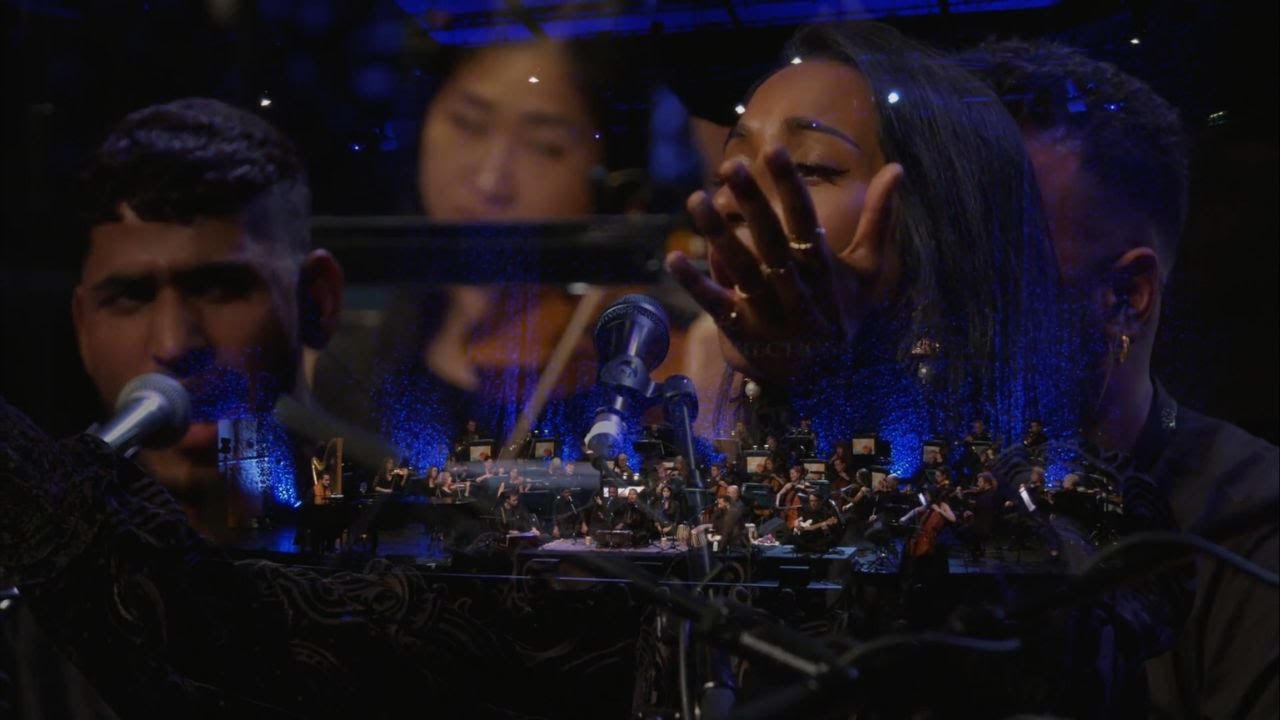
Abi Sampa performs the Oasis ballad "Stop Crying Your Heart Out" during her blind audition on The Voice UK 2013. The performance captures the song's emotional arc—moving from introspective verses about vulnerability and acceptance through to a powerful chorus emphasizing emotional release—with control and sincerity that draws immediate applause from the judging panel. The rendition demonstrates how a familiar pop-rock track can be reinterpreted with vocal nuance and emotional authenticity in a competitive singing context.

読む · 7セクション

The Choice of Song: Why "Stop Crying Your Heart Out" Works for a Blind Audition

Abi Sampa selected "Stop Crying Your Heart Out," a mid-tempo ballad by British rock band Oasis released in the early 2000s. This song presents specific challenges and opportunities for an audition context. The track is immediately recognizable to a general audience, which means judges and viewers come with expectations about the melody and emotional tone. However, it also provides a vocal stage where a performer can demonstrate control over both restraint and release—two qualities that blind audition formats explicitly reward.

The song's structure invites this kind of interpretive flexibility. Rather than relying on technical flash, the composition emphasizes lyrical content and emotional positioning. For a format like The Voice UK's blind auditions, where judges turn their chairs based on vocal merit without visual influence, a song built around emotional honesty rather than spectacle can be particularly effective.

Opening Verses: Building Emotional Foundation Through Restraint

Sampa begins with the song's opening phrases at approximately 0:10 seconds in the performance. The early verses establish the emotional frame: "Hold on, hold up, don't be scared / You'll never change with being afraid." These lines set up the song's central tension—the struggle between remaining frozen in pain and moving forward.

The vocal delivery in this section prioritizes clarity and melodic fidelity to the original composition. Rather than oversinging or adding elaborate embellishment, Sampa tracks the written melody closely. This approach serves the blind audition format well: judges can assess pitch accuracy, breath control, and emotional intention without distraction. The restraint also creates dynamic space—if the early verses remain measured, the later chorus material can land with greater impact.

The thematic content of these verses—acceptance that change requires facing fear—aligns with the psychological stakes of a live audition itself. Sampa's positioning of the song thus becomes subtly meta: she is performing a song about courage while demonstrating the vocalization of that same courage.

The Chorus and Emotional Peak: "Stop Crying Your Heart Out"

Around 0:48 seconds, Sampa reaches the chorus: "Stop crying your heart out." This is the compositional peak—the moment where the song's emotional payload resolves into direct address. The chorus articulates the song's central instruction: cessation of suffering, acceptance of separation ("you'll be there someday"), and the permission to move on ("take what you need and be on your way").

Vocally, this is where Sampa commits more fully to volume and emotional projection. The chorus demands a different energy than the verses. It is a statement, not a rumination. Judges at The Voice are trained to notice whether a performer can shift emotional gears—whether they understand a song's architecture and can deliver distinct emotional moments with appropriate vocal weight.

At 0:53 seconds, immediately following the first chorus, the judges' applause erupts. This timing is significant: they are responding not to the end of the performance (which continues), but to the successful execution of this critical emotional passage. The applause suggests the judges recognized Sampa's vocal control and interpretive clarity in that moment.

Structural Repetition and Vocal Consistency

The performance then moves into a repeated section, beginning again at approximately 0:85 seconds with "pretty good are faded away." The structure mirrors the earlier material—another verse-like passage followed by another chorus statement. This repetition is intentional in the original song's composition, but it also serves the audition context by giving judges a second opportunity to assess whether Sampa's interpretation is consistent or whether she is varying her approach.

Consistency in a blind audition is often underestimated. Judges need to trust that what they hear is a reliable representation of the artist's ability. If a performer nails the first chorus but falters on the second, it signals either a technical limitation or emotional instability. Sampa's repeated execution of the material—the return to "you'll be there someday, take what you need on your way and stop"—demonstrates sustained vocal quality and emotional focus through the performance arc.

The second applause at approximately 1:11 seconds suggests the judges' assessment has solidified: they have now heard enough material to make a turning-chair decision.

What This Audition Reveals About Vocal and Emotional Performance

The two-minute performance compresses multiple dimensions of vocal artistry into a tight frame. Sampa demonstrates pitch accuracy, dynamic control (the ability to shift from softer verses to more projected chorus material), emotional clarity, and song interpretation. She does not distort the original melody beyond recognition, nor does she perform it as a mere recitation. Instead, she inhabits the emotional logic the song proposes.

In the context of a competition show like The Voice, this balance is critical. The format explicitly requires judges to evaluate voices and artistry based on sound alone (the "blind" element). A performance that is technically accomplished but emotionally hollow will not move judges to turn their chairs. Conversely, a performance that is emotionally committed but vocally imprecise will also fail to impress. Sampa's rendition suggests she understands both demands and executes them in tandem.

The Broader Role of Ballad Performance in Blind Auditions

Mid-tempo ballads like "Stop Crying Your Heart Out" occupy a specific niche in blind audition performance strategy. They are neither high-energy crowd-pleasers nor technically virtuosic display pieces. Instead, they are vehicles for emotional communication. A ballad audition succeeds or fails based on whether the audience (and the judges) believe the performer is genuinely moved by the material or simply executing it.

Sampa's choice suggests confidence in her ability to convey sincerity through vocal tone and phrasing choices. She is not leaning on a song's pop familiarity to carry her; she is asking judges to listen to how she sings rather than what she sings. For a competition where blind auditions are the format, this is a sophisticated strategic choice.

Where to Go From Here

If you are interested in understanding blind audition performance strategy, Abi Sampa's rendition of "Stop Crying Your Heart Out" offers a case study in how artists navigate recognition ballads. The performance balances fidelity to the original composition with enough interpretive space to showcase individual artistry. It demonstrates that a vocal performance does not need to reinvent a familiar song to be effective in a competitive context—it needs instead to prove that the performer understands the song's emotional content and can deliver it with technical competence and genuine feeling.

For singers preparing auditions, this performance illustrates the value of choosing material that allows for emotional clarity and vocal control rather than constant technical display. For viewers interested in how competition shows evaluate talent, Sampa's audition and the judges' immediate response shows how quickly trained listeners can assess vocal quality and emotional authenticity when distraction (visual elements) is removed.

]]>
Comments

Loading the conversation…

Transcript

[0:01] [Music]

[0:10] hold

[0:15] on hold

[0:21] up don't be

[0:26] scared you'll never change with being a

[0:30] and

[0:32] go the all of the

[0:36] stars are fading

[0:39] away to run out to

[0:42] our you'll be there

[0:45] somay take what you

[0:48] need and be on your way and stop crying

[0:53] your heart out

[1:01] [Applause]

[1:04] pretty

[1:25] good are faded away

[1:32] you'll be there

[1:34] someday take what you

[1:38] need on your way and stop

[1:51] [Applause]

Abi Sampa
ArtistAbi Sampa

Abi Sampa is a singer and qawwali artist who holds an Associate Artist residency at the Royal Albert Hall in London. She performs with the Orchestral Qawwali Project in collaborati…

プロフィールを見るウェブサイト
トピックを見る
Blind-auditionsOasis-coverVocal-performanceThe-voice-ukBallad-singing

ご質問はありますか?

よくある質問

Ballads like 'Stop Crying Your Heart Out' prioritize emotional communication and vocal control over technical display. Without visual elements to distract judges, singers must demonstrate sincerity, pitch accuracy, and dynamic range—the ability to shift emotional gears between verses and choruses. A ballad's success depends on whether judges believe the performer genuinely understands and connects with the material's emotional content.
Judges would have evaluated Abi Sampa's pitch accuracy, breath control, dynamic consistency (shifting volume and tone between verses and chorus), and emotional authenticity. The two applause moments suggest the judges recognized her ability to execute the critical chorus moment with appropriate vocal weight and to maintain quality throughout the repeated structural sections.
When performing a well-known song like an Oasis track, judges and audiences arrive with expectations about the melody, phrasing, and emotional tone. Any deviation or lack of sincerity becomes immediately noticeable. However, a recognizable ballad also allows performers to focus on interpretation and emotional clarity rather than novelty—the song's familiarity can paradoxically create space for authenticity.
Blind auditions remove visual elements (appearance, stage presence, movement), forcing judges to focus entirely on vocal quality, emotional clarity, and interpretive choices. This format rewards singers who rely on sincerity, technical accuracy, and emotional authenticity rather than visual spectacle. It makes the voice itself—and how it conveys meaning—the sole basis for evaluation.
Mid-performance applause, as occurred after Sampa's first chorus around 0:53 seconds, indicates judges have already assessed enough material to recognize vocal merit and emotional clarity. The applause suggests a successful execution of a critical moment in the song—in this case, the powerful chorus that serves as the emotional climax. It often signals that judges are strongly considering turning their chairs.

読みつづける

More from Abi

すべて表示
Rubaru: Orchestral Qawwali and the Dance of Divine Nearness
Inspire

Rubaru: Orchestral Qawwali and the Dance of Divine Nearness

An original experiential poem where qawwali meets orchestra, exploring the soul's journey from ego-bound confinement to direct encounter wit…

1 min read
Dam Mast Qalandar: Orchestral Qawwali Performance
Inspire

Dam Mast Qalandar: Orchestral Qawwali Performance

Abi Sampa performs the classical Sufi qawwali "Dam Mast Qalandar" arranged for full orchestra with the Scottish Chamber Orchestra at Celtic …

1 min read
Afepakian Remix: Ocarina, Field Recordings and Maleku Voice
Inspire

Afepakian Remix: Ocarina, Field Recordings and Maleku Voice

A mantra-based song becomes an organic electronic piece in the Liquid Bloom Mix of "Afepakian." Here is how ocarina, field sound and an indi…

1 min read
Chanting as Home Base: Faith, Thought, and the Restless Mind
Inspire

Chanting as Home Base: Faith, Thought, and the Restless Mind

Krishna Das explains why chanting steadies a restless mind, how faith grows from lived experience, and what "vote" we really have over the t…

1 min read

探索を続ける

旅をつづける

BrightStarのディレクトリから、さらなる智慧と集いを。

もっと記事を読む

教え、インタビュー、ガイドのライブラリ全体をご覧ください。

すべての記事に戻る →

講師とアーティスト

コンシャスな世界の系譜、音楽家、導き手を探しましょう。

アーティストを探す →

イベントを見つける

キルタン、リトリート、サウンドバス、ブレスワーク、フェスティバル — まもなく開かれます。

イベントを見る →