BrightStar

すべてのEventsを見る

意識ある集いに出会う

events

Yoga
Meditation
Breathwork
Qigong
Tai Chi
Sacred Music
World Music
Medicine Music
Sound Healing
Ecstatic Dance
人気の目的地
BaliSedonaLos AngelesCosta RicaNew YorkSan FranciscoAustinMiamiJoshua TreeTulum
すべてのカテゴリを見るすべての目的地を見る

すべての機能を探索

イベントを成長させる強力なツール

プラットフォーム機能

スマートダイナミックプライシング
チケットカテゴリ
座席指定
カート放棄リカバリー
訪問者リカバリー
寄付とスライディングスケール
アフィリエイトシステム
チケットスキャナー
クーポンコード
カスタム質問
チケット共有
アップセルとアドオン
分析とレポート
メールシーケンス
ウェイトリスト / 通知 / リマインダー
人と場所
Artists & TeachersEvent OrganizersVenues & StudiosKnowledge BaseGlossaryInspiration
すべての機能を見る私たちについて
料金ブログ
Language
Saved events
すべてのイベントを見る

events

YogaMeditationBreathworkQigongTai ChiSacred MusicWorld MusicMedicine Music

人気の目的地

BaliSedonaLos AngelesCosta RicaNew YorkSan Francisco

人と場所

Artists & TeachersEvent OrganizersVenues & StudiosKnowledge BaseGlossaryInspiration

プラットフォーム機能

スマートダイナミックプライシングチケットカテゴリ座席指定カート放棄リカバリー訪問者リカバリー寄付とスライディングスケールアフィリエイトシステムチケットスキャナークーポンコードカスタム質問チケット共有アップセルとアドオン分析とレポートメールシーケンスウェイトリスト / 通知 / リマインダー
すべての機能を見る私たちについて
料金ブログ
ログイン探求者クリエイター
  • すべてのイベントを見る
  • 探求者向け
  • ヨガ
  • 瞑想
  • ブレスワーク
  • 気功
  • 太極拳
  • 聖なる音楽
  • ワールドミュージック
  • メディスンミュージック
  • サウンドヒーリング
  • エクスタティックダンス
  • リトリート
  • ワークショップ
  • すべてのカテゴリ →
  • Bali
  • Sedona
  • Los Angeles
  • Costa Rica
  • Tulum
  • Byron Bay
  • San Francisco
  • Austin
  • New York
  • San Diego
  • Denver
  • Seattle
  • Portland
  • Miami
  • すべての都市 →
  • Join the Movement
  • Why we list
  • Sell Globally
  • クリエイター向け
  • チーム向け
  • ライター向け
  • 講師向け
  • キルタンアーティスト向け
  • スタジオ向け
  • フェスティバル向け
  • リトリートセンター向け
  • 非営利団体向け
  • ブランドアンバサダー
  • 無料チケット販売
  • Elevate
  • Amplify
  • 50万人以上のバイヤーネットワーク
  • カート放棄リカバリー
  • スマートダイナミックプライシング
  • チケットカテゴリ
  • 定期イベント
  • 座席指定
  • アフィリエイトシステム
  • ウェイトリスト / 通知
  • チケットスキャナー
  • 埋め込みウィジェット
  • イベント配信
  • メッセージセンター
  • インテグレーション
  • レポート
  • すべての機能 →
  • 概要
  • エコシステム
  • ブログ
  • 用語集
  • インスピレーション
  • ヘルプセンター
  • お問い合わせ
  • APIドキュメント
  • ブランドアセット
  • 採用
  • プレス
  • 利用規約
  • プライバシーポリシー

イベント

  • すべてのイベントを見る
  • 探求者向け
  • ヨガ
  • 瞑想
  • ブレスワーク
  • 気功
  • 太極拳
  • 聖なる音楽
  • ワールドミュージック
  • メディスンミュージック
  • サウンドヒーリング
  • エクスタティックダンス
  • リトリート
  • ワークショップ
  • すべてのカテゴリ →

目的地

  • Bali
  • Sedona
  • Los Angeles
  • Costa Rica
  • Tulum
  • Byron Bay
  • San Francisco
  • Austin
  • New York
  • San Diego
  • Denver
  • Seattle
  • Portland
  • Miami
  • すべての都市 →

クリエイター向け

  • Join the Movement
  • Why we list
  • Sell Globally
  • クリエイター向け
  • チーム向け
  • ライター向け
  • 講師向け
  • キルタンアーティスト向け
  • スタジオ向け
  • フェスティバル向け
  • リトリートセンター向け
  • 非営利団体向け
  • ブランドアンバサダー
  • 無料チケット販売
  • Elevate
  • Amplify

機能

  • 50万人以上のバイヤーネットワーク
  • カート放棄リカバリー
  • スマートダイナミックプライシング
  • チケットカテゴリ
  • 定期イベント
  • 座席指定
  • アフィリエイトシステム
  • ウェイトリスト / 通知
  • チケットスキャナー
  • 埋め込みウィジェット
  • イベント配信
  • メッセージセンター
  • インテグレーション
  • レポート
  • すべての機能 →

会社

  • 概要
  • エコシステム
  • ブログ
  • 用語集
  • インスピレーション
  • ヘルプセンター
  • お問い合わせ
  • APIドキュメント
  • ブランドアセット
  • 採用
  • プレス
  • 利用規約
  • プライバシーポリシー
BrightStar
アプリを入手
App StoreからApp StoreGoogle Playで手に入れようGoogle Play
© 2026 BrightStar. 全著作権所有.
Inspiration

Music Meditation in the Field: An Improvisation from 2020

Garth Stevenson
Garth Stevenson
May 4, 2020
読了 約5分

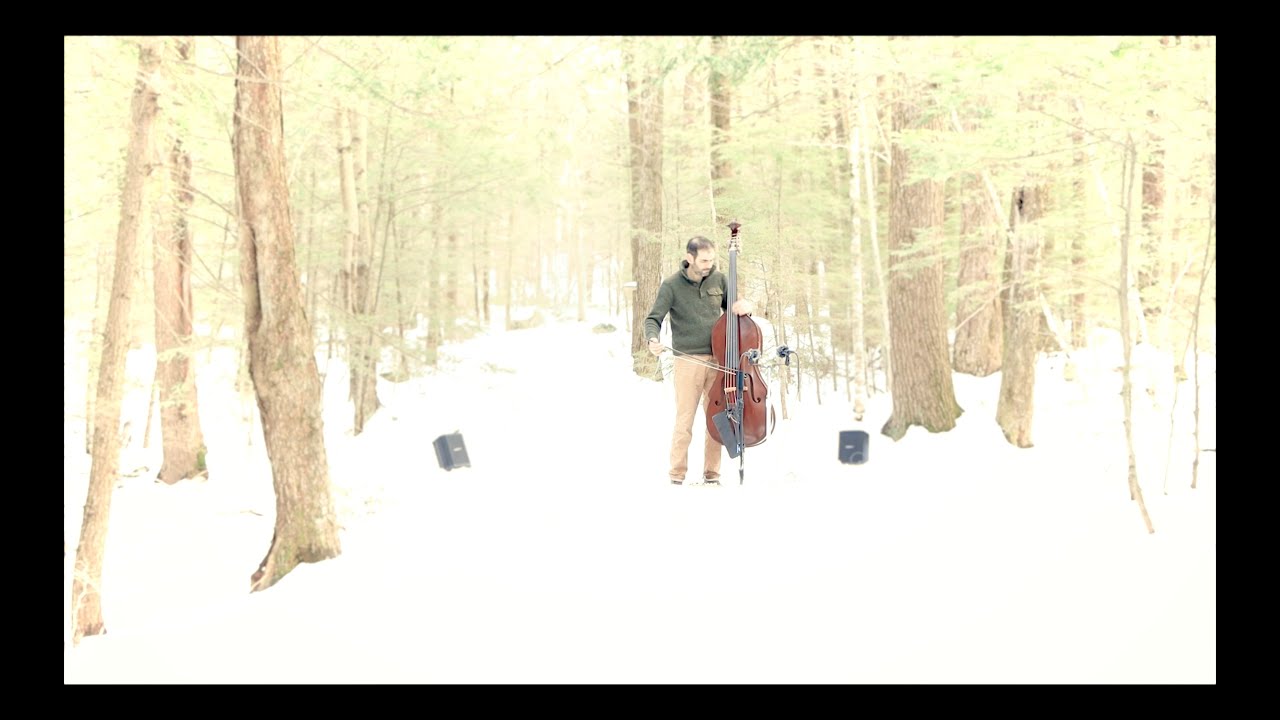
Garth Stevenson's "Music Meditation - Field" is an improvised piece recorded outdoors on April 20, 2020, and posted as a single video just over nineteen and a half minutes long. The uploader's description is brief: the sound was made in a field at a farm called Crimson & Clover, on the land of Nate Frigard, who gave permission for the session. There is no transcript, no spoken introduction in the written record, and no statement of intent beyond the words "music meditation" in the title. That sparseness is itself the spine of this article. The piece asks to be heard before it is explained, and what follows is an attempt to name the things a listener can actually know, without putting words in the musician's mouth.

読む · 5セクション

What does a music meditation ask of the player?

The phrase places the work in a lineage where playing and attending are the same act. In general terms, a sound meditation asks the musician to stop steering the sound toward a destination and to follow what it is already doing: the decay of a tone, the way one note answers another, the silence that opens when a phrase ends. Improvisation is the natural vehicle for this, because it removes the score that would otherwise tell the player what comes next. The discipline is less about technique than about what the player keeps returning to when the mind wanders off to plan the next gesture.

Listeners who come to this kind of recording expecting a performance with a shape of verses and climaxes may need a few minutes to adjust. A meditative improvisation tends to hold a texture rather than build toward a peak. The reward is slower: a sense of the room, the instrument, and the attention behind them settling into the same frequency over time.

Why does an open field change the sound?

Almost every musical space we know is defined by its walls. A studio, a church, or a living room returns the sound to the player and the listener through reflections, and those reflections give a note its body and its sense of enclosure. A field offers none of that. There is no ceiling to bounce the tone back, no corner to gather it, and the sound disperses outward and is gone quickly. Any recording made in open air also carries whatever the land contributes: wind moving through grass, distant machinery or animals, the small changes in air pressure that a microphone catches and a human ear half-ignores indoors.

That is the first thing a listener should be ready for. The "room" in this recording is not a room at all but a large, uneven, unpredictable space, and an improviser working in it has to listen differently. Sustained tones may seem to thin out faster than they would indoors. Silences may feel longer, because nothing in the environment immediately fills them. For a meditative form, that openness is not a flaw. It is closer to the condition the practice points toward: a sound that arises, travels, and dissolves without being held in place.

What was happening when this was recorded?

The date matters, though the description does not dwell on it. April 20, 2020 falls within the first wave of pandemic lockdowns in many countries, when gathering indoors had become difficult or impossible for most musicians, and when public performance in general had largely stopped. Many players that spring moved their work into home studios, into streamed sets, or outdoors where it was still permitted. A session in an open field on a farm belongs to that moment, whether or not the musician framed it that way.

It would be easy to overstate the connection, and the description offers no account of why this field or why this day. What the date does do is anchor the recording in a specific season of uncertainty. Music made during a period when the usual structures of performance had been suspended has a particular weight for a listener who remembers that time, and an equally particular strangeness for one who has come to it later.

How should a listener approach a piece like this?

Start without the caption. Put the video on with the volume at a level that lets the outdoor noise and the instrument share the same space, and resist the urge to judge the piece as a finished composition while it is still unfolding. Nineteen minutes is a real commitment for a form that does not announce its turns, so consider listening in one sitting with the phone set aside, or in two parts if that suits your day.

Pay attention to what returns. In meditative improvisation the recurring elements, a particular interval, a rhythm that comes back after it seems to have vanished, a sound that the wind seems to answer, are often the clearest signs of the player's attention. Notice when your own mind drifts toward expectation, and let it come back to the sound without pressure. That gentle return is, in many traditions of contemplative music, the practice itself.

Where to go from here

Listen to the recording once straight through, then once more with the purpose of noticing the environment as closely as the instrument. If you want to place the piece within a wider context, look for other outdoor and open-air improvisations and compare how the absence of walls changes the way sound behaves and the way players respond to it. The video's description gives only the date, the place, and the name of the farm, but that is enough to begin: a session on a particular afternoon in a particular field, shared with anyone willing to sit with it for nineteen minutes.
Comments

Loading the conversation…

Garth Stevenson
ArtistGarth Stevenson

Composer and double bassist who performs solo pieces in remote wilderness, from coastal British Columbia to the Antarctic Peninsula, letting wind, water and natural reverb shape ea…

プロフィールを見るウェブサイト
トピックを見る
Music-meditationImprovised-musicOutdoor-soundSound-meditationContemplative-music

ご質問はありますか?

よくある質問

It is an improvised music recording made outdoors on April 20, 2020, in a field at a farm called Crimson & Clover, and it runs about nineteen and a half minutes. The uploader's description is brief and does not explain the piece in detail, so listening is the best way to understand it.
In general terms, a music meditation is a playing or listening practice where attention rests on the sound as it happens rather than on a planned result. Improvisation suits this form because it removes a fixed score and lets the player respond to what is already sounding.
Open-air spaces have no walls or ceilings to reflect sound back, so tones disperse quickly and silences feel longer. Outdoor recordings also pick up environmental sounds like wind and distant noise, which become part of the texture.
It was recorded on April 20, 2020, which fell within the early months of pandemic lockdowns in many countries. The description does not say why the session took place outdoors, so the connection to that period is context rather than a stated intention.
No transcript is available for this video. Without spoken commentary in the record, the piece is best approached through listening, with the title and the brief description as the only written guidance.
Choose a recording long enough to settle into, set aside other tasks, and let your attention rest on the sound without trying to predict where it goes. When your mind drifts toward expectation, gently return to what is actually sounding, which is the core of most contemplative listening practices.

読みつづける

More from Garth

すべて表示
Music Meditation in the Woods: Bass Improvisation Outdoors
Inspire

Music Meditation in the Woods: Bass Improvisation Outdoors

Bassist Garth Stevenson took his bass, pedalboard, and battery-powered speakers into the woods behind his studio for a single improvised ses…

1 min read
Alash Ensemble's "The Sherpas Lament" Live in New York
Inspire

Alash Ensemble's "The Sherpas Lament" Live in New York

A live 2011 recording of Garth Stevenson performing with the Tuvan Alash Ensemble at Le Poisson Rouge. Here is what the video documents, and…

1 min read
Trade Troubles for Birdsong: Meaning of 'Trade My Troubles'
Inspire

Trade Troubles for Birdsong: Meaning of 'Trade My Troubles'

A close reading of the 'Trade My Troubles' lyrics, built around its central birdsong bargain. It traces how grief and gratitude become siste…

1 min read
The Touch of Spirit: Why the Moon Uses Only the Window
Inspire

The Touch of Spirit: Why the Moon Uses Only the Window

Peia's new single "The Touch of Spirit" argues that the sacred enters through breath and skin, not words. Here is a close reading of its lyr…

1 min read

探索を続ける

旅をつづける

BrightStarのディレクトリから、さらなる智慧と集いを。

もっと記事を読む

教え、インタビュー、ガイドのライブラリ全体をご覧ください。

すべての記事に戻る →

講師とアーティスト

コンシャスな世界の系譜、音楽家、導き手を探しましょう。

アーティストを探す →

イベントを見つける

キルタン、リトリート、サウンドバス、ブレスワーク、フェスティバル — まもなく開かれます。

イベントを見る →