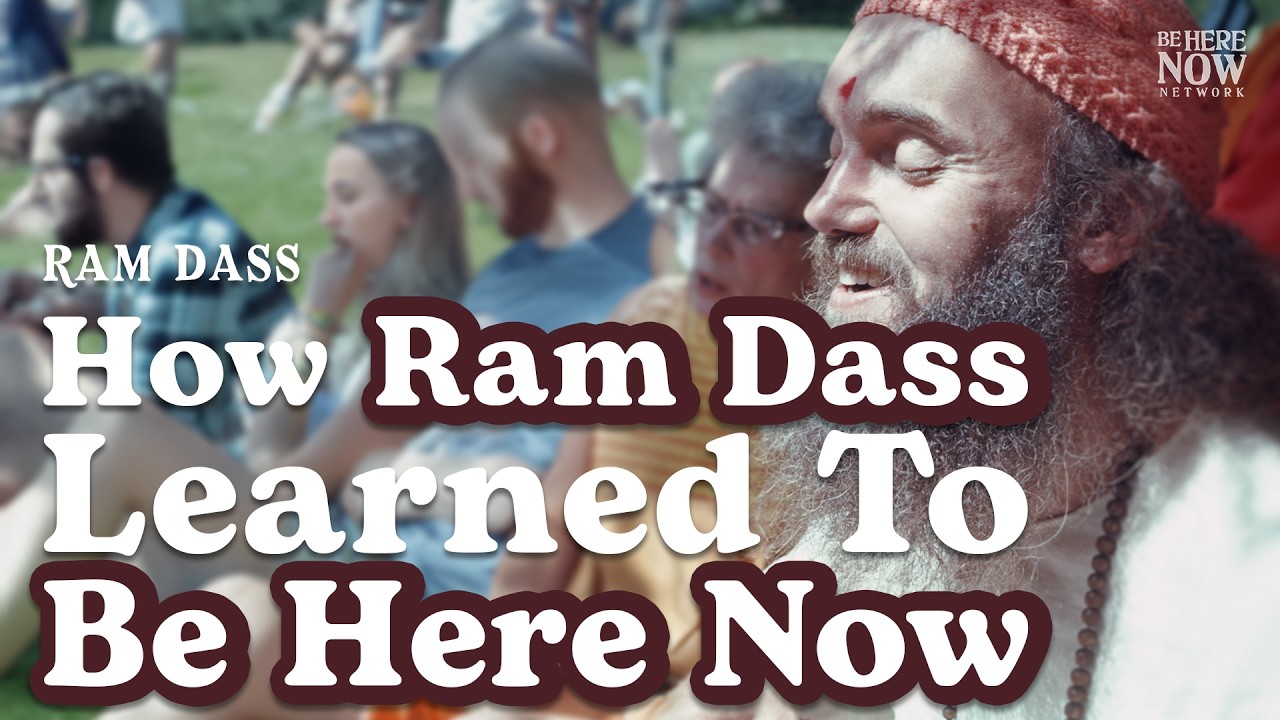
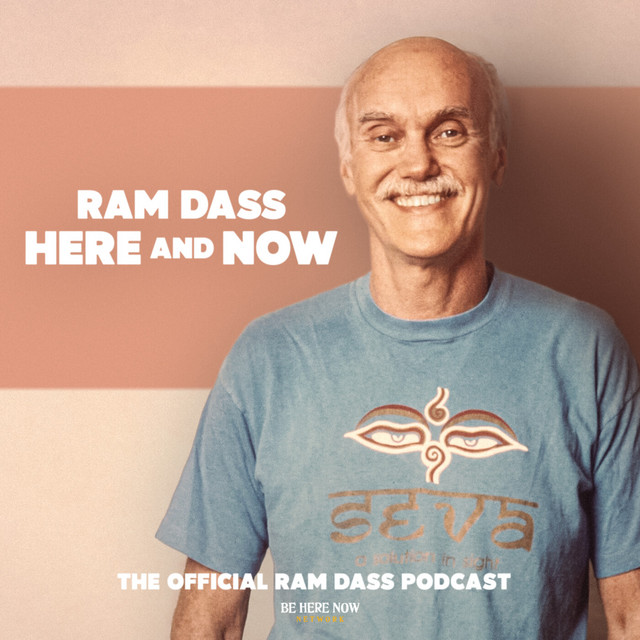
In a 1983 Harvard University reunion conversation, Ram Dass addresses the apparent paradox that while each person is unique—with different temperaments, experiences, and spiritual paths—these very differences are what create genuine human connection. Rather than seeking sameness as a basis for unity, the teaching invites us to recognize that our individuality itself is the doorway to deeper understanding of shared consciousness. This short talk, recorded at a 20-year Harvard reunion event, cuts through the illusion that spiritual progress requires homogenizing ourselves or others.
Why Do We Resist Our Individual Differences?
One of the most persistent spiritual misconceptions is that enlightenment or higher consciousness requires us to transcend our personality, preferences, and unique way of being. This assumption often leads practitioners to view their individual quirks—their temperament, their particular gifts, even their struggles—as obstacles to be overcome rather than as expressions of something deeper. Ram Dass's teaching directly challenges this framework.
The fear often underlying this resistance is that if we embrace what makes us different, we somehow fracture the unity we seek. If I am authentically me—with my particular nervous system, my particular way of processing the world, my particular gifts and limitations—how can that be reconciled with the interconnection I experience in meditation or service? This question, posed implicitly by many seekers, sits at the heart of his message.
How Can Differences Become a Path to Connection?
Ram Dass reframes the relationship between individuality and unity entirely. Rather than viewing them as opposites, he points to a deeper truth: it is precisely through honoring and understanding our differences that we access shared consciousness. When we pretend to be something we are not—when we flatten our authentic nature in service of a spiritual ideal—we create distance, not closeness. We build a false self that cannot truly meet another.
The paradox is that the more fully we become ourselves—not in ego, but in authentic expression—the more transparently we can recognize the consciousness looking out through all different eyes. A naturally extroverted person who honors their need for connection and stimulation is not less spiritual than an introverted contemplative. An analytically minded practitioner and an emotionally intuitive one are not on different ladders. They are different instruments in the same orchestra.
This teaching emerged at a Harvard University reunion, a context that adds particular resonance. Gathered decades after their initial encounter, people who had taken wildly different life paths—different careers, different spiritual traditions, different forms of service—were able to recognize each other not despite these divergences, but through them. The specificity of how each person had grown, changed, and developed their particular understanding was the actual substance of their reconnection.
What Is the Difference Between Ego and Authentic Individuality?
A critical distinction threads through this teaching: the difference between ego-based separateness and authentic individuality that serves unity. Ego, in the spiritual sense, is the armor we build to protect a false sense of self, the insistence that my way is superior, my experience is more valid, my path is the only legitimate one. Authentic individuality, by contrast, is the expression of consciousness particularized through a unique form—your unique nervous system, your unique history, your unique gifts.
When we understand this distinction, we see that the spiritual path is not about becoming less individual but about becoming more authentically individual—less defended, less comparative, less invested in proving ourselves superior or inferior. A fully realized person is not a blank slate. They are a particular instrument, finely tuned, expressing their unique contribution to the whole.
How Does This Apply to Spiritual Community and Practice?
Many spiritual practitioners struggle with belonging. They may feel that their temperament, their questions, their way of practicing doesn't fit the mold of their tradition or teacher. This teaching offers liberation from that bind. If unity doesn't require sameness, then the introvert in a sangha of extroverts, the questioner in a faith-based tradition, the person with a particular trauma or neurology—each is not a problem to be solved but a variation that enriches the whole.
In a practical sense, this shifts how we approach teaching, mentoring, and guiding others. Rather than imposing a single practice, understanding, or lifestyle as the "right" way, a teacher working from this perspective might ask: What does this particular person's system need? How does their specific temperament, their specific gifts, their specific blockages point toward their particular path of awakening?
Where to Go From Here
If this teaching resonates, consider exploring it in your own practice and relationships. Notice where you may be trying to make yourself smaller, more similar to others, more conformist—in the name of spirituality or belonging. Notice, too, where you might be using difference as justification for separation or superiority. The middle path is honoring your specific nature while remaining radically open to the consciousness expressed through every other specific nature.
The Re-evaluation Counseling tradition, which influenced some of Ram Dass's later work, speaks of "discharge"—the process of releasing accumulated patterns so our authentic nature can emerge. Practices like journaling, movement, and honest dialogue with trusted others can help clarify what is authentic individual expression versus what is defensive pattern. Service work—particularly seva—also has a way of dissolving the self-consciousness around difference, as shared purpose becomes larger than individual variation.
Finally, approach those you encounter with curiosity rather than judgment about their differences. Ask yourself: What does this person's particular way of being reveal about consciousness, about the universe expressing itself? This shift from seeing difference as threat to seeing it as a teaching can remake your entire relational world.