BrightStar

すべてのEventsを見る

意識ある集いに出会う

events

Yoga
Meditation
Breathwork
Qigong
Tai Chi
Sacred Music
World Music
Medicine Music
Sound Healing
Ecstatic Dance
人気の目的地
BaliSedonaLos AngelesCosta RicaNew YorkSan FranciscoAustinMiamiJoshua TreeTulum
すべてのカテゴリを見るすべての目的地を見る

すべての機能を探索

イベントを成長させる強力なツール

プラットフォーム機能

スマートダイナミックプライシング
チケットカテゴリ
座席指定
カート放棄リカバリー
訪問者リカバリー
寄付とスライディングスケール
アフィリエイトシステム
チケットスキャナー
クーポンコード
カスタム質問
チケット共有
アップセルとアドオン
分析とレポート
メールシーケンス
ウェイトリスト / 通知 / リマインダー
人と場所
Artists & TeachersEvent OrganizersVenues & StudiosKnowledge BaseGlossaryInspiration
すべての機能を見る私たちについて
料金ブログ
Language
Saved events
すべてのイベントを見る

events

YogaMeditationBreathworkQigongTai ChiSacred MusicWorld MusicMedicine Music

人気の目的地

BaliSedonaLos AngelesCosta RicaNew YorkSan Francisco

人と場所

Artists & TeachersEvent OrganizersVenues & StudiosKnowledge BaseGlossaryInspiration

プラットフォーム機能

スマートダイナミックプライシングチケットカテゴリ座席指定カート放棄リカバリー訪問者リカバリー寄付とスライディングスケールアフィリエイトシステムチケットスキャナークーポンコードカスタム質問チケット共有アップセルとアドオン分析とレポートメールシーケンスウェイトリスト / 通知 / リマインダー
すべての機能を見る私たちについて
料金ブログ
ログイン探求者クリエイター
  • すべてのイベントを見る
  • 探求者向け
  • ヨガ
  • 瞑想
  • ブレスワーク
  • 気功
  • 太極拳
  • 聖なる音楽
  • ワールドミュージック
  • メディスンミュージック
  • サウンドヒーリング
  • エクスタティックダンス
  • リトリート
  • ワークショップ
  • すべてのカテゴリ →
  • Bali
  • Sedona
  • Los Angeles
  • Costa Rica
  • Tulum
  • Byron Bay
  • San Francisco
  • Austin
  • New York
  • San Diego
  • Denver
  • Seattle
  • Portland
  • Miami
  • すべての都市 →
  • Join the Movement
  • Why we list
  • Sell Globally
  • クリエイター向け
  • チーム向け
  • ライター向け
  • 講師向け
  • キルタンアーティスト向け
  • スタジオ向け
  • フェスティバル向け
  • リトリートセンター向け
  • 非営利団体向け
  • ブランドアンバサダー
  • 無料チケット販売
  • Elevate
  • Amplify
  • 50万人以上のバイヤーネットワーク
  • カート放棄リカバリー
  • スマートダイナミックプライシング
  • チケットカテゴリ
  • 定期イベント
  • 座席指定
  • アフィリエイトシステム
  • ウェイトリスト / 通知
  • チケットスキャナー
  • 埋め込みウィジェット
  • イベント配信
  • メッセージセンター
  • インテグレーション
  • レポート
  • すべての機能 →
  • 概要
  • エコシステム
  • ブログ
  • 用語集
  • インスピレーション
  • ヘルプセンター
  • お問い合わせ
  • APIドキュメント
  • ブランドアセット
  • 採用
  • プレス
  • 利用規約
  • プライバシーポリシー

イベント

  • すべてのイベントを見る
  • 探求者向け
  • ヨガ
  • 瞑想
  • ブレスワーク
  • 気功
  • 太極拳
  • 聖なる音楽
  • ワールドミュージック
  • メディスンミュージック
  • サウンドヒーリング
  • エクスタティックダンス
  • リトリート
  • ワークショップ
  • すべてのカテゴリ →

目的地

  • Bali
  • Sedona
  • Los Angeles
  • Costa Rica
  • Tulum
  • Byron Bay
  • San Francisco
  • Austin
  • New York
  • San Diego
  • Denver
  • Seattle
  • Portland
  • Miami
  • すべての都市 →

クリエイター向け

  • Join the Movement
  • Why we list
  • Sell Globally
  • クリエイター向け
  • チーム向け
  • ライター向け
  • 講師向け
  • キルタンアーティスト向け
  • スタジオ向け
  • フェスティバル向け
  • リトリートセンター向け
  • 非営利団体向け
  • ブランドアンバサダー
  • 無料チケット販売
  • Elevate
  • Amplify

機能

  • 50万人以上のバイヤーネットワーク
  • カート放棄リカバリー
  • スマートダイナミックプライシング
  • チケットカテゴリ
  • 定期イベント
  • 座席指定
  • アフィリエイトシステム
  • ウェイトリスト / 通知
  • チケットスキャナー
  • 埋め込みウィジェット
  • イベント配信
  • メッセージセンター
  • インテグレーション
  • レポート
  • すべての機能 →

会社

  • 概要
  • エコシステム
  • ブログ
  • 用語集
  • インスピレーション
  • ヘルプセンター
  • お問い合わせ
  • APIドキュメント
  • ブランドアセット
  • 採用
  • プレス
  • 利用規約
  • プライバシーポリシー
BrightStar
アプリを入手
App StoreからApp StoreGoogle Playで手に入れようGoogle Play
© 2026 BrightStar. 全著作権所有.
Inspiration

Haiku and the Traveller's Spiritual Journey

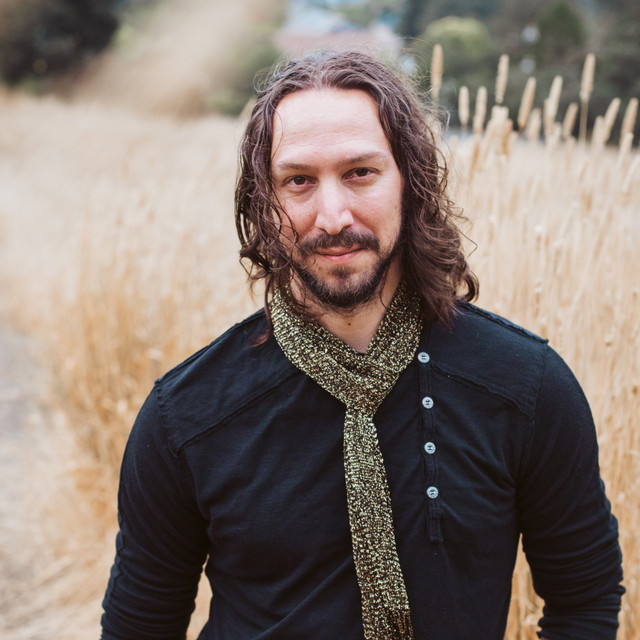
Ram Dass (Musician/Music Producer)
Nov 23, 2021
読了 約3分

出典:Ram Dass

In this brief reflection, Ram Dass uses haiku—the minimalist Japanese poetic form—as a lens to examine the interior landscape of the spiritual traveller. Rather than treating haiku as mere literary exercise, he presents it as a contemplative tool that collapses the distance between observer and observed, revealing the essence of presence that lies at the heart of the spiritual journey. The form's constraint becomes its freedom: by stripping away excess, haiku points directly to what is.

読む · 4セクション

What Is Haiku as Spiritual Practice?

Haiku, rooted in Zen Buddhism, is far more than a three-line poem. It is a distilled moment of awareness—a snapshot of reality captured with such clarity that the boundary between the perceiver and the perceived dissolves. The form's structural simplicity (5-7-5 syllables in English approximation) forces the practitioner to eliminate decoration, sentimentality, and intellectual commentary. What remains is presence itself.

For Ram Dass, haiku operates as a doorway into the here-and-now. Each haiku is an act of radical attention, a way of stopping the mind's constant chatter and settling into direct perception. This is not about creating beautiful poetry; it is about using the form as a meditation device that trains consciousness to notice what is actually present rather than what the mind thinks should be present.

Why Does the Traveller Need Haiku?

The spiritual traveller—the seeker moving along the path of consciousness—often carries a heavy load of expectations, goals, and mental constructs about what enlightenment should look like or what the journey should feel like. Haiku cuts through this. By anchoring awareness in a single, specific moment, the traveller learns to meet reality as it is, not as an idea about reality.

Ram Dass teaches that the spiritual path is not primarily about achieving something distant or becoming someone different. Rather, it is about awakening to what is already here. Haiku is a practice that embodies this teaching. Each poem is a small act of surrender—the surrender of trying to make meaning and instead receiving the meaning that is already present in the moment.

How Does Simplicity Reveal Truth?

In Western spirituality, there is often an assumption that depth requires complexity. More techniques, more knowledge, more experience. But the haiku tradition suggests the opposite: that the deepest truths are accessible only through radical simplification. The removal of everything unnecessary is not a loss; it is a clarification.

When you strip a poem down to seventeen syllables capturing a single moment, you are left with something irreducible. A frog jumps. A leaf falls. Snow settles. These are not profound ideas, yet they point to the profound nature of existence itself—the simple isness of things, untouched by interpretation. This is the spiritual traveller's ultimate discovery: that liberation is not found in accumulating more experience but in seeing clearly what already is.

Where to Go from Here

If this teaching resonates, consider engaging with haiku as a contemplative practice rather than a literary one. Spend time observing a single moment—a bird at a window, a cup of tea, the quality of light at a particular hour—and attempt to capture it in the haiku form. The goal is not to write good poetry but to use the discipline of the form as a way to train your mind to rest in direct perception. Notice how the constraint of brevity clarifies your seeing. Over time, this practice can reshape how you move through the world, teaching you to be a more awake traveller on the path.

Comments

Loading the conversation…

トピックを見る
HaikuZen-BuddhismPresenceSpiritual-pathContemplative-practice

ご質問はありますか?

よくある質問

Haiku originated in Zen practice as a way to capture moments of direct insight in the simplest possible form. By eliminating decoration and commentary, haiku points directly to what is present, mirroring the Zen emphasis on immediate, unfiltered awareness. The form itself becomes a meditation device rather than just a literary exercise.
Haiku trains the mind to stop interpreting reality and instead perceive it directly. The constraint of brevity forces you to eliminate mental chatter and focus on what is actually present in a single moment. This cultivates the awareness and simplicity that are central to spiritual awakening.
Each word you remove from a haiku forces you to choose only what is essential, which sharpens your perception of what you are trying to convey. This simplification mirrors the spiritual path itself: removing layers of mental habit and expectation reveals the clarity and presence that is always already here.
The traveller is the seeker who is consciously moving along the path of spiritual awakening. Ram Dass suggests the traveller often carries excessive expectations and goals, but haiku teaches the essential lesson: that liberation is not found by achieving something distant but by clearly seeing what is already present.
Yes. Rather than treating haiku as literary creation, it can be used as a contemplative practice. The discipline of capturing a single moment in seventeen syllables trains your mind to rest in direct perception and presence, which are core elements of meditation and spiritual practice.

読みつづける

More from Ram Dass (Musician/Music Producer)

すべて表示
Art and Beauty as Resistance During Times of War
Inspire

Art and Beauty as Resistance During Times of War

When violence and chaos dominate the world, artists create meaning and hope through beauty. Ram Dass explores how creativity becomes a spiri…

6 min read
The Heart and the Matter: Dance, Music, and Refugee Healing
Inspire

The Heart and the Matter: Dance, Music, and Refugee Healing

A collaboration uniting Ram Dass, Sukhmani, and Grecco Buratto with Ukrainian ballet dancers to support refugee artists through music and mo…

6 min read
Love People As They Are: Responsive vs. Reactive
Inspire

Love People As They Are: Responsive vs. Reactive

Learn how to love people unconditionally by shifting from reactive patterns to responsive presence, keeping your heart open in the face of s…

9 min read
Freedom Without Connection: Why Liberation Feels Empty
Inspire

Freedom Without Connection: Why Liberation Feels Empty

External freedom without spiritual connection leaves the heart hollow. Explore why liberation requires more than just the absence of constra…

7 min read

探索を続ける

旅をつづける

BrightStarのディレクトリから、さらなる智慧と集いを。

もっと記事を読む

教え、インタビュー、ガイドのライブラリ全体をご覧ください。

すべての記事に戻る →

講師とアーティスト

コンシャスな世界の系譜、音楽家、導き手を探しましょう。

アーティストを探す →

イベントを見つける

キルタン、リトリート、サウンドバス、ブレスワーク、フェスティバル — まもなく開かれます。

イベントを見る →
出演

この記事のアーティスト

Ram Dass (Musician/Music Producer)
Musician, Music Producer

About Ram Dass

Ram Dass Khalsa, known professionally as Ram Dass, is a producer, multi-instrumentalist, songwriter, and touring musician whose work moves across contemporary…