BrightStar

すべてのEventsを見る

意識ある集いに出会う

events

Yoga
Meditation
Breathwork
Qigong
Tai Chi
Sacred Music
World Music
Medicine Music
Sound Healing
Ecstatic Dance
人気の目的地
BaliSedonaLos AngelesCosta RicaNew YorkSan FranciscoAustinMiamiJoshua TreeTulum
すべてのカテゴリを見るすべての目的地を見る

すべての機能を探索

イベントを成長させる強力なツール

プラットフォーム機能

スマートダイナミックプライシング
チケットカテゴリ
座席指定
カート放棄リカバリー
訪問者リカバリー
寄付とスライディングスケール
アフィリエイトシステム
チケットスキャナー
クーポンコード
カスタム質問
チケット共有
アップセルとアドオン
分析とレポート
メールシーケンス
ウェイトリスト / 通知 / リマインダー
人と場所
Artists & TeachersEvent OrganizersVenues & StudiosKnowledge BaseGlossaryInspiration
すべての機能を見る私たちについて
料金ブログ
Language
Saved events
すべてのイベントを見る

events

YogaMeditationBreathworkQigongTai ChiSacred MusicWorld MusicMedicine Music

人気の目的地

BaliSedonaLos AngelesCosta RicaNew YorkSan Francisco

人と場所

Artists & TeachersEvent OrganizersVenues & StudiosKnowledge BaseGlossaryInspiration

プラットフォーム機能

スマートダイナミックプライシングチケットカテゴリ座席指定カート放棄リカバリー訪問者リカバリー寄付とスライディングスケールアフィリエイトシステムチケットスキャナークーポンコードカスタム質問チケット共有アップセルとアドオン分析とレポートメールシーケンスウェイトリスト / 通知 / リマインダー
すべての機能を見る私たちについて
料金ブログ
ログイン探求者クリエイター
  • すべてのイベントを見る
  • 探求者向け
  • ヨガ
  • 瞑想
  • ブレスワーク
  • 気功
  • 太極拳
  • 聖なる音楽
  • ワールドミュージック
  • メディスンミュージック
  • サウンドヒーリング
  • エクスタティックダンス
  • リトリート
  • ワークショップ
  • すべてのカテゴリ →
  • Bali
  • Sedona
  • Los Angeles
  • Costa Rica
  • Tulum
  • Byron Bay
  • San Francisco
  • Austin
  • New York
  • San Diego
  • Denver
  • Seattle
  • Portland
  • Miami
  • すべての都市 →
  • Join the Movement
  • Why we list
  • Sell Globally
  • クリエイター向け
  • チーム向け
  • ライター向け
  • 講師向け
  • キルタンアーティスト向け
  • スタジオ向け
  • フェスティバル向け
  • リトリートセンター向け
  • 非営利団体向け
  • ブランドアンバサダー
  • 無料チケット販売
  • Elevate
  • Amplify
  • 50万人以上のバイヤーネットワーク
  • カート放棄リカバリー
  • スマートダイナミックプライシング
  • チケットカテゴリ
  • 定期イベント
  • 座席指定
  • アフィリエイトシステム
  • ウェイトリスト / 通知
  • チケットスキャナー
  • 埋め込みウィジェット
  • イベント配信
  • メッセージセンター
  • インテグレーション
  • レポート
  • すべての機能 →
  • 概要
  • エコシステム
  • ブログ
  • 用語集
  • インスピレーション
  • ヘルプセンター
  • お問い合わせ
  • APIドキュメント
  • ブランドアセット
  • 採用
  • プレス
  • 利用規約
  • プライバシーポリシー

イベント

  • すべてのイベントを見る
  • 探求者向け
  • ヨガ
  • 瞑想
  • ブレスワーク
  • 気功
  • 太極拳
  • 聖なる音楽
  • ワールドミュージック
  • メディスンミュージック
  • サウンドヒーリング
  • エクスタティックダンス
  • リトリート
  • ワークショップ
  • すべてのカテゴリ →

目的地

  • Bali
  • Sedona
  • Los Angeles
  • Costa Rica
  • Tulum
  • Byron Bay
  • San Francisco
  • Austin
  • New York
  • San Diego
  • Denver
  • Seattle
  • Portland
  • Miami
  • すべての都市 →

クリエイター向け

  • Join the Movement
  • Why we list
  • Sell Globally
  • クリエイター向け
  • チーム向け
  • ライター向け
  • 講師向け
  • キルタンアーティスト向け
  • スタジオ向け
  • フェスティバル向け
  • リトリートセンター向け
  • 非営利団体向け
  • ブランドアンバサダー
  • 無料チケット販売
  • Elevate
  • Amplify

機能

  • 50万人以上のバイヤーネットワーク
  • カート放棄リカバリー
  • スマートダイナミックプライシング
  • チケットカテゴリ
  • 定期イベント
  • 座席指定
  • アフィリエイトシステム
  • ウェイトリスト / 通知
  • チケットスキャナー
  • 埋め込みウィジェット
  • イベント配信
  • メッセージセンター
  • インテグレーション
  • レポート
  • すべての機能 →

会社

  • 概要
  • エコシステム
  • ブログ
  • 用語集
  • インスピレーション
  • ヘルプセンター
  • お問い合わせ
  • APIドキュメント
  • ブランドアセット
  • 採用
  • プレス
  • 利用規約
  • プライバシーポリシー
BrightStar
アプリを入手
App StoreからApp StoreGoogle Playで手に入れようGoogle Play
© 2026 BrightStar. 全著作権所有.
Inspiration

Evening Gratitude Meditation: Thanking the Body Before Sleep

Julie Ela Grace
Julie Ela Grace
Apr 13, 2020
読了 約10分
視聴 · 7

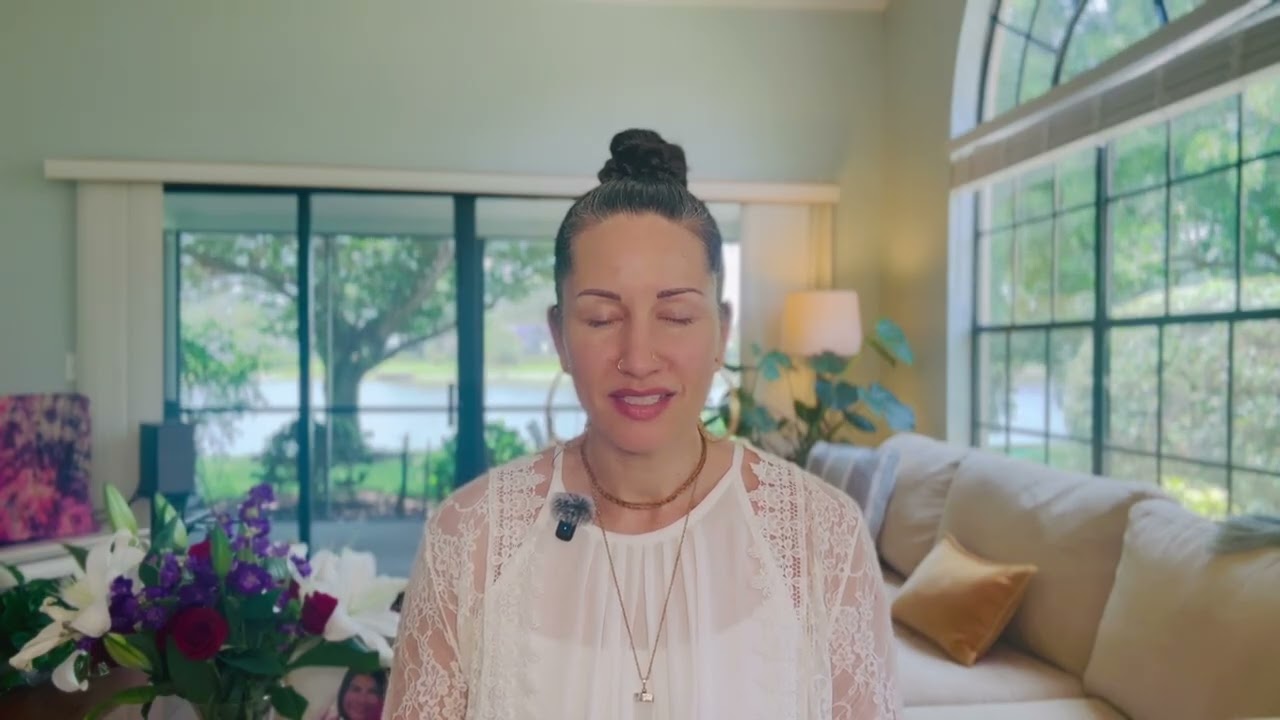
Lights down, phone face-down on the nightstand, the day still clinging to the shoulders. Julie Ela Grace's ten-minute evening gratitude meditation asks you to do something most of us skip at the end of a day: stop reviewing what went wrong and start taking inventory of what went right, beginning with the body that carried you through it. Recorded for YouTube in April 2020 and framed as a practice to do sitting up or lying down, even from bed before sleep, the meditation sends a column of warm light from the crown of the head to the soles of the feet, pausing at each part to offer thanks. It then asks you to build a list of at least five things from the day in your mind, and it closes by reframing the hard days and the good ones alike. The whole thing runs about ten minutes, with binaural beats playing underneath the voice, according to the video's description.

読む · 8セクション

What does a gratitude meditation look like when you start in bed?

The opening is practical before it is poetic. Grace tells you to find a quiet, comfortable place, to close the eyes, and to take a deep inhale through the nose, then exhale with a sigh or a blow out of the mouth. She asks you to repeat this a few times, imagining that each inhale brings calm and peace into the body and each exhale releases stress or tension. Only then does she let the breath return to its own rhythm.

That sequence matters. Gratitude practices are often described as a mental exercise, a flip of the switch from negative to positive. Grace's version assumes the body has to settle first. The breath is the handle you grab before any appreciation can land, and the instruction to let your "natural breath take over again" (around 1:36 in the recording) signals that the practice is not about forcing anything. It is about getting out of the way.

Notice too how the meditation is built for a specific moment: the threshold of sleep. The language is slow and open-ended, full of "allow" and "feel" rather than "do" or "think." If you have ever tried to meditate in the middle of a busy afternoon, you will recognize how different this is. Nothing here is asking you to achieve a state. It asks you to notice what is already happening.

Why begin with light above the head?

Before the body gets its turn, Grace asks you to picture light. The instruction is specific: "imagine a beautiful warm light radiating above the top of your head" (about 1:54), in any color or colors you like, and to "feel that this light is full of the energy of gratitude." The light grows and glows above the crown, then cascades down.

This is a visualization that does two jobs at once. It gives a restless mind something concrete to hold, and it turns gratitude into a sensation rather than a sentence. You are not asked to think grateful thoughts in the abstract. You are asked to feel warmth moving through you. The choice of color is left to you, which keeps the image personal and removes one more decision from a mind that has been making decisions all day.

Then the light starts to work its way down, and the meditation becomes a kind of slow body sweep. The brow relaxes. The corners of the eyes soften. The jaw loosens. The face, which tends to hold more tension than we notice, gets a moment of permission.

How do the senses and the body become objects of gratitude?

This is where the practice does its most interesting work. Grace moves from the face into the senses and asks you to recall the day in sensory detail. Take a moment, she says, to "appreciate what you were able to experience with your senses today: what sights, sounds and smells brought you pleasure, comfort or familiarity" (about 2:46). She asks what foods you tasted, what you touched, perhaps a beloved pet, "or even a simple touch of a leaf or flower."

The move is subtle but important. Gratitude usually attaches itself to big things: a promotion, a reconciliation, a good report from the doctor. Grace starts smaller and more physical. The sense of smell from a kitchen, the texture of a leaf, the warmth of a pet's fur. These are the ordinary inputs that the day delivered without any fanfare, and the meditation asks you to notice that they were delivered at all.

From there, the light travels through the body part by part, and each stop comes with a short phrase of thanks. The brain is appreciated "all that it allowed you to do today." The throat is appreciated for the voice and for "all the kind words that you said and all the kind words that you can choose to offer each day." The hands get their own line, "your incredible hands and all that they were able to do for you today," and the heart is honored for what it does without asking: "feel that thumping heart and appreciate all the blood it circulated through your body today."

"Feel that thumping heart and appreciate all the blood it circulated through your body today. Let light pour over your organs down into your hips through your legs and your joints."

— Julie Ela Grace, "Ten-Minute Evening Gratitude Meditation" (YouTube, April 2020, around 4:06)

What makes this sweep effective is the verb. You are not told to think that your heart is good. You are told to feel it thump, and then to appreciate the circulation. Gratitude becomes a physical act, anchored in the things your body did while you were busy elsewhere. By the time the light reaches the feet, Grace says you can "know yourself as held in this warm vibrating light of gratitude." The phrase is almost a small hymn, and it is earned by the slow descent that precedes it.

She also includes the movement of the day itself: "feel gratitude for any way that you moved today, wherever your feet may have taken you." It is a neat touch. The body that did the work is not only the body at rest, but the one that walked, lifted, stretched, and carried.

Why build a list of five things, and why in silence?

After the body sweep, the meditation shifts from feeling to thinking. Grace asks you to "create a list now of at least five things from today for which you're grateful," and she is generous about what counts: "no matter how big or how small they could be things as simple as your breath to things as large as having clean water to drink" (about 5:14).

The inclusion of breath and clean water in the same sentence is quietly radical. It collapses the usual hierarchy that makes gratitude feel reserved for milestones. A breath and a glass of water are both things you did not have to earn, and both are easy to overlook precisely because they are always there.

The structure is also worth noticing. The list is built in your mind, not spoken aloud, and the transcript marks a stretch of music at this point, a gap of about a minute in which you are given space to compose. For a musician, the silence is the instruction: the list is not a test, and you do not need to rush to fill it. A short pause invites the mind to surface details it would not have grabbed on a first pass, the small things that tend to fall out of memory by bedtime.

What do you do with a difficult day?

The most affecting passage comes near the end, when Grace addresses the day that did not go well. She does not pretend the day was good. Instead she offers a reframe built on survival: "if you have had a difficult day know that you have survived all difficult days preceding it and you have survived this one too" (about 7:12).

It is a sharp and honest sentence. It does not ask you to find the silver lining in a loss or to pretend an argument didn't happen. It simply points to a track record. You have made it through every hard day you have had so far, and this one is in that count. For someone lying awake replaying a conversation, that can be a more usable form of gratitude than a bright affirmation: gratitude for your own endurance.

The reverse is handled with equal care. If the day was joyful, Grace says to "relish in it knowing that every day is a gift." The meditation refuses to let gratitude become a tool for avoiding either kind of feeling. Good days and bad days are both held up for the same attention.

Why does "now" matter at bedtime?

The meditation's final movement is a pivot toward the present. "Tomorrow is a new day," Grace says, "but now is all that exists" (about 7:34). She asks you to radiate your appreciation, then to take that gratitude back to the breath, let go of anything else you need to release, and let the body relax further "into that warmth of gratitude, readying itself for a peaceful evening and deep sleep."

This is a sensible place to end. Bedtime is when the mind most often leaps forward to tomorrow's obligations or backward to yesterday's errors. The line about now is not a philosophical flourish so much as a practical redirection: the only gratitude available to you is the gratitude you can feel in this minute, on this pillow, in this breath.

The closing instructions are gentle and optional. You may open your eyes, or keep them closed. You may come back into the room, or drift off to sleep. The meditation ends with a soft smile across the lips and a blessing for your dreams and your peace.

What is the real lesson of a ten-minute gratitude practice?

The meditation's strength is its sequence. It starts with breath and light, moves through the senses and the body, builds a list of small and large mercies, honors both hard and good days, and lands in the present moment. Each stage prepares the next. By the time you are asked to list five things, the body has already been thanked, so the list grows out of felt experience rather than a checklist.

There is also something worth learning about the choice to ground gratitude in the physical. Thanking your heart for its circulation or your hands for their work turns an abstract virtue into an embodied habit. You can carry that into daytime moments: the glass of water, the stairs you climbed, the voice you used to say something kind.

The video has been viewed about 14,800 times on YouTube, a modest number that suggests it has found its audience quietly, the way bedtime practices tend to. Its power lies less in novelty than in repetition. Do it once and it is a pleasant ten minutes. Do it on a hard night and it becomes a way of reminding yourself that you have already survived every difficult day you have ever had.

Where to go from here

If this practice speaks to you, try it as written first: a quiet room, the breath, the column of light, the slow sweep down the body, the five things, and the soft return. Then notice what changes when you adapt it. Some people keep the body sweep and drop the list; others write the five things on paper before bed. Watch the original video, which includes the binaural-beat background described in its notes, and pay attention to where your attention drifts. That drift is the most useful information the practice can give you. Gratitude, like any muscle, is built by returning to it, often on the ordinary nights when nothing dramatic has happened and the body simply needs to be thanked for getting you to bed.
Comments

Loading the conversation…

Transcript

[0:00] welcome to this 10-minute

[0:03] evening meditation on gratitude

[0:07] my name is julie ela grace

[0:12] thank you for allowing me to be your

[0:14] guide this evening

[0:17] to begin this meditation i recommend

[0:20] finding a quiet comfortable place

[0:24] to either sit or lie down

[0:27] you are welcome to do this meditation

[0:29] from bed before sleep

[0:31] if you wish

[0:34] once you've found your comfortable

[0:36] position

[0:38] close the eyes and take a deep inhale

[0:41] through the nose

[0:43] and then exhale sigh or blow the air

[0:47] out of the mouth

[0:51] do this a few times

[0:55] imagine that with every inhale you are

[0:58] bringing

[0:58] calm and peace into the body

[1:02] and with every exhale you are releasing

[1:05] stress

[1:06] or tension

[1:32] when you're ready allow your natural

[1:35] breath

[1:36] to take over again

[1:48] as you sink deeper into relaxation now

[1:54] imagine a beautiful warm

[1:57] light radiating above the top of your

[2:00] head

[2:03] see that light in any color or colors

[2:06] that you like

[2:08] and imagine and feel that this light is

[2:12] full of the energy of gratitude

[2:17] feel that light growing and glowing

[2:20] above your crown

[2:23] and then feel it gently cascade down

[2:26] your body

[2:29] feel your brow relax

[2:34] feel the corners of your eyes and the

[2:37] corners of your mouth

[2:39] soften

[2:42] feel your jaw loosen

[2:46] and as your face relaxes

[2:49] take a moment to appreciate what you

[2:52] were

[2:52] able to experience with your senses

[2:55] today

[2:57] what sights sounds and smells

[3:01] brought you pleasure comfort or

[3:03] familiarity

[3:06] what foods you were able to taste

[3:09] what you touched maybe a loved one

[3:12] a beloved pet or even a simple touch of

[3:16] a leaf or flower

[3:21] as the light pours down the back of your

[3:23] head

[3:25] appreciate your brain all that it

[3:28] allowed you to do today

[3:33] feel that light move over the throat

[3:36] and appreciate your voice and all the

[3:39] kind

[3:39] words that you said and

[3:42] all the kind words that you can choose

[3:45] to offer

[3:46] each day

[3:51] feel warm light pouring over your chest

[3:54] and back

[3:56] appreciate your shoulders your arms

[3:59] your incredible hands and all that they

[4:02] were able to do for you today

[4:06] feel that thumping heart and appreciate

[4:10] all the blood it circulated

[4:12] through your body today

[4:17] let light pour over your organs

[4:21] down into your hips through your legs

[4:24] and your joints

[4:27] feel yourself appreciating the

[4:29] intricacies

[4:31] of this body this miraculous body

[4:39] feel the light come all the way down

[4:42] around your feet

[4:45] and know yourself as held in this warm

[4:49] vibrating light of gratitude

[4:53] feel gratitude for any way that you

[4:56] moved

[4:57] today wherever your feet may have taken

[5:01] you

[5:09] and in your mind create a list now

[5:14] of at least five things from today

[5:18] for which you're grateful no matter how

[5:22] big

[5:22] or how small

[5:25] they could be things as simple as your

[5:28] breath

[5:30] to things as large as having clean water

[5:34] to drink

[5:37] just take the next minute to create that

[5:40] gratitude list

[5:42] in your mind

[6:23] [Music]

[6:47] so

[6:48] feel yourself filling up on this

[6:51] sensation

[6:52] of gratitude and offer a quiet

[6:56] thank you to the universe for this day

[7:01] no matter what happened in it

[7:05] a simple thank you just because

[7:09] you are here now

[7:12] and if you have had a difficult day

[7:15] know that you have survived all

[7:18] difficult days

[7:19] preceding it and you have survived

[7:22] this one too and if you have had a

[7:26] joyful day

[7:28] relish in it knowing that every day is a

[7:31] gift

[7:34] tomorrow is a new day but now

[7:37] is all that exists so here and now

[7:42] simply radiate your appreciation

[7:45] radiate gratitude for all that you have

[7:54] and then take that gratitude

[7:58] and bring it back to your breath

[8:02] and deepen your breath

[8:06] let go of anything else that you need to

[8:09] let go

[8:09] of with each exhale

[8:15] feel your body relaxing even

[8:18] further into that warmth of gratitude

[8:23] readying itself for a peaceful evening

[8:27] and deep sleep

[8:31] if you wish to open your eyes gently do

[8:35] so

[8:36] if you wish to keep them closed allow

[8:40] them

[8:40] to stay closed

[8:44] draw a soft smile across your lips

[8:48] and either gently come back into the

[8:51] room and into the evening

[8:54] or let yourself drift off to sleep

[8:59] blessings for your dreams and for your

[9:07] peace

[10:01] you

Julie Ela Grace
ArtistJulie Ela Grace

Julie Ela Grace is an Oxfordshire-based yoga and meditation teacher and writer whose gratitude-centred, Kripalu-influenced teaching grew from her own experience of thyroid cancer a…

プロフィールを見るウェブサイト
トピックを見る
Gratitude-meditationEvening-meditationBody-gratitudeSleep-preparationGuided-meditation

ご質問はありますか?

よくある質問

Lie down or sit comfortably, close your eyes, and breathe deeply a few times, exhaling with a sigh. Julie Ela Grace's ten-minute version then has you imagine warm light above the crown of your head and let it move slowly down through the face, senses, and body, pausing to thank each part. It ends with a list of at least five things from the day.
A body-based gratitude meditation directs thanks toward physical parts and functions rather than only abstract ideas. In Grace's practice you are asked to appreciate your brain, voice, hands, heart, and legs for what they did that day. The emphasis on feeling these parts makes gratitude a sensation rather than a mental note.
Grace suggests at least five things from your day, and she says they can be as small as your breath or as large as having clean water to drink. The list is built silently in your mind during a short pause, so there is no need to produce perfect or impressive items.
Grace addresses this directly: she says that if you had a difficult day, you have survived all the difficult days before it, and you have survived this one too. The practice treats endurance itself as something to appreciate, which can be easier to reach than a feeling of cheerfulness.
Yes. Grace says you are welcome to do the meditation from bed before sleep, and the closing instructions allow you to either return to the room or drift off to sleep. The language is slow and open-ended, designed for the transition into rest.
According to the video's description, binaural beats play in the background to help the mind relax further. The spoken guidance is the core of the practice, and the background audio is described as a supporting layer rather than a separate exercise.
The video runs about ten minutes, which fits its title and the timing of its spoken sequence. Its structure moves from breath and light to the senses, the body, the list of five things, and a closing return, so the time is divided across distinct stages.

読みつづける

More from Julie

すべて表示
Five-Minute Morning Gratitude Meditation: A Body-by-Body Practice
Inspire

Five-Minute Morning Gratitude Meditation: A Body-by-Body Practice

A five-minute morning gratitude meditation that sends light from the chest through the whole body. Here is how its sequence works, and why i…

1 min read
Partner Fertility Yoga for IVF: Stretch and Massage Guide
Inspire

Partner Fertility Yoga for IVF: Stretch and Massage Guide

A partner yoga session for IVF couples, built on breath-led centering, seated partner stretches, and facial massage, with the listening and …

1 min read
Yoga Nidra for Wholeness: Sankalpa and Body Scan Guide
Inspire

Yoga Nidra for Wholeness: Sankalpa and Body Scan Guide

A 35-minute guided Yoga Nidra rest that moves from breath to sankalpa to a full body scan and back to waking. Here is how its structure work…

1 min read
This Belongs: The Ocean Meditation for Meeting Every Wave
Inspire

This Belongs: The Ocean Meditation for Meeting Every Wave

Tara Brach's guided meditation "Everything Belongs" turns a body scan into an ocean metaphor and a two-word practice. Here is how "This belo…

1 min read

探索を続ける

旅をつづける

BrightStarのディレクトリから、さらなる智慧と集いを。

もっと記事を読む

教え、インタビュー、ガイドのライブラリ全体をご覧ください。

すべての記事に戻る →

講師とアーティスト

コンシャスな世界の系譜、音楽家、導き手を探しましょう。

アーティストを探す →

イベントを見つける

キルタン、リトリート、サウンドバス、ブレスワーク、フェスティバル — まもなく開かれます。

イベントを見る →