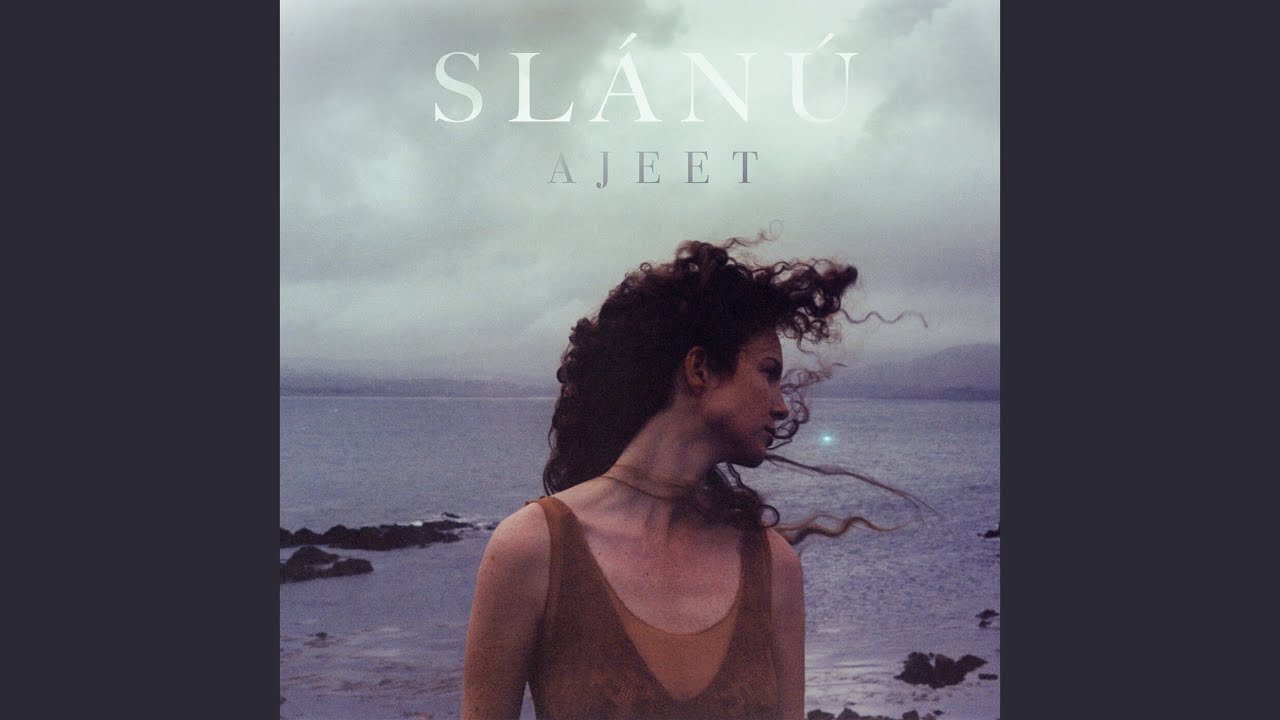
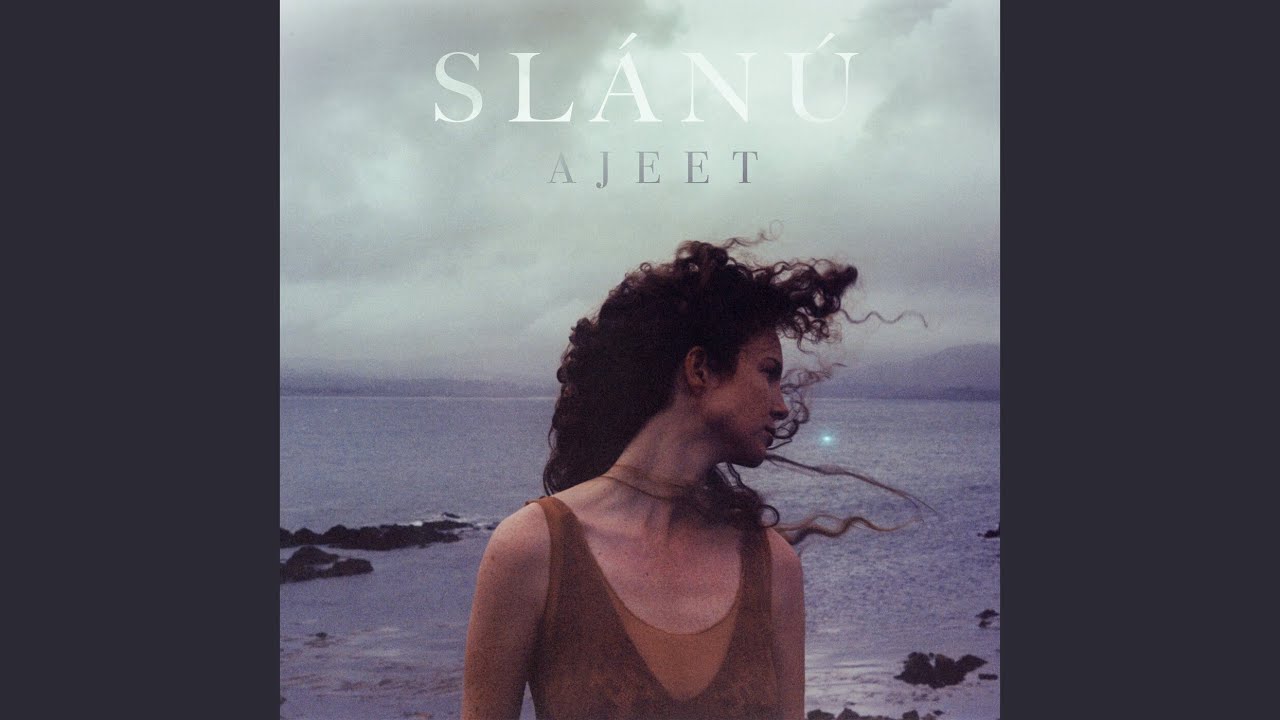
Four minutes in, the voice seems to surface from underneath the sound, a single word, "Guru," rising and sinking before the rest of the room arrives. That is how "Earth Prayer" opens: not with an announcement, but with a devotional phrase that sounds half-remembered, as though the singer had been carrying it for some time before the camera caught her. The song is the first music video drawn from the album Ras, and it is built on a simple idea that becomes clearer the longer you sit with it: a prayer can be a way of paying attention to the physical world, and paying attention can become a form of responsibility. The video runs about four minutes, has more than 3 million views on its uploaded version, and asks its listener to hear the earth as something that is given, not owned.
Kirtan, the call-and-response devotional singing associated with the Sikh tradition and the form Snatam Kaur is known for, has traditionally lived in gatherings rather than on screens. A recorded chant asks something different of a viewer. It removes the room, the shared breath, and the bodies moving on either side of you, and leaves a single voice and a repeating line to do the work. The video answers that absence with images and with a deliberate focus on a single theme.
The uploaded description places that theme at the center. Snatam Kaur's "deep love and sense of responsibility for the environment" is named as the source of the song, and she states her intention plainly in the official description:
"My intention for this song and this video is that it will help all of us awaken to our role as stewards of the planet." (Snatam Kaur, in the official description for the "Earth Prayer" video)
The word "steward" matters. A steward is not an owner and not a spectator. It is someone entrusted with something that belongs to a larger order and must be cared for on its behalf. Framing the planet this way turns an environmental message from a list of duties into a relationship, one that is closer to devotion than to policy. That is a lineage familiar to anyone who has listened to devotional music: the beloved is not a thing to be used but a presence to be honored.
The auto-generated captions for the video are fragmentary and should be read with that caveat, but several lines come through with enough clarity to show the song's structure. The verse moves through the landscape in an order that feels almost like a pilgrimage:
"...hear once again, the mountain, let us know the great Giver, by the journey of the river let us feel the ocean and know God's devotion to love..." (lyric as rendered in the video's auto-captions)
Look at what the sequence does. It begins with the mountain, the most fixed and ancient element in the landscape, and asks the listener to know "the great Giver" through it. The river follows, a thing defined by movement and by the path it carves, and the lyric asks us to feel its journey. The ocean closes the sequence, the largest and most diffuse body of water, and the verse asks us to feel it and to know "God's devotion to love." Earth, water, and the wide sea are not decoration here. They are the stages through which the listener is led from the solid to the boundless.
There is a quiet logic in that progression. A mountain is a reminder of stability and of something that has stood through ages. A river teaches that life is a moving thing that must keep its course. The ocean holds both and is vast enough that it can feel like the edge of comprehension. A verse that travels this path is asking the singer and the listener to widen their attention step by step, from what is immediately under their feet to what is beyond sight.
The refrain is the emotional center of the piece, and it is short enough to memorize in one hearing: "to love with our love, for our love we shall rise above." In the captions it returns again and again, with small shifts in phrasing, and in the video it becomes almost a mantra. That repetition is not padding. In kirtan, repetition is the method. A line sung many times stops being information and starts to work on the body and the breath, until the listener is no longer parsing words but inhabiting them.
The phrase itself is a paradox worth taking seriously. To love with our love is to offer what we have in its purest form. To rise above is to be lifted out of the self-concern that keeps us from seeing the planet as a shared home. The refrain suggests that stewardship is not achieved by willpower alone. It is reached by way of love, and the rising is a consequence of that love rather than a separate task. In a song about the environment, that is a notable choice: it places ecological care inside the language of devotion instead of inside the language of obligation.
The video's public record is simple. It was published on July 19, 2011, directed and photographed by Robin Layton, with music produced by Thomas Barquee. The description presents it as the first music video from the album Ras. By the time of the metadata captured here, the upload had accumulated 3,237,040 views. Those are the facts the material supports. It would be easy to build a story of cause and effect around that number, but the material does not say why viewers came back, and the honest reading is that the song's brevity, its repeating refrain, and its clear theme are features a listener can grasp quickly and carry away.
What the video does show is a deliberate fusion of sound and image in service of one idea. The chant does not ask the viewer to understand Sanskrit or Gurmukhi, or to know the tradition behind it. It asks only that the listener follow a line from mountain to river to ocean and then return to love. The lesson of the song is that a message about the planet can be sung as well as argued, and that a prayer can be a form of attention.
If you come to the video for the first time, try listening twice. The first pass lets the chant wash over you and lets the repeated phrase settle. On the second pass, follow the landscape: notice where the mountain appears, where the river is named, where the ocean opens the verse. Then ask what it would mean to treat each of those things as something given to you, and to be responsible for it. Snatam Kaur's own words in the description point in exactly that direction. The song is an invitation to awaken, and the awakening she describes is not dramatic. It is a change in how we hear the world.
For the full context of the work, look to the album Ras, from which this video is drawn, and to Snatam Kaur's official channels listed in the video's description: her website, Instagram, Facebook, and Spotify page. Those will show you how this single song sits within a larger body of devotional music. For the video itself, watch it once for the sound and once for the landscape. The prayer is short, but its direction is clear: from the mountain, through the river, to the ocean, and back to the love that makes the rising possible.