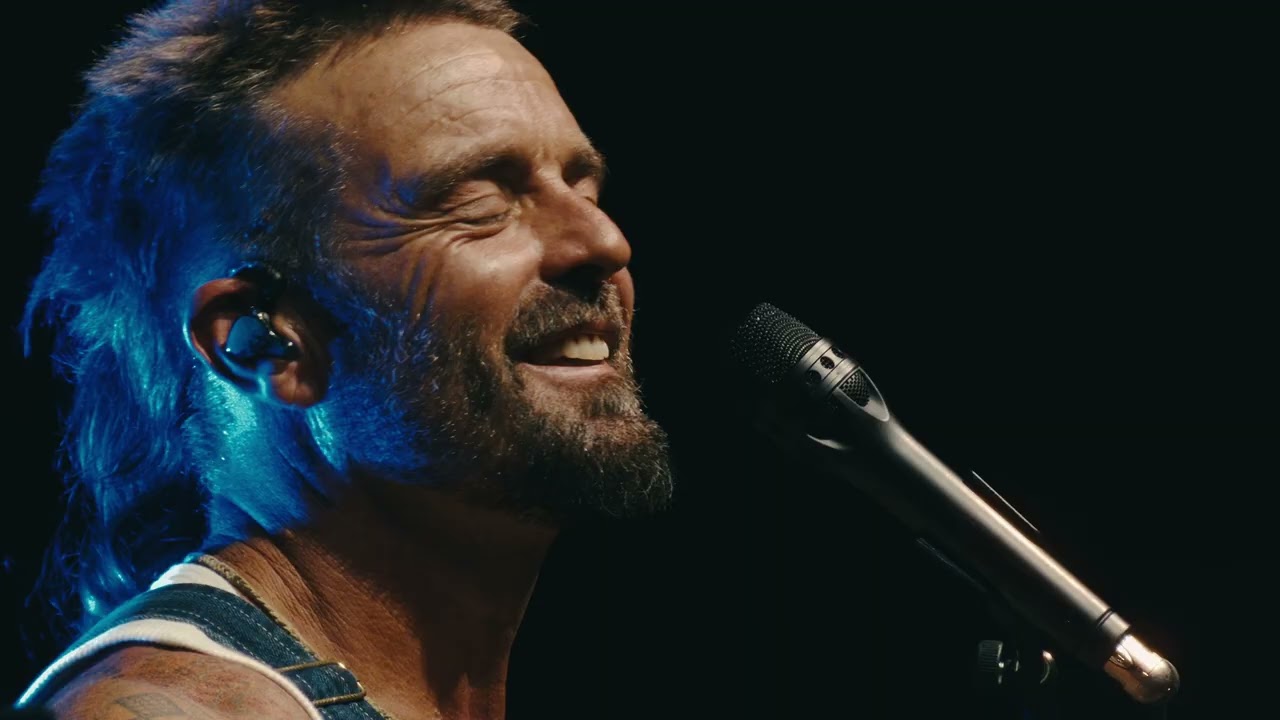
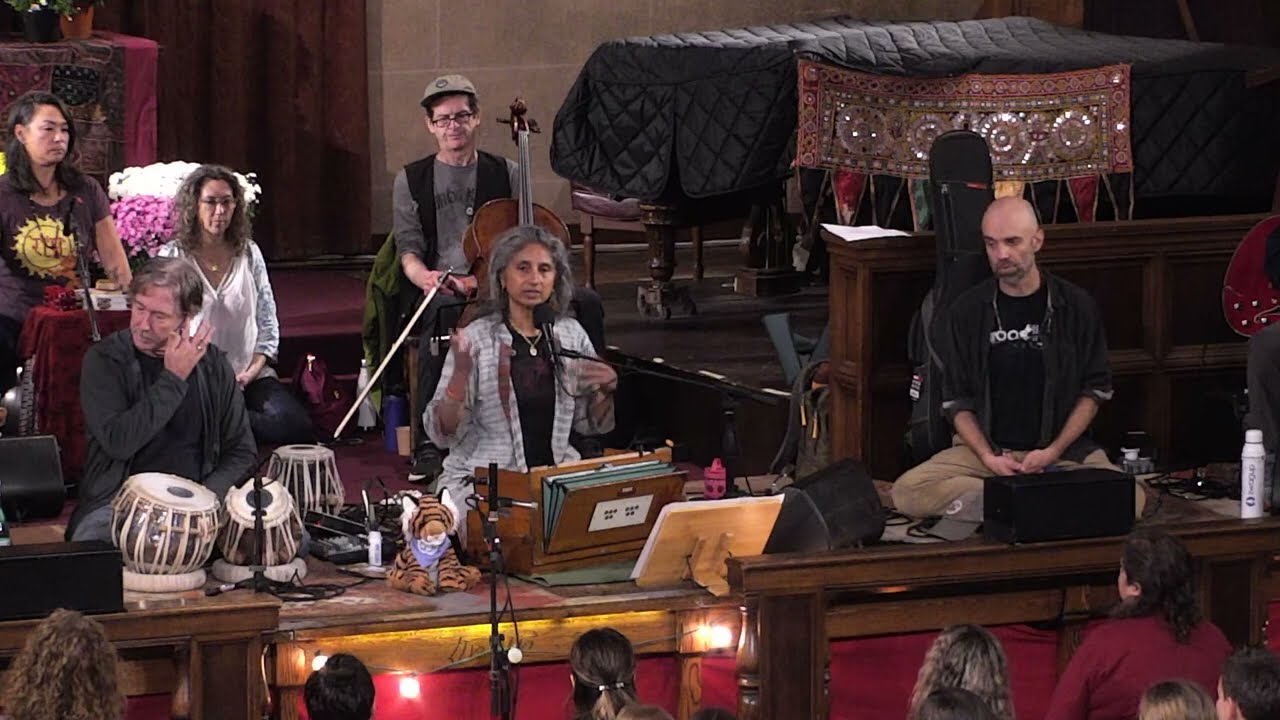
Xavier Rudd's "Come People" is a spiritual call-to-action that weaves together themes of collective consciousness, planetary alignment, ancestral wisdom, and the healing of historical wounds. The song positions human unity as essential to addressing the suffering that has been ignored throughout history, while invoking grandmother figures and sacred practices like Namaste to anchor the listener in both personal and collective responsibility. The work suggests that enlightenment is not individual achievement but a shared, cyclical process of recognizing sacredness and healing woundedness together.
What does "Come People" ask of listeners?
The repeated invocation "come people, come now" functions as both prayer and summons. Rudd is not offering passive spiritual comfort but rather issuing an urgent call for gathering and collective action. The immediacy of "now" suggests that the moment for unity is present, not deferred. This is not a song about waiting for better circumstances; it names the current moment as the time when "people" must actively choose to come together across divisions.
The song frames this gathering as necessary response to a specific historical reality: "suffering beneath your feet has been neglected through the ages." By anchoring suffering to geography ("beneath your feet"), Rudd grounds the call in place and embodiment. The suffering is not abstract or distant—it is local, inherited, and present in the ground we walk on. The listener is positioned as both witness and inheritor of this neglect, making the call to action personal even as it is collective.
How does the song balance spiritual awakening with historical accountability?
Rudd introduces a paradox at the heart of spiritual practice: enlightenment occurs through "the rise and fall of things revealed," and the work demands recognition of "both sacredness and woundedness." This is not a vision of enlightenment as escape or transcendence but as clear-eyed seeing. The spiritual quest does not bypass history; it demands reckoning with it.
The figure of the "little girl" appears as a powerful recurring image—"I held that little girl, she was a message in my dreaming." This image resists easy interpretation. It could represent innocence lost, future generations, or the vulnerable aspects of human and planetary consciousness. By positioning her as a "message in dreaming," Rudd suggests that wisdom comes not from rational analysis but from intuitive, nocturnal knowing. The speaker "brings hands to Namaste," a gesture of honoring the divine within and between all beings, suggesting that this message—carried by the girl figure—points toward a recognition of sacred presence even in contexts of woundedness and neglect.
What role do planetary forces and energetic systems play in the song's vision?
The song references "planetary alignment and the energetic push and pull we share," suggesting that human consciousness and planetary systems are interconnected. This is not metaphorical alone: the song invokes actual celestial mechanics and energy exchange as relevant to understanding collective human experience. The line "who will hide and who will seek" becomes a question about alignment—are we oriented toward truth or away from it? Are we in phase with planetary forces or resisting them?
Time itself is personified as a feminine presence: "time to time she chimes in phrases from the internet." The image combines ancient and contemporary: "she" suggests an ancestral, feminine temporality, while "internet" grounds this in the current information ecosystem. Rudd suggests that truth arrives through both lineages—ancestral wisdom and contemporary connectivity. The "chiming" implies rhythm and resonance, echoing the cyclical imagery of "round and round we go again."
How does ancestral wisdom function in the song's structure?
The apostrophe to "grandmother" is central: "Grandmother, pull us out. Grandmother, can you tell me how we have been so mistaken?" This is not nostalgic appeal to an idealized past but rather direct questioning of inherited patterns and errors. The grandmother is addressed as a being with knowledge of how collective mistakes accumulated. The request to "pull us out" suggests being trapped—not by individual failing but by systemic, multigenerational patterns.
By invoking grandmother, Rudd draws on Indigenous Australian cultural frameworks (consistent with his own background and collaborations) where elder knowledge, particularly feminine and ancestral, holds keys to collective healing. The grandmother is neither romanticized nor distant; she is called upon to account for the path that has brought "us" to a point where suffering lies beneath our feet, unaddressed.
What does "come fire clean this people" suggest about purification and renewal?
The phrase "come fire clean this people" appears as a rhythmic refrain, suggesting both literal and metaphorical cleansing. Fire in many spiritual traditions represents purification, transformation, and the burning away of what no longer serves. The phrasing "clean this people" makes the collective the object of cleansing—not individual souls, but the people as a unified body require collective purification from the accumulated weight of historical wrongs and neglect.
This sits alongside another image: "a gentle rain and we pull together when the earth she breaks." The progression from fire to gentle rain, and the conditional structure "when the earth she breaks," suggests phases of healing. Rudd acknowledges that collective consciousness may need to undergo crisis or breaking in order to pull together. The rain follows fire; gentleness follows intensity.
How does the song's structure reinforce its message about cyclical consciousness?
The repeating lines, the circular melody, and the return to the opening verses embody the song's philosophy: "round and round we go again." This is not progress toward a fixed endpoint but cyclical movement through understanding. The repetition functions liturgically—like mantras or chants that work through repetition to shift consciousness through resonance rather than rational argument.
The song closes as it opened, but the listener has traveled through questions of enlightenment, historical wound, ancestral call, and planetary healing. The return to the beginning is not failure or stagnation but deepening—like spiral movement that visits the same ground at a deeper level of understanding. Each repetition of "come people, come now" gains weight from the context through which the listener has moved.
Where to go from here
If "Come People" resonates, consider exploring Xavier Rudd's full album "Nanna" to situate this song within a larger artistic vision. Research the relationship between contemporary music and Indigenous spiritual frameworks, particularly in Australian contexts. Reflect on what "suffering beneath your feet" means in the specific place where you live—what historical wounds are embedded in the land you inhabit? Consider practices of acknowledgment and repair that bring collective consciousness into alignment with place-based healing. Explore how circular, cyclical approaches to consciousness (suggested by "round and round we go again") differ from linear models of progress in your own spiritual or activist work.