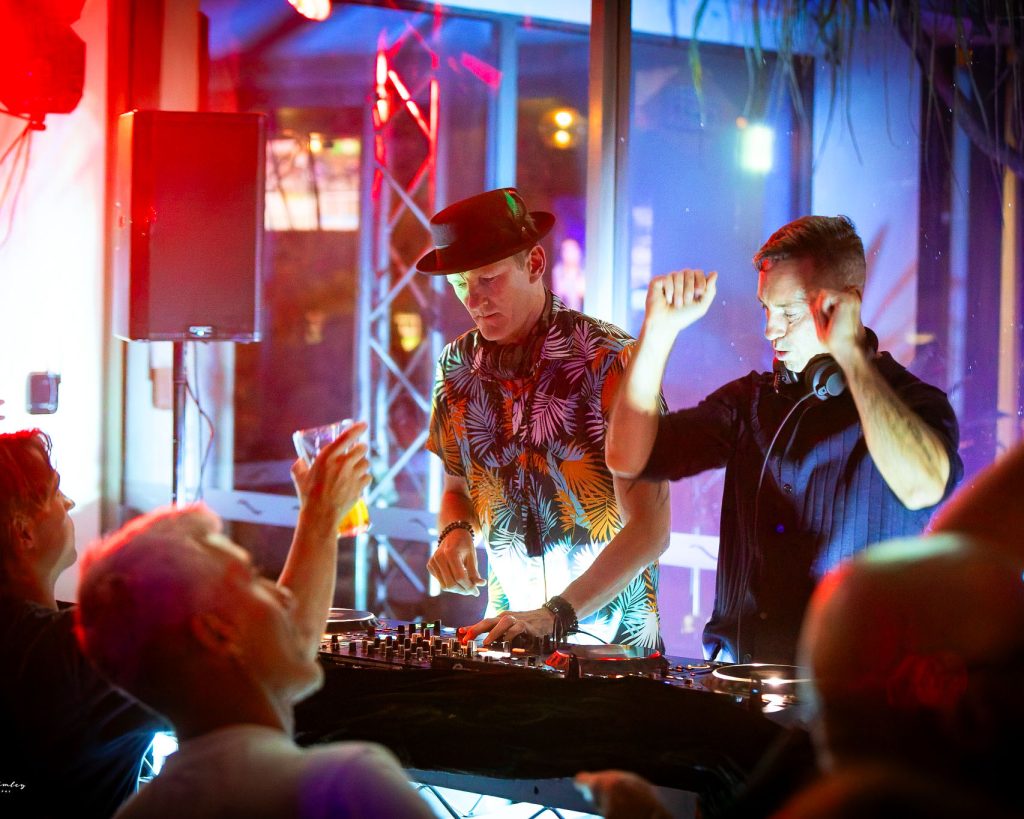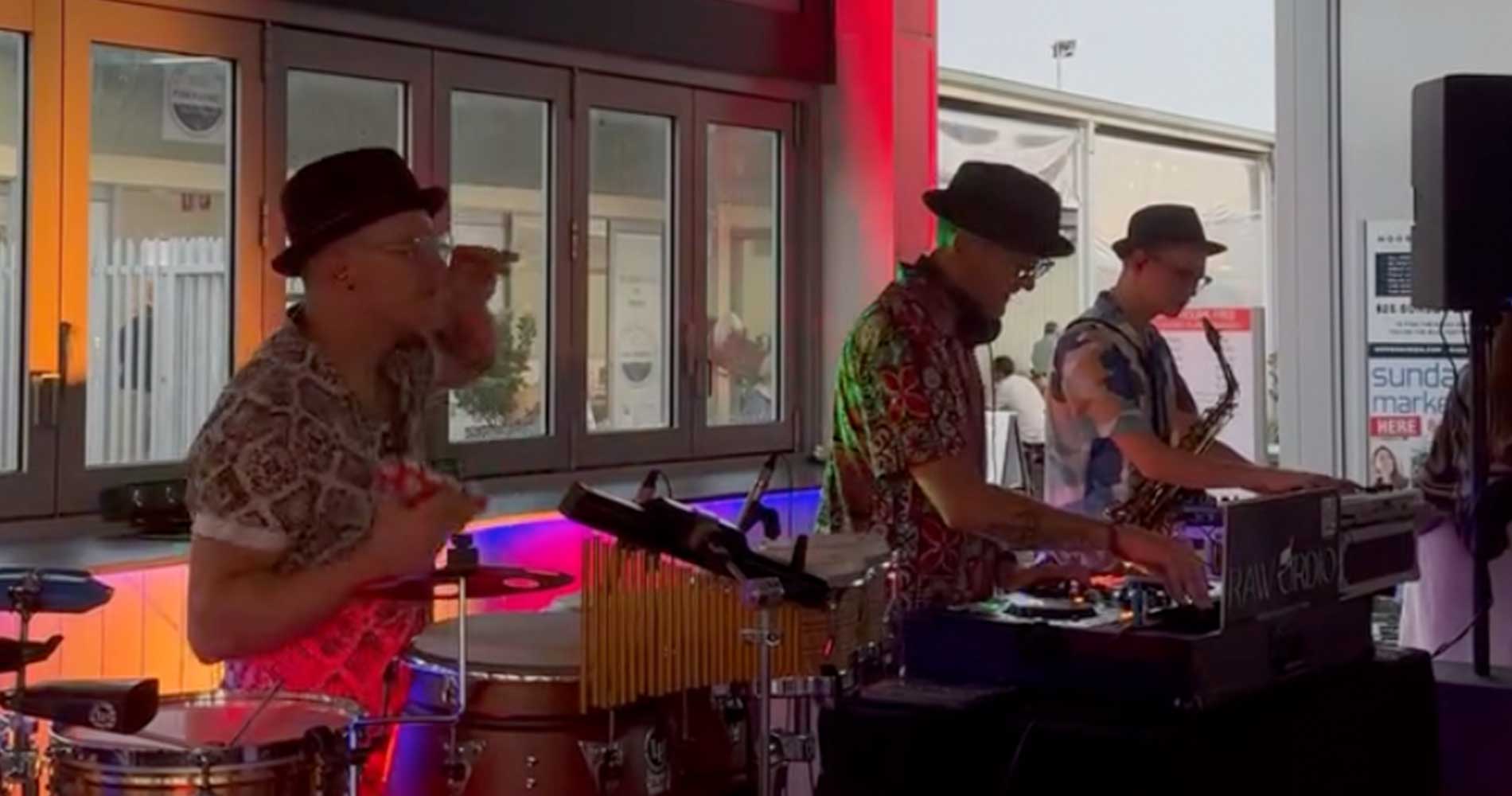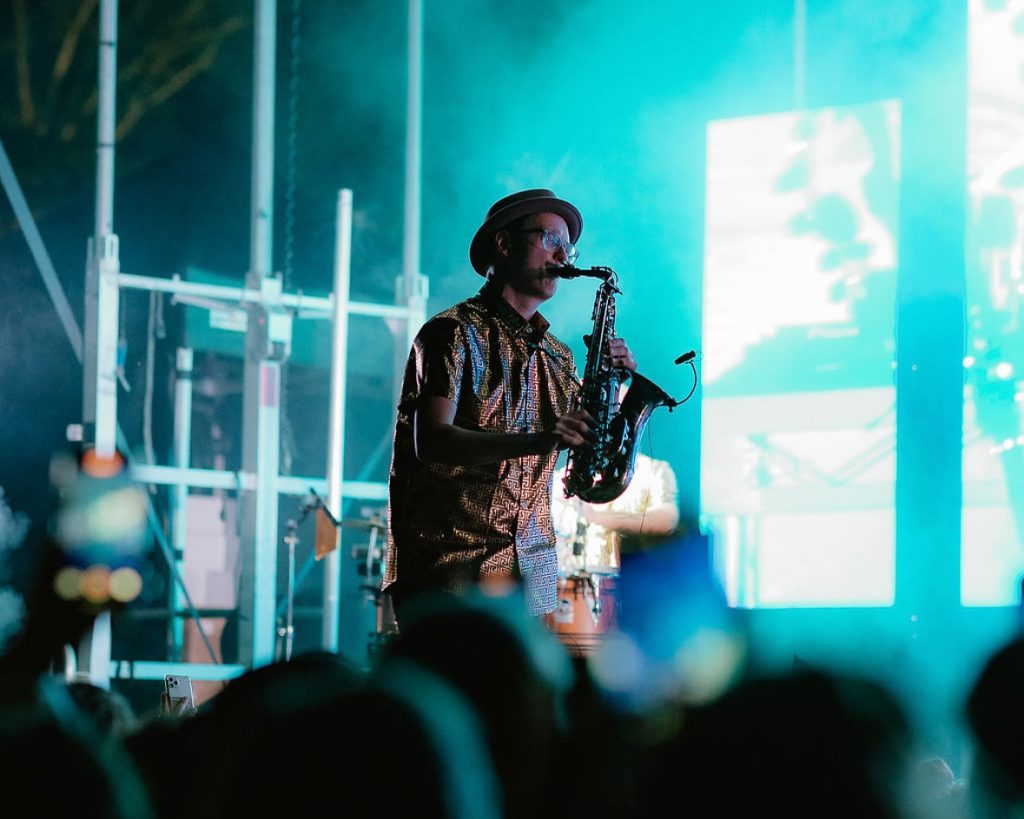

Raw Ordio doesn't make it easy for you. There's no breakout single, no Spotify-friendly algorithm feeder, no TikTok moment that opens the door. This is music that circulates through DJ sets in warehouse spaces at 3 AM, through SoundCloud links exchanged in Discord servers, through word-of-mouth among people who've exhausted what the mainstream feeds them. For the curious newcomer, that opacity is both the challenge and the point.
Start with his DJ sets. Not the studio productions—the sets. Raw Ordio's strength as an artist is most legible when he's curating sonic journeys across 60-90 minutes, showing you how his sensibility operates in motion. His mixes demonstrate the through-line connecting his disparate influences: UK bass music's brutal efficiency, industrial techno's textural aggression, ambient music's patience, and grime's urban tension.
In a DJ set, you'll hear how he builds and releases pressure without relying on obvious drops, how he uses negative space as an active element, and how his ear for sound design creates coherence across tempos and moods. This is crucial context before diving into individual tracks, which can feel disorienting without understanding the ecosystem they inhabit.
Once you've absorbed a full set, move to his peak-time floor material. These are the tracks built for club functionality—still texturally rich, still refusing easy categorization, but designed to operate in high-energy contexts. Here you'll encounter the distorted synth work and precisely engineered low-end that defines his production signature.
Next, explore the ambient and downtempo side of his catalog. This is where Raw Ordio's commitment to atmosphere becomes most explicit. The shadowy constructions reveal a producer equally comfortable with restraint as with intensity. These pieces showcase his sound design chops without the scaffolding of four-to-the-floor rhythms.
Finally, seek out his footwork and broken beat influenced productions. This is where his percussive approach gets most intricate, revealing debts to Chicago's juke tradition and London's fractured garage lineage.
Expect to feel slightly lost. Raw Ordio's music doesn't offer handrails. The structures don't follow verse-chorus-verse logic. Tracks might withhold the expected payoff, or deliver it through timbral shift rather than melodic hook. The bass frequencies will be more physical than you're used to—this is music engineered for proper sound systems, not laptop speakers.
You'll likely notice an absence of traditional "songs" in favor of "tracks"—functional tools for DJs, pieces of a larger puzzle rather than standalone experiences. This isn't background music or study beats. It demands attention or context.
The biggest mistake beginners make is expecting genre consistency. Raw Ordio operates across the bass music continuum, and his refusal to stay in one lane reads as inconsistency rather than range if you're expecting an artist "brand."
Second, people mistake texture for gimmick. The distortion and industrial elements aren't aesthetic flourishes—they're structural to how these tracks create tension and release.
Third, newcomers often dismiss the ambient work as transitional rather than central to understanding his artistic vision. The downtempo pieces aren't palate cleansers; they're equal pillars of his practice.
Raw Ordio tends to click during periods of sonic exhaustion—when you've burned through what once excited you and need something that doesn't hand you easy dopamine. It lands for people transitioning from passive listening to active exploration, usually in their mid-to-late twenties, when musical curiosity deepens beyond identity formation.
It also resonates during night-shift consciousness: late drives, pre-dawn hours, the liminal spaces where conventional music feels inappropriately bright.
Day 1-2: Listen to one full DJ set twice. Once actively with headphones, once while moving through space.
Day 3: Explore three peak-time floor tracks. Note what sounds abrasive on first listen.
Day 4: Dive into the ambient catalog. Listen in darkness or near-darkness.
Day 5: Sample the broken beat and footwork-influenced material. Focus on percussion.
Day 6: Return to the DJ set from Day 1. Notice what you hear differently.
Day 7: Put together your own playlist mixing his work with adjacent artists. Trust your ear.